
Gut Health 2.0: Fermented Feasts & Fiber-Rich Recipes for a Happier Microbiome
Gut Health 2.0 Dinner: Fermented Veggie Grain Bowl with Miso-Tahini Dressing
Gut Health 2.0 is all about moving beyond basic probiotic pills toward a full lifestyle approach that celebrates fermented foods, diverse fibers, and microbiome-friendly eating. This deeply satisfying fermented veggie grain bowl brings that trend straight to your table: chewy whole grains, crunchy colorful vegetables, tangy kimchi or sauerkraut, creamy beans, and a silky miso-tahini dressing that ties it all together. It’s comforting, vibrant, and built to love your microbiome—without feeling like “health food.”

What Is “Gut Health 2.0” & Why This Bowl Fits the Trend
Over the last few years, gut health has moved from niche wellness corners into mainstream cooking. Instead of relying solely on generic probiotic supplements, more people are embracing:
- Real-food probiotics from fermented foods like kimchi, sauerkraut, kefir, kombucha, miso, tempeh, and yogurt.
- Fiber as a “super nutrient”, aiming for 25–40 g a day from beans, whole grains, fruits, vegetables, nuts, and seeds.
- Plant diversity, with challenges like “30 different plant foods per week” to boost microbial diversity.
- Less ultra-processed food, and more minimally processed, home-cooked meals.
This fermented veggie grain bowl checks all of those boxes in one cozy, colorful, weeknight-friendly recipe: whole grains, beans, an array of vegetables and herbs, plus a generous scoop of fermented cabbage and miso for live cultures and deep umami flavor.
Recipe Snapshot: Fermented Veggie Grain Bowl
Prep time: 20 minutes
Cook time: 25–30 minutes
Total time: ~45–50 minutes
Servings: 4 bowls
Difficulty: Easy–Moderate
Dietary: Vegan, high-fiber, microbiome-friendly
Flavor-wise, think of this as a cross between a bibimbap-inspired bowl and a modern nourish bowl: warm, nutty grains; crisp-tender veggies; cool, tangy fermented cabbage; creamy beans; and a savory, slightly sweet, garlicky dressing that perfumes the whole kitchen.
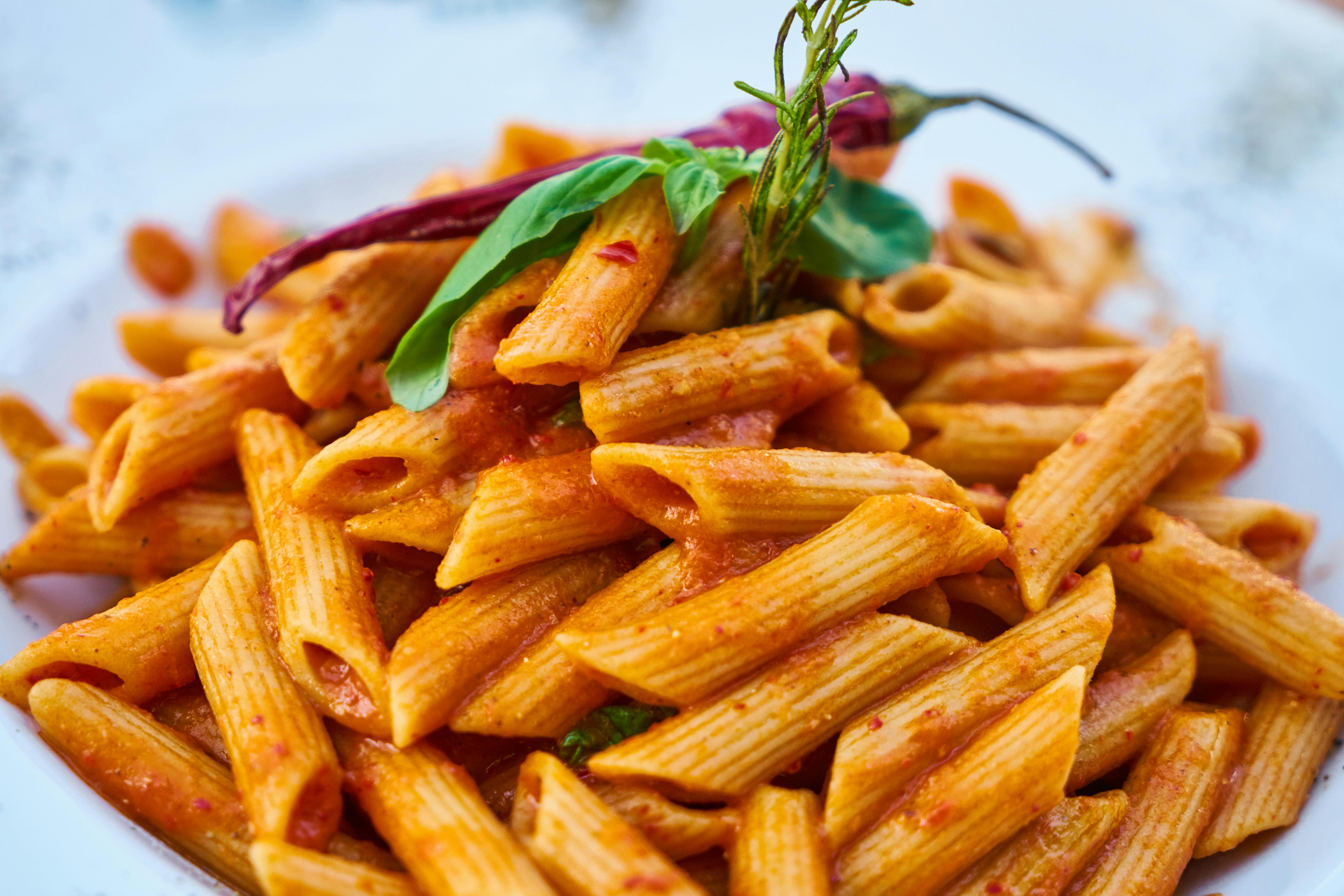
Ingredients: Fermented Veggie Grain Bowl
Exact measurements help you nail the flavor and texture balance—feel free to adjust veggies based on what you have to keep that plant diversity high.
For the Grain Base
- 1 cup (190 g) dry short-grain brown rice, or quinoa, farro, or barley
- 2 cups (480 ml) water or low-sodium vegetable broth
- 1/4 teaspoon fine sea salt
For the Gut-Friendly Toppings
- 1 cup (160 g) cooked chickpeas or other beans, rinsed and drained
- 1 cup (150 g) thinly sliced red cabbage or green cabbage
- 1 large carrot, cut into matchsticks or grated
- 1 small zucchini, halved lengthwise and sliced
- 1 small red bell pepper, sliced into thin strips
- 1 cup (30 g) loosely packed baby spinach or mixed leafy greens
- 1/2 cup (15 g) chopped fresh herbs (such as cilantro, parsley, or scallions)
Fermented Components (Probiotic Boost)
- 1 cup (150 g) kimchi or raw, unpasteurized sauerkraut
- 1 tablespoon miso paste (white or yellow), unpasteurized if possible
For the Miso-Tahini Dressing
- 3 tablespoons (45 g) tahini (sesame seed paste)
- 1 tablespoon miso paste
- 2 tablespoons (30 ml) fresh lemon juice or rice vinegar
- 1 tablespoon (15 ml) extra-virgin olive oil or toasted sesame oil
- 1–2 teaspoons maple syrup or honey (to taste)
- 1 small garlic clove, finely grated or minced
- 2–4 tablespoons (30–60 ml) warm water, to thin
- Freshly ground black pepper, to taste
Optional Crunch & Extras
- 2 tablespoons toasted pumpkin seeds or sunflower seeds
- 1 tablespoon sesame seeds
- 1 small avocado, sliced
- Chili flakes or a drizzle of chili oil, for spice (optional)
Equipment You’ll Need
- Medium saucepan with lid (for cooking grains)
- Cutting board and sharp chef’s knife
- Large skillet or sauté pan
- Mixing bowl and whisk (for dressing)
- Measuring cups and spoons
- Four serving bowls

Step-by-Step Instructions
1. Cook the Whole Grains
- Rinse the brown rice (or chosen grain) under cool running water until it runs mostly clear. This helps remove excess starch and improves texture.
- In a medium saucepan, combine the grain, water or broth, and salt. Bring to a gentle boil over medium-high heat.
- Reduce heat to low, cover, and simmer until the grains are tender and the liquid is absorbed (about 25–30 minutes for brown rice; adjust for other grains per package instructions).
- Turn off the heat and let the grains rest, covered, for 5–10 minutes. Then fluff with a fork so they’re light and steamy rather than sticky.

2. Prep and Sauté the Vegetables
- While the grains cook, wash and chop all vegetables: shred the cabbage, julienne or grate the carrot, slice the zucchini and bell pepper, and roughly chop herbs.
- Heat a large skillet over medium heat. Add a small splash of olive or avocado oil (about 1 tablespoon).
- Add the zucchini and bell pepper with a pinch of salt. Sauté for 4–6 minutes, stirring occasionally, until crisp-tender and lightly browned in spots.
- Add the shredded cabbage and carrot and cook for another 2–3 minutes, just until slightly softened but still vibrant and crunchy.
- Stir in the chickpeas and cook for 1–2 minutes, until warmed through. Turn off the heat and gently fold in the spinach or greens so they wilt slightly in the residual heat.
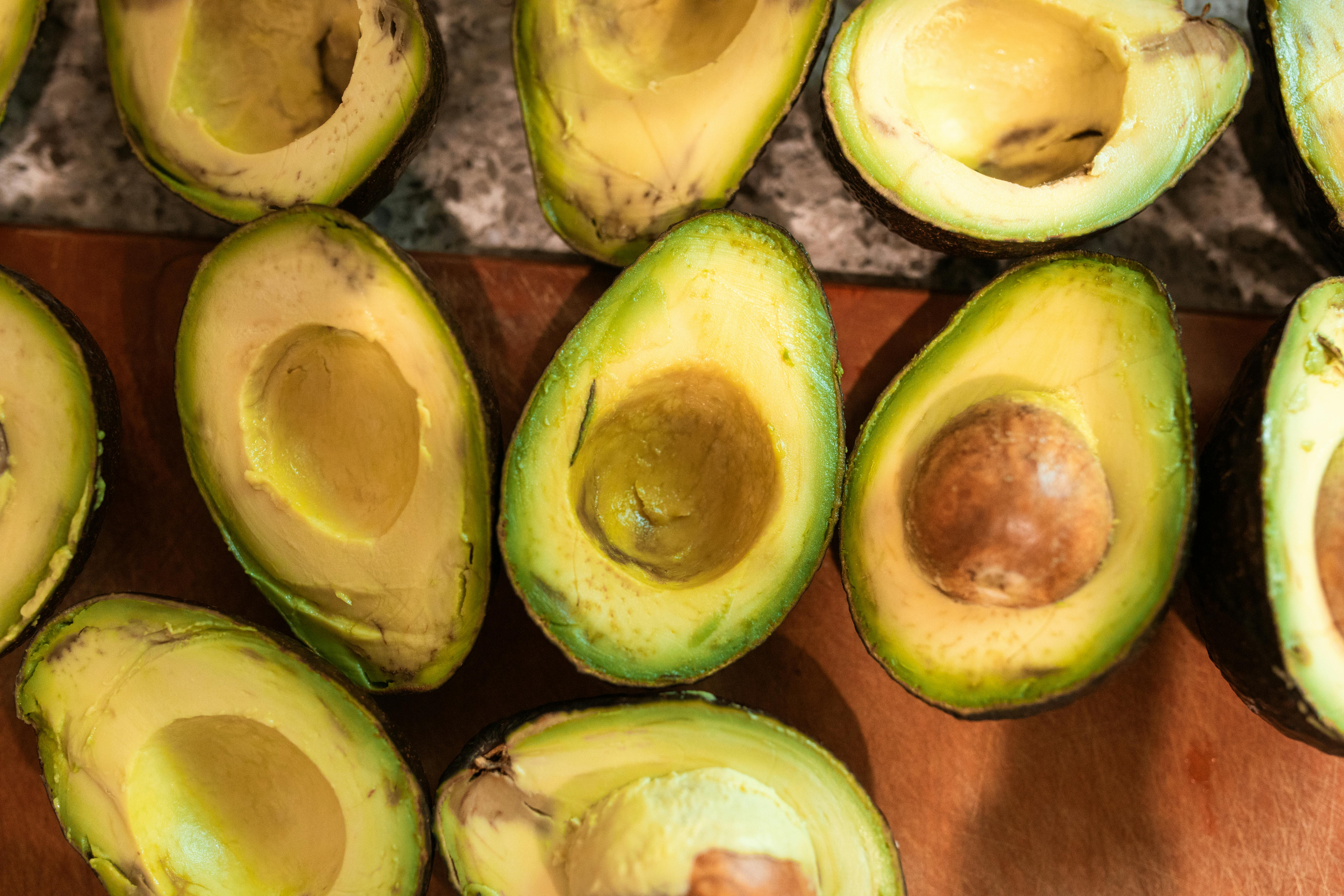
3. Whisk the Miso-Tahini Dressing
- In a small bowl, whisk together tahini, miso paste, lemon juice or vinegar, olive or sesame oil, maple syrup or honey, and garlic until smooth and thick.
- Add warm water, 1 tablespoon at a time, whisking after each addition, until the dressing is pourable but still creamy. Aim for a consistency similar to yogurt.
- Taste and adjust: add a pinch more salt or miso for savoriness, more lemon for brightness, or a touch more sweetener to balance bitterness.
- Finish with freshly ground black pepper. Set aside.
4. Assemble the Gut-Healthy Bowls
- Divide the warm grains among four bowls, creating a generous base.
- Top each bowl with a quarter of the sautéed veggie–chickpea mixture, nestling it to one side so you can see all the colors.
- Add a generous scoop (about 1/4 cup) of kimchi or sauerkraut to each bowl. Keep ferments off direct heat so they stay cool and crunchy.
- Sprinkle each bowl with fresh herbs, seeds, and avocado slices, if using.
- Drizzle a few spoonfuls of miso-tahini dressing over the top of each bowl. Serve any remaining dressing on the side so people can add more to taste.

5. Taste, Tweak & Enjoy
- Give everything a gentle mix right before eating so the dressing coats the grains and veggies.
- Taste and add extra kimchi/sauerkraut for more tang, a squeeze of lemon for brightness, or a sprinkle of chili flakes if you like heat.
- Pause for a moment to enjoy the aroma: nutty grains, toasted sesame, garlicky miso, and that lively fermented tang. Then dig in while it’s warm.
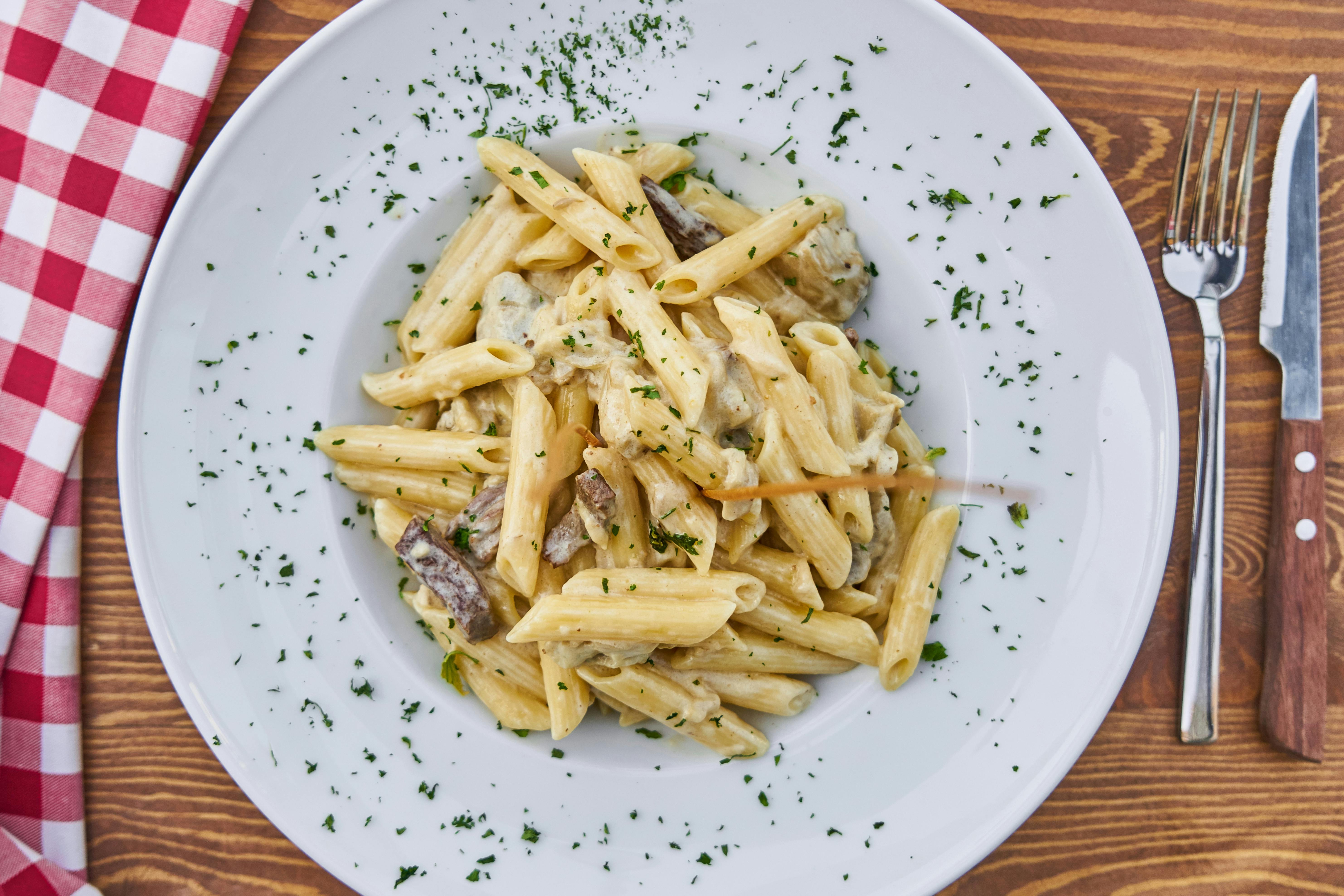
Gut Health 2.0 Notes: Fiber, Ferments & Flexibility
This bowl is designed with microbiome-friendly eating in mind, but it’s not about perfection. It’s about patterns—what you do often, not what you do once.
- Fiber variety: You’re getting multiple plant “votes” in one meal: whole grains, beans, several vegetables, herbs, and seeds—all feeding different microbes.
- Fermented foods: Kimchi/sauerkraut plus miso add living microbes and fermentation byproducts that may support your gut environment.
- Ultra-processed swap: This kind of bowl replaces packaged, refined meals with hearty “real food” that still feels fun and indulgent.
Think of every colorful plant in your bowl as a different “love letter” to your microbes. The more variety over the week, the richer the conversation in your gut.
Storage, Meal Prep & Reheating Tips
This recipe is perfect for gut-friendly meal prep, with one important rule: keep the fermented components separate from the hot stuff until serving.
- Grains & sautéed veggies: Cool completely, then store together in an airtight container in the fridge for up to 4 days.
- Kimchi/sauerkraut & herbs: Store in separate containers in the fridge. Ferments usually last weeks; just always use a clean utensil.
- Dressing: Refrigerate in a jar for up to 5 days. It may thicken; thin with a splash of warm water and shake before using.
To reheat: Warm the grain–veggie mixture gently on the stovetop or in the microwave until just hot. Then top with cool ferments, fresh herbs, seeds, avocado, and dressing right before eating. This keeps textures crisp and microbes more intact.
Serving Ideas & Complementary Gut-Friendly Dishes
Turn this fermented veggie grain bowl into a full “Gut Health 2.0” feast by pairing it with:
- A small glass of unsweetened kombucha or water kefir for extra fermented fizz.
- A simple side of mixed leafy greens with olive oil, lemon, and a sprinkle of seeds.
- Fruit-and-chia yogurt for dessert—plain yogurt or plant-based kefir topped with berries, chia seeds, and a drizzle of honey or maple syrup.
Over the course of a week, bowls like this make it surprisingly easy to get close to that popular “30 plants per week” challenge—without counting every bite.
Recipe Structured Data (for SEO)
The following JSON-LD snippet helps search engines understand this gut-healthy recipe and surface it for people looking for fermented food, microbiome-friendly, and high-fiber dinner ideas.
