
Mediterranean Meets Japan: A Blue Zone–Inspired Longevity Bowl You’ll Want Every Week
This Mediterranean–Japanese hybrid rice bowl is my love letter to the foods of the world’s “Blue Zones”—places where people regularly live into their 90s and beyond. Think silky miso-scented vegetables, nutty brown rice, creamy chickpeas, tender tofu, a drizzle of extra-virgin olive oil, and a bright lemon–sesame dressing. It brings together the sunny warmth of the Mediterranean with the gentle, umami-rich comfort of Japanese home cooking in a way that feels cozy enough for a weeknight and thoughtful enough for a longevity-focused lifestyle.
Instead of chasing a strict longevity “hack,” this bowl leans on everyday habits: lots of plants, modest portions of fish or soy, fermented foods, and healthy fats—exactly the patterns seen in Okinawa and coastal Mediterranean villages. It’s reassuringly flexible, deeply satisfying, and friendly for home cooks at any skill level.
Quick Recipe Summary
Prep time: 20 minutes
Cook time: 25 minutes
Total time: 45 minutes
Servings: 4 bowls
Difficulty: Easy–Medium
Dietary notes: Vegetarian, easily made vegan and gluten-free, high in fiber and plant protein, Blue Zone–inspired.
Core flavors: Savory miso and soy, bright lemon, toasty sesame, fruity extra-virgin olive oil, sweet roasted vegetables.
Why This Recipe Fits a Blue Zone–Style Way of Eating
Blue Zones like Okinawa in Japan and Sardinia in the Mediterranean have different cuisines but share a common rhythm: meals are plant-forward, colorful, and simple rather than restrictive. Inspired by recent documentaries and podcasts, this Mediterranean–Japanese hybrid bowl captures the overlap:
- Plant-forward, not strict: Vegetables, legumes, and whole grains do the heavy lifting, with tofu or optional fish as gentle support.
- Healthy fats: Extra-virgin olive oil and sesame bring heart-healthy, anti-inflammatory fats.
- Fermented foods: Miso adds tangy depth and friendly microbes, much like yogurt or traditional pickles in other Blue Zones.
- Low sugar and ultra-processed foods: The sweetness comes naturally from roasted vegetables; there are no refined sauces or sugary glazes.
Think of this not as a “longevity diet” you’re on, but as a delicious, practical meal you love—one that just happens to echo the habits of people who age well.
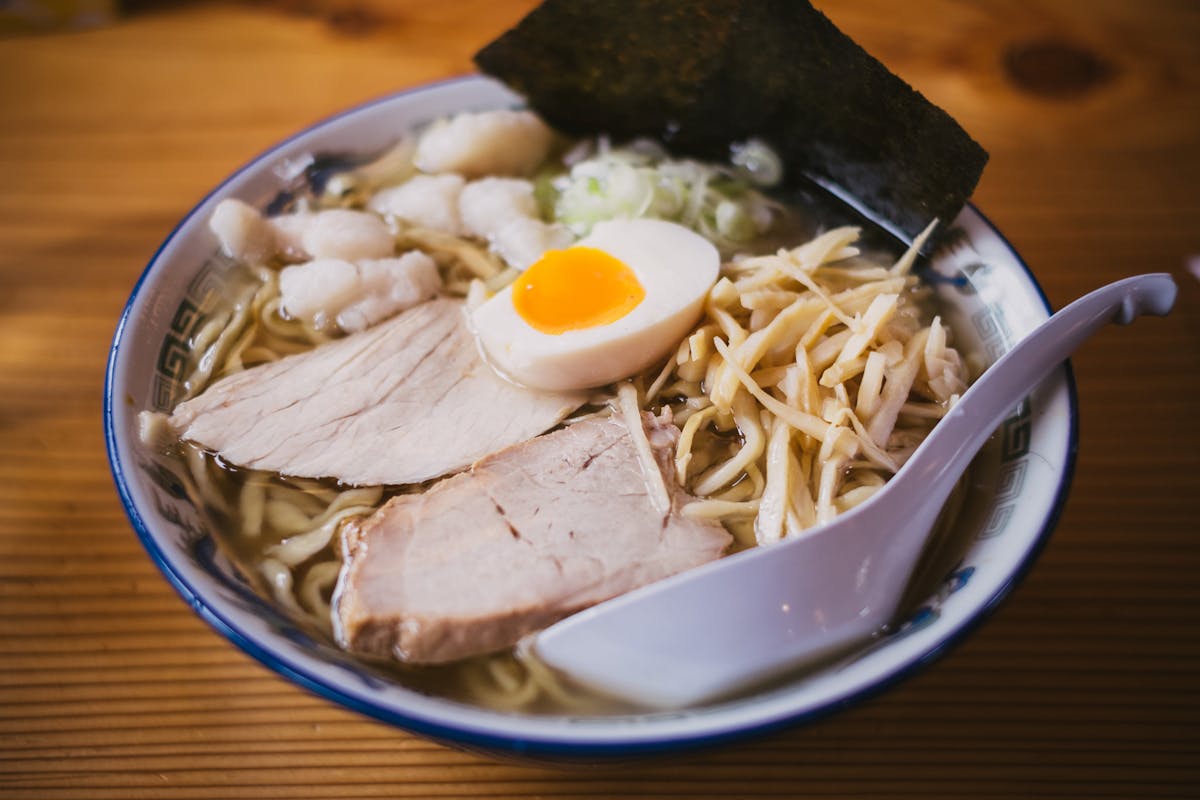
Ingredients for Mediterranean–Japanese Blue Zone Bowl
This recipe is designed for 4 satisfying, but not oversized, bowls. Feel free to treat measurements as flexible guidelines rather than rigid rules—just like home cooks in traditional Blue Zones do.
Base
- 1 1/2 cups (300 g) short- or medium-grain brown rice, rinsed
- 3 cups (720 ml) water or low-sodium vegetable broth
- 1/2 tsp fine sea salt (optional, depending on broth saltiness)
Roasted Mediterranean–Japanese Vegetables
- 1 medium sweet potato (about 250 g), scrubbed and cut into 1.5 cm cubes
- 1 small eggplant, cut into bite-size pieces
- 1 red bell pepper, sliced into strips
- 1 small red onion, cut into wedges
- 2 Tbsp extra-virgin olive oil
- 1 Tbsp white or yellow miso paste
- 1 Tbsp low-sodium soy sauce or tamari
- 1 tsp rice vinegar or apple cider vinegar
- Freshly ground black pepper, to taste
Protein & Legumes
- 1 block (about 400 g) firm or extra-firm tofu, drained and pressed
- 1 Tbsp olive oil or neutral oil for pan-searing
- 1 Tbsp low-sodium soy sauce or tamari
- 1 cup (about 170 g) cooked chickpeas (or one 15 oz / 425 g can, rinsed and drained)
- Optional: 200 g salmon fillet or mackerel, cut into small pieces, for a pescatarian version
Bright Lemon–Sesame Dressing
- 3 Tbsp extra-virgin olive oil
- 2 Tbsp fresh lemon juice (about 1 lemon)
- 1 Tbsp rice vinegar
- 1 tsp toasted sesame oil
- 1 tsp miso paste
- 1 tsp honey or maple syrup (optional, for balance)
- 1 small garlic clove, finely grated or minced
- 1–2 Tbsp water to thin, as needed
Fresh Toppings
- 1 small cucumber, thinly sliced
- 1 medium carrot, peeled into ribbons or grated
- 2–3 spring onions (scallions), finely sliced
- 2 Tbsp toasted sesame seeds
- Small handful of fresh herbs (parsley, shiso if you have it, cilantro, or basil), chopped
- Optional: small handful of nori strips or crumbled seaweed snack for a mineral-rich garnish
Equipment You’ll Need
- Medium saucepan with lid for cooking rice
- Large baking tray or sheet pan
- Mixing bowls (2–3, medium size)
- Non-stick or cast-iron skillet for tofu (and fish, if using)
- Sharp knife and cutting board
- Measuring spoons and cups (or a kitchen scale)
- Small jar with lid or whisk for the dressing
Step-by-Step Instructions
Take your time and cook at a gentle pace—slow, mindful meals are just as much a Blue Zone habit as the ingredients themselves.
1. Cook the Brown Rice
- Rinse the brown rice under cool running water until the water runs mostly clear. This helps keep the grains pleasantly separate and removes any excess starch.
- In a medium saucepan, combine the rice, water or broth, and salt (if using). Bring to a gentle boil over medium-high heat.
- Reduce the heat to low, cover, and simmer for 30–35 minutes (check package directions) until the liquid is absorbed and the grains are tender but still a bit chewy.
- Turn off the heat and let the rice sit, covered, for 5–10 minutes to steam, then fluff with a fork.

2. Roast the Miso Vegetables
- Preheat your oven to 200°C (400°F) and line a baking tray with parchment paper for easy cleanup.
- In a large bowl, whisk together the olive oil, miso paste, soy sauce, and rice vinegar until the miso dissolves into a smooth, fragrant coating.
- Add the sweet potato cubes, eggplant, red bell pepper strips, and red onion wedges to the bowl. Toss well until every piece glistens with the miso mixture.
- Spread the vegetables in a single layer on the baking tray. Grind a little black pepper over the top.
- Roast for 20–25 minutes, turning once halfway, until the sweet potatoes are tender and the edges of the vegetables are lightly caramelized and golden.
3. Sear the Tofu (and Optional Fish)
- While the vegetables roast, cut the pressed tofu into bite-size cubes or rectangles.
- Pat the tofu dry with a clean towel for better browning.
- Heat the oil in a non-stick or cast-iron skillet over medium heat. When hot, add the tofu in a single layer.
- Cook 3–4 minutes per side without moving too much, until each side is golden and lightly crisp.
- Drizzle the soy sauce over the tofu in the last minute of cooking, tossing gently so the cubes absorb it and become deeply savory.
- If using salmon or mackerel, push the tofu to one side and quickly sear the fish pieces for 1–2 minutes per side, until just cooked through and still tender. Keep portions modest to mirror Blue Zone patterns.

4. Make the Lemon–Sesame Dressing
- In a small jar or bowl, combine olive oil, lemon juice, rice vinegar, toasted sesame oil, miso paste, honey or maple syrup (if using), and the grated garlic.
- Shake the jar vigorously or whisk until emulsified and slightly creamy. Add 1–2 tablespoons of water to thin to a pourable consistency.
- Taste and adjust—more lemon for brightness, a touch more miso for salt and depth, or a hint more sweetener if it tastes too sharp.
5. Prep the Fresh Toppings
- Slice the cucumber thinly—on the bias if you want a restaurant-style look.
- Use a vegetable peeler to shave the carrot into ribbons, or grate it coarsely for a different texture.
- Slice the spring onions finely, and roughly chop your chosen herbs.
- Toast sesame seeds in a dry pan over low heat for 2–3 minutes until fragrant (if not already toasted), shaking often to prevent burning.
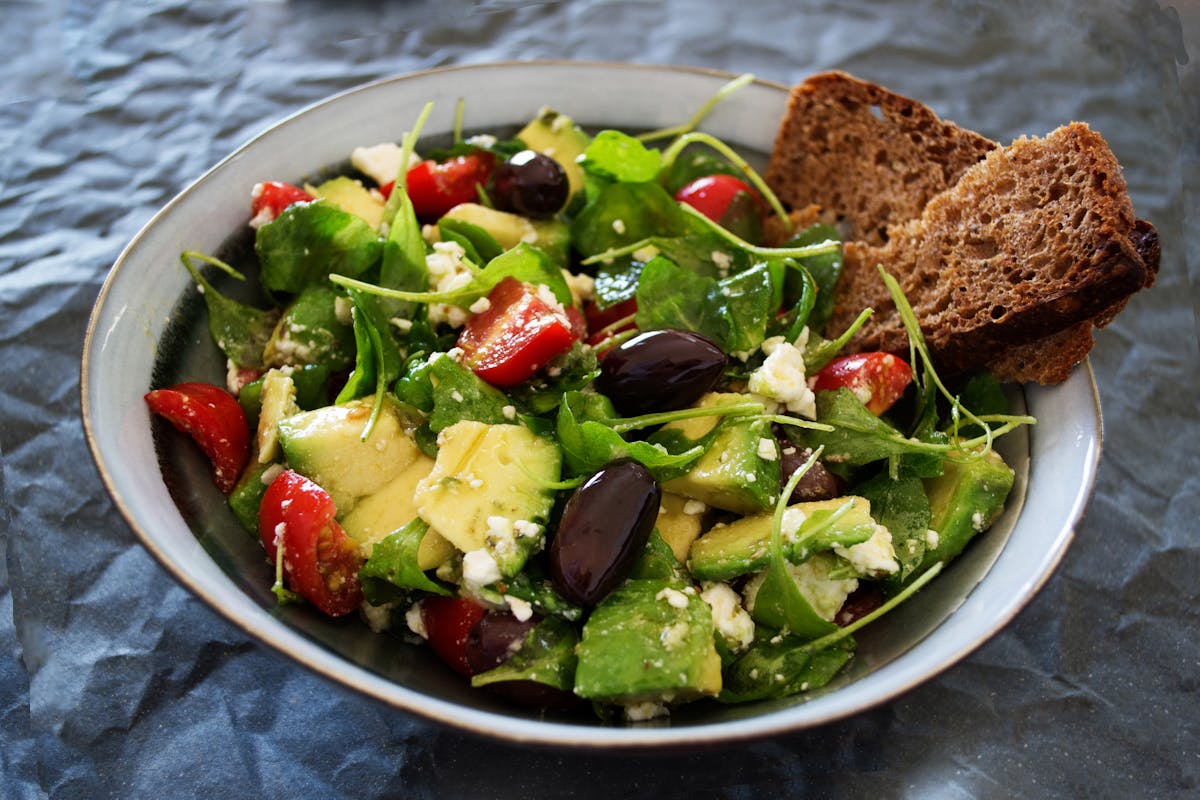
6. Assemble Your Longevity Bowls
- Divide the warm brown rice among 4 wide bowls, about 3/4 to 1 cup per person.
- Spoon the roasted miso vegetables over one-third of each bowl.
- Add a generous spoonful of chickpeas and a handful of tofu (and fish, if using) to another third.
- Fan the fresh cucumber, carrot ribbons, and spring onions over the remaining space for a burst of color and crunch.
- Drizzle 1–2 tablespoons of the lemon–sesame dressing over each bowl.
- Finish with sesame seeds, herbs, and nori strips. Sit down, breathe, and enjoy slowly.

Flavor, Texture & Sensory Notes
This bowl is all about contrast and harmony. The first bite gives you the gentle sweetness of roasted sweet potato, the mellow smokiness of eggplant, and the lightly charred edges of red pepper, all wrapped in savory miso and soy.
The brown rice underneath is warm and nutty, with just enough chew to feel grounding. Crisp-edged tofu offers a satisfying, almost crouton-like bite, while creamy chickpeas and cool cucumber slices soften everything out. Bright lemon and toasty sesame perfume each spoonful, and the herbs release their aroma as they meet the warmth of the bowl.
Eat it slowly—notice how the flavors linger, how the textures shift from soft to crunchy. This kind of mindful eating is quietly woven through many long-lived cultures, and you can feel it here.
Variations, Substitutions & Dietary Adaptations
Seasonal Twists
- Spring: Add asparagus, peas, or fava beans, and finish with lots of fresh herbs and lemon zest.
- Summer: Use cherry tomatoes, zucchini, and grilled corn; swap lemon for yuzu or lime.
- Autumn: Roast pumpkin, kabocha squash, and mushrooms with the miso mixture.
- Winter: Add cabbage wedges, carrots, and daikon, and warm the dressing slightly before drizzling.
Protein Alternatives
- Tempeh: Marinate tempeh slices in soy sauce, garlic, and a bit of olive oil, then pan-sear.
- Beans: Swap chickpeas for lentils, cannellini beans, or black beans for a different regional twist.
- Egg: For ovo-vegetarian eaters, a soft-boiled egg on top (with a just-set white and jammy yolk) is lovely.
Carb & Gluten Adjustments
- Lower-carb: Replace half the rice with finely chopped, sautéed cauliflower “rice.”
- Gluten-free: Use rice, quinoa, or millet and certified gluten-free miso and tamari.
- Higher-energy: For very active days, add a side of whole-grain sourdough or an extra scoop of rice.
Storage, Meal Prep & Reheating
This bowl is wonderfully meal-prep friendly, which makes staying close to a Mediterranean–Japanese, Blue Zone-inspired pattern much easier during busy weeks.
Refrigeration
- Rice: Cool completely, then store in an airtight container for up to 4 days.
- Roasted vegetables: Keep in a separate container in the fridge for 3–4 days.
- Tofu (and fish, if using): Refrigerate in a sealed container for up to 3 days.
- Dressing: Store in a jar in the fridge for 4–5 days; shake before using.
- Fresh toppings: Keep cucumber, carrot, and herbs in separate containers with a paper towel to absorb moisture; use within 2–3 days.
Reheating
- Stovetop: Reheat rice and roasted vegetables together in a covered pan over low heat with a splash of water until warmed through.
- Microwave: Place rice and vegetables in a microwave-safe bowl, cover loosely, and heat in short bursts, stirring once or twice.
- Tofu/fish: Add them near the end of reheating so they warm without drying out.
Assemble bowls just before eating: warm components on the bottom, cold crisp toppings and dressing added at the very end to preserve their freshness and snap.
Serving Suggestions & Complementary Dishes
In Blue Zone cultures, meals often arrive as simple combinations of small dishes rather than a single enormous plate. You can echo that spirit here:
- Serve the bowl with a small side of light miso soup filled with seaweed and seasonal greens.
- Add a plate of olive oil–marinated beans or simple tomato and cucumber salad drizzled with extra-virgin olive oil and herbs.
- Offer a small dish of fermented vegetables—Japanese-style pickles, sauerkraut, or kimchi—for extra tang and probiotics.
- For a gentle treat, finish with a piece of seasonal fruit and a cup of green tea or herbal tea.
However you serve it, try to make the meal unhurried. Sit with friends or family if you can, or simply with a good book and a calm mind. That relaxed context is as much a part of longevity as the rice in your bowl.
Recipe Structured Data (SEO)
This structured data helps search engines understand your Mediterranean–Japanese Blue Zone bowl recipe, making it easier for other home cooks to discover nourishing, longevity-inspired meals.
