
Gut-Health Superfoods 2.0: How Ferments, Polyphenols & Microbiome Meals Transform Your Plate
Gut-Health Superfoods 2.0: Ferments, Polyphenols & Microbiome Meals
Gut-health superfoods have grown up. We’ve moved beyond vague “probiotic yogurt” hype into a colorful, research-informed world of fermented vegetables, polyphenol-rich plants, and fiber-packed “microbiome meals.” This evolution is driven by microbiome science, creator-friendly recipes, and a growing crowd of home cooks who want food that makes their bellies happy and their plates beautiful.
In this guide, we’ll explore why ferments and polyphenols are trending again, what “fiber diversity” really means, and how to build an easy, nourishing Gut-Health Microbiome Bowl at home—complete with crunchy kimchi, creamy beans, and jewel-toned veggies. Think of it as a love letter to your gut, in the form of an everyday meal.

Why Gut-Health Superfoods 2.0 Are Everywhere
Microbiome talk has slipped from research labs into our kitchens and social feeds. Instead of generic “healthy eating,” we’re seeing short videos about kimchi benefits, fermented foods, and “what I eat in a day for gut health.” There are a few big reasons this wave is surging:
- Popular-science books and podcasts: Microbiome researchers and physicians now appear regularly on health podcasts and YouTube shows, connecting gut health with mood, immunity, and metabolic health.
- Easy, aesthetic content: Think neon-orange kimchi, deep purple berries, and jewel-toned fermented veggies in glass jars—perfect for short-form videos and Reels.
- Real-life gut struggles: Many people dealing with bloating, IBS-like symptoms, or fatigue feel brushed off in conventional care, so they experiment with gut-focused meals at home.
The best part is that this trend nudges us toward more whole, plant-based, nutrient-dense foods, while leaving plenty of room for pleasure and creativity on the plate.
The new gut-health mantra isn’t just “take a probiotic”—it’s “feed your microbiome with real, diverse foods.”
The Core of Gut-Health Superfoods 2.0
Today’s gut-health recipes focus on four main pillars: fermented foods, polyphenol-rich plants, fiber diversity, and resistant starch. Together, they create what many creators call “microbiome meals.”
1. Fermented Foods: Live Cultures, Big Flavor
Fermentation is one of the oldest ways humans have preserved food—and it just happens to make our microbes very happy. Popular ferments include:
- Kimchi and sauerkraut
- Miso, tempeh, and natto
- Yogurt and kefir
- Kombucha and other naturally fermented drinks
These foods contain live bacteria (and sometimes yeasts) that can help support microbial diversity in the gut. On the plate, they add brightness, tang, and that addictive savory note we call umami.

2. Polyphenol-Rich Plants: Colorful Fuel for Your Microbes
Polyphenols are plant compounds that act as antioxidants in the body and as “snacks” for beneficial bacteria in the gut. You’ll find them in:
- Berries (blueberries, raspberries, blackberries)
- High-cocoa dark chocolate
- Green tea and coffee
- Extra-virgin olive oil
- Herbs and spices like oregano, rosemary, turmeric, and cinnamon
These foods don’t just taste luxurious—think bitter chocolate, floral tea, grassy olive oil—they also help shape a more resilient, diverse microbiome.
3. Fiber Diversity: 20–30 Plants per Week
Instead of just “get more fiber,” the new message is “eat 20–30 different plant foods a week.” Each plant offers slightly different fibers and phytochemicals, and your microbes thrive on variety.
Build your count from:
- Beans and lentils
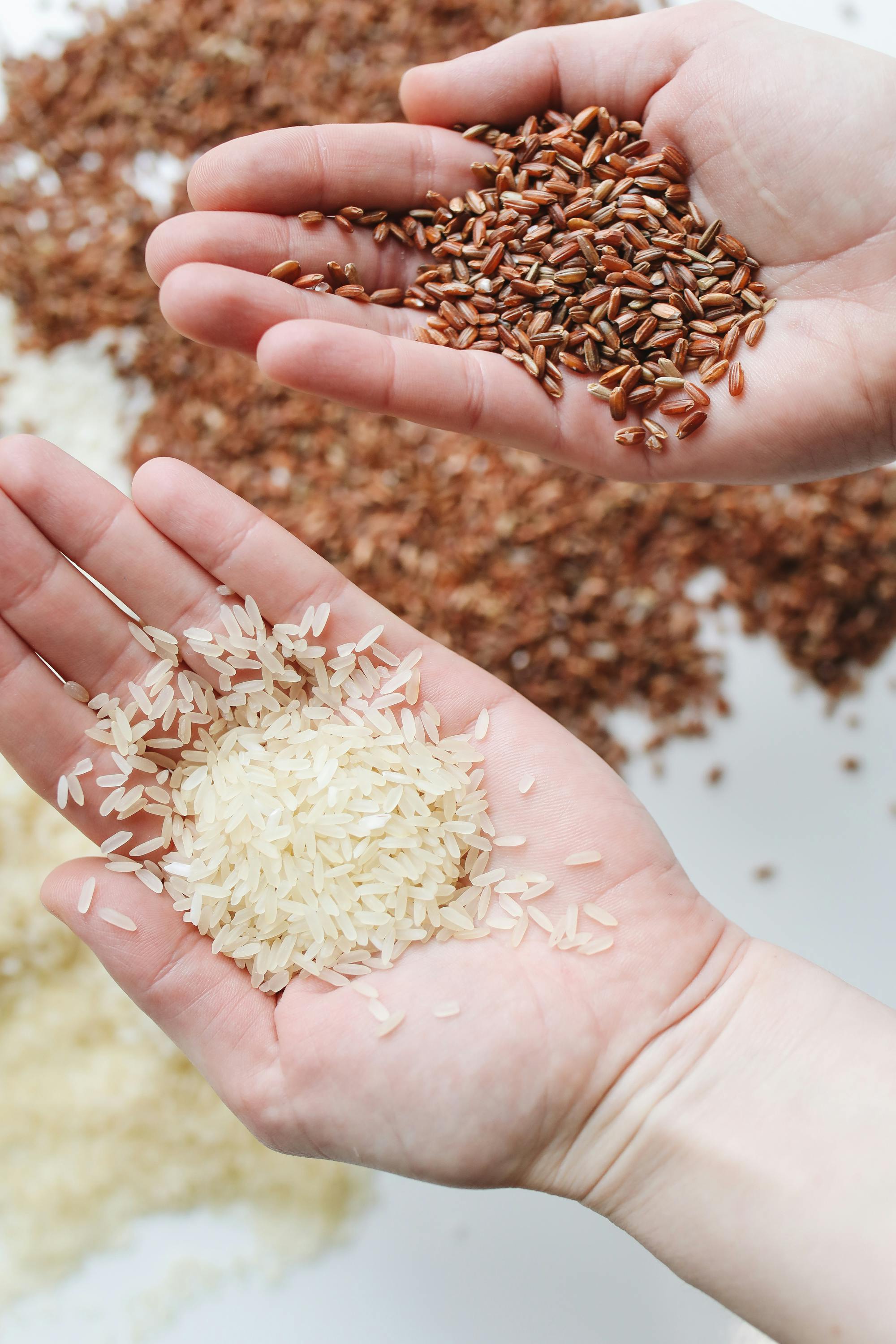
- Whole grains like oats, brown rice, quinoa, and barley
- Nuts and seeds (walnuts, flax, chia, pumpkin seeds)
- Fruits and vegetables of many colors
- Herbs and spices (yes, they count!)
4. Resistant Starch: Slow Fuel for Butyrate Producers
Resistant starch is a type of carbohydrate that resists digestion in the small intestine and becomes food for beneficial bacteria in the large intestine. It is linked to increased production of butyrate, a short-chain fatty acid that supports gut lining health.
You’ll find resistant starch in:
- Cooked and cooled potatoes, rice, and oats
- Green (unripe) bananas and plantains
- Some legumes and whole grains
Claimed Benefits, Evidence & Cautions
While research is ongoing, a growing body of evidence suggests that fermented foods, polyphenols, and diverse fibers may support:
- More regular bowel movements and improved digestion
- Reductions in bloating for some people (though it can worsen temporarily for others)
- Support for mood and stress resilience via the gut–brain axis
- Better metabolic health markers in some studies
It’s important to keep claims grounded. No single food will “fix your depression” or “heal every gut issue.” Individual responses vary, and underlying conditions matter.
Recipe: Everyday Gut-Health Microbiome Bowl
Let’s put all this science into a bowl you’ll crave on a Tuesday night. This Everyday Gut-Health Microbiome Bowl layers hearty whole grains, creamy beans, crunchy raw vegetables, tangy fermented cabbage, and a silky polyphenol-rich dressing. It’s flexible, deeply satisfying, and designed to give your microbes a little party.
The recipe is naturally vegetarian, easy to make fully vegan, and can be adapted for gluten-free eaters. Think of it as a template: once you get the blueprint down, you can riff with whatever you have in the pantry and fridge.
Everyday Gut-Health Microbiome Bowl Recipe
Quick Summary
- Prep time: 20 minutes
- Cook time: 25 minutes (for grains)
- Total time: 45 minutes
- Serves: 2 bowls
- Difficulty: Easy
- Dietary: Vegetarian, easily vegan, high-fiber, gut-friendly
Equipment You’ll Need
- Medium saucepan with lid (for cooking grains)
- Cutting board and sharp knife
- Small bowl or jar for dressing
- Whisk or fork
- Grater or julienne peeler (for carrot)
- 2 serving bowls
Ingredients
For the bowl:
- 1 cup (190 g) cooked and cooled brown rice or quinoa
- 1 cup (165 g) cooked chickpeas or other beans, rinsed and drained
- 1/2 cup (75 g) kimchi or sauerkraut, with some brine
- 1 small carrot, grated or cut into matchsticks
- 1/2 cup (50 g) shredded red cabbage or lettuce
- 1/2 small cucumber, sliced
- 1/2 avocado, sliced (optional but luxurious)
- 2 tbsp mixed seeds (e.g., pumpkin, sunflower, sesame)
- 2 tbsp chopped fresh herbs (parsley, cilantro, or mint)
For the polyphenol-rich dressing:
- 2 tbsp extra-virgin olive oil
- 1 tbsp tahini
- 1 tbsp lemon juice or apple cider vinegar
- 1 tsp tamari or soy sauce (gluten-free if needed)
- 1 tsp honey or maple syrup (optional, for balance)
- 1 small garlic clove, finely grated (optional)
- Freshly ground black pepper, to taste
- Pinch of sea salt, to taste
Step-by-Step Instructions
- Cook and cool your grain.
Cook brown rice or quinoa according to package instructions. When done, spread it on a plate or shallow dish to cool for at least 15–20 minutes. This cooling step encourages the formation of resistant starch, which your gut microbes adore.
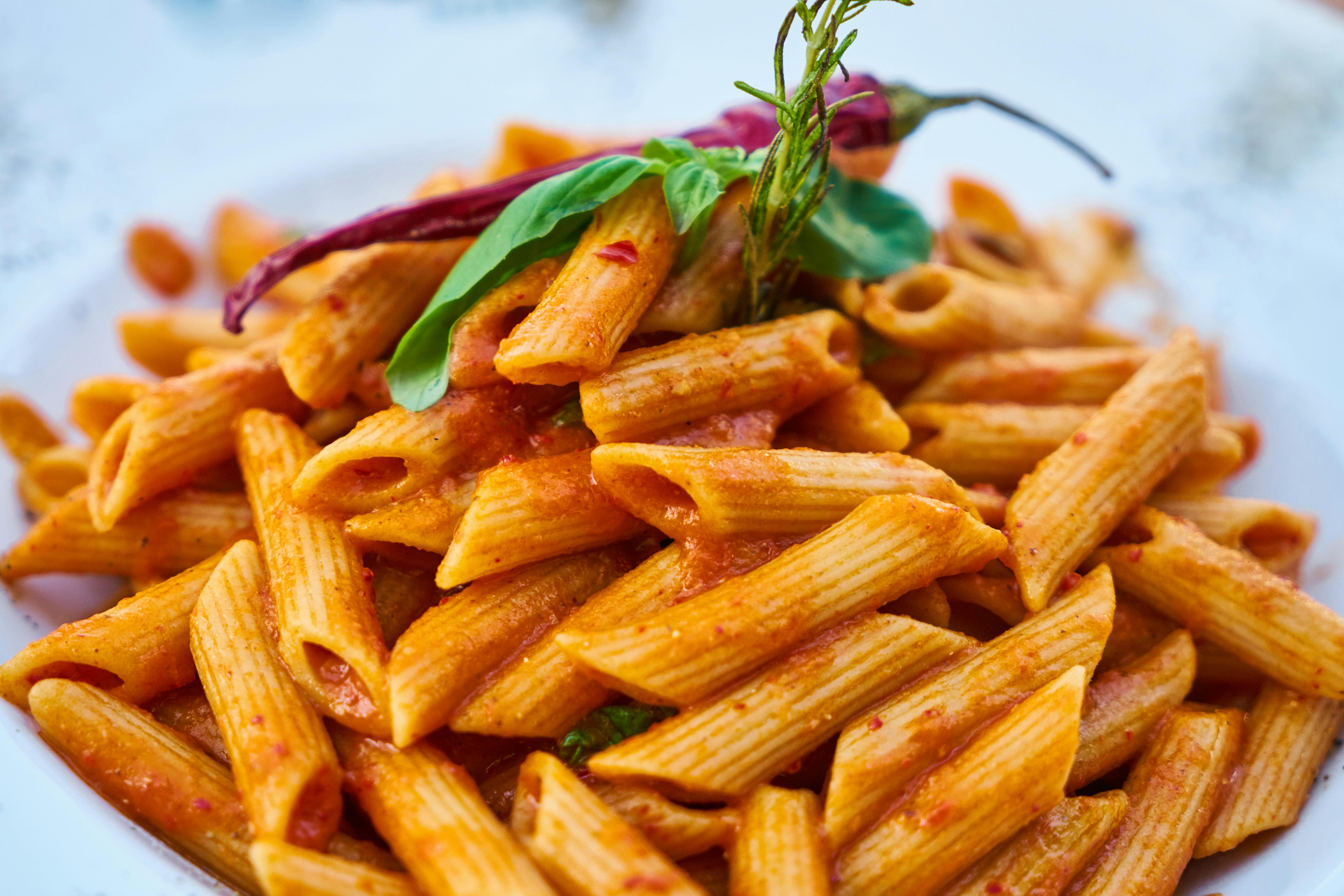
Cooling cooked grains helps increase resistant starch, giving your microbes more to munch on. - Prep the vegetables and toppings.
While the grains cool, grate the carrot, shred the cabbage or lettuce, and slice the cucumber and avocado. Roughly chop your herbs. Drain and rinse the beans if using canned, then pat dry.
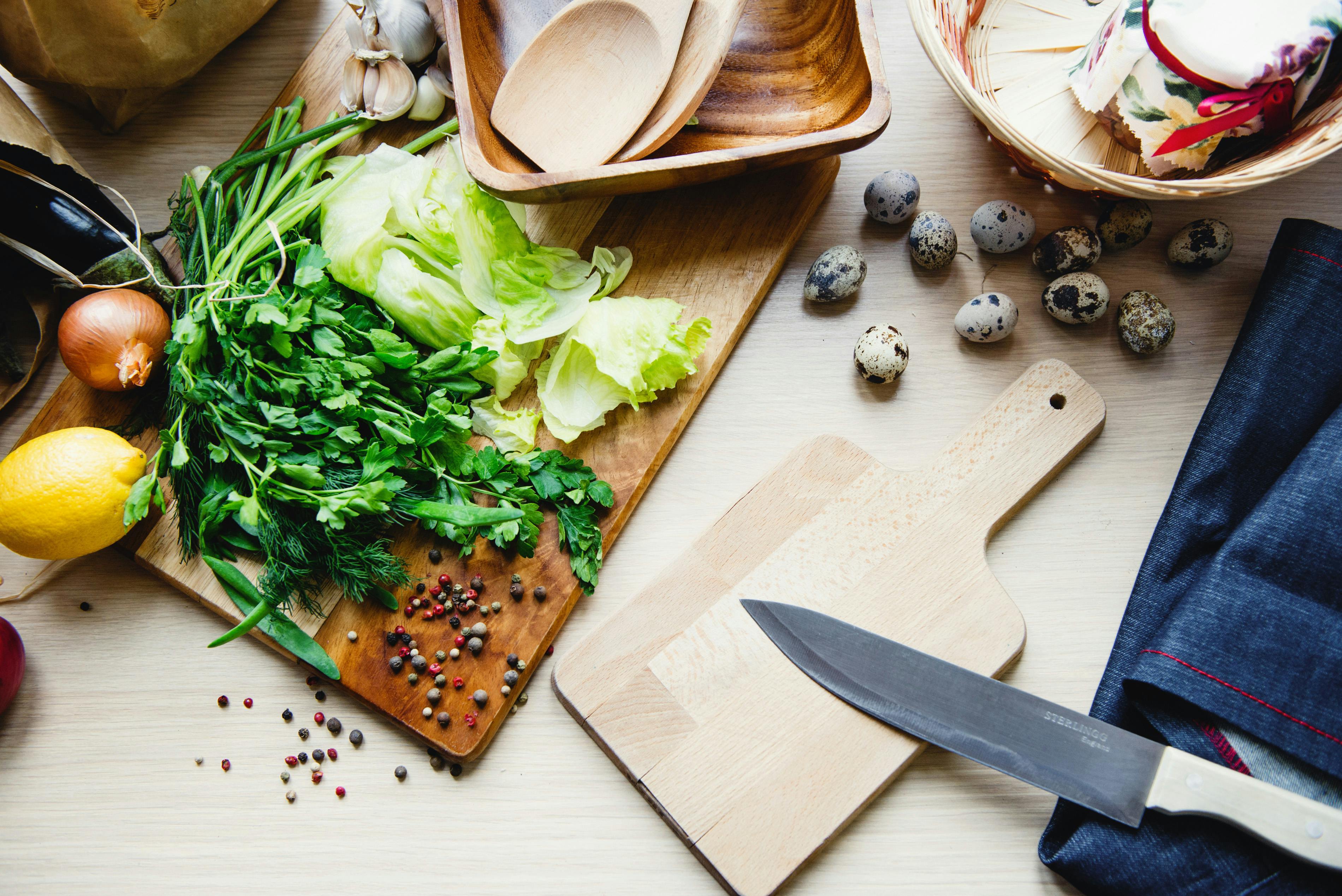
A rainbow of chopped vegetables adds fiber diversity, crunch, and flavor to your microbiome bowl. - Make the olive oil–tahini dressing.
In a small bowl or jar, whisk together olive oil, tahini, lemon juice or vinegar, tamari, and honey or maple (if using). Add grated garlic, a pinch of salt, and black pepper. Whisk until creamy and emulsified, loosening with a teaspoon of water if it’s too thick.
- Assemble your microbiome bowls.
Divide the cooled grains between two bowls. Arrange chickpeas, carrot, cabbage, cucumber, and avocado in separate sections on top, leaving a space for your kimchi or sauerkraut.

Layer grains, beans, and veggies in sections for a visually striking and nutritionally diverse bowl. - Add the ferments and crunchy toppings.
Spoon kimchi or sauerkraut into each bowl. Sprinkle generously with mixed seeds and fresh herbs. If you like, drizzle a teaspoon of the kimchi or sauerkraut brine over the grains for extra tang and live cultures.
- Dress, taste, and adjust.
Drizzle each bowl with the dressing. Taste a bite with a bit of everything—grain, bean, veg, and ferment. Add more lemon juice, a pinch of salt, or extra kimchi if you want more brightness or heat. Eat slowly, enjoying the contrast of warm-and-cool, creamy-and-crunchy, tangy-and-earthy in every mouthful.
Ingredient Swaps, Variations & Dietary Adaptations
Dietary-Friendly Swaps
- Vegan: Use maple syrup instead of honey. Everything else is already plant-based.
- Gluten-free: Choose quinoa, brown rice, or certified gluten-free oats; use tamari instead of soy sauce.
- Lower-FODMAP friendly (individual tolerance varies): Use smaller portions of beans (or swap for firm tofu), skip garlic in the dressing, and start with a small spoon of ferment to test your reaction.
Flavor Variations
- Mediterranean Microbiome Bowl: Use olives, cherry tomatoes, cucumber, parsley, and sauerkraut, with extra oregano in the dressing.
- Spicy Kimchi Bowl: Double the kimchi, add roasted sweet potato, and sprinkle with toasted sesame seeds and sliced green onion.
- Berry Breakfast Bowl: Swap chickpeas for yogurt or kefir, add mixed berries and ground flax, and use a drizzle of olive oil plus a spoon of nut butter instead of tahini dressing.
Storage, Meal Prep & Reheating Tips
This microbiome bowl is ideal for weekly meal prep if you store components separately.
- Grains: Keep cooked and cooled grains in an airtight container in the fridge for up to 4 days. Reheat gently or enjoy cold.
- Beans: Store cooked beans in a lidded container in the fridge for 3–4 days. Rinse briefly if they become slimy, and discard if they smell off.
- Chopped veggies: Store carrots and cabbage in separate containers lined with a paper towel for 3–4 days. Slice cucumber and avocado fresh, if possible, to preserve texture.
- Dressing: Keeps in a jar in the fridge for up to 5 days. It may thicken; loosen with a splash of water or lemon juice and whisk.
- Ferments: Store kimchi or sauerkraut in the fridge in their brine; they can last for weeks to months depending on the product. Always use a clean utensil.
For the best texture, assemble just before eating. If you prefer a warm bowl, gently reheat just the grains and beans, then add the fresh veg and ferments cold on top.
Serving Ideas & Complementary Gut-Health Dishes
Turn your microbiome bowl into a full gut-friendly menu by pairing it with:
- A small glass of kombucha or unsweetened herbal infusion instead of soda.
- A polyphenol-rich dessert like a square of dark chocolate with a handful of berries.
- A simple green salad with mixed leaves, olive oil, and lemon to boost your plant-count for the week.
Beyond bowls, you can weave gut-health superfoods into daily life with overnight oats, chia puddings, and small sides of fermented veggies at lunch and dinner. The goal is consistency and variety, not perfection.
Bringing Gut-Health Superfoods into Your Everyday Kitchen
Gut-Health Superfoods 2.0 is less about strict rules and more about joyful patterns: a spoonful of kimchi here, a handful of berries there, a weekly habit of counting how many plants made it into your meals. With a simple microbiome bowl blueprint in your back pocket, it becomes easy—and delicious—to feed both yourself and your microbes well.
Start small: add one fermented food you genuinely enjoy, experiment with a new grain or bean, and aim to try at least one new plant each week. Your gut, your tastebuds, and your future self will all be cheering you on.
