
Mediterranean Diet 2.0: The Tasty Longevity Trend Inspired by Blue Zones
The Mediterranean Diet 2.0: Longevity, Blue Zones & Heart‑Healthy Eating
The Mediterranean Diet 2.0 is the classic Mediterranean way of eating, refreshed for a new era of longevity science, Blue Zones storytelling, and evidence‑based nutrition creators. It’s still all about vegetables, fruits, whole grains, beans, lentils, nuts, seeds, olive oil, herbs, and modest amounts of fish and fermented dairy—but now framed as a practical, sustainable “live longer, feel better” pattern rather than just another weight‑loss plan.
On TikTok, YouTube, Instagram, and podcasts, doctors and dietitians are connecting the dots between this delicious, olive‑oil‑kissed cuisine and lower inflammation, healthier cholesterol, steadier blood sugar, and even sharper brains as we age. At the same time, home cooks are reinventing the Mediterranean diet to fit Mexican, Asian, and even fast‑food‑inspired flavors, proving you don’t have to grow up on the shores of the Aegean Sea to eat in a Mediterranean‑aligned way.
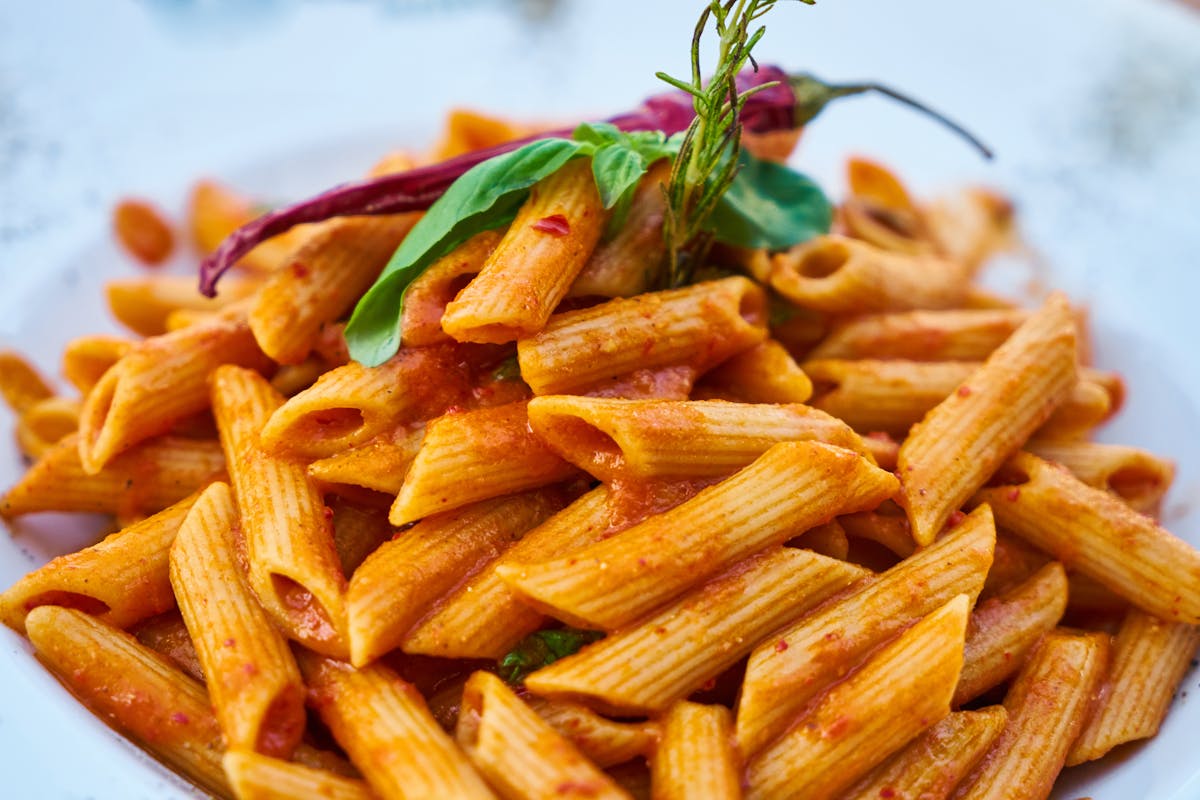
Why Mediterranean‑Style Eating Is Trending Again
Interest in Mediterranean‑style eating is climbing in 2025–2026, driven by a mix of scientific credibility and social‑media‑friendly storytelling. Unlike fad diets that burn bright and disappear, the Mediterranean diet has decades of solid clinical research behind it—especially for heart and metabolic health—so it feels like a safe place to land after “diet fatigue.”
Many people are rebounding from highly restrictive patterns: extreme low‑carb, ultra‑low‑fat, or hyper‑processed meal‑replacement plans. The Mediterranean approach is refreshing because it:
- Allows bread, pasta, and grains—emphasizing whole, minimally processed versions.
- Encourages generous use of flavorful, healthy fats like extra‑virgin olive oil and nuts.
- Focuses on what to add (vegetables, beans, herbs) rather than on endless “don’ts.”
- Fits omnivores, flexitarians, and many plant‑forward eaters.
Instead of chasing a 30‑day fix, Mediterranean Diet 2.0 is about building a way of eating you could happily follow for 30 years.
Blue Zones, Longevity Stories & the Mediterranean Diet 2.0 Narrative
A huge catalyst behind the Mediterranean Diet 2.0 wave is the renewed fascination with Blue Zones—regions of the world where people routinely live to 90 and beyond with lower rates of chronic disease. Documentaries, books, and podcasts dive into how residents of parts of Italy, Greece, and other regions eat, move, and live.
While each Blue Zone has its own culture, their eating patterns echo Mediterranean principles:
- Plant‑heavy plates packed with seasonal vegetables and legumes.
- Minimal ultra‑processed foods and sugary drinks.
- Olive oil and nuts as primary fat sources.
- Small, occasional portions of fish, eggs, or meat.
- Fermented foods and traditional breads or whole grains.
On long‑form YouTube podcasts, physicians and nutrition scientists unpack the “why”: lower chronic inflammation, improved blood lipids, diverse gut microbiota, and better glycemic control. Then, short clips with practical takeaways go viral on TikTok, Instagram Reels, and X, making longevity feel less like a lofty goal and more like a series of doable, tasty choices.
Heart, Metabolism & Brain: What the Science Says
The Mediterranean diet isn’t just trending—it’s one of the most studied eating patterns in modern nutrition science. Across decades of trials and cohort studies, Mediterranean‑style eating has consistently been linked with:
- Better cardiovascular health: improved LDL and HDL levels, lower triglycerides, and reduced risk of heart attack and stroke.
- Metabolic benefits: improved insulin sensitivity and lower risk of type 2 diabetes.
- Reduced inflammation: thanks to antioxidant‑rich vegetables, fruits, herbs, and extra‑virgin olive oil.
- Brain health and cognition: emerging data suggests slower cognitive decline and reduced risk of dementia‑related conditions when combined with overall healthy lifestyle habits.
Creators often explain how key staples contribute:
- Olive oil supplies monounsaturated fats and polyphenols that support heart and vessel health.
- Nuts and seeds deliver fiber, healthy fats, and micronutrients like magnesium.
- Legumes and whole grains help stabilize blood sugar and boost beneficial gut bacteria.
- Colorful produce brings carotenoids, flavonoids, and vitamin C—important for cellular protection.
Mediterranean Diet 2.0 on Social Media: From Grocery Hauls to 7‑Day Meal Plans
On social platforms, Mediterranean Diet 2.0 has its own recognizable content ecosystem. Instead of rigid “what I eat in a day” clips featuring expensive supplements and powders, you’ll often see:
- “Mediterranean grocery haul” videos walking through olives, canned beans, herbs, and frozen vegetables.
- “Mediterranean breakfast ideas” tailored for heart health and blood sugar balance.
- “7‑day Mediterranean meal plan” series that highlight batch cooking and leftovers.
- Budget‑friendly content showing how to build bowls and trays from canned fish, bulk lentils, and store‑brand olive oil.
Nutrition creators also emphasize fiber and healthy‑fat targets. You’ll often hear advice such as “aim for 25–35 g of fiber per day” and “include a source of healthy fat at each meal”—then see it in action as they drizzle olive oil over roasted vegetables or sprinkle walnuts onto yogurt.
Flexible & Culturally Adaptable: Mediterranean Principles for Any Cuisine
One of the most appealing aspects of Mediterranean Diet 2.0 is how flexibly its core principles can be woven into different food cultures. Instead of prescribing a narrow set of “allowed” dishes, it focuses on a pattern:
- Fill most of your plate with vegetables, legumes, and whole grains.
- Use extra‑virgin olive oil as your main culinary fat when possible.
- Include nuts, seeds, and herbs daily for flavor and micronutrients.
- Enjoy fish and fermented dairy in moderate amounts, if they fit your diet.
- Limit ultra‑processed foods, sugary drinks, and heavily refined snacks.
Creators show how to apply these guidelines far beyond the Mediterranean coast:
- Mediterranean‑style Mexican bowl: black beans, brown rice, grilled peppers and onions, pico de gallo, avocado, a drizzle of olive oil, and plenty of cilantro.
- Mediterranean‑inspired Asian stir‑fry: broccoli, snow peas, carrots, tofu or shrimp, cooked in olive oil with garlic and ginger, topped with sesame seeds and herbs.
- Mediterranean‑aligned “fast food” plate: whole‑grain pita, hummus, a big side salad, canned tuna in olive oil, and crisp raw veggies.
This flexibility keeps the diet fresh, enjoyable, and respectful of cultural food traditions—a crucial ingredient in long‑term adherence.
Recipe: Mediterranean Diet 2.0 Longevity Bowl (Vegan‑Friendly)
To bring all of these ideas into your own kitchen, here’s a heart‑healthy Mediterranean Longevity Bowl you can customize with whatever you have on hand. It’s rich in fiber, healthy fats, and plant protein—and it tastes like a sunny lunch on a Greek island, even if you’re eating at your desk.
Quick Recipe Summary
Equipment
- Medium saucepan with lid (for grains)
- Baking tray or sheet pan (for roasting vegetables)
- Mixing bowl (for dressing)
- Sharp knife and cutting board
- Colander (for rinsing beans and vegetables)
Ingredients
For the bowl
- 1 cup cooked whole grain (e.g., farro, brown rice, or quinoa)
- 1 cup cooked chickpeas (or 1 can, 400 g, drained and rinsed)
- 1 small red bell pepper, diced
- 1 small zucchini, chopped into half‑moons
- 1 small red onion, sliced into thin wedges
- 1 cup cherry tomatoes, halved
- 1 small cucumber, diced
- 2 tablespoons pitted olives, sliced (Kalamata or similar)
- 2 tablespoons toasted nuts or seeds (walnuts, almonds, or sunflower seeds)
- Fresh herbs: small handful of parsley and/or mint, roughly chopped
For the lemon‑herb olive oil dressing
- 3 tablespoons extra‑virgin olive oil
- 2 tablespoons freshly squeezed lemon juice
- 1 small garlic clove, finely minced or grated
- 1 teaspoon dried oregano (or 1 tablespoon fresh, finely chopped)
- 1/2 teaspoon Dijon mustard (optional, for creaminess)
- 1/4 teaspoon sea salt, plus more to taste
- Freshly ground black pepper, to taste
Optional add‑ons (Mediterranean Diet 2.0 style)
- 2–4 tablespoons crumbled feta or plant‑based feta‑style cheese
- 1 can (100–120 g) of tuna or sardines packed in olive oil (for extra omega‑3s)
- 1/2 avocado, sliced
- Handful of leafy greens (arugula, baby spinach, or mixed salad greens)
Step‑by‑Step Instructions
Cook the grain base.
Rinse your chosen whole grain under cool water. Cook according to package directions in lightly salted water until tender but not mushy. Fluff with a fork and let it cool slightly so it doesn’t wilt your fresh vegetables.Prep and roast the vegetables.
Preheat the oven to about 200 °C (400 °F). Toss the bell pepper, zucchini, and red onion with 1 tablespoon of olive oil (from the total), a pinch of salt, and pepper. Spread on a baking tray and roast for 15–20 minutes, stirring once, until edges are golden and vegetables are lightly caramelized.
Roasting vegetables concentrates their sweetness and gives the bowl a cozy, comforting flavor. Chop the fresh elements.
While the vegetables roast, dice the cucumber, halve the cherry tomatoes, slice the olives, and roughly chop the herbs. Drain and rinse the chickpeas if using canned.Whisk the lemon‑herb dressing.
In a small bowl or jar, whisk together the extra‑virgin olive oil, lemon juice, minced garlic, dried oregano, Dijon mustard (if using), salt, and pepper until slightly thickened and fragrant. Taste and adjust: more lemon for brightness, more olive oil for silkiness, more salt for punch.Assemble the bowls.
Divide the cooked grain between two bowls. Arrange the roasted vegetables, chickpeas, cucumber, tomatoes, and olives on top in colorful sections. Sprinkle over the toasted nuts or seeds and chopped herbs. Add any optional toppings like feta, tuna, or avocado.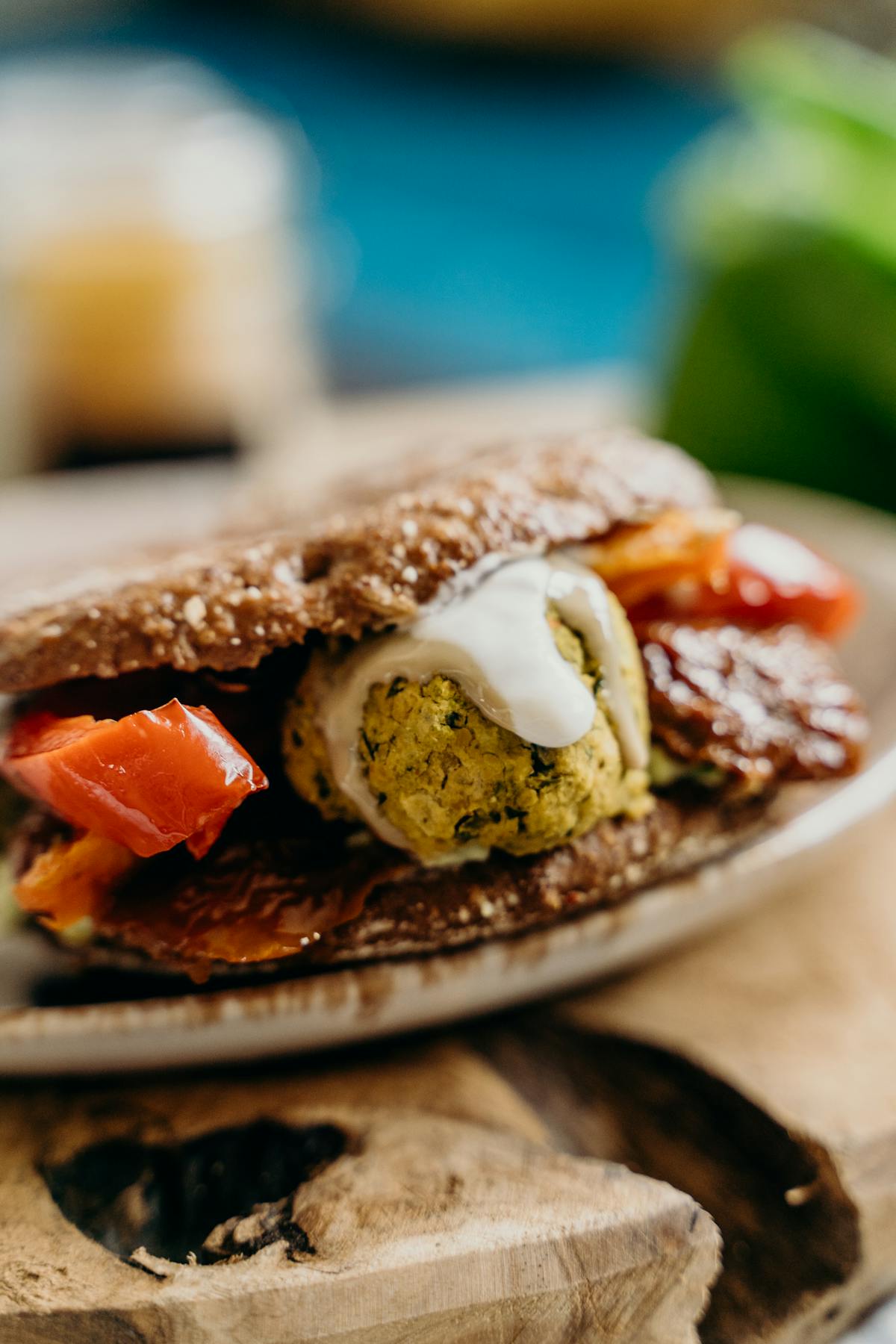
Arrange ingredients in sections to showcase color and texture—eating with your eyes is part of the joy. Dress and finish.
Spoon the lemon‑herb dressing generously over each bowl. Let the bowls sit for 5 minutes so the warm grains and vegetables soak up some of the dressing. Taste again and finish with an extra twist of black pepper or another drizzle of olive oil if desired.
The result is a bowl that’s bright, tangy, and deeply satisfying—the creaminess of olive oil, the snap of fresh vegetables, the gentle chew of whole grains, and the nutty crunch of seeds in every bite.
Substitutions & Dietary Adaptations
- Gluten‑free: Use quinoa, brown rice, buckwheat, or gluten‑free millet instead of farro or wheat‑based grains.
- Fully vegan: Skip feta or use a plant‑based version; rely on chickpeas, nuts, and seeds for protein.
- Higher protein: Add grilled salmon, sardines, or tuna for omega‑3s; or toss in extra chickpeas or lentils.
- Lower sodium: Rinse canned beans thoroughly, use low‑sodium olives, and salt the dressing lightly, balancing flavor with herbs and lemon.
- Seasonal swaps: In winter, roast root vegetables (carrots, sweet potatoes); in summer, lean on raw tomatoes, cucumbers, and fresh herbs.
Storage & Reheating
- Refrigeration: Store components in airtight containers in the fridge for up to 3–4 days. Keep dressing separate for best texture.
- Make‑ahead tip: Batch cook the grains and roasted vegetables on Sunday; assemble fresh with greens, herbs, and dressing during the week.
- Reheating: Warm grains and roasted vegetables briefly in a pan or microwave until just warm, then add fresh vegetables and dressing to keep everything bright and crisp.
Serving Suggestions & Complementary Dishes
To turn this Mediterranean Longevity Bowl into a full Mediterranean Diet 2.0 meal, pair it with:
- A small bowl of plain yogurt with chopped cucumber, garlic, and mint (or a plant‑based yogurt dip).
- A slice of whole‑grain sourdough or whole‑wheat pita, lightly toasted and brushed with olive oil.
- A simple side salad of leafy greens, dressed with olive oil, lemon, and herbs.
- Fresh fruit for dessert—especially berries, citrus, or ripe stone fruit when in season.
Mediterranean Diet 2.0: Key Takeaways for Home Cooks
At its heart, Mediterranean Diet 2.0 is about building a way of eating that is joyful, flexible, and sustainable. You don’t need perfect ingredients, an ocean view, or hours in the kitchen. A few simple habits—like cooking with olive oil, piling vegetables onto every plate, and keeping beans and whole grains in your pantry—can move you steadily toward a more Mediterranean, longevity‑supporting pattern.
- Think in patterns, not perfection: most meals plant‑forward, minimally processed, richly flavored.
- Use social media as inspiration, not a rulebook—adapt ideas to your budget and culture.
- Focus on small daily shifts: an extra drizzle of olive oil, an extra scoop of beans, a handful more greens.
Your kitchen can absolutely be a Blue‑Zone‑inspired space, no matter where you live. Start with one Mediterranean Longevity Bowl this week, and let your own Mediterranean Diet 2.0 journey unfold, one delicious bite at a time.
