
High‑Protein Everything: How Cottage Cheese Bowls and Protein‑Packed Staples Took Over Our Kitchens
High‑Protein Everything: From Cottage Cheese Bowls to Protein‑Fortified Staples
High‑protein eating is having a delicious makeover. Instead of being locked inside bodybuilding forums and gym locker rooms, the trend has spilled into everyday kitchens and grocery carts. Now it’s all about protein‑packed versions of daily staples— from cottage cheese bowls and Greek yogurt parfaits to high‑protein breads, pastas, cereals, and even ice creams.
This shift is driven by a growing awareness that protein protects our muscles, metabolism, and long‑term health, especially during weight loss or as we age. Add in social media buzz around GLP‑1 medications, “30g protein breakfasts,” and aesthetic goals like a “toned” look, and you get a full‑blown high‑protein movement that touches nearly every aisle of the supermarket.
Below, you’ll find an easy, customizable recipe for a High‑Protein Cottage Cheese Power Bowl plus a deep dive into the trend: why it’s booming, what to watch for on labels, and how to build a high‑protein day using mostly whole foods.

High‑Protein Cottage Cheese Power Bowl (Base Recipe)
A creamy, endlessly customizable high‑protein bowl built on cottage cheese, with options for sweet, savory, vegetarian, and higher‑fiber twists. Perfect for a 25–35g protein breakfast or snack, and gentle on smaller GLP‑1 appetites.
Ingredients for the High‑Protein Cottage Cheese Power Bowl
The beauty of this recipe is how forgiving it is. Start with the protein‑rich base, then add toppings depending on whether you’re in the mood for something sweet and dessert‑like or savory and brunchy.
Base (Protein Foundation)
- 1 cup (225 g) 2% or 4% cottage cheese (or lactose‑free cottage cheese)
- 1–2 tablespoons (15–30 ml) milk or water, optional, to loosen if blending
- 1 scoop (20–25 g protein) unflavored or vanilla protein powder (whey, casein, or plant‑based), optional for extra protein
- Pinch of fine sea salt (enhances flavor, even in sweet versions)
Sweet “Cheesecake Bowl” Variation
- ½–1 teaspoon vanilla extract
- 1–2 teaspoons honey, maple syrup, or calorie‑free sweetener, to taste
- ½ cup (75 g) mixed berries (strawberries, blueberries, raspberries)
- 2 tablespoons (15 g) granola or high‑protein cereal
- 1 tablespoon (10 g) chopped nuts (almonds, walnuts, pistachios)
- 1 teaspoon chia seeds or ground flaxseed for fiber and healthy fats
Savory “Breakfast Bowl” Variation
- ¼ teaspoon smoked paprika or everything bagel seasoning
- ½ cup (60 g) cherry tomatoes, halved
- ¼ cup (30 g) cucumber, diced
- ¼ avocado, sliced (optional healthy fats)
- 1 hard‑boiled egg, sliced or chopped (optional but highly recommended)
- 1–2 tablespoons fresh herbs (chives, parsley, dill) for aroma and freshness
Optional Protein & Fiber Boosters
- 2–3 tablespoons Greek yogurt (to swirl in or dollop on top)
- 2 tablespoons cooked lentils or chickpeas (best for savory)
- 1 tablespoon hemp hearts or pumpkin seeds
- 1–2 tablespoons high‑protein granola or bran cereal for extra crunch
Equipment
- Medium serving bowl
- Spoon or small whisk
- Optional: Blender or food processor for whipped cottage cheese texture
- Knife and cutting board for toppings
- Measuring cups and spoons

How to Make a High‑Protein Cottage Cheese Power Bowl
This is truly a no‑cook, 10‑minute recipe. Think of the steps less as strict rules and more as a gentle roadmap you can adjust to your own tastes and protein goals.
- Prep your base.
Add the cottage cheese to your bowl. If you love the classic curd texture, you’re essentially done with this step. If you prefer a whipped, cheesecake‑like base, transfer it to a blender with a splash of milk or water and blend until silky, then pour back into the serving bowl.
- Add optional protein powder.
For extra staying power—especially if you’re aiming for a 30g+ breakfast—whisk in your protein powder. Unflavored works well for savory bowls, while vanilla is perfect for dessert‑style versions. Taste and add a tiny splash of liquid if it becomes too thick.
- Choose your direction: sweet or savory.
Decide what you’re craving. A bright, fruity sweet bowl that tastes like cheesecake, or a savory bowl that leans into brunch territory with herbs, eggs, and veg?
- Build the sweet version.
Stir in vanilla extract, a pinch of salt, and your sweetener of choice. Top with berries, granola, nuts, and seeds. You’re looking for a balance of creamy, crunchy, juicy, and just‑sweet‑enough. The cottage cheese gives you gentle tang and richness, the berries add freshness and color, and the nuts and seeds bring that toasty aroma and crunch.
- Or assemble the savory version.
Season the cottage cheese with smoked paprika or everything bagel seasoning plus a pinch of salt. Arrange tomatoes, cucumber, avocado, and egg over the top. Scatter on fresh herbs. Every bite should feel like a cross between a bagel shop spread and a protein‑packed salad—creamy, salty, juicy, and herbaceous.
- Add boosters if desired.
To nudge the protein and fiber even higher, sprinkle on hemp hearts, pumpkin seeds, or a spoonful of lentils or chickpeas (for savory). A swirl of Greek yogurt can also make the bowl extra lush while adding more casein‑rich protein.
- Taste and adjust.
Take a small spoonful and fine‑tune: more salt, another splash of sweetness, extra herbs, or a handful of crunch. The goal is a bowl that’s so satisfying you forget it’s “high‑protein” on purpose.
- Serve immediately or chill.
Eat right away, or cover and chill for up to 24 hours if you like a colder, thicker texture. Sweet bowls thicken slightly as they rest, taking on an almost pudding‑like consistency.

Smart Variations & Dietary Adaptations
Once you’ve made this a couple of times, you’ll start inventing your own versions. Here are some ideas inspired by what’s trending on TikTok, YouTube, and high‑protein cookbooks.
1. “Dessert for Breakfast” High‑Protein Bowl
- Add 1 tablespoon cocoa powder plus a little extra sweetener for a chocolate version.
- Top with sliced banana, a sprinkle of dark chocolate chips, and crushed nuts.
- Optional: fold in a spoonful of peanut butter for a chocolate‑peanut combo.
2. Mediterranean Savory Bowl
- Mix cottage cheese with a spoonful of Greek yogurt, lemon zest, and black pepper.
- Top with olives, cucumber, tomato, and a drizzle of extra‑virgin olive oil.
- Finish with oregano and fresh parsley for aroma.
3. High‑Protein “Bagel & Lox” Bowl
- Season with everything bagel spice and black pepper.
- Add smoked salmon, red onion, capers, and cucumber.
- Serve with a small slice of high‑protein bread on the side if desired.
4. Vegetarian & Plant‑Forward Tips
- Use plant‑based protein powder (pea, soy, or blended) if whey doesn’t agree with you.
- Add toasted chickpeas, lentils, or edamame for extra protein and crunch.
- Serve alongside a small bowl of chickpea or lentil pasta salad to build an even more protein‑rich meal.
5. Lower‑Sodium & Gentle‑Digestive Version
- Choose a low‑sodium cottage cheese brand when possible.
- Skip super salty toppings (like cured meats) and lean on herbs, citrus, and spices for flavor.
- For sensitive stomachs, start with a smaller portion (½ cup) and build up as tolerated.
Storage, Meal Prep & Reheating (If Any)
Because this is a cold, no‑cook recipe, storage is simple—and it fits beautifully into a busy, high‑protein lifestyle.
Short‑Term Storage
- Pre‑mixed base: Whipped or stirred cottage cheese (with or without protein powder) keeps in an airtight container in the refrigerator for up to 3 days.
- Assembled sweet bowls: Can be stored for up to 24 hours. Berries will soften slightly; granola loses crunch but the flavor is still lovely.
- Assembled savory bowls: Best within 24 hours for peak texture, especially if you use tomato, cucumber, or avocado.
Meal‑Prep Tips
- Portion the base into small containers (½–1 cup each) for grab‑and‑go high‑protein snacks.
- Keep toppings separate in little jars or bags to preserve crunch and freshness.
- In the morning, simply pour your toppings over the base, stir, and you’re out the door.
Reheating
No reheating is needed—or recommended—since this is a chilled dish. If it becomes too firm straight from the fridge, let it sit at room temperature for 5–10 minutes and give it a quick stir.
Why High‑Protein Everyday Foods Are Trending
The surge of high‑protein everything—breads, pastas, cereals, snacks—comes from a mix of science, social media, and convenience. Nutrition science has long known that protein helps preserve lean muscle and metabolic health, but that message is finally hitting the mainstream in a clear, practical way.
Drivers Behind the Trend
- Weight loss without muscle loss: More people understand that dieting without enough protein can lead to sarcopenia (age‑related muscle loss) and slower metabolism.
- GLP‑1 medications and smaller appetites: Those eating less overall are seeking more nutrition per bite and prioritizing protein and micronutrients.
- Social media education: Dietitians and evidence‑based creators now talk in specific numbers—like grams of protein per kilogram of body weight—rather than vague “eat more lean meat” advice.
- Beauty and longevity narratives: Protein is being linked not just to strength, but to healthy aging, bone health, and even hair, skin, and nail quality.

Whole Foods vs. Protein‑Fortified Junk
It’s tempting to fill your cart with protein‑fortified cookies, chips, and ice creams—and these can have a place as fun extras. But dietitians increasingly emphasize that your core protein should come from:
- Eggs and egg whites
- Fish and seafood
- Poultry, lean meats, or tofu and tempeh
- Dairy like Greek yogurt, cottage cheese, milk, and kefir
- Beans, lentils, chickpeas, and whole soy
Protein‑fortified snacks often still contain high sodium, saturated fat, or intense sweeteners. Use the same label literacy you would for any ultra‑processed food: scan the ingredients list, look at fiber and sugar, and notice how you feel after eating them.
“Think of protein‑fortified treats as accessories, not the foundation of your diet. Build the base with simple whole foods—then accessorize as you like.”
Building a High‑Protein Day Around Everyday Staples
One reason this trend is sticking is that you no longer have to revolve your meals around plain chicken breast. You can build a high‑protein day almost entirely from foods that feel comforting and familiar.
Sample High‑Protein Daily Pattern
- Breakfast: Cottage cheese power bowl (25–35 g protein) with berries and nuts, or a savory herb‑and‑egg version.
- Snack: Greek yogurt parfait with fruit and a sprinkle of high‑protein granola (15–20 g protein).
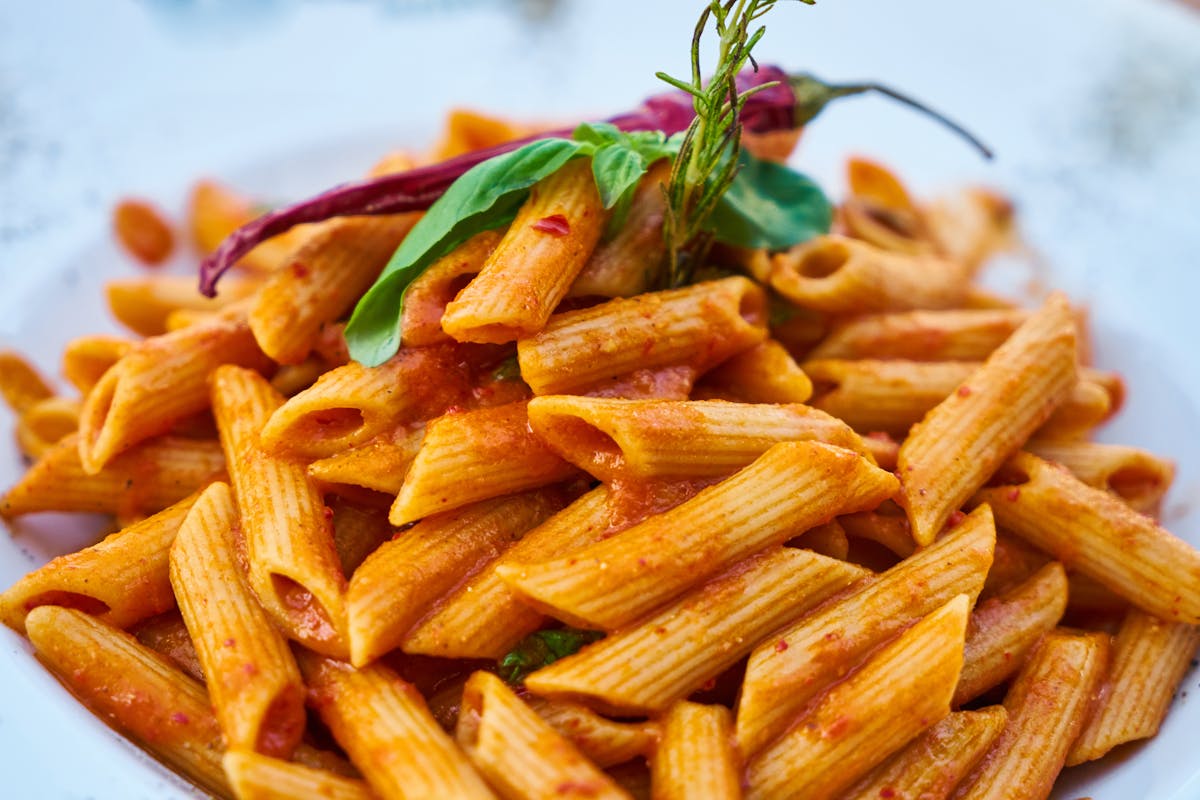
- Lunch: Lentil or chickpea pasta with tomato‑vegetable sauce and a side of salad (25–30 g protein depending on portion).
- Snack: A boiled egg and a small piece of cheese, or a ready‑to‑drink protein shake (15–25 g protein).
- Dinner: Grilled fish or tofu with roasted vegetables and a scoop of beans or lentils (30+ g protein).
Notice how many of those options align with what’s filling social feeds right now: protein‑enriched oats, high‑protein pasta, cottage cheese bowls, and creative Greek yogurt recipes. It’s a trend that, when done with whole‑food priorities, can be both practical and genuinely nourishing.
Serving Suggestions & What to Pair with Your Bowl
Your cottage cheese power bowl can be a meal on its own or part of a more elaborate high‑protein spread. Here are a few simple pairings:
- Serve a sweet bowl with a side of high‑protein toast smeared with nut butter for extra calories and healthy fats, especially if you need more energy.
- Pair a savory bowl with a small serving of veggie‑rich soup or a side salad dressed in a Greek‑yogurt‑based dressing.
- For post‑workout, add a scoop of protein powder and a sliced banana to your bowl for protein plus quick carbs.
- Turn the base into a dip for sliced veggies or high‑fiber crackers by blending until smooth and seasoning well (garlic, herbs, lemon).
However you enjoy it, let the bowl work for you: flexible, forgiving, and completely in sync with the high‑protein lifestyle that’s reshaping the way we stock our kitchens.
