
Ozempic, Wegovy & the ‘Skinny Jab’ Era: How GLP‑1 Weight‑Loss Drugs Are Reshaping Diet Culture, Nutrition & Body Image
GLP‑1 weight‑loss drugs like Ozempic, Wegovy, and Mounjaro are transforming modern diet culture by powerfully suppressing appetite, driving rapid weight loss, and sparking intense debate about nutrition, body composition, celebrity influence, and the ethics of medicalized dieting. As people adjust to eating far less food, new conversations are emerging around protein intake, muscle preservation, high-protein mini-meals, and how to stay nourished while navigating the promises and pitfalls of these medications.
Over the last 12–18 months, search trends, social media feeds, and news coverage have filled with GLP‑1 content: “What I eat in a day on Wegovy,” “high‑protein snacks for Ozempic,” and detailed explainers from dietitians trying to help people stay healthy while on these powerful medications. At the same time, phrases like “Ozempic face” and “Ozempic butt” reflect a new anxiety about rapid changes in how our bodies look and feel.
This article explores how GLP‑1 drugs work, why they are reshaping diet culture in 2025–2026, what nutrition experts are recommending, and how to approach this topic with compassion—for yourself and others.
What Are GLP‑1 Drugs Like Ozempic and Wegovy?
GLP‑1 receptor agonists were originally developed to treat type 2 diabetes. Medications like Ozempic and Mounjaro are approved for blood sugar control, while Wegovy (and in some regions, higher‑dose semaglutide formulations) are approved specifically for chronic weight management in people with obesity or certain weight‑related medical conditions.
How they work in the body
- Slow gastric emptying: food stays in the stomach longer, so you feel fuller for an extended time.
- Act on appetite centers in the brain: many people report that food “voices” get quieter—they think about food less and feel satisfied sooner.
- Improve insulin response: especially in people with type 2 diabetes, this helps regulate blood sugar.
For some, this combination feels almost like flipping a switch: portions shrink dramatically, cravings subside, and weight begins to drop—often quickly. But that ease comes with new challenges, especially around getting enough nutrients in a much smaller volume of food.
From “Skinny Jab” Hype to a New Phase of Diet Culture
The phrase “skinny jab” has popped up across tabloids, TikTok, and celebrity gossip sites, usually referring to injectable GLP‑1 drugs used off‑label for rapid weight loss. This framing is catchy—but also deeply reductive. It shrinks complex medical treatment into a beauty tool and feeds into a long‑standing thin‑ideal culture.
Over the past year and a half, social feeds have been saturated with:
- Speculation about celebrity use based on sudden body changes.
- Before‑and‑after transformation photos showcasing dramatic loss of body mass.
- “Ozempic face” & “Ozempic butt”—slang describing gaunt facial features or a flatter backside when both fat and muscle melt away.
- Viral hot takes debating whether GLP‑1 drugs are a miracle cure, a moral failing, or something in between.
GLP‑1 drugs are not just changing bodies; they’re changing the stories we tell about willpower, health, and what it means to “earn” weight loss.
At the heart of these debates is a tension between two truths: obesity is a complex, chronic medical condition, and we live in a culture that often moralizes thinness. GLP‑1s sit right at that intersection.

The Nutrition Challenge: Eating Less, Nourishing More
One of the most common surprises for people on Ozempic or Wegovy is just how little they feel like eating. For some, a plate that once felt “normal” suddenly feels overwhelming. Others find that certain textures or smells are off‑putting. Nausea and early fullness are frequent in the first weeks or after dose increases.
Why appetite loss can be risky
- Protein intake drops, increasing the risk of muscle loss.
- Fiber intake plummets, sometimes worsening constipation.
- Micronutrient gaps emerge when fruits, vegetables, and whole grains are crowded out by “just enough to get by” nibbling.
- Fatigue and hair shedding may appear when energy and protein are chronically too low.
Dietitians on TikTok, YouTube, and X (Twitter) are responding with practical guidance: smaller, more frequent, higher‑protein and nutrient‑dense meals, plus resistance training to protect strength and metabolism.
From “Calories In, Calories Out” to Body Composition
Traditional diet talk has long focused on the math of weight loss: eat fewer calories, move more. The GLP‑1 era is nudging the conversation toward body composition—how much of your body is fat, muscle, bone, and water.
Because these drugs suppress appetite so effectively, people can lose weight fast—but not all that weight is fat. Without adequate protein and resistance training, muscle loss can be substantial. That’s part of what may drive the drawn “Ozempic face” aesthetic and the flatter, less toned look some users describe.
The new goals many experts emphasize
- Prioritize lean mass: aim to lose mostly fat while preserving as much muscle as possible.
- Eat sufficient protein: often 1.2–1.6 g/kg body weight per day for many adults, adjusted with a professional.
- Lift something: structured strength training 2–3 times per week, using bodyweight, bands, or weights.
- Think long‑term: focus on sustainable habits that will remain even if the medication is reduced or stopped later.

GLP‑1‑Friendly Eating: High‑Protein, Nutrient‑Dense Mini‑Meals
When your appetite is small, every bite matters. The goal is to make each mouthful protein‑rich, colorful, and comfortably digestible—while still enjoying flavors and textures that feel satisfying.
Common strategies from dietitians and creators
- Mini‑meals every 2–4 hours rather than large plates that feel impossible.
- Ready‑to‑drink protein shakes for days when solid food feels like too much.
- Soft, moist textures—think Greek yogurt, cottage cheese, lentil soups, or slow‑cooked meats.
- “Protein first” plating: start with a protein source, then add fiber‑rich vegetables or fruit, then a small portion of whole grains or starch.
You’ll see a lot of “What I eat in a day on Wegovy” videos that showcase simple combinations: a few bites of eggs and avocado, half a protein smoothie, a mini‑wrap with chicken and veggies, or a warm bean‑based soup. The throughline is the same: small portions, big nutrition.
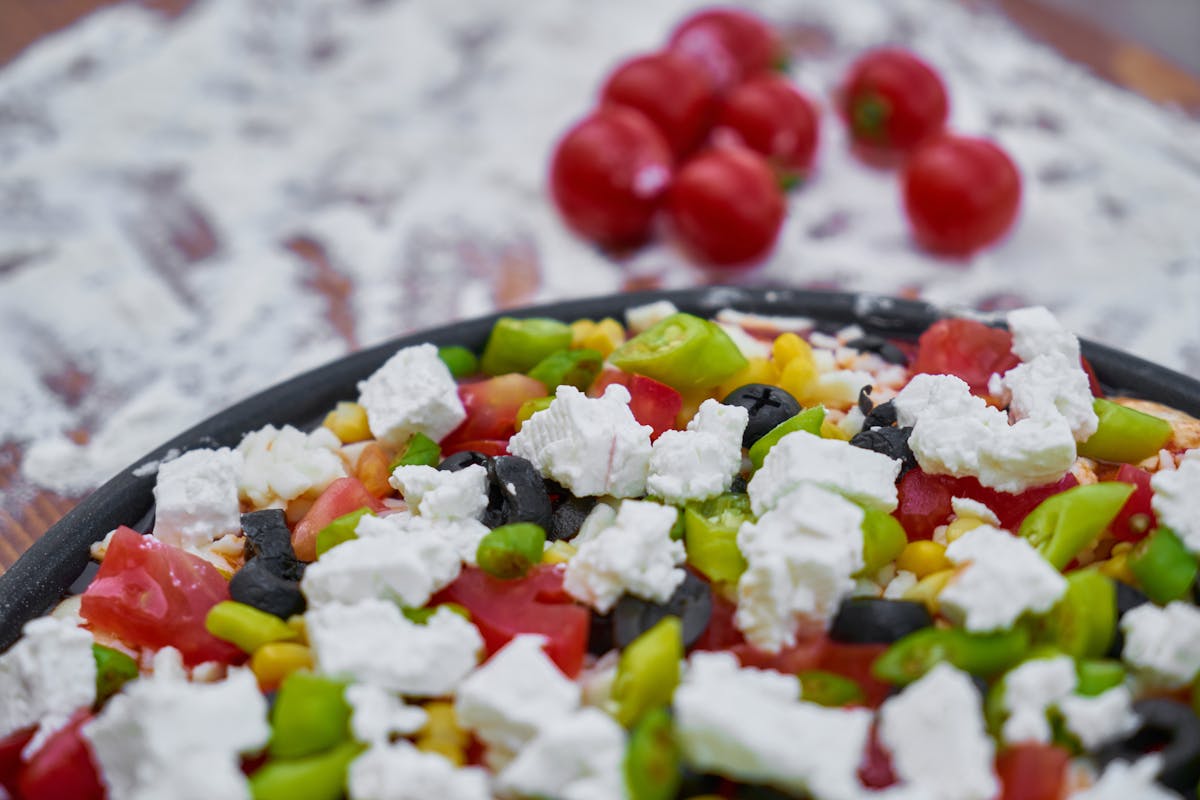
GLP‑1‑Friendly High‑Protein Greek Yogurt Power Bowl
This quick, no‑cook recipe is built for days when your appetite is low but you still want something creamy, flavorful, and genuinely nourishing. It layers thick Greek yogurt with soft fruit, nuts or seeds, and optional collagen or protein powder for an extra boost—all in a small bowl that feels manageable on GLP‑1 medications.
Ingredients
- 150–170 g (about 3/4 cup) plain 2–5% Greek yogurt (or dairy‑free high‑protein yogurt)
- 30 g (about 2 tbsp) protein powder of choice (whey, soy, pea, etc.), optional but helpful on low‑appetite days
- 40 g (about 1/3 cup) soft berries such as blueberries, raspberries, or sliced strawberries
- 10 g (about 1 tbsp) chopped nuts (walnuts, almonds, pistachios) or seeds (chia, hemp, pumpkin)
- 1–2 tsp honey or maple syrup, or a few drops of non‑caloric sweetener, to taste
- Pinch of ground cinnamon or cardamom (optional)
- 1–2 tbsp water or milk (dairy or plant‑based), as needed to thin to your preferred texture
- Small squeeze of lemon juice or a few drops of vanilla extract (optional flavor boost)
Equipment
- Small mixing bowl
- Spoon or small whisk
- Serving bowl (or lidded container if prepping ahead)
- Measuring spoons and cup (optional but helpful for consistency)
Step‑by‑Step Instructions
- Mix the base. In a small bowl, combine the Greek yogurt and protein powder. Add 1 tablespoon of water or milk and stir or whisk until completely smooth. Adjust with another tablespoon of liquid if you prefer a softer, more sippable texture.
- Sweeten and flavor. Stir in honey, maple syrup, or your preferred sweetener to taste, along with a pinch of cinnamon or cardamom. Taste and adjust—on GLP‑1s, flavors can feel more intense, so a little often goes a long way.
- Add fruit and crunch. Spoon the yogurt mixture into your serving bowl. Gently top with berries and sprinkle with chopped nuts or seeds. If chewing feels tiring, use finely chopped nuts or stick with softer options like hemp or chia seeds.
- Finish and serve. Add a tiny squeeze of lemon juice or a drop of vanilla if you like brightness or dessert‑like aroma. Eat slowly, pausing halfway to check in with fullness. If it’s too much, cover and refrigerate the rest for later.

Storage & Make‑Ahead Tips
This yogurt bowl is ideal for quick prep and gentle snacking across the day, especially if your appetite comes in short windows.
- Refrigeration: Store in an airtight container in the fridge for up to 24 hours.
- Keep toppings separate: For best texture, mix the yogurt and protein powder ahead, then add berries and nuts just before eating.
- Portioning: If full portions are overwhelming, divide the recipe into two tiny bowls and enjoy them a few hours apart.
Serving Suggestions & Pairings
To round out your day of GLP‑1‑friendly, high‑protein mini‑meals, pair this bowl with:
- A small mug of herbal tea or warm water with lemon for gentle hydration.
- A slice of whole‑grain toast or a few whole‑grain crackers if you’re working on fiber and energy intake.
- A simple side of sliced cucumber, cherry tomatoes, or baby carrots for extra crunch and micronutrients.
Ethics, Access, and the Future of GLP‑1 Diet Culture
Alongside recipes and gym routines, GLP‑1 drugs raise difficult questions. Who gets access when supplies are limited and prices are high? How do we make space for people who benefit medically from these drugs, while resisting a culture that equates thinness with worth? And what happens if or when someone stops taking them and faces potential weight regain?
- Insurance coverage & cost: Many people who would medically benefit cannot afford long‑term treatment; others pay cash for cosmetic reasons, intensifying public frustration.
- Stigma in both directions: Some feel judged for “taking the easy way out,” while others are shamed for not pursuing medications aggressively enough.
- Long‑term commitment: Current evidence suggests that stopping GLP‑1 therapy often leads to weight regain, underscoring that these drugs are part of a chronic‑disease toolkit, not a short‑term detox.
A compassionate approach recognizes that:
- Weight is influenced by biology, environment, mental health, medication, and more—not just willpower.
- People deserve respectful care regardless of body size or whether they use GLP‑1 drugs.
- Nutrition, movement, sleep, and stress management matter deeply—with or without medication.

Practical Takeaways for Navigating GLP‑1s and Food
Whether you’re personally using Ozempic or Wegovy, supporting someone who is, or simply trying to understand this “skinny jab” moment, a few guiding principles can help keep the focus on health rather than hype.
- Prioritize nourishment over restriction. Small, protein‑rich, colorful meals support your body better than barely eating.
- Protect your muscles. Pair adequate protein with resistance training to maintain strength and support long‑term health.
- Listen to your body and your clinician. Dose changes, side effects, and lab work all deserve careful attention.
- Question diet culture messages. Rapid weight loss isn’t a moral virtue, and regaining weight is not a personal failure.
- Seek reliable sources. Look for registered dietitians, endocrinologists, obesity medicine specialists, and reputable medical organizations rather than anonymous hot takes.
In the end, GLP‑1 drugs are tools—powerful ones. Used thoughtfully, with solid nutrition and self‑care, they can be part of a kinder, more science‑driven approach to metabolic health. The invitation now is to build a culture around them that values well‑being, not just a number on the scale.
