
Longevity on a Plate: Celebrity-Inspired Blue Zone & Mediterranean Eating You Can Actually Cook
Celebrity Longevity Diets You Can Actually Live With
Celebrity “longevity diets” have moved the spotlight from crash diets to vibrant, everyday eating inspired by Blue Zones and Mediterranean kitchens. Instead of obsessing over getting “shredded for summer,” more people are asking how to cook in a way that supports energy, graceful aging, and long-term healthspan—while still tasting absolutely fantastic.
From extra-virgin olive oil drizzled onto charred veggies to big bowls of beans, herbs, and whole grains, the foods you’re seeing in celebrity interviews often come from humble, home-style dishes cooked for decades in long-living communities. The beautiful secret? These plates are wildly flavorful, deeply satisfying, and surprisingly simple for home cooks at any level.
Why Longevity Eating Is Suddenly Everywhere
It feels like every podcast, documentary, and celebrity wellness interview now features someone talking about “eating for cellular health” or “supporting longevity.” This isn’t just hype; it reflects a real shift away from short-term, punishing diets toward sustainable patterns built around whole, plant-forward cooking.
- Celebrity and influencer routines: Actors, musicians, and tech founders share “longevity routines” packed with olive oil, greens, beans, and fewer ultra-processed snacks.
- Streaming & podcast deep dives: Long-form interviews with Blue Zone researchers and Mediterranean-diet scientists have made these patterns feel both aspirational and achievable.
- Healthspan over aesthetics: People are craving energy, clear thinking, and durable health more than crash-diet weight loss. Food is becoming a daily investment, not a punishment.
The core message: simple, mostly plant-based meals, cooked with care, can support both longevity and immense eating pleasure.
Blue Zones & Mediterranean Diets: The Real Longevity Patterns
When you strip away the buzzwords, most celebrity longevity diets trace back to two well-studied patterns: traditional Blue Zone eating and the classic Mediterranean diet. Both are less “diet plans” and more ways of living and cooking.
What Blue Zones Actually Eat
Blue Zones are regions like Okinawa (Japan), Ikaria (Greece), Sardinia (Italy), Nicoya (Costa Rica), and Loma Linda (California) where people often live longer, healthier lives. Instead of powders and potions, their kitchens are stocked with:
- Beans & legumes: Lentils, chickpeas, black beans, and fava beans show up daily, often simmered slowly with herbs and olive oil.
- Whole grains: Barley, oats, brown rice, and whole-grain breads provide hearty texture and staying power.
- Seasonal vegetables & greens: Dark leafy greens, squash, tomatoes, onions, garlic, and herbs build layers of flavor and color.
- Modest animal products: Small portions of fish, eggs, or goat/sheep dairy, enjoyed as accents rather than the main event.
Mediterranean Eating in Everyday Life
The Mediterranean diet, especially from coastal regions of Greece, Italy, and Spain, looks and tastes like a love letter to vegetables and olive oil:
- Olive oil as the default fat: Extra-virgin olive oil (EVOO) gives a fruity aroma and silky mouthfeel to everything from beans to grilled fish.
- Abundant vegetables: Think roasted peppers, eggplant, zucchini, tomatoes, and leafy salads at almost every meal.
- Seafood & nuts: Sardines, anchovies, salmon, walnuts, and almonds for heart-healthy fats and satisfying richness.
- Herbs, not sauces: Oregano, rosemary, thyme, and parsley brighten dishes without heavy cream or sugar.
Core Features of Celebrity Longevity Diets
Most celebrity “longevity” meal plans share a few powerful, evidence-supported themes. You don’t need a private chef to benefit from them in your own kitchen.
1. Plant-Forward, Not Necessarily Vegan
Plates are built around plants—vegetables, fruits, whole grains, legumes, nuts, and seeds—with animal foods as optional accents. This means:
- More color and crunch on your plate
- Higher fiber to keep digestion comfortable and blood sugar steadier
- A rainbow of phytonutrients that may support brain, heart, and skin health
2. Healthy Fats, Especially Olive Oil
Extra-virgin olive oil is the star: peppery, fruity, and lush. It’s used generously for cooking, drizzling, and dressing:
- Olive oil: The main cooking fat, adding richness without heavy cream.
- Nuts & seeds: Walnuts, almonds, pistachios, sunflower seeds for crunch and healthy fats.
- Fatty fish: Salmon, sardines, mackerel bring omega-3s and deep, savory flavor.
3. Fewer Ultra-Processed Foods
Longevity-style eating doesn’t forbid treats, but it nudges you toward:
- Minimizing: Sugary drinks, candy, packaged pastries, heavily processed meats, and chips as everyday staples.
- Maximizing: Meals you can recognize by their ingredients—beans, grains, vegetables, eggs, nuts, and quality oils.
4. Thoughtful Meal Timing
Many celebrities talk about time-restricted eating (like a 16:8 fasting schedule) or finishing dinner earlier. While research is still evolving, a few gentle practices may be helpful:
- Leave 2–3 hours between your last meal and bedtime for more comfortable sleep.
- Shift more of your calories to earlier in the day if it feels good for your energy and digestion.
Functional “Super-Foods” That Actually Fit in a Grocery Basket
Influencers love to sprinkle buzzwords like “antioxidants” and “anti-inflammatory” over their plates. Fortunately, many of the best-studied foods are affordable and easy to cook:
- Berries: Blueberries, strawberries, and raspberries add tart-sweet bursts and bright color to yogurt, oats, or salads.
- Leafy greens: Spinach, kale, chard, and arugula wilt beautifully into soups, stews, and warm grain bowls.
- Cruciferous vegetables: Broccoli, cabbage, Brussels sprouts, and cauliflower roast into caramelized, nutty-tasting bites.
- Legumes: Lentils, chickpeas, black beans, and white beans bring protein, fiber, and creamy textures.
- Herbs & spices: Turmeric, garlic, rosemary, oregano, and cumin create aroma, flavor, and color with virtually no extra calories.
- Green tea: A gentle, grassy beverage that can replace sugary drinks and create a soothing ritual.
A Longevity-Inspired Recipe: Mediterranean Chickpea & Olive Oil Glow Bowl
To bring all these ideas together, here’s a plant-forward, Mediterranean-style recipe you can cook any night of the week. It’s rich in fiber, healthy fats, and colorful vegetables, with that luxurious olive oil sheen celebrities rave about—no private chef required.
Mediterranean Chickpea & Olive Oil Glow Bowl
A warm, plant-forward bowl of garlicky chickpeas, roasted vegetables, whole grains, and a lemony extra-virgin olive oil dressing—exactly the kind of simple, hearty meal you’ll see in longevity-focused Mediterranean and Blue Zone-style kitchens.
Prep Time:
Cook Time:
Total Time:
Servings: 4 bowls
Difficulty: Easy
Equipment You’ll Need
- Large baking sheet (for roasting vegetables)
- Medium saucepan with lid (for cooking grains)
- Large skillet or sauté pan
- Mixing bowl (for dressing)
- Sharp knife and cutting board
- Measuring cups and spoons
Ingredients
For the Bowl
- 1 cup (190 g) uncooked whole grains (farro, barley, or brown rice)
- 2 cups (480 ml) water or low-sodium vegetable broth
- 1 medium red bell pepper, cut into strips
- 1 small zucchini, sliced into half-moons
- 1 small red onion, cut into wedges
- 1 cup (150 g) cherry tomatoes, left whole
- 2 tablespoons extra-virgin olive oil (for roasting)
- 1 teaspoon dried oregano
- 1 teaspoon ground cumin
- 1/2 teaspoon sea salt, plus more to taste
- 2 cans (15 oz / 425 g each) chickpeas, drained and rinsed
- 2 cloves garlic, minced
- 2 cups (60 g) loosely packed baby spinach or arugula
For the Lemon-Olive Oil Dressing
- 1/4 cup (60 ml) extra-virgin olive oil
- 2 tablespoons fresh lemon juice
- 1 teaspoon Dijon mustard
- 1 teaspoon honey or maple syrup
- 1 small garlic clove, very finely minced or grated
- 1/4 teaspoon sea salt
- Freshly ground black pepper, to taste
Optional Toppings
- 2 tablespoons toasted walnuts or almonds, chopped
- 1/4 cup (30 g) crumbled feta cheese (omit for vegan)
- Fresh parsley or basil leaves, roughly chopped
- A spoonful of plain Greek yogurt or thick plant-based yogurt
Step-by-Step Instructions
Cook the grains. Rinse your chosen grain under cool water. In a medium saucepan, combine grains with 2 cups of water or broth and a pinch of salt. Bring to a boil, then reduce heat to low, cover, and simmer until tender (about 25–30 minutes for farro or brown rice). Fluff with a fork and keep warm.
Simmer whole grains until just tender and pleasantly chewy—they add staying power and texture to the bowl. Roast the vegetables. Preheat your oven to 400°F (200°C). On a large baking sheet, toss bell pepper, zucchini, red onion, and cherry tomatoes with 2 tablespoons olive oil, oregano, cumin, and 1/2 teaspoon salt. Spread into a single layer and roast for 20–25 minutes, stirring once, until edges are caramelized and vegetables are tender.
Roasting coaxes out the natural sweetness of Mediterranean vegetables and adds smoky depth. Sauté the chickpeas with garlic. While the vegetables roast, warm a large skillet over medium heat. Add a light drizzle of olive oil, then the rinsed chickpeas. Cook for 3–4 minutes, stirring occasionally, until they start to turn golden and smell nutty. Add the minced garlic and cook 1–2 minutes more, just until fragrant. Season with a pinch of salt and pepper. Remove from heat.
Quickly sautéed chickpeas become creamy inside with lightly crisp skins—a satisfying plant protein centerpiece. Whisk the lemon-olive oil dressing. In a small mixing bowl, whisk together 1/4 cup olive oil, lemon juice, Dijon mustard, honey or maple syrup, minced garlic, salt, and a few grinds of black pepper until slightly thickened and glossy.

A simple lemon and olive oil dressing ties the whole bowl together with brightness and silkiness. Wilt the greens. When the roasted vegetables are done, toss them gently with the baby spinach or arugula directly on the baking sheet or in a large bowl. The residual heat will soften the greens just enough while preserving their freshness.
Assemble the bowls. Spoon a bed of warm grains into each bowl. Top with a generous scoop of garlicky chickpeas and a colorful pile of roasted vegetables and greens. Drizzle each bowl with the lemon-olive oil dressing.
Layer grains, chickpeas, and vegetables before drizzling with dressing so every bite gets a balance of textures. Add toppings and serve. Finish with chopped nuts, crumbled feta (if using), and a sprinkle of fresh herbs. Add a spoonful of yogurt on the side or on top for extra creaminess. Taste and adjust seasoning with more lemon, salt, or pepper as you like. Serve warm.
Substitutions, Dietary Notes & Variations
Storage & Reheating
Longevity-style cooking often leans on planning ahead. This bowl keeps beautifully and can make your weekday lunches feel luxurious.
- Fridge: Store grains, chickpeas, vegetables, and dressing separately in airtight containers for up to 4 days.
- Reheating: Warm grains and chickpeas gently on the stovetop with a splash of water or broth, or in the microwave. Add roasted vegetables at the end to avoid over-softening.
- Dressing: Keeps well in the fridge for about 5 days; let it come to room temperature and whisk before using.
- Freezer: The cooked grains and chickpeas freeze well for up to 2 months; thaw in the fridge overnight and reheat as above.
How to Serve: Build a Longevity-Inspired Spread
To turn this glow bowl into a full Blue Zone and Mediterranean-style meal, surround it with simple, vibrant sides:
- A crisp mixed greens salad with cucumber, olives, and a light olive oil–lemon dressing.
- A small plate of fresh fruit—orange slices, figs, or berries—for natural sweetness.
- Herbal tea or a cup of green tea in the evening in place of sugary desserts or drinks.
- A side of whole-grain bread for dipping into extra dressing and olive oil.
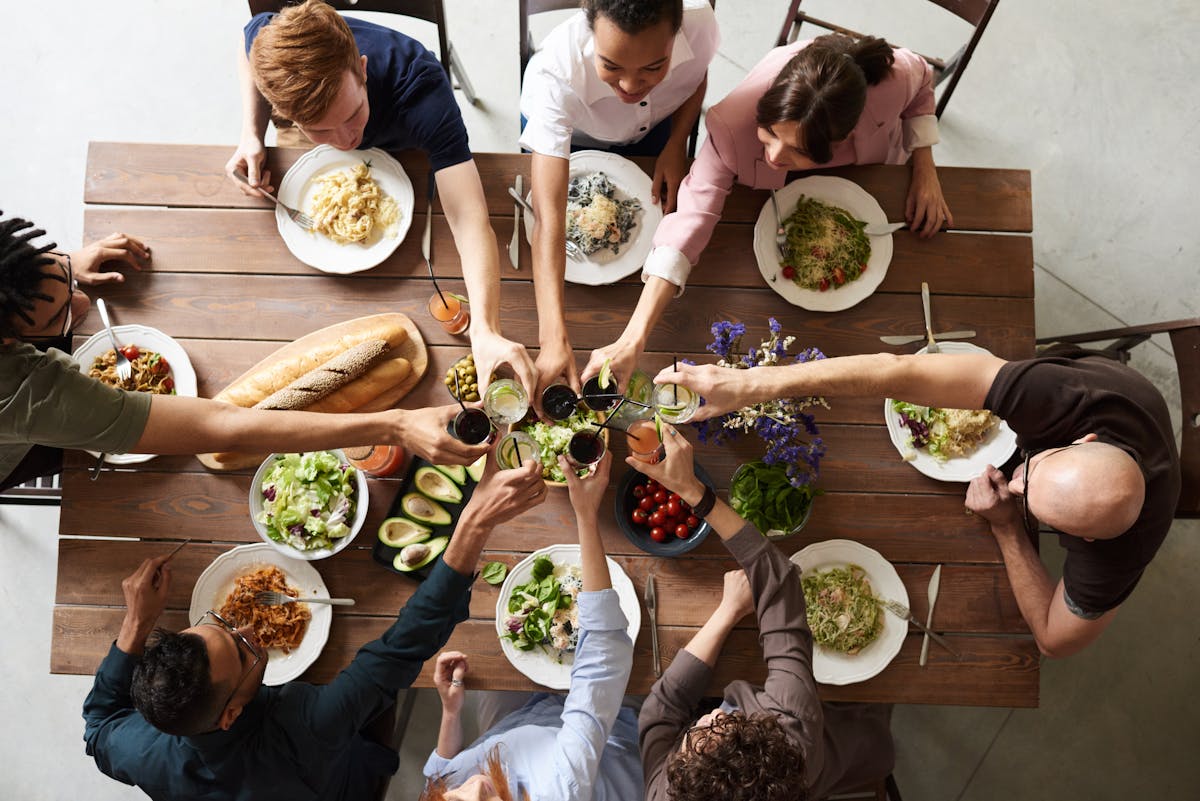
Picture a cozy, shared table: bowls of beans, baskets of bread, platters of vegetables—all designed to be enjoyed slowly, with good conversation. That rhythm of eating is just as much a part of longevity traditions as the ingredients themselves.
Evidence vs. Hype: A Gentle Reality Check
Celebrity content can make longevity eating seem like a magic switch—but there is no single “anti-aging” food or perfect routine. What research does support is consistent patterns:
- More plants, fiber, and healthy fats over months and years
- Less ultra-processed food and sugary drinks as everyday staples
- Regular movement, adequate sleep, stress management, and meaningful relationships
Think of dishes like the Mediterranean Chickpea & Olive Oil Glow Bowl as small, delicious building blocks. Each time you choose satisfying, nutrient-dense foods you truly enjoy, you’re quietly stacking the odds in favor of your future self—without needing a single red-carpet moment.
