
High-Protein, High-Fiber Gut-Healthy Bowls That Actually Taste Amazing
High-protein, high-fiber “gut-healthy” eating has moved from niche wellness corners to everyday kitchen conversations. Search trends for microbiome-friendly foods, prebiotic snacks, and high-fiber meals are soaring as more people connect digestion, mood, energy, and even weight management to what’s happening in their gut.
Today we’ll cook our way into this trend with a microbiome-friendly, high-protein, high-fiber Gut-Healthy Mediterranean Grain Bowl—and along the way, I’ll weave in what the latest microbiome buzz actually means for your plate. Think creamy hummus, tangy fermented veggies, crunchy seeds, and a rainbow of plant fibers, all in one cozy bowl.
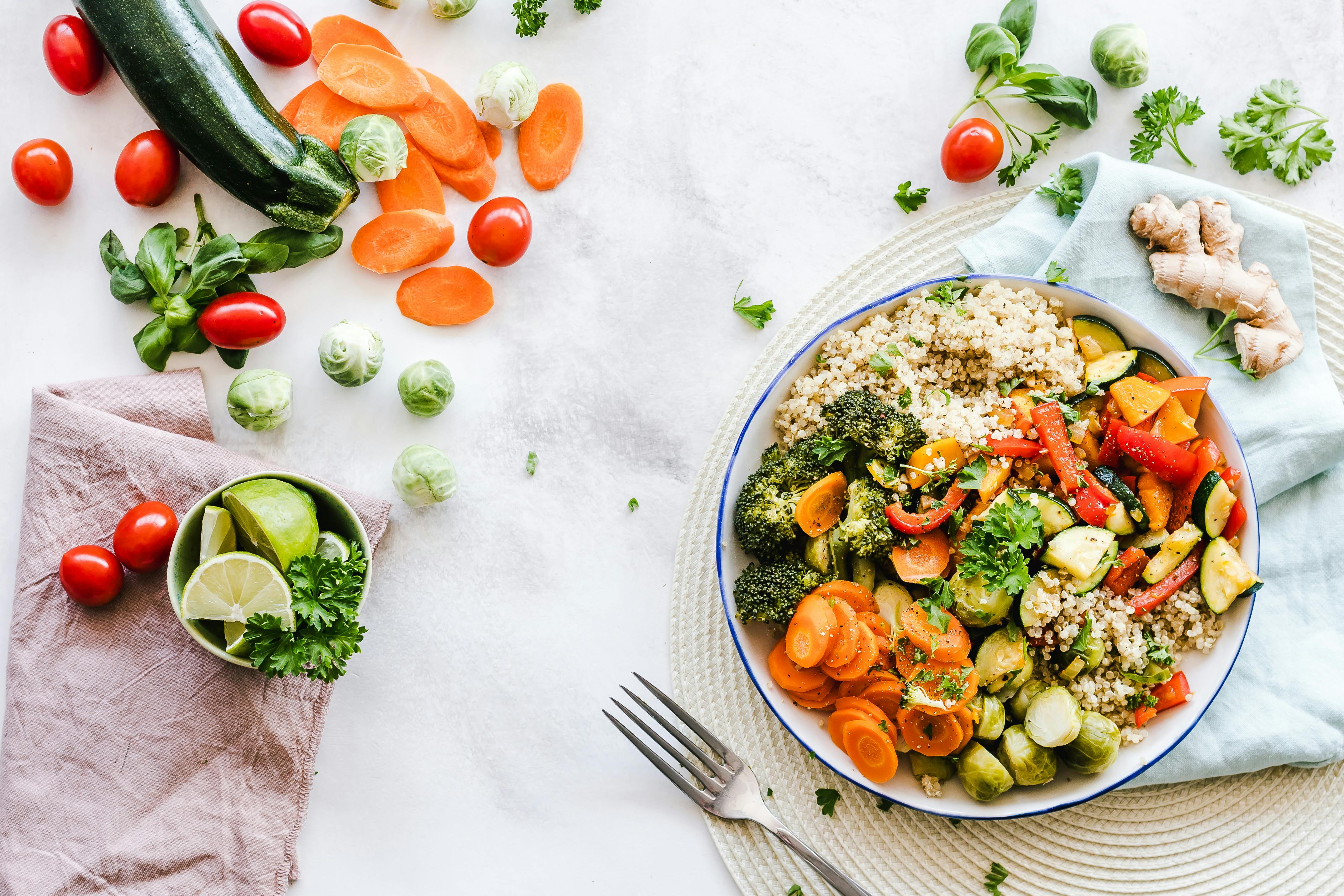
Why Gut-Healthy, Microbiome-Friendly Eating Is Trending
Scroll through TikTok or Instagram for a few minutes and you’ll see it: gut health diaries, “what I eat in a day for IBS,” kombucha taste tests, and creators detailing their “microbiome makeover.” Gut health has become a kind of control center narrative—if you nourish your gut, you might support digestion, immunity, mood, and weight in one go.
- Microbiome science going mainstream: Books, podcasts, and even at‑home microbiome test kits have translated complex research into everyday language, fueling searches for “microbiome diet” and “gut-healthy foods.”
- Digestive struggles are common: Bloating, IBS, reflux, and irregularity are everyday complaints, and people are hungry (literally) for non-extreme, sustainable solutions.
- Gut–brain axis buzz: The idea that your gut might influence mood, anxiety, and energy has captivated younger audiences already invested in mental health and burnout prevention.
The result? Huge interest in high-fiber, high-protein, minimally processed meals that “feed your gut bacteria” while keeping you satisfied and energized—exactly the sort of bowl we’re about to build together.
Gut-Healthy Mediterranean Grain Bowl (High-Protein, High-Fiber)
This vibrant Mediterranean grain bowl layers chewy whole grains, creamy hummus, tangy fermented vegetables, crunchy seeds, and bright herbs into one comforting, gut-friendly meal. It’s packed with plant diversity, fiber, and protein to support a happy microbiome and steady energy—no diet extremes required.
Prep time: 20 minutes
Cook time: 25 minutes
Total time: 45 minutes
Servings: 4 bowls
Difficulty: Easy–Intermediate
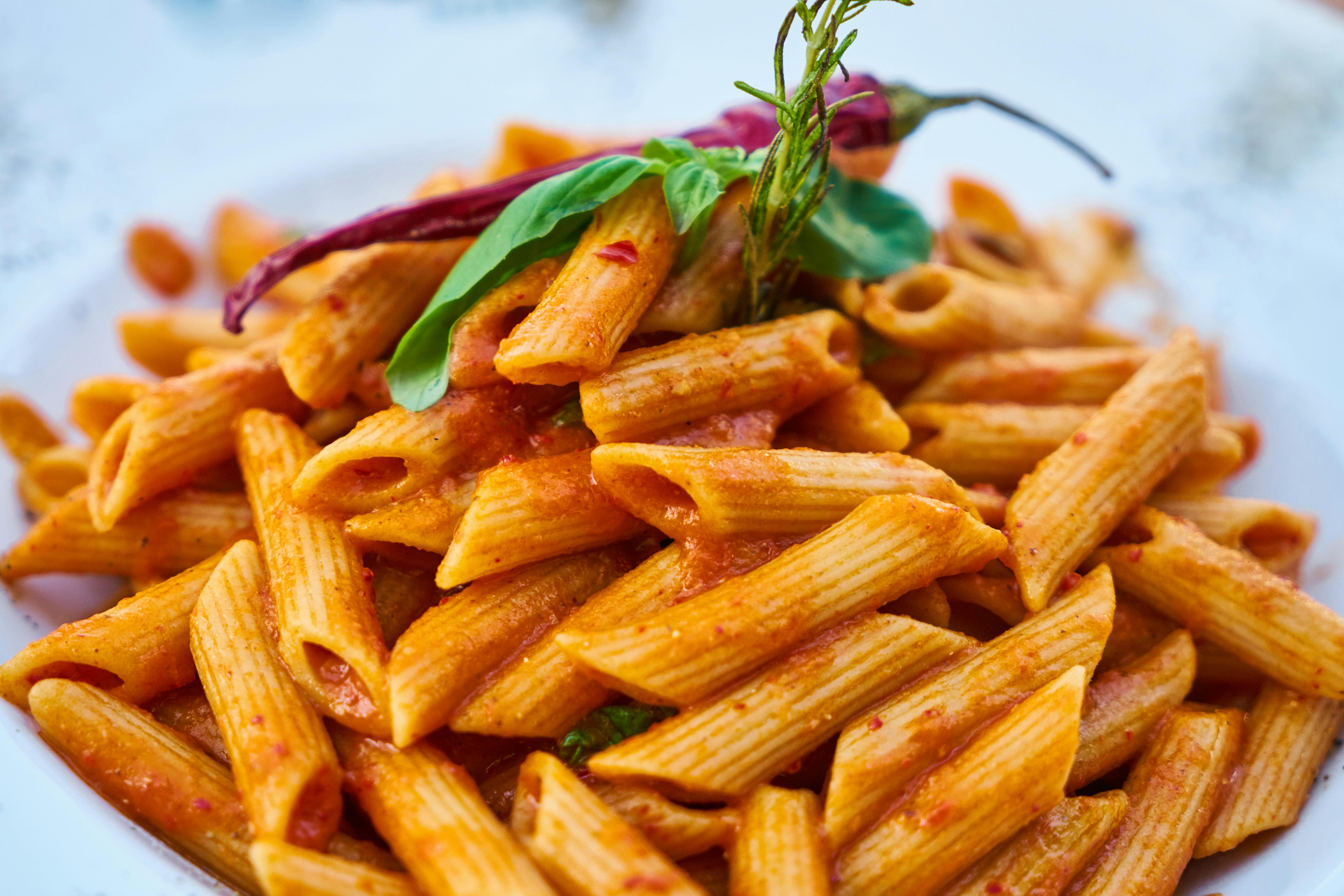
Ingredients for a High-Protein, High-Fiber Gut-Healthy Bowl
This bowl is built around fiber-forward whole grains, plant protein, and a mix of prebiotic and probiotic foods. Feel free to mix and match within each category.
For the Whole-Grain Base
- 1 cup (190 g) uncooked cooked quinoa, brown rice, or farro (about 3 cups cooked)
- 1/2 tsp sea salt (for cooking grains)
- 1 Tbsp extra-virgin olive oil (optional, for finishing)
For the Protein & Fiber Toppers
- 1 can (15 oz / 425 g) chickpeas, drained and rinsed
- 1 cup (about 150 g) cooked lentils or grilled chicken/tofu strips
- 1 cup (250 g) plain Greek yogurt or unsweetened dairy-free yogurt (for extra protein & probiotics)
- 1/3 cup (80 g) hummus (store-bought or homemade)
Prebiotic Veggies & Fiber-Rich Add-Ins
- 1 small red onion, thinly sliced (prebiotic)
- 2 cloves garlic, minced (prebiotic, optional if sensitive)
- 1 cup (150 g) cherry tomatoes, halved
- 1 medium cucumber, diced
- 1 cup (60 g) mixed leafy greens (spinach, arugula, or lettuce)
- 1/2 cup (60 g) grated carrot or shredded red cabbage
Fermented & Flavor Boosters (Probiotics)
- 1/2 cup (75 g) kimchi or sauerkraut
- 2 Tbsp crumbled feta or plant-based feta-style cheese (optional)
Crunchy Toppings & Dressing
- 2 Tbsp pumpkin seeds (pepitas)
- 2 Tbsp toasted sunflower seeds or chopped walnuts
- 2 Tbsp chopped fresh parsley or cilantro
- Juice of 1 lemon
- 3 Tbsp extra-virgin olive oil
- 1 tsp Dijon mustard
- 1 tsp honey or maple syrup
- 1/2 tsp ground cumin (optional, delicious with chickpeas)
- Sea salt & black pepper to taste
Equipment You’ll Need
- Medium saucepan with lid (for cooking grains)
- Colander or sieve (for rinsing grains and chickpeas)
- Cutting board and sharp knife
- Large mixing bowl
- Small jar or bowl with lid (for shaking or whisking dressing)
- Baking sheet (optional, for roasting chickpeas)
- 4 serving bowls
Step-by-Step Instructions (With Gut-Health Tips)
1. Cook the Whole-Grain Base
- Rinse your chosen grain (quinoa, brown rice, or farro) under cold water in a sieve until the water runs clear. This removes bitterness and any dust.
- Cook according to package instructions with a pinch of sea salt. For quinoa, use 2 cups water to 1 cup quinoa, bring to a boil, then cover and simmer 15 minutes until fluffy.
- Once cooked, fluff with a fork, drizzle with 1 Tbsp olive oil if you like, and let it cool slightly. Warm, not piping hot, is ideal for layering with fresh veggies and fermented foods.
2. Prep the Protein & Chickpeas
- Drain and rinse chickpeas. Pat dry with a clean towel if you plan to roast them for extra crunch.
- Optional roasted chickpeas: Toss chickpeas with 1 Tbsp olive oil, 1/2 tsp cumin, salt, and pepper. Spread on a baking sheet and roast at 400°F (200°C) for 20–25 minutes, shaking halfway, until golden and crisp.
- If using lentils, grilled chicken, or tofu, make sure they’re cooked, seasoned lightly with salt, pepper, and a squeeze of lemon, and ready to add to the bowls.

3. Chop the Veggies & Fermented Add-Ins
- Thinly slice red onion and mince garlic (if using). Dice cucumber, halve cherry tomatoes, and grate carrot or shred cabbage.
- Roughly chop leafy greens and herbs. Drain kimchi or sauerkraut slightly if it’s very wet, but don’t rinse—you want those flavorful juices and probiotics.
- Arrange everything in small bowls or piles so you can easily “build” each grain bowl assembly-line style.
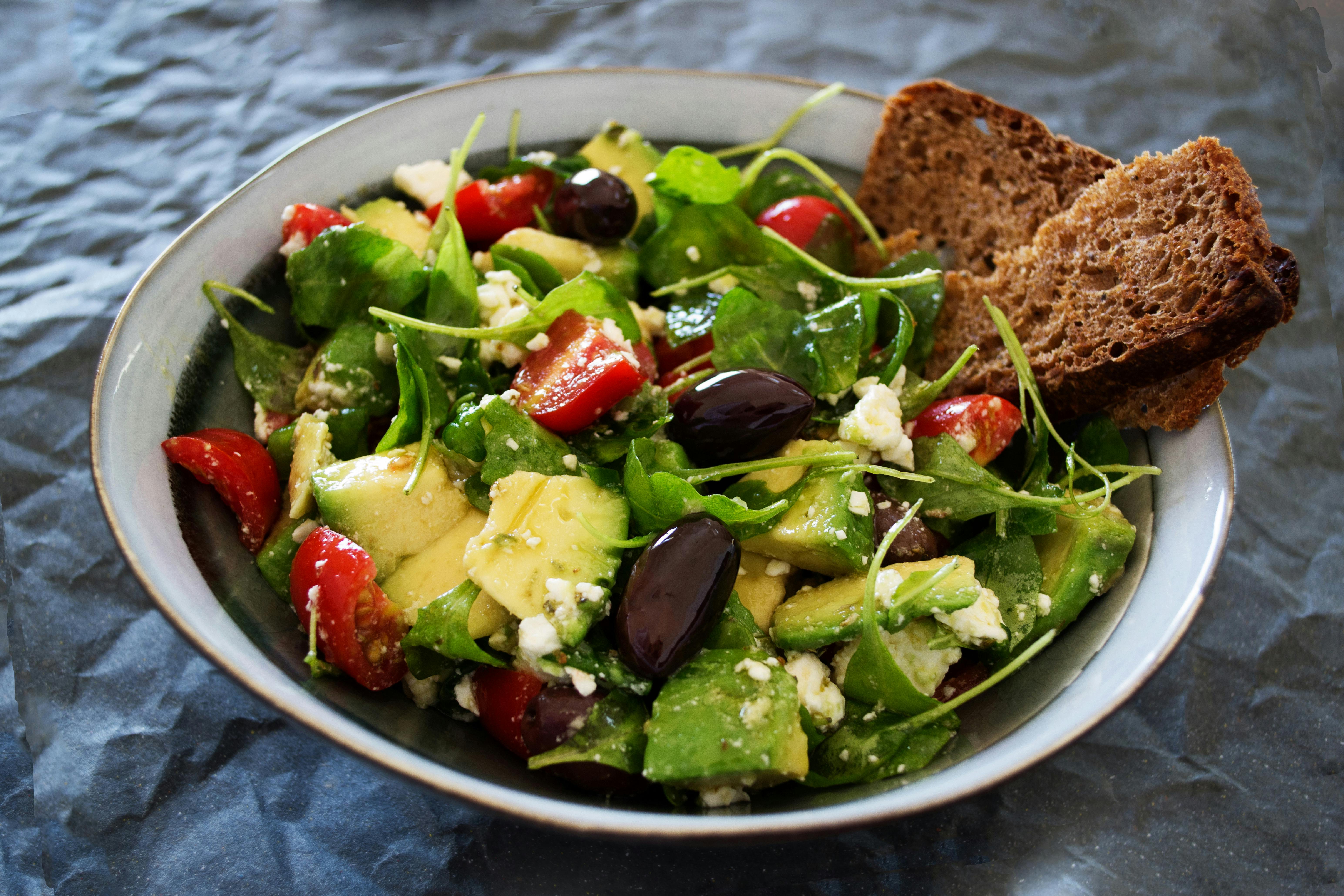
4. Shake Up the Lemon–Olive Oil Dressing
- In a small jar or bowl, combine lemon juice, 3 Tbsp olive oil, Dijon mustard, honey or maple syrup, cumin (if using), and a pinch of salt and pepper.
- Shake vigorously or whisk until emulsified. Taste and adjust—more lemon for brightness, more honey for sweetness, more salt for depth.
5. Build Your Gut-Healthy Bowls
- Divide warm grains among 4 bowls. Add a generous dollop of hummus and a few spoonfuls of Greek yogurt to each.
- Top with chickpeas, lentils or your chosen protein, cherry tomatoes, cucumber, onion, carrot or cabbage, and leafy greens.
- Add a spoonful or two of kimchi or sauerkraut to each bowl and sprinkle with pumpkin seeds, sunflower seeds or walnuts, herbs, and crumbled feta if using.
- Drizzle with the lemon–olive oil dressing just before serving.

Personalizing Your Bowl: Microbiome-Friendly, Not One-Size-Fits-All
One of the healthiest shifts in the gut-health trend is the move toward personal experimentation. Your ideal “microbiome meal” might look different from someone else’s—especially if you’re sensitive to FODMAPs or have IBS.
Listen to your body first, not the latest viral gut-health video. Trends can inspire you, but your symptoms are the best feedback loop you have.
- For sensitive digestion: Go lighter on raw onion, garlic, and large amounts of kimchi. Start with cooked veggies (roasted carrots, zucchini, sweet potato) and small portions of legumes.
- For extra protein: Add grilled chicken, salmon, tofu, tempeh, or an egg on top. You can easily reach 30+ grams of protein this way.
- For more fiber: Sprinkle on extra seeds, nuts, or add a side of fruit like sliced kiwi or berries.
Ingredient Swaps, Dietary Adaptations & Trend-Savvy Tips
Easy Swaps
- Vegan: Use dairy-free yogurt and skip feta or use a plant-based alternative.
- Gluten-free: Choose quinoa, buckwheat, or brown rice instead of farro and verify all packaged items.
- Nut-free: Omit walnuts and use seeds (pumpkin, sunflower) for crunch.
- Lower FODMAP (for some with IBS): Limit onion, garlic, and cabbage; lean on carrots, cucumber, spinach, and small portions of firm tofu and canned lentils (well-rinsed).
Gut-Health Trend Watch (Without the Hype)
- Prebiotics: Fibers that feed beneficial gut bacteria (onions, garlic, oats, bananas, asparagus, beans).
- Probiotics: Live microorganisms in foods like yogurt, kefir, kimchi, sauerkraut, miso, and tempeh.
- Synbiotic meals: Dishes that combine both—like this bowl, which pairs prebiotic veggies and grains with fermented toppings.
Storage, Meal Prep & Reheating Tips
This bowl is a meal-prep dream for busy weeks, especially if you’re trying to gently shift toward a more gut-supportive, high-fiber lifestyle.
- Fridge: Store grains, protein, chopped veggies, and dressing in separate airtight containers for up to 3–4 days. Keep kimchi/sauerkraut in its jar.
- Assembled bowls: If already assembled (without dressing), they keep well for 2–3 days. Add dressing and fermented foods just before eating for best texture and probiotic potential.
- Reheating: Warm grains and cooked proteins gently in a skillet or microwave. Keep raw veggies, yogurt, and fermented toppings cold, then layer onto the warm base for a lovely temperature contrast.
- Freezer: Grains and cooked chickpeas/lentils freeze well for up to 2–3 months. Thaw overnight in the fridge and reheat as needed.
What to Serve with Your Gut-Healthy Grain Bowl
This high-protein, high-fiber bowl is satisfying on its own, but you can easily turn it into a full “gut-health-inspired” menu.
- On the side: A small bowl of fruit salad with berries and kiwi for extra fiber and vitamin C.
- To sip: Unsweetened kombucha, kefir water, or herbal tea (peppermint, ginger, or fennel are gentle on digestion for many people).
- For dessert: A dollop of Greek yogurt with chia seeds and a few slices of banana or stewed apples.

Bringing Microbiome Buzz Into Your Real-Life Kitchen
Gut-health content online can feel overwhelming—tests, protocols, endless lists of “good” and “bad” foods. This bowl is a reminder that you don’t need perfection or pricey products to nourish your microbiome. A simple pattern of high-fiber plants, quality protein, and a little fermented flair goes a very long way.
Start with one bowl, notice how you feel, and keep gently stacking these kinds of meals into your week. Over time, that consistency—not a crash cleanse or a viral hack—is what your gut (and your future self) will thank you for.
