Ozempic, Wegovy & GLP‑1 Diet Culture: How Weight‑Loss Drugs Are Changing the Way We Eat
Ozempic, Wegovy & the Rise of GLP‑1 Weight‑Loss Diet Culture
Prescription GLP‑1 drugs like Ozempic, Wegovy, Mounjaro, and Zepbound are quietly rewriting the rules of modern diet culture. What began as treatment for type 2 diabetes has spilled onto red carpets, social feeds, and clinic waiting rooms, creating a new world where biology, medication, and nutrition strategy collide. At the center of it all are very real people trying to eat well on a much smaller appetite, navigate side effects, and figure out what sustainable, joyful eating looks like—during and after GLP‑1 use.
In this guide, we’ll explore how GLP‑1 medications are changing conversations about food and bodies, what emerging “Ozempic diets” really look like, and how to build satisfying, nutrient‑dense meals—without losing sight of your overall relationship with food, health, and culture.

Why GLP‑1 Weight‑Loss Drugs Are Everywhere Right Now
Over the past few years, GLP‑1 medications have exploded from quiet endocrinology offices into mainstream wellness and celebrity culture. Instead of yet another crash diet, we’re seeing a pharmaceutical shift that alters appetite and satiety at the hormonal level—and people are trying to figure out what that means for everyday eating.
- Originally for type 2 diabetes: Drugs like semaglutide (Ozempic, Wegovy) and tirzepatide (Mounjaro, Zepbound) were created to manage blood sugar. Their potent effect on weight loss led to broader—and sometimes controversial—use.
- Powerful appetite suppression: Many people report feeling full faster, less interest in food, and reduced cravings. That changes not just how much people eat, but how they think about food and hunger.
- Huge search and social interest: From “Ozempic meal plans” to “What to eat on Wegovy,” people are hungry (ironically) for clear guidance on how to nourish themselves while on these medications.
“For the first time, I wasn’t thinking about food all day. That was freeing—but it also meant I had to be very intentional about the bites I did take.”
Celebrity Transformations, “Ozempic Bodies,” and Red‑Carpet Pressure
One reason GLP‑1 drugs dominate headlines is the wave of dramatic celebrity body changes. While not everyone confirms medication use, speculation about “Ozempic bodies” has become its own form of pop‑culture gossip—raising tough questions about transparency, body image, and what counts as “natural” weight loss.
On award‑show nights, social media fills with side‑by‑side photos and commentary about shrinking figures and jawlines. For many viewers, this reinforces a long‑standing message: thinness is still a beauty currency, now seemingly more accessible—if you can get a prescription and afford it.

For home cooks and everyday eaters, this can feel distant and glamorous on the surface—but the ripple effects are real: more people asking their clinicians about these drugs, more diet chatter at the office, and more comparison when scrolling through social feeds.
Social Media “Ozempic Journeys”: Storytelling, Side Effects, and Food Diaries
TikTok, YouTube, and Instagram are flooded with “Ozempic journey” content: weekly weigh‑ins, before‑and‑after photos, side‑effect diaries, and, increasingly, “What I eat in a day on Wegovy” videos. These posts can be both supportive and overwhelming—part community, part unfiltered experiment.
- Side‑effect diaries: People share very real experiences with nausea, reflux, constipation, fatigue, and changes in taste and smell.
- Portion‑sized plates: Many creators show palm‑sized servings of protein, tiny bowls of soup, or “snack plates” rather than large entrées.
- Meal‑prep hacks: Pre‑portioned high‑protein snacks, freezer‑friendly soups, and gentle breakfast ideas are common themes.
For someone just starting a GLP‑1, these videos can offer reassurance (“I’m not the only one who can’t finish a meal”) but can also fuel comparison and unrealistic expectations. It’s important to remember that each body, medical history, and relationship with food is unique.
Key Nutrition Themes on GLP‑1 Drugs: From Protein to Whole Foods
As GLP‑1 medications reshape appetite, dietitians and nutrition professionals are shifting their guidance. Instead of “eat less,” the message is increasingly “make each bite more nourishing.” Several nutrition themes have become particularly prominent.
1. Protein Prioritization to Protect Muscle
Because GLP‑1s can dramatically lower calorie intake, there’s concern about losing not only fat but also lean muscle mass. Preserving muscle is crucial for strength, metabolism, and long‑term weight maintenance. You’ll see a big push online toward:
- High‑protein breakfasts (Greek yogurt bowls, cottage cheese with fruit, tofu scrambles).
- Protein shakes and smoothies that are gentle on the stomach.
- Snack‑sized portions of chicken, fish, tofu, eggs, beans, or lentils.
From a sensory standpoint, many people find that soft, moist proteins—like poached fish, bean stews, or yogurt—go down more easily than dry grilled meats, especially when nausea is present.
2. Smaller, More Frequent Meals to Manage Side Effects
With slower gastric emptying, large or high‑fat meals can feel heavy and uncomfortable. Many GLP‑1 users discover that three big meals a day simply don’t work anymore. Instead, they lean into:
- Mini‑meals every 3–4 hours.
- Low‑fat, lower‑grease cooking methods (steaming, baking, poaching, air‑frying).
- Soups and stews, which are often soothing and easier to digest.
Picture a small, warm bowl of lentil soup with a sprinkle of fresh herbs: soft lentils, gentle aromatics, and a savory aroma that doesn’t overwhelm a sensitive stomach. These are the kinds of textures and flavors that often work beautifully on GLP‑1s.
3. Whole Foods Over Ultra‑Processed “Filler”
With appetite dialed down, the idea of “make every bite count” gains new urgency. Many clinicians recommend centering:
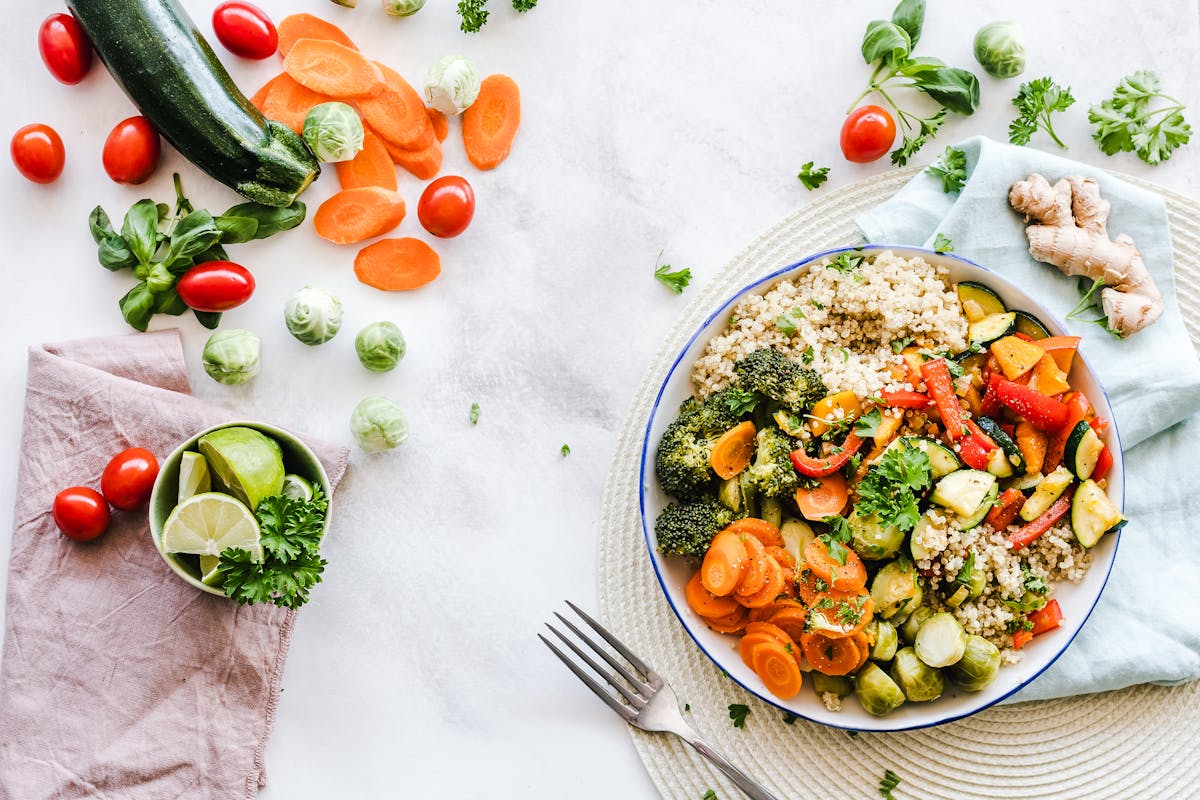
- Colorful vegetables and fruits for vitamins, minerals, and fiber.
- Whole grains (oats, quinoa, brown rice, barley) for sustained energy.
- Legumes, nuts, and seeds for plant‑based protein and healthy fats.
This doesn’t mean you “must” eat perfectly. It does mean that if you can only manage, say, 1,000–1,200 calories on some days, it’s wise to make those calories rich in nutrients rather than relying heavily on ultra‑processed snacks that offer little more than salt and sugar.
4. Long‑Term Sustainability and Life After GLP‑1s
One of the most important emerging conversations is: What happens when you reduce the dose or stop the medication? Hunger often returns, sometimes strongly. Without a sustainable way of eating, weight regain is common.
That’s why many health professionals now emphasize learning a long‑term pattern—such as a Mediterranean‑style, high‑fiber, plant‑forward diet—rather than relying solely on the drug. Building cooking skills, meal routines, and a flexible mindset around food matters just as much as what’s in the injection pen.
Ethics, Access, and the Darker Side of GLP‑1 Diet Culture
Alongside inspiring health stories, GLP‑1 weight‑loss drugs have sparked heated ethical debates. Shortages have affected some people with diabetes who rely on these medications for blood‑sugar control. Meanwhile, aggressive marketing and off‑label use have raised concerns about normal‑weight individuals using powerful drugs for aesthetic goals alone.
- Access and equity: High costs and limited insurance coverage mean that many lower‑income patients can’t access medications, even when medically indicated.
- Medicalizing thinness: Critics argue that we’re doubling down on a culture that equates thinness with health and moral worth, instead of addressing social determinants of health.
- Body image impacts: Increased visibility of rapid weight loss can intensify pressure on those in larger bodies, sometimes worsening disordered eating patterns.
In podcasts, think‑pieces, and on X/Twitter, these drugs are becoming a lens through which we examine diet culture, stigma, and how society values different bodies. Any conversation about GLP‑1 “diets” needs to hold space for these broader issues.
What to Eat on Ozempic, Wegovy, Mounjaro, or Zepbound: A Practical Framework
If you’re on a GLP‑1 medication—or supporting someone who is—you don’t need a rigid “Ozempic meal plan.” Instead, think in terms of gentle guidelines that respect your hunger cues, cultural food traditions, and comfort level in the kitchen.
Gentle, GLP‑1‑Friendly Eating Tips
- Start small: Serve half portions and go back for more only if you’re truly hungry.
- Go lower fat initially: Especially during dose escalations, limit heavy, fried, or very greasy foods.
- Hydrate strategically: Sip water throughout the day rather than chugging large amounts with meals.
- Favor soft textures: Think soups, stews, porridges, yogurt, smoothies, and tender grains.
- Anchor each meal with protein: Aim to include a protein source every time you eat.
A Sample Gentle Eating Day on GLP‑1 (Mediterranean‑Inspired)
Here’s an example of how a day of smaller, protein‑forward meals might look. This is not a prescription, just a template you can adapt to your own tastes, culture, and medical guidance.
Morning: Soft, Protein‑Rich Breakfast
Option: Greek yogurt parfait with oats and berries
- Plain or lightly sweetened Greek yogurt (or soy yogurt for dairy‑free).
- Soft rolled oats or cooked oatmeal stirred in.
- Handful of berries or sliced fruit.
- Drizzle of honey or date syrup if desired.
The creamy yogurt, gentle tang, and soft oats offer protein and fiber without heaviness. If your appetite is tiny, start with a few spoonfuls and store the rest in the fridge.
Midday: Light, Brothy Lunch
Option: Lentil and vegetable soup with a small piece of whole‑grain bread
A warm, aromatic broth with tender lentils and vegetables can be deeply comforting. The steam carries gentle herbal notes—think thyme, bay leaf, maybe a hint of garlic—without being overpowering. Dip a corner of bread, have a few bites, and stop when you feel satisfied.
Evening: Simple, Tender Protein with Grains and Veg
Option: Baked salmon (or tofu) with quinoa and steamed vegetables
- Small palm‑sized piece of salmon or marinated tofu.
- ¼–½ cup cooked quinoa, warm and fluffy.
- Steamed carrots, zucchini, or green beans with a light drizzle of olive oil.
The plate looks colorful but not crowded. The salmon is flaky and moist; the quinoa has a gentle, nutty aroma; the vegetables stay slightly crisp. This kind of balance keeps meals satisfying without overwhelming a slowed digestive system.
Snacks: Small, Protein‑Forward Bites
- Half a protein shake sipped slowly.
- A boiled egg with a sprinkle of salt and pepper.
- Hummus with a few cucumber slices.
- A small handful of nuts if tolerated.
Recipe: Gentle High‑Protein Lentil & Vegetable Soup (GLP‑1 Friendly)
This cozy lentil and vegetable soup is designed with GLP‑1 users in mind: high in plant protein and fiber, low in added fat, and easy on a sensitive stomach. The texture is soft and spoonable, the flavors are savory but mild, and you can enjoy it in small bowls throughout the week. It’s naturally vegetarian, high‑protein, and can be made gluten‑free.
Quick Summary
Prep time:
Cook time:
Total time:
Servings: 6 small bowls
Difficulty: Easy
Ingredients
For a 6‑serving pot:
- 1 tablespoon olive oil (or water for oil‑free sautéing)
- 1 medium onion, finely diced
- 2 medium carrots, peeled and diced
- 2 celery stalks, diced
- 3 cloves garlic, minced (use less if sensitive)
- 1 teaspoon ground cumin
- 1 teaspoon smoked or sweet paprika
- 1 cup dried red or brown lentils, rinsed
- 1 can (14–15 oz / ~400 g) diced tomatoes, no‑salt‑added if possible
- 6 cups low‑sodium vegetable broth (or chicken broth)
- 1 bay leaf
- Salt and pepper to taste (add slowly if nausea is an issue)
- Juice of ½ lemon (optional, added at the end for brightness)
- 2 tablespoons chopped fresh parsley or cilantro, for serving (optional)
Equipment
- Large soup pot or Dutch oven
- Cutting board and sharp knife
- Wooden spoon or heat‑safe spatula
- Ladle
- Optional: immersion blender for a partially puréed texture
Step‑by‑Step Instructions
- Soften the aromatics. In a large pot, warm the olive oil over medium heat. Add the onion, carrots, and celery. Sauté for 5–7 minutes, stirring occasionally, until the vegetables are soft and the onion turns translucent. If they start to brown, reduce the heat and splash in a tablespoon of water.
- Add garlic and spices. Stir in the minced garlic, cumin, and paprika. Cook for 1 minute, just until fragrant. You should smell a warm, earthy aroma—avoid letting the garlic brown, which can become bitter and harsh on a sensitive stomach.
- Add lentils and liquids. Add the rinsed lentils, diced tomatoes with their juices, broth, and bay leaf. Stir well, scraping up any bits from the bottom of the pot.
- Simmer gently. Bring the soup to a gentle boil over medium‑high heat, then reduce the heat to low. Cover partially and simmer for 25–30 minutes, or until the lentils are very tender and the soup has thickened slightly.
- Adjust texture. For a softer, creamier texture that’s easier to tolerate, use an immersion blender to purée about ⅓ of the soup directly in the pot. Leave some lentils and vegetables whole for a satisfying spoonful.
- Season gently. Remove the bay leaf. Taste and add salt and pepper slowly, in small pinches. If you like, stir in the lemon juice for brightness. Keep flavors on the mild side if you’re prone to nausea or reflux.
- Serve in small bowls. Ladle the soup into small bowls, garnish with chopped parsley or cilantro if you enjoy herbs, and let it cool slightly before eating. Start with a few sips and bites; you can always come back for more later.
Visual Step‑By‑Step (Process Photos)

Storage & Reheating
- Fridge: Store in an airtight container for up to 4 days. The flavors mellow and deepen over time.
- Freezer: Portion into small containers and freeze for up to 3 months. Thaw overnight in the fridge.
- Reheating: Warm gently on the stove over low heat, adding a splash of water or broth if too thick. For the microwave, heat in 30–45 second bursts, stirring between each to avoid hot spots.
- Serving tip for GLP‑1 users: Reheat just a small amount at a time so you’re not pressured to finish a large portion if you get full quickly.
Serving Suggestions & Complementary Dishes
To round out this gentle, high‑protein soup into a full GLP‑1‑friendly meal, pair it with:
- A small slice of whole‑grain or gluten‑free bread, lightly toasted.
- A simple side of steamed or roasted vegetables tossed in lemon juice.
- A few spoonfuls of plain yogurt on the side for extra protein (or a dairy‑free alternative).
The goal is a meal that smells inviting, feels comforting in your mouth, and leaves you feeling gently satisfied—not stuffed or queasy.
Beyond the Hype: Rewriting Diet Culture With Compassion
GLP‑1 medications like Ozempic, Wegovy, Mounjaro, and Zepbound are more than a passing trend; they’re forcing a reckoning with how we talk about weight, willpower, and health. Instead of shaming or glorifying any one path, we can focus on what truly supports long‑term well‑being: honoring hunger and fullness signals, building simple cooking skills, choosing nutrient‑dense foods most of the time, and making room for cultural and personal food joy.
Whether you’re taking a GLP‑1, considering one, or simply curious about this new landscape, you deserve non‑judgmental, practical guidance. Start with small, gentle changes in the kitchen—like a pot of lentil soup simmering on the stove—and let your eating pattern evolve in partnership with your healthcare team and your own lived experience.