
Inside the Quiet Luxury Wellness Diet: What Celebrities Really Eat in a Day
Celebrity “What I Eat in a Day” & the Rise of the Quiet Luxury Wellness Diet
Celebrity “What I Eat in a Day” videos have evolved into a full-blown wellness genre—think sunlit marble kitchens, minimalist mugs of matcha, and perfectly composed grain bowls. Wrapped in a “quiet luxury” aesthetic, these daily-diet clips showcase organic, minimally processed, nutrient-dense foods, casting high-end wellness as both aspirational and effortlessly routine.
At the same time, dietitians, doctors, and creators are dissecting these routines through an evidence-based lens, raising smart questions about cost, balance, and what a truly sustainable, nourishing way of eating looks like for everyday people.
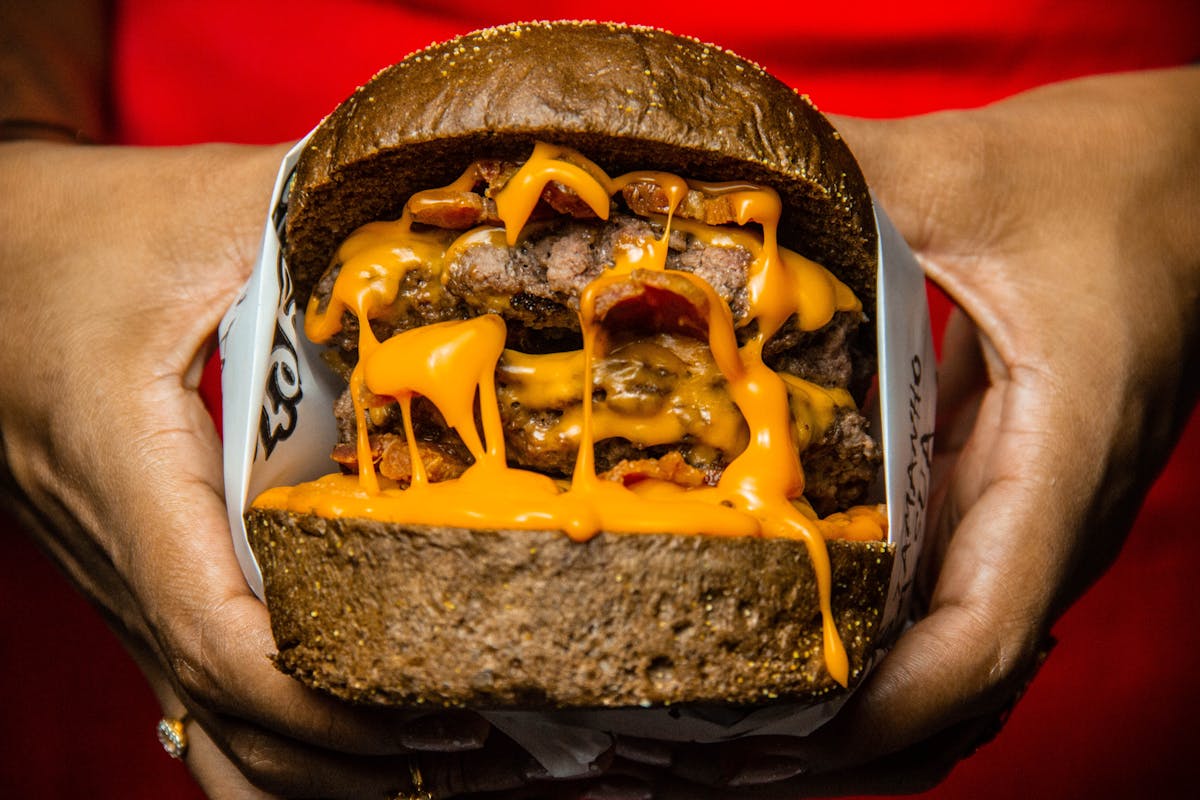
Behind the Scenes: Why Celebrity “What I Eat in a Day” Content Is Exploding
Platforms like TikTok, Instagram Reels, and YouTube Shorts have turned the once-mysterious celebrity diet into a daily vlog format. Fans don’t just see red-carpet looks; they see:
- Morning matcha lattes swirled with collagen or adaptogens
- Dense, emerald-green smoothies packed with spinach, avocado, and berries
- Midday grain bowls layered with quinoa, roasted vegetables, and wild-caught salmon
- Afternoon “functional” snacks: chia puddings, nuts, seeds, or high-cacao dark chocolate
- Evening brothy soups or simple plates of fish and greens
Each video becomes a template: followers copy grocery lists, recreate recipes, and debate portion sizes—while experts react, rate, and review in duets and stitched clips.

The Quiet Luxury Wellness Aesthetic: Understated, Neutral, and Nutrient-Dense
The “quiet luxury” wellness diet isn’t just about what celebrities eat—it’s about how it looks and feels. The colors are muted, the dishes are handmade ceramic, and labels are often turned away or kept minimal. Instead of bright packaging, the food itself becomes the focal point.
Typical quiet-luxury foods include:
- Heirloom vegetables in jewel tones—charred carrots, blistered tomatoes, roasted beets
- Artisanal sourdough with an open, chewy crumb and deep, caramelized crust
- Wild salmon with a rich, almost buttery texture and crisped skin
- Ripe avocado, sliced neatly or fanned out over toast or grain bowls
- Glossy berries, toasted nuts, and crunchy seeds scattered like garnishes
- High-cacao dark chocolate, polished and snappable, served with herbal tea
This aesthetic quietly signals quality and care: fewer logos, more texture; fewer diet slogans, more emphasis on seasonal, whole ingredients.

Functional Beverages & Super-Foods: Matcha, Mushrooms, and More
Celebrity wellness routines often revolve around “functional” drinks—beverages that promise more than just hydration. Morning routines may feature:
- Matcha lattes with oat or almond milk, creating a creamy, grassy, gently caffeinated sip
- Adaptogen-laced lattes using herbs like ashwagandha or reishi, marketed for stress support
- Mushroom coffee blends that claim smoother energy and focus with fewer jitters
- Green powders whisked into water for concentrated phytonutrients
- Electrolyte drinks with minimal sugar, tailored to intense training schedules
- Cold-pressed juices with bright, fragrant combinations of citrus, ginger, and leafy greens
Scientific support varies: while hydration, lower sugar intake, and higher plant diversity are widely backed, specific adaptogens and proprietary blends often rest on emerging or limited evidence. Still, the overall pattern tilts toward low-sugar, antioxidant-rich sips.
Nutritional Pattern: What These Quiet Luxury Diets Have in Common
When you look past the marble counters and designer glassware, many celebrity “what I eat in a day” menus share a reasonably sound nutritional core:
- High intake of plants: plates piled with vegetables, fruits, herbs, and spices, often across many colors
- Regular high-quality protein: eggs, Greek yogurt, legumes, tofu, fish, and lean poultry to support muscle and satiety
- Healthy fats: extra-virgin olive oil, avocado, nuts, seeds, and sometimes fatty fish like salmon or sardines
- Complex carbohydrates: whole grains (quinoa, farro, oats, brown rice) and sourdough instead of white bread
- Limited refined sugar and ultra-processed foods: desserts skew toward dark chocolate, fruit, or “healthified” treats
Many celebrities also experiment with timing—front-loading protein at breakfast, eating lighter dinners, or using gentle time-restricted eating windows, usually under the guidance of nutrition and fitness professionals.
The most sustainable pattern isn’t about perfection or expensive ingredients; it’s about consistent, satisfying meals built from whole foods you enjoy and can realistically access.
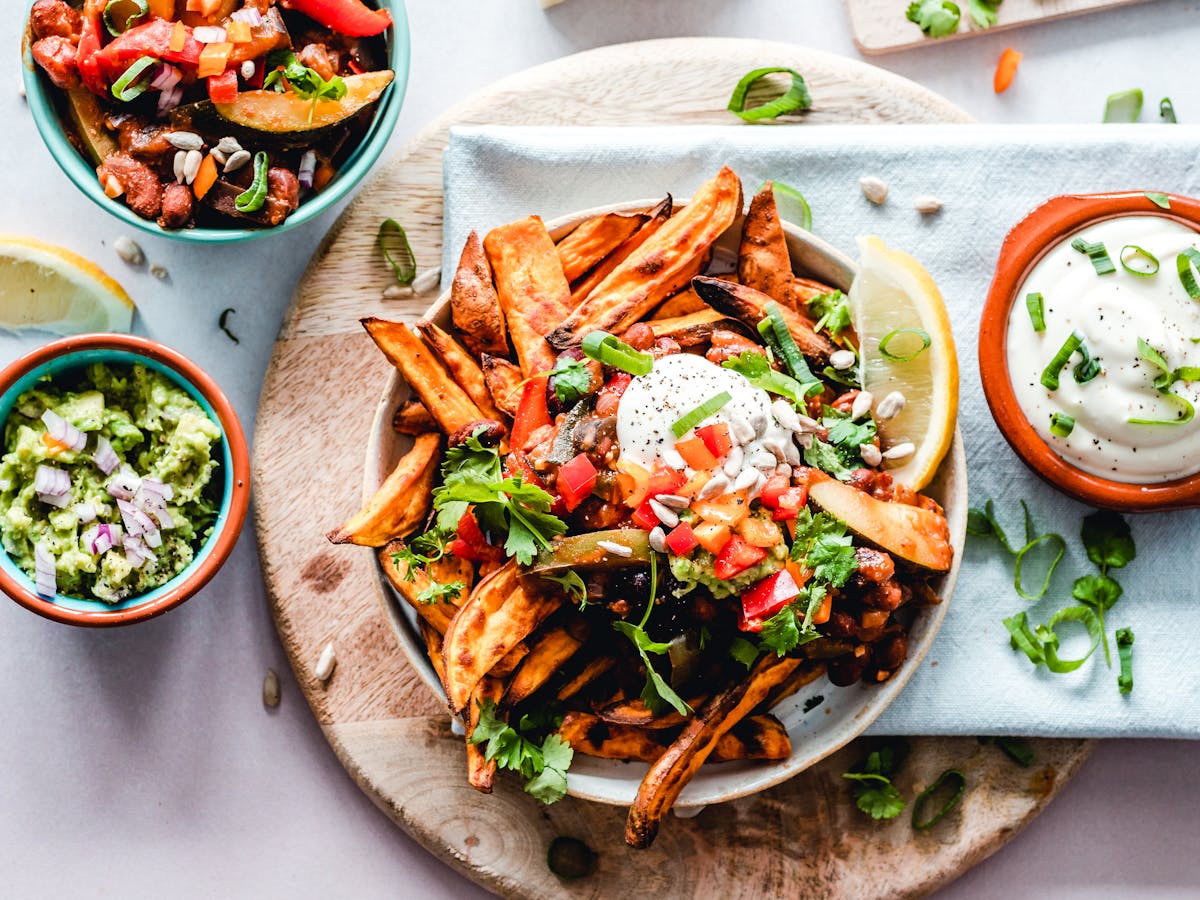
Critique, Cost, and Accessibility: The Other Side of Quiet Luxury Eating
As these videos gain traction, nutrition experts and social commentators are quick to highlight the gaps between celebrity lifestyles and everyday reality. Common concerns include:
- High cost: organic produce, wild-caught fish, artisanal bread, specialty powders, and boutique supplements add up quickly.
- Under-eating risk: some video days appear very low in calories, especially for highly active women in image-focused industries.
- Subtle rigidity: “clean eating” rules may be framed as wellness but can feel restrictive or anxiety-inducing for viewers.
- Privilege and time: private chefs, household help, and flexible schedules make these routines easier to maintain off-camera.
The growing “reaction video” space, where dietitians and doctors analyze celebrity diets, helps bring nuance: praising balanced meals, flagging red flags, and reminding viewers that health doesn’t require perfection or pricey super-foods.
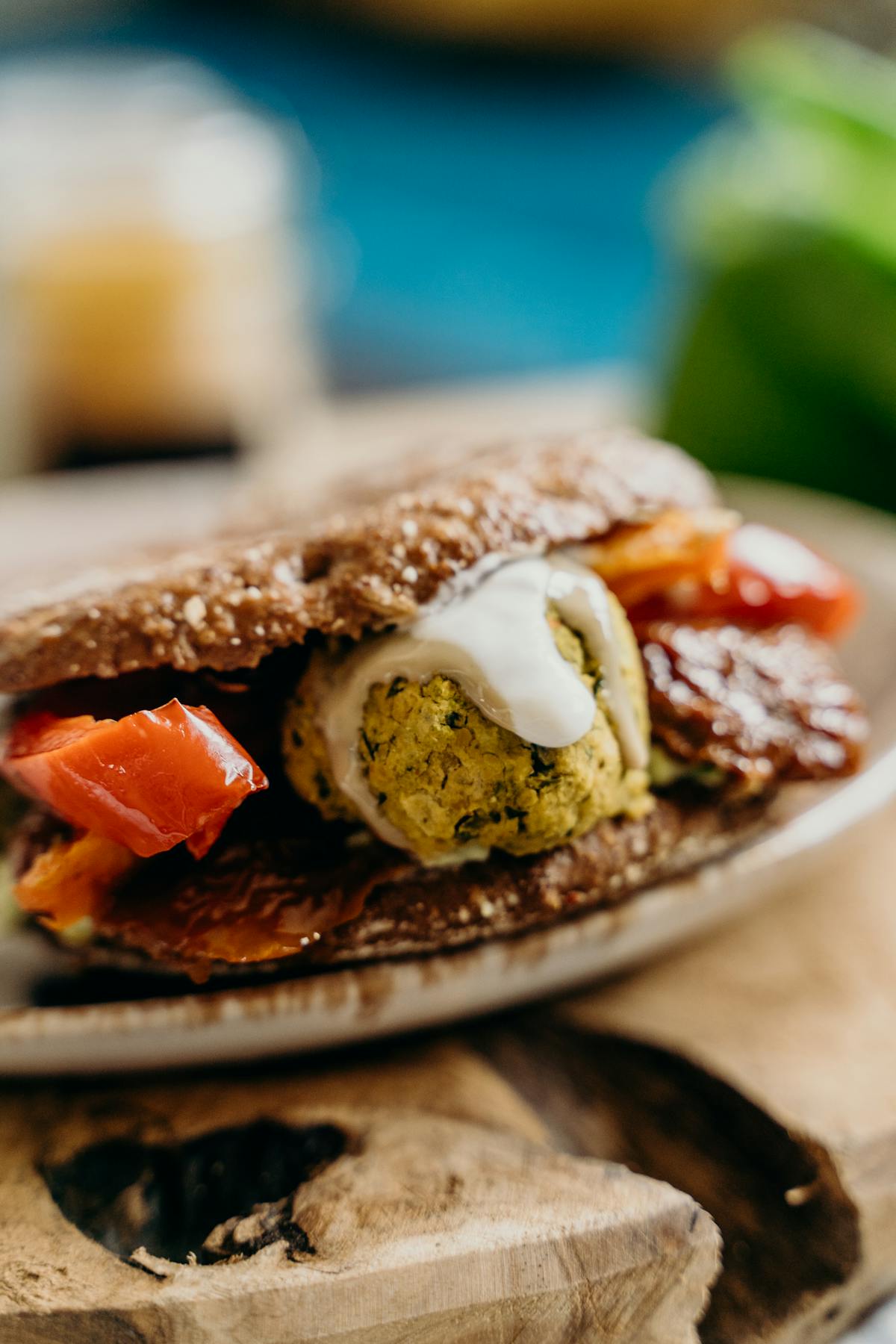
Bringing Quiet Luxury Wellness into Your Own Kitchen
You don’t need a celebrity chef or a designer kitchen to cook in a nutrient-dense, quietly luxurious way. Think of it as elevating everyday food with intention, balance, and a touch of ceremony.
Here’s an accessible, “inspired by but not ruled by” outline for a day that channels the trend while staying realistic:
- Morning: A protein-rich breakfast—like Greek yogurt or tofu with fruit and nuts, or eggs on whole-grain toast—plus tea or coffee you genuinely enjoy.
- Midday: A build-your-own grain bowl layered with leftover roasted vegetables, beans or chicken, greens, and a drizzle of olive oil and lemon.
- Afternoon: A snack with fiber and healthy fats: an apple with peanut butter, a handful of nuts, or carrot sticks with hummus.
- Evening: A simple, cozy meal—perhaps baked fish or lentil stew with a big side salad, plus a square or two of dark chocolate afterward.
- Hydration: Water as the baseline; herbal teas and unsweetened flavored seltzers as enjoyable extras.
Key Takeaways: Enjoy the Inspiration, Keep the Perspective
Celebrity “What I Eat in a Day” and quiet luxury wellness content can absolutely spark delicious ideas and motivate more home cooking. With a grounded, compassionate mindset, you can:
- Borrow the focus on vegetables, protein, and healthy fats while ignoring unrealistic rules.
- Use the aesthetic as inspiration—a reminder to plate food beautifully and eat mindfully.
- Adapt recipes with budget-friendly, accessible ingredients available in your local stores.
- Listen to your own body’s signals for hunger, satisfaction, and energy instead of copying portions exactly.
- Seek guidance from qualified professionals if you’re making big changes to your diet or have specific health needs.
In the end, the most luxurious wellness routine is one that nourishes you physically, emotionally, and socially—without demanding perfection, restriction, or a celebrity-sized budget.
