
Blue Zone Bowls: A Longevity-Inspired Recipe Trend You’ll Actually Crave
The Rise of Blue Zones & Longevity-Inspired Eating
Around kitchen tables, group chats, and social feeds, Blue Zone-style eating has become a delicious new language for talking about healthy aging. Instead of obsessing over quick-fix weight loss, more people are asking a different question: How can I eat in a way that helps me feel vibrant, strong, and clear-headed for decades? That curiosity has turned the everyday bean pot and grain bowl into unexpected stars of the longevity conversation.
“Blue Zones” is the term popularized by researcher and writer Dan Buettner to describe regions where people live notably longer, healthier lives. These include:
- Okinawa, Japan
- Sardinia, Italy
- Nicoya, Costa Rica
- Ikaria, Greece
- Loma Linda, California (USA)
Thanks to streaming documentaries, podcasts, and a wave of creators on YouTube and TikTok, interest in these long-lived cultures has exploded—especially their humble, plant-forward foods. Viewers are searching for “Blue Zone recipes,” “longevity bowls,” and “bean-based meal prep,” then bringing those ideas right into their own kitchens.
Why Blue Zone Diets Are Trending Now
Longevity content taps into something deeper than “bikini season.” It speaks to the wish to play with grandkids, to garden in our 80s, to protect our brains, and to savor meals surrounded by people we love. That’s why Blue Zone-inspired eating has become such a powerful counter-narrative to short-term fad diets.
1. From Weight Loss to Healthy Aging
Many people are shifting attention away from the scale and toward markers of long-term vitality: stable energy, blood sugar control, heart health, and cognitive function. Longevity-focused messaging feels more positive and sustainable—it’s about adding nourishing foods, not just restricting “bad” ones.
2. Clear, Food-First Patterns
Unlike rigid diet plans, Blue Zone-style eating is presented as a flexible, food-centric template. Common threads include:
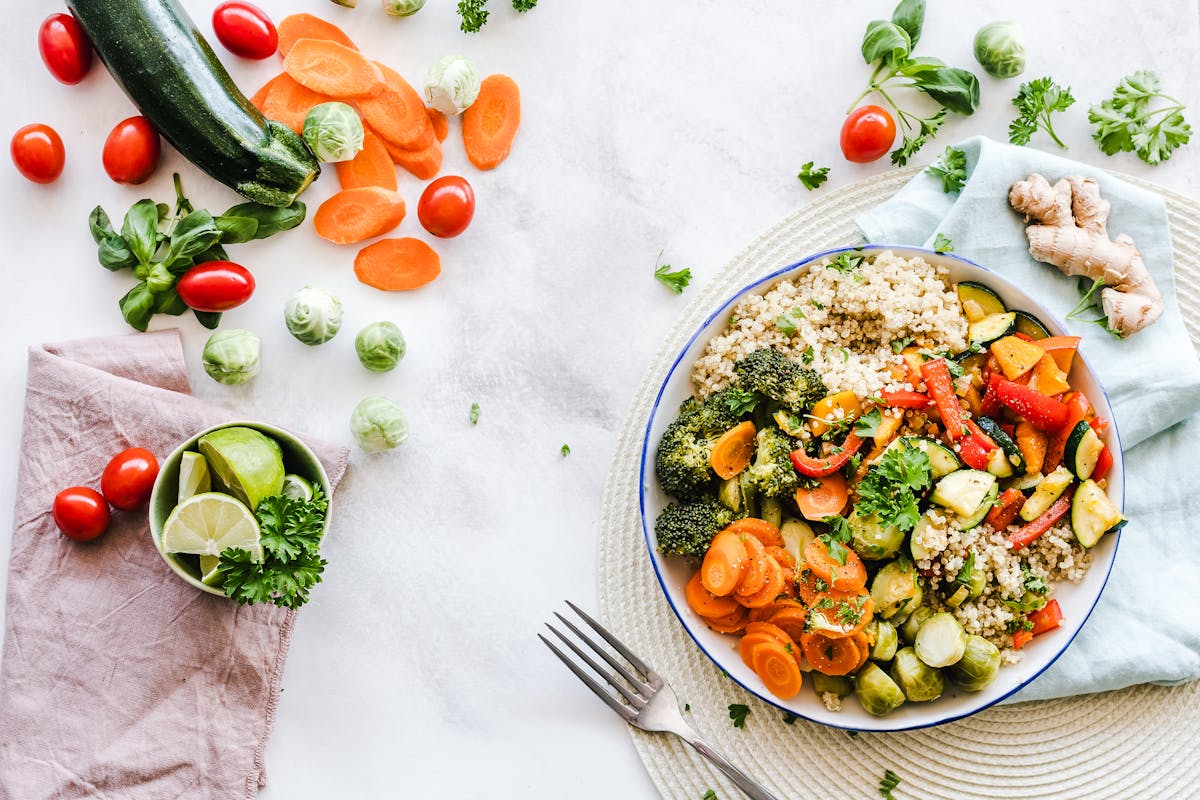
- Predominantly plant-based: beans, lentils, chickpeas, whole grains, vegetables, fruit.
- Healthy fats: extra virgin olive oil, nuts, seeds, and occasionally omega-3-rich fish.
- Minimal ultra-processed foods: simple, recognizable ingredients dominate the plate.
- Small amounts of animal products: fish, a little meat, or fermented dairy in some regions.
3. Beans as a Longevity “Super-Food”
If there’s one ingredient the Blue Zones absolutely agree on, it’s beans. On TikTok and YouTube, creators are proudly sharing:
- Hearty minestrone packed with cannellini and borlotti beans
- Smoky lentil stews and simple dal
- Chickpea salads with lemon and herbs
- Black bean and brown rice bowls crowned with avocado
Beans bring fiber, plant protein, and a spectrum of micronutrients like folate, magnesium, and potassium, plus antioxidant-rich polyphenols. They’re also budget-friendly and deeply comforting—especially when simmered with aromatics.
4. Lifestyle Beyond the Plate
Blue Zone stories don’t stop at food. They highlight:
- Natural movement (walking, gardening, household tasks)
- Strong social ties and shared meals
- A sense of purpose and community role
- Regular downshifting—rest, reflection, or spiritual practice
This holistic framing resonates with people who are tired of purely aesthetic diet culture. As a result, we’re seeing “Blue Zone morning routines,” “longevity walks,” and unplugged family dinners trending alongside recipes.
5. Meal Prep & “Longevity Bowls”
One of the most shareable formats is the longevity bowl: a simple, buildable meal based on a grain-and-bean foundation, layered with vegetables, greens, and a generous drizzle of olive oil or tahini. These bowls are easy to batch-cook, endlessly customizable, and naturally high in fiber and phytonutrients.
Think of longevity bowls as your weekly “edible insurance policy”—deeply satisfying now, while quietly investing in your future health.
What Makes a Blue Zone-Inspired Diet So Nourishing?
Nutritionally, Blue Zone-style eating lines up beautifully with modern research on chronic disease prevention and healthy aging. While each region has its own distinct flavors, several patterns repeat again and again.
- Fiber powerhouse: Many traditional Blue Zone diets provide 30–40+ grams of fiber per day from beans, whole grains, and vegetables. This supports gut health, blood sugar balance, and heart health.
- Phytonutrient-rich: A rainbow of plant foods brings antioxidants and anti-inflammatory compounds that may help protect cells and brain function.
- Healthy fats: Olive oil, nuts, and seeds deliver monounsaturated and omega-3 fats linked to cardiovascular and cognitive benefits.
- Plant-forward protein: Protein comes primarily from legumes and whole grains, with modest portions of animal foods layered in (if at all).
Critics rightly point out that longevity in these regions isn’t about diet alone—genetics, environment, healthcare access, and social structures all play crucial roles. And yes, some media can oversimplify or commercialize complex cultures. Still, as a directional template, Blue Zone-style eating is a nourishing, realistic way to move away from short-term fads and toward everyday vitality.
Blue Zone-Inspired Longevity Bowl Recipe (Vegan, High-Fiber)
To bring all of this to life, let’s build a warm, cozy Blue Zone-inspired longevity bowl. It’s centered on beans, whole grains, and seasonal vegetables, with a generous drizzle of lemony olive oil. The flavors nod to the Mediterranean and Latin American Blue Zones, but the method is simple enough for a busy weeknight.
The result is a bowl that’s:
- Vegan and naturally gluten-free (with the right grain)
- Packed with fiber, plant protein, and healthy fats
- Meal-prep friendly and endlessly customizable
- Comforting, aromatic, and deeply satisfying

Recipe: Everyday Blue Zone Longevity Bowl

This Blue Zone-inspired longevity bowl layers tender beans, nutty whole grains, roasted seasonal vegetables, and bright lemon-garlic olive oil dressing. It’s vegan, high in fiber and plant protein, and perfect for meal prep or a cozy dinner that supports healthy aging.
Ingredients
For the grains
- 1 cup (190 g) dry brown rice, or farro, barley, or quinoa for a gluten-free option
- 2 cups (480 ml) water or low-sodium vegetable broth
- Pinch of sea salt
For the beans
- 2 cups cooked beans (about 1.5 cans / 375 g), such as chickpeas, black beans, or cannellini, drained and rinsed
- 1 tbsp extra virgin olive oil
- 2 cloves garlic, minced
- 1 tsp ground cumin or dried oregano (or a mix)
- 1/2 tsp smoked paprika (optional, for a cozy depth)
- Sea salt and black pepper, to taste
For the roasted vegetables
- 2 cups chopped seasonal vegetables (e.g., carrots, sweet potato, zucchini, bell pepper, red onion)
- 1 tbsp extra virgin olive oil
- 1/2 tsp sea salt
- Freshly ground black pepper
- 1 tsp dried herbs (thyme, rosemary, oregano, or mixed Italian herbs)
For the greens & toppings
- 3–4 cups loosely packed leafy greens (spinach, baby kale, arugula, or chopped romaine)
- 1 small avocado, sliced (optional but highly recommended)
- 2–3 tbsp chopped nuts (walnuts, almonds, pistachios) or seeds (pumpkin, sunflower, sesame)
- Fresh herbs like parsley, cilantro, or basil, chopped
For the lemon-garlic olive oil dressing
- 3 tbsp extra virgin olive oil
- 2 tbsp freshly squeezed lemon juice
- 1 small clove garlic, very finely minced or grated
- 1 tsp Dijon mustard (optional, for creaminess and tang)
- 1/2 tsp sea salt, or to taste
- Freshly ground black pepper
Equipment
- Medium saucepan with lid (for grains)
- Rimmed baking sheet (for roasting vegetables)
- Large skillet (for warming and seasoning the beans)
- Small bowl or jar with lid (for mixing dressing)
- Cutting board and sharp knife
- Measuring cups and spoons
Instructions
- Cook the grains.
Rinse your chosen grain under cold water. In a medium saucepan, combine 1 cup (190 g) grain with 2 cups (480 ml) water or broth and a pinch of salt. Bring to a boil, then reduce heat to low, cover, and simmer until tender:- Brown rice: 30–35 minutes
- Farro/barley: 25–30 minutes
- Quinoa: 15 minutes
- Preheat and prep vegetables.
While the grains cook, preheat the oven to 400°F (200°C). Line a baking sheet with parchment paper (optional for easy cleanup). Chop your vegetables into bite-sized pieces, aiming for similar sizes so they roast evenly. - Roast the vegetables.
Spread chopped vegetables on the baking sheet. Drizzle with 1 tbsp olive oil, sprinkle with 1/2 tsp salt, black pepper, and dried herbs. Toss to coat. Roast for 20–25 minutes, stirring once halfway, until edges are caramelized and the vegetables are tender and golden in spots. - Warm and season the beans.
In a large skillet over medium heat, warm 1 tbsp olive oil. Add minced garlic and sauté for about 30 seconds until fragrant but not browned. Stir in the cooked beans, cumin or oregano, smoked paprika (if using), salt, and pepper. Cook for 3–5 minutes, stirring, until the beans are warmed through and lightly coated with the aromatics. Taste and adjust seasoning. - Make the lemon-garlic dressing.
In a small bowl or jar, whisk or shake together olive oil, lemon juice, minced garlic, Dijon (if using), salt, and black pepper until emulsified. Taste: it should be bright and zippy with a gentle garlicky kick. Adjust lemon or salt as desired. - Prep the greens and toppings.
Rinse and dry your greens. Slice the avocado and roughly chop the nuts/seeds and fresh herbs. Keep everything ready for easy assembly. - Assemble the longevity bowls.
Divide the warm grains among 4 bowls. Add a generous scoop of seasoned beans to each. Top with roasted vegetables and a handful of fresh greens. Tuck in a few slices of avocado, sprinkle with nuts or seeds, and finish with chopped herbs. Drizzle each bowl with the lemon-garlic dressing just before serving. - Serve and enjoy.
Serve the bowls warm, with extra lemon wedges and olive oil on the table. Take a moment to actually pause, inhale the aroma of roasted vegetables and garlic, and enjoy the gentle richness of olive oil—a tiny ritual of longevity all on its own.
Storage, Meal Prep & Reheating
Longevity-style eating shines when you cook once and benefit for days. This bowl is ideal for meal prep, letting your future self open the fridge to something nourishing and ready.
- Grains: Store cooked grains in an airtight container in the fridge for up to 4–5 days.
- Beans: Seasoned beans keep well for 3–4 days, refrigerated.
- Roasted vegetables: Refrigerate in a separate container for 3–4 days.
- Dressing: The lemon-garlic dressing stays bright for 4–5 days in a sealed jar. Shake before using.
- Greens & toppings: Store greens un-dressed with a paper towel in the container to absorb excess moisture. Add avocado and nuts just before serving so they stay fresh and vibrant.
For reheating, warm grains, beans, and roasted vegetables together in a skillet over low heat with a splash of water or broth until steaming. Then assemble with fresh greens, toppings, and a drizzle of dressing. This keeps the textures lively and the flavors bright.
Serving Ideas & Complementary Dishes
In the Blue Zones, meals are rarely eaten in isolation—they’re part of a rhythm of connection, conversation, and movement. You can echo that spirit at home with simple, supportive sides.
- Light soup starter: A small bowl of vegetable or minestrone soup before your longevity bowl adds warmth and extra fiber.
- Simple salad: Toss leafy greens with olive oil, lemon, and a pinch of salt, then scatter with nuts or seeds.
- Fruit for dessert: Fresh orange slices, berries, or a baked apple with cinnamon echo Blue Zone-style endings: sweet, but gently so.
- Herbal tea: A cup of herbal tea (like mint, chamomile, or mountain tea) makes a soothing, digestion-friendly finish.
However you serve it, try to slow down, share the meal if you can, and savor each bite. That unhurried joy at the table might be just as longevity-promoting as the beans and greens themselves.
