
Glow From the Gut: Fermented Foods & a Microbiome‑Friendly Way to Eat
Gut Health, Fermented Foods & the Microbiome‑Friendly Kitchen
Gut health has stepped out of the lab and into our everyday kitchens. Across TikTok, YouTube, and podcasts, people are discovering that a microbiome‑friendly diet rich in fermented foods, prebiotic fiber, and colorful plants can support digestion, mood, immunity, and more. Instead of obsessing over calories alone, we’re finally asking: “What does this meal feed my microbes?”
Below you’ll find a warm, practical guide to this gut‑health trend and a deeply satisfying recipe: a Microbiome‑Friendly Kimchi Brown Rice Bowl with Tempeh and Miso Dressing. It’s packed with fermented foods, plant diversity, and textures that make your taste buds just as happy as your gut.
Why Gut Health & Fermented Foods Are Everywhere
Search trends for phrases like “gut health diet” and “fermented foods benefits” have climbed steadily in recent years. On social media, #guthealth and #microbiome posts often highlight:
- Daily fermented foods like kimchi, sauerkraut, yogurt, kefir, miso, and tempeh.
- Prebiotic fibers from onions, garlic, leeks, bananas, oats, beans, lentils, and artichokes.
- Plant diversity—a fun challenge to hit 30+ different plant foods per week.
- Low‑inflammation, minimally processed meals with olive oil, nuts, seeds, legumes, and fish.
Nutritionally, the core message is simple and evidence‑aligned: more whole plants, more fiber, more fermented foods, and fewer ultra‑processed products. The recipe in this article is designed to embody exactly that pattern—without feeling like “health food.”
The Microbiome‑Friendly Diet in Plain Language
When we talk about a “gut‑healthy” or “microbiome‑friendly” diet, we’re really talking about feeding trillions of tiny organisms that live mainly in your large intestine. They thrive when we give them:
- Fermented foods (probiotics) – foods like kimchi or kefir that already contain live, beneficial microbes.
- Prebiotic fibers – specific fibers that your microbes love to ferment, producing short‑chain fatty acids that support gut and metabolic health.
- High overall fiber – 25–38 g/day or more from whole fruits, vegetables, whole grains, beans, nuts, and seeds.
- Variety – different microbes like different “menu items,” so variety really matters.
Our recipe below layers these principles: live fermented kimchi, fiber‑rich brown rice and vegetables, and a miso‑tahini dressing that brings creamy, savory depth.
Microbiome‑Friendly Kimchi Brown Rice Bowl with Tempeh & Miso Dressing
This bowl tastes like something from a cozy neighborhood café: warm, nutty brown rice; crisp‑edged tempeh with gentle smokiness; cool cucumber; sweet carrot crunch; buttery avocado; and a punchy, tangy kimchi that wakes everything up. A silky miso‑tahini dressing ties it together with umami and gentle acidity.
It’s naturally high in fiber, rich in plant diversity, and can easily be made gluten‑free and fully plant‑based. Think of it as a flexible template for a gut‑friendly lunch or dinner any day of the week.
Quick Recipe Summary
Equipment You’ll Need
- Medium saucepan or rice cooker for the brown rice
- Non‑stick or cast‑iron skillet for the tempeh
- Cutting board and sharp knife
- Small bowl or jar for the dressing
- Measuring spoons and cups
- Two serving bowls for assembly
Ingredients
For the Bowl
- 1 cup cooked brown rice (about 1/2 cup dry) – cooled slightly; any whole grain works.
- 200 g tempeh, sliced into 1 cm strips – a fermented soy “cake” with a nutty flavor.
- 1 tbsp tamari or low‑sodium soy sauce – for marinating the tempeh.
- 1 tbsp olive oil or avocado oil – for pan‑frying.
- 1 tsp toasted sesame oil – deep, nutty aroma.
- 1/2 cup kimchi, roughly chopped – unpasteurized if possible for live cultures.
- 1 small carrot, cut into matchsticks – sweet crunch and beta‑carotene.
- 1/2 cup thinly sliced cucumber – refreshing and hydrating.
- 1/2 ripe avocado, sliced – creamy, gut‑gentle fats.
- 2 cups mixed salad greens or shredded cabbage – extra fiber and volume.
- 1 spring onion (scallion), thinly sliced – gentle allium bite.
- 1 tbsp toasted sesame seeds – crunchy garnish.
- 2 tbsp fresh coriander or parsley leaves (optional) – bright herbal finish.
For the Miso–Tahini Gut‑Friendly Dressing
- 1½ tbsp white or yellow miso paste – fermented soy for umami and probiotics.
- 1½ tbsp tahini – sesame seed paste, creamy and rich in minerals.
- 2 tbsp plain yogurt or unsweetened plant yogurt – adds tang and live cultures.
- 1 tbsp rice vinegar or apple cider vinegar – gentle acidity.
- 1 tsp honey or maple syrup – balances the salt and tang.
- 2–3 tbsp water, as needed – to thin.
- 1 small clove garlic, finely grated – a prebiotic allium (optional if sensitive).
- ½ tsp grated fresh ginger – warming and soothing.
- Salt and pepper to taste.
Step‑by‑Step Cooking Instructions
1. Cook the Brown Rice
- Rinse 1/2 cup dry brown rice under cold water until it runs mostly clear.
- Add rice to a saucepan with 1 cup water and a pinch of salt.
- Bring to a boil, then reduce to a low simmer, cover, and cook for 25–30 minutes, or until tender and the water is absorbed.
- Turn off the heat and let stand, covered, for 5–10 minutes, then fluff with a fork.
2. Marinate the Tempeh
- While the rice cooks, slice the tempeh into 1 cm strips or bite‑sized rectangles.
- In a small bowl, whisk together 1 tbsp tamari and 1 tsp toasted sesame oil.
- Add the tempeh and gently toss to coat. Let it sit for 5–10 minutes to soak in flavor.
3. Prepare the Vegetables & Kimchi
- Peel (if you like) and cut the carrot into thin matchsticks.
- Slice the cucumber thinly on the diagonal for more surface area and crunch.
- Roughly chop the kimchi so it’s easier to distribute in the bowl.
- Slice the spring onion and avocado.
- Rinse and dry the salad greens or cabbage.
4. Pan‑Fry the Tempeh
- Heat 1 tbsp olive or avocado oil in a non‑stick or cast‑iron skillet over medium heat.
- Arrange the marinated tempeh pieces in a single layer.
- Cook for 3–4 minutes per side, until golden and crisp at the edges and fragrant.
- Remove from the pan and set on a plate to rest.
5. Whisk the Miso–Tahini Dressing
- In a small bowl or jar, combine:
- 1½ tbsp miso paste
- 1½ tbsp tahini
- 2 tbsp yogurt
- 1 tbsp vinegar
- 1 tsp honey or maple syrup
- Garlic and ginger
- Whisk until smooth, then slowly add 2–3 tbsp water until the dressing is creamy and pourable.
- Taste and adjust with a pinch of salt and pepper, extra vinegar for tang, or a splash more water if it thickens as it sits.

6. Assemble Your Microbiome‑Friendly Bowl
- Divide the warm brown rice between two bowls.
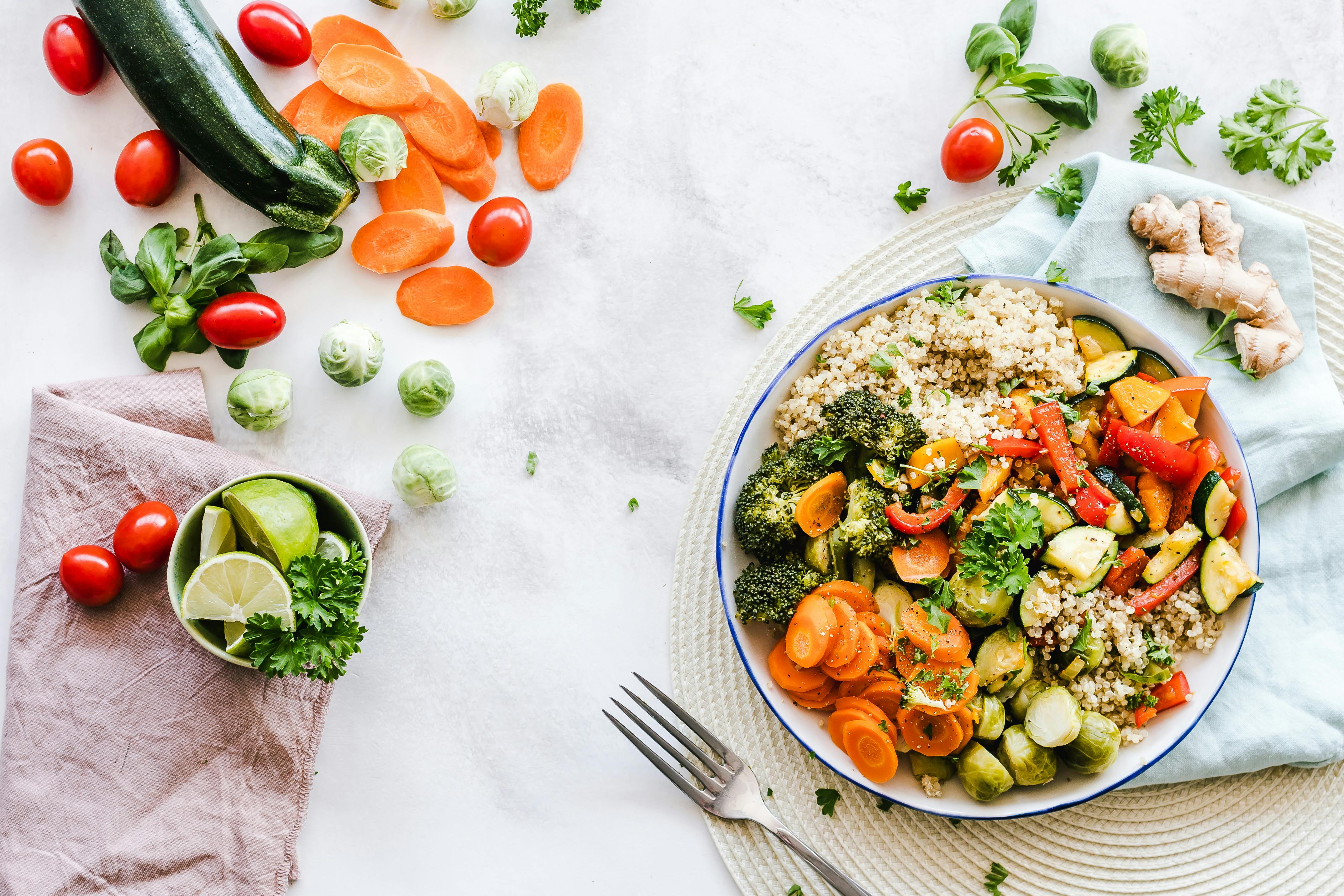
- Arrange the greens, carrot, cucumber, kimchi, avocado, and tempeh in little “piles” on top—it’s visually satisfying and lets each bite taste different.
- Drizzle generously with the miso–tahini dressing.
- Sprinkle with spring onion, toasted sesame seeds, and fresh herbs if using.
- Serve immediately, while the rice and tempeh are still warm and the veggies cool and crisp.
Gut‑Friendly Tips, Swaps & Variations
Make It Vegan
- Use unsweetened plant yogurt instead of dairy yogurt.
- Swap honey for maple syrup or date syrup.
- Double‑check that your kimchi is fish‑free (many traditional brands contain fish sauce or shrimp paste).
Make It Gluten‑Free
- Use tamari instead of soy sauce.
- Ensure your miso is made from rice/soy only (some contain barley).
- Most plain kimchi is gluten‑free, but always read labels to be sure.
Low‑FODMAP or Sensitive Tummies
- Use a smaller amount of kimchi and build up slowly.
- Omit or reduce garlic and spring onion whites; use only the green tops.
- Swap brown rice for a white rice base if you tolerate it better during sensitive phases.
Ingredient Variations
- Use quinoa, barley, or farro instead of brown rice for different textures and plant diversity.
- Swap tempeh for tofu, edamame, grilled salmon, or soft‑boiled eggs.
- Add extra fermented foods: a spoonful of sauerkraut or a side of kefir to sip.
Storage & Reheating Guidelines
This bowl works beautifully for meal prep if you keep a few components separate.
- Cooked rice: Store in an airtight container in the fridge for up to 3–4 days. Reheat thoroughly before eating.
- Tempeh: Keeps well in the fridge for 3 days. Reheat in a dry skillet until warm and crisp again.
- Dressing: Store in a jar in the fridge for up to 5 days. It may thicken—just stir in a splash of water.
- Fresh vegetables & herbs: Store separately in sealed containers or bags. Slice avocado fresh just before serving to avoid browning.
- Kimchi: Lasts a long time in the fridge; keep it in its own jar to preserve flavor and texture.
For a quick microbiome‑friendly lunch, assemble your bowl with reheated rice and tempeh, then add cold vegetables, kimchi, and dressing straight from the fridge.
Serving Suggestions & Complementary Dishes
Turn this into a full gut‑health‑focused meal by pairing it with:
- A small bowl of miso soup with seaweed and tofu for extra fermented goodness.
- A side salad of mixed leaves, radishes, and toasted seeds to boost your plant count.
- A glass of unsweetened kombucha or water kefir as a refreshing fermented drink.
- Fresh fruit like berries, kiwi, or oranges for a light, fiber‑rich dessert.
“Think of each meal as a chance to add one or two new plants to your weekly total. Over time, your gut garden becomes more diverse, resilient, and vibrant.”

Putting Gut Health Trends Into Everyday Practice
The world of gut health can feel noisy—supplements promising miracles, elimination diets that cut out half your pantry, and one‑food hacks that claim to “fix” everything. The most grounded science, though, keeps circling back to a reassuringly simple pattern:
- Eat more plants, in many colors and forms.
- Include fermented foods most days if you tolerate them.
- Favor minimally processed foods over ultra‑processed options.
- Listen to your body and adjust portions and ingredients as needed.
This kimchi brown rice bowl is just one delicious example of what a microbiome‑friendly meal can look like. Use it as a starting point, then play—swap in seasonal vegetables, different grains, and alternative proteins. The more you experiment, the more intuitive gut‑supportive cooking will feel.
Whether you’re a confident cook or just beginning, you have everything you need to start nourishing your “gut garden” one satisfying bowl at a time.
