
High-Protein Comfort Food: Macro-Friendly Recipes for the Protein-Leaning Trend
High‑Protein ‘Macro‑Friendly’ Recipes & Anabolic French Toast
High‑protein, macro‑friendly recipes have jumped from niche bodybuilding forums to mainstream TikTok and YouTube feeds, promising protein‑dense, lower‑calorie versions of our favorite comfort foods. Instead of rigid dieting rules, this “protein‑leaning” style focuses on satiety, muscle support, and flexible eating—think cottage‑cheese desserts, protein oatmeal, and the now‑iconic anabolic French toast. Below, you’ll find a deep dive into the trend and a fully tested, high‑protein French toast recipe that fits beautifully into a macro‑aware lifestyle.
What Is the Protein‑Leaning, Macro‑Friendly Trend?
On social platforms, tags like #highprotein, #macrotracking, and #iifym spotlight creators turning everyday meals into protein‑dense, macro‑aware dishes. The core idea: build your plate around protein and fiber, then flex your carbs and fats to match your goals—without outlawing entire food groups.
Many fitness‑minded eaters aim for about 30–40 g of protein per meal, using tricks like Greek yogurt, cottage cheese, egg whites, tofu, beans, and lean meats. Instead of “diet food” that feels sparse, they boost volume with vegetables, fruits, and whole grains to stay genuinely full.
In practice, macro‑friendly cooking often looks like your usual comfort food—just rebuilt with more protein, more fiber, and a little more intention.
Dietitians tend to appreciate the move toward adequate protein and nutrient‑rich base foods, while also reminding folks not to rely solely on protein powder or ultra‑processed snacks and to watch that calories don’t get unsustainably low.
Why High‑Protein, Macro‑Friendly Recipes Are Everywhere
Several forces have pushed protein‑leaning eating into the spotlight:
- Weight management & satiety: Protein helps you feel full longer and supports lean muscle during fat loss, so it’s become a centerpiece for body recomposition goals.
- Flexible over rigid: Instead of “no carb” or “no fat,” macro‑friendly eaters watch overall protein, carbs, and fats, leaving room for treats that fit their daily targets.
- Viral protein hacks: Cottage cheese sauces, Greek yogurt “protein bark,” protein pasta, and high‑protein wraps show how to upgrade favorite foods with a protein boost.
- Fitness culture crossover: Home workouts and online coaching often come bundled with macro targets and easy, high‑protein meal ideas that now feel mainstream.
The result is a middle‑ground style of eating: indulgent enough to enjoy, structured enough to support performance and body composition, and flexible enough to live your life.
Featured Recipe: High‑Protein “Anabolic” French Toast
Let’s turn the trend into breakfast. This macro‑friendly, high‑protein French toast keeps all the nostalgic joy of cinnamon‑scented, custard‑soaked bread, but leans hard on egg whites and Greek yogurt to pack in protein with fewer calories than classic versions.
The texture is golden and crisp at the edges, custardy in the middle, with warm vanilla‑cinnamon aromas filling your kitchen. Top it with juicy berries and a drizzle of sugar‑free syrup or a thin ribbon of real maple syrup—whatever fits your personal macro balance and taste.

Quick Recipe Summary
Prep Time: 10 minutes
Cook Time: 10–12 minutes
Total Time: 20–25 minutes
Servings: 1–2 (3–4 slices)
Difficulty: Easy
Estimated protein: 35–40 g per batch, depending on bread and toppings.
Equipment You’ll Need
- Nonstick skillet or griddle (at least 10 in / 25 cm)
- Mixing bowl with pour spout (helpful but not essential)
- Whisk or fork
- Shallow dish or tray for soaking bread
- Spatula (thin, wide one makes flipping easier)
- Measuring cups and spoons
Ingredients for High‑Protein French Toast
These quantities make 3–4 slices, ideal for one very hungry, protein‑focused eater or two lighter portions.
For the Protein Custard
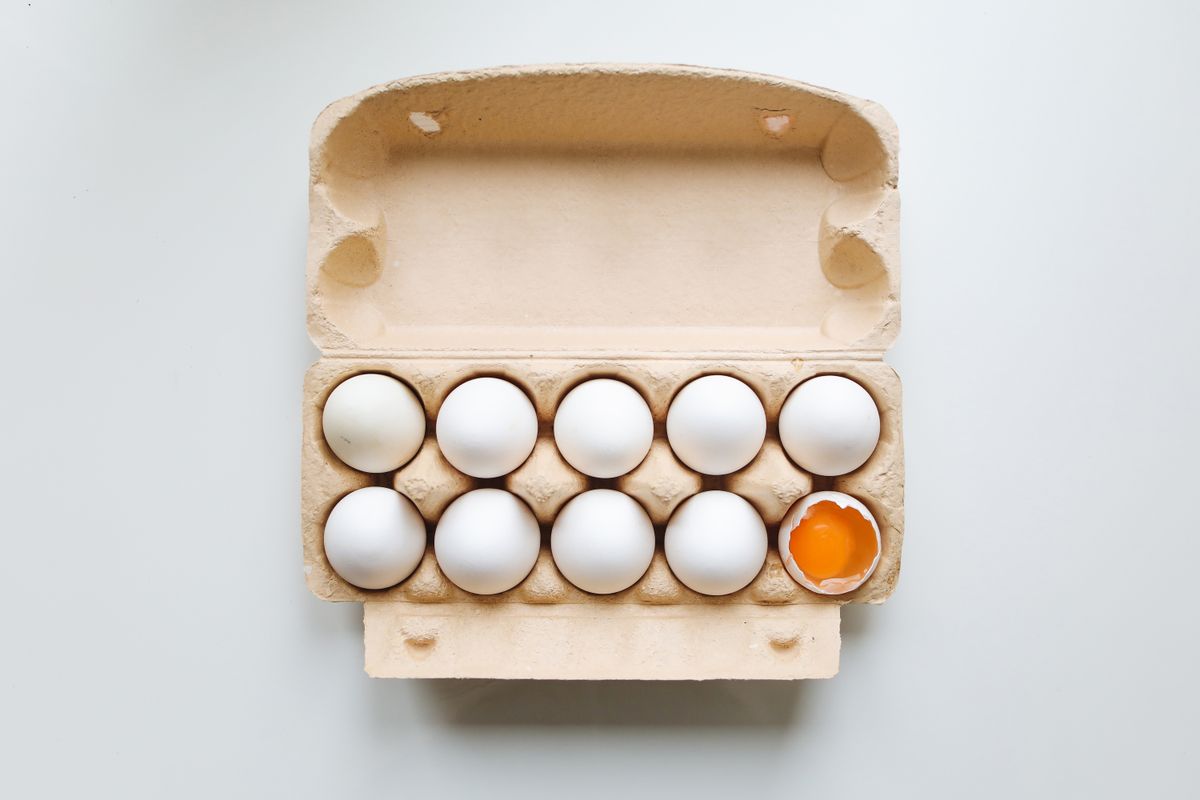
- 150 ml (about 5 fl oz / ⅔ cup) liquid egg whites
- 1 whole large egg (adds richness, can be omitted)
- 60 g (about ¼ cup) non‑fat Greek yogurt or skyr
- 15 g (about ½ scoop) whey or plant protein powder, vanilla or unflavored
- 60 ml (4 tbsp) unsweetened almond milk or other low‑fat milk
- 1 tsp vanilla extract
- 1–2 tsp granulated sweetener of choice (sugar, stevia blend, erythritol, etc.)
- ½–1 tsp ground cinnamon
- Pinch of salt
For the Bread
- 3–4 slices thick, high‑protein bread or light whole‑grain bread
(Look for 8–12 g protein per 2 slices; day‑old bread soaks best.)
For Cooking
- Cooking spray or 1–2 tsp neutral oil / light butter
Toppings (Macro‑Friendly Ideas)
- Fresh berries (strawberries, blueberries, raspberries)
- Extra dollop of Greek yogurt or cottage cheese
- Sugar‑free syrup or 1–2 tsp maple syrup or honey
- Sprinkle of cinnamon or cocoa powder
- 5–10 g crushed nuts or nut butter drizzle for healthy fats
Step‑by‑Step Instructions
- Preheat your pan.
Set a nonstick skillet or griddle over medium heat. Let it warm while you prepare the custard, then lightly coat with cooking spray or a thin film of oil. - Make the protein custard base.
In a mixing bowl, whisk together egg whites, whole egg (if using), Greek yogurt, milk, vanilla, sweetener, cinnamon, and a pinch of salt. Sprinkle in the protein powder and whisk until smooth, with no dry pockets. The mixture should be slightly thicker than plain egg whites but still pourable. - Transfer to a shallow dish.
Pour the custard into a shallow tray or dish wide enough to fit your bread. This helps the slices soak evenly. - Soak the bread.
Add 1–2 slices of bread to the dish at a time. Let them sit for about 20–30 seconds per side, gently pressing so they absorb the custard without breaking apart. For very dense bread, you can extend to 40–45 seconds per side. - Cook the first side.
Place soaked slices onto the preheated pan. You should hear a soft sizzle. Cook for 3–4 minutes, until the underside is golden brown and the edges start to set. - Flip and finish cooking.
Carefully flip each slice and cook another 2–3 minutes. The center should feel slightly springy when pressed, not wet. Reduce heat slightly if browning too fast. - Repeat with remaining slices.
Respray the pan if needed and repeat soaking and cooking until all the custard and bread are used. If you have a bit of custard left, you can quickly tear extra bread into chunks and cook as “French toast bites.” - Plate and add macro‑friendly toppings.
Stack your French toast, then top with Greek yogurt or cottage cheese, fresh berries, a drizzle of syrup that fits your macros, and cinnamon. Serve hot while the edges are still crisp and the interior is soft and custardy.

Macro‑Friendly Nutrition Notes (Approximate)
Exact macros will depend on your bread, protein powder, and toppings, but for the base recipe (entire batch, without toppings) using high‑protein bread and non‑fat Greek yogurt, a ballpark estimate is:
- Protein: ~35–40 g
- Carbohydrates: ~35–45 g
- Fat: ~6–10 g
- Calories: ~350–450 kcal
For those tracking macros, this makes a stellar base for a breakfast aiming at around 30–40 g protein. Add fruit and a small amount of healthy fats (like nuts or nut butter) to round out your meal and keep it satisfying.
Variations & Dietary Adaptations
High‑Protein, Lower‑Calorie Focus
- Use only egg whites (no whole egg).
- Choose very light, high‑protein bread (often 40–60 kcal per slice).
- Stick to sugar‑free syrup and berries for toppings.
Dairy‑Free / Mostly Plant‑Based
- Swap Greek yogurt for soy or coconut yogurt with added protein.
- Use a soy‑ or pea‑based protein powder instead of whey or casein.
- Use fortified plant milk and dairy‑free toppings like coconut yogurt and fruit.
Gluten‑Free
- Choose a gluten‑free bread with good structure; slightly stale slices work best.
- Check that your protein powder and flavorings are certified gluten‑free.
Dessert‑Style Protein French Toast
- Add 1 tbsp cocoa powder and a few dark chocolate chips to the custard.
- Top with a scoop of high‑protein ice cream or frozen yogurt.
- Finish with a light dusting of powdered sugar just before serving.

Storage & Reheating Guidelines
This macro‑friendly French toast is great for meal prep and busy mornings.
- Refrigeration: Cool slices completely, then store in an airtight container for up to 3 days. Place parchment between layers to prevent sticking.
- Freezing: Lay slices on a tray to freeze individually, then transfer to a freezer bag. Freeze for up to 2 months. Label with date and portion size.
- Reheating (best texture): Toast in a toaster or air fryer at 180°C / 350°F for 4–6 minutes until heated through and crisp at the edges.
- Microwave (fastest): Heat on a microwave‑safe plate for 45–60 seconds. The texture will be softer but still tasty—refresh in a hot pan for 1 minute if you like.
Serving Ideas & Complementary Dishes
To turn this high‑protein French toast into a complete, macro‑friendly meal, pair it with sides that add fiber, color, and a bit of healthy fat.
- Fresh fruit salad with citrus segments, berries, and kiwi for vitamin C and fiber.
- A small side of scrambled egg whites or tofu scramble if you want to push protein even higher.
- Greek yogurt parfait layered with oats and fruit for extra creaminess and crunch.
- A handful of nuts or seeds (walnuts, chia, pumpkin seeds) to add omega‑3s and texture.
- Coffee or tea latte made with protein‑fortified milk for a gentle extra protein bump.

Bringing the Protein‑Leaning Trend into Your Kitchen
Macro‑friendly, high‑protein recipes are popular for a reason: they let you enjoy familiar, cozy dishes while supporting your energy, workouts, and body composition. Anabolic French toast is a perfect example—a plate that feels like weekend brunch, built smartly around protein, fiber, and satisfaction.
You don’t need to track every gram to benefit. Start by asking a simple question at each meal: “Where’s my protein coming from?” Then build in colorful produce and whole grains, plus enough healthy fats to feel satisfied. From there, the trends on your feed can become tools rather than rules.
Most importantly, let this style of cooking work for you—your taste buds, your schedule, and your goals. With a recipe like this in your back pocket, high‑protein eating can feel less like a chore and more like something to look forward to, one cinnamon‑vanilla‑scented slice at a time.
Recipe Metadata
The following embedded structured data helps search engines understand this macro‑friendly, high‑protein French toast recipe.
