
Hulk Hogan’s Fentanyl Confession: Wrestling Pain, Addiction, and a Second Act
Hulk Hogan has spent decades selling the image of the indestructible superhero in the ring. Now, he’s admitting that behind the scenes—especially during his TNA Wrestling years after his divorce from Linda Hogan—he was relying on what he calls lethal, life‑threatening amounts of fentanyl just to get through the day. His revelation doesn’t just reframe his own career; it throws a harsh spotlight on pro wrestling’s long, complicated history with pain, medication, and the blurred line between toughness and self-destruction.
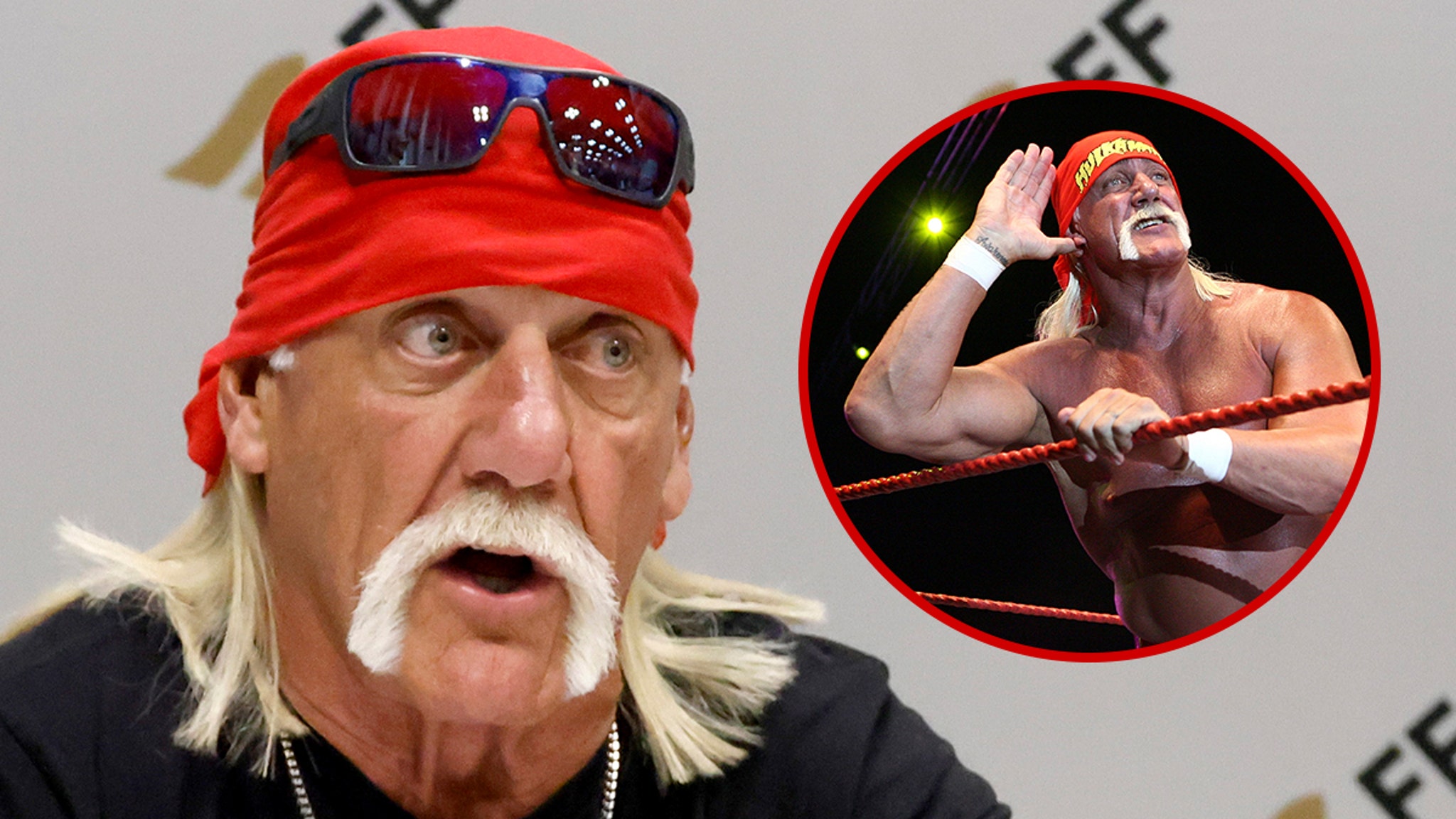
From Hulkamania to TNA: The Context Behind the Confession
By the time Hogan showed up in Total Nonstop Action (TNA) Wrestling in the late 2000s, he was a long way from his golden‑age WWF run. Years of main‑event bumps, surgeries, and the chaos of reality‑TV fame—plus a very public divorce from Linda Hogan—had taken a visible toll. His TNA stint was billed as a late‑career reinvention, but fans could see the physical limitations: slower movement, heavily taped body parts, and an aura of strain where effortless charisma used to be.
In this new round of interviews, Hogan says that during this period he was battling intense chronic pain and leaning on fentanyl patches and other opioids to keep moving. That detail instantly changes how the TNA era reads: not just as a veteran wrestler squeezing out one more run, but as a man in survival mode, trading long‑term health for short‑term functionality.
“Lethal Amounts of Fentanyl”: What Hogan Says He Was Taking
In recounting this chapter, Hogan describes a dependency that went far beyond standard pain management. While exact dosages are typically kept vague in public interviews for obvious reasons, he frames his use of fentanyl patches and pills as not just medically risky but outright “deadly” by any clinical standard. The implication is stark: he believes that, statistically, he should not have survived the cocktail he was on.
“I was taking fentanyl in amounts that could have killed me. Looking back, I don’t know how I’m still here.”
That kind of language isn’t just personal drama; it taps directly into a broader crisis. Fentanyl has become the defining drug of the current overdose epidemic—potent, efficient, and unforgiving when misused. Hearing a mainstream pop‑culture figure like Hogan, who once told kids to say their prayers and take their vitamins, admit to skating that close to the edge hits with a particular, uncomfortable irony.
The Pain Behind the Pop: Wrestling’s Long Dance with Medication
Hogan’s confession lands in an industry with a long, tragic paper trail. Pro wrestling has always asked performers to live in a strange limbo: real injuries, scripted outcomes, relentless schedules. Night after night, wrestlers are expected to deliver car‑crash spectacle while pretending it’s all effortless. The result, historically, has been a locker room culture where painkillers are as common as protein powder.
Over the last 20 years, both WWE and other promotions have tried to modernize—drug testing, wellness policies, concussion protocols—but many veterans from Hogan’s era came up in a very different ecosystem. Self‑medication was normalized. Pushing through injury was a badge of honor. Hogan isn’t the first icon from that generation to reveal an intimate connection with opioids; he’s simply bringing it into a contemporary conversation already shaped by overdose statistics and public‑health warnings.
- Culture clash: Old‑school “work through it” mentality vs. modern sports medicine.
- Lack of off‑season: Unlike most major sports, wrestling rarely stops.
- Touring grind: Constant travel, spotty access to consistent medical oversight.
Post‑Divorce Turmoil: When Physical Pain Meets Emotional Collapse
Hogan links his fentanyl use not only to physical breakdown but also to the emotional spiral following his divorce from Linda Hogan. Their split dominated tabloid culture: reality‑TV glare, public allegations, financial disputes, and a sense that the Hogan “family brand” had imploded in real time. For a man who built his persona around being the unshakable American hero, the fall from grace was steep.
It’s not hard to see how that combination—chronic pain, a fading spotlight, and a collapsing home life—could create the perfect conditions for dependence. Whether fentanyl became a way to numb the body, the mind, or both is almost beside the point; in Hogan’s own framing, he was self‑medicating a life he barely recognized anymore.
“My life was falling apart and my body was shot. The pills and patches felt like the only way to keep going, even when I knew it wasn’t sustainable.”
TMZ, Confession Culture, and the Image of Hulk Hogan
Stories like this are built for sites like TMZ: a legendary figure, a shocking revelation, a made‑for‑headline quote about “lethal” fentanyl. But Hogan’s latest disclosures also fit neatly into a broader celebrity trend—call it confession culture—where public figures retroactively narrate their darkest periods as cautionary tales.
The challenge, for audiences, is parsing sincerity from spin. Is this Hogan seeking accountability, or Hogan revising his legacy? Probably some of both. At minimum, he’s helping to drag a historically under‑discussed part of wrestling life into the open, where fans can see the cost of the spectacle they enjoy.
- For fans: It complicates nostalgia with the reality of what that era did to bodies and minds.
- For media: It’s a ready‑made narrative about addiction, survival, and redemption.
- For wrestling itself: It’s another nudge to keep evolving how it treats performer health.
Opioids, Responsibility, and What Hogan’s Story Can—and Can’t—Teach
It’s important to separate two things: Hogan’s personal narrative and the broader public‑health reality. His experience is one data point—dramatic, yes, but not a universal blueprint for pain management or recovery. Chronic pain is real, and many people use prescription opioids safely under close medical supervision. The problem arises when desperation, lack of oversight, or cultural pressure to “tough it out” leads to escalating, unsupervised doses.
Hogan now positions himself as someone who pulled back from the brink, crediting lifestyle changes, reduced reliance on prescription drugs, and a different relationship with his own body. Whether you buy every beat of the redemption arc, there’s a baseline takeaway that’s hard to argue with: the mythology of invincibility—especially in sports entertainment—can be quietly deadly.

Rewriting the Legacy: Where Hulk Hogan and Wrestling Go from Here
Hulk Hogan will always be polarizing—hero to some, emblem of wrestling’s excesses to others. His fentanyl confession doesn’t erase past controversies, but it does add another, more human layer to the character who once ripped his shirt off to arena‑sized cheers. It forces a question on fans and promoters alike: how much suffering are we willing to accept as the hidden cost of our nostalgia?
The optimist’s read is that stories like this accelerate change. Younger wrestlers are more vocal about mental health, more open about injuries, and more willing to take time off. Major companies are under pressure to back that up with real policies, not just press‑release language. If the industry’s most famous icon can openly say he nearly died trying to live up to his own myth, maybe the next generation won’t feel quite as compelled to do the same.

Hogan’s latest chapter isn’t just another celebrity confession; it’s a reminder that behind every era of wrestling we romanticize are real bodies, real nerves, and in this case, a brush with a drug most people only hear about in tragic headlines. How the industry responds now will say more about its future than any comeback promo ever could.
Further Viewing, Reading, and Official Sources
For readers who want to place Hogan’s comments in a broader context of wrestling history, health, and media coverage, these resources are a useful starting point:
- TMZ coverage of Hulk Hogan’s recent comments: tmz.com
- Hulk Hogan’s filmography and career overview on IMDb: Hulk Hogan on IMDb
- Background on opioid medications and risks via CDC Opioid Basics
- Historical context on modern wrestling promotions and health policies via Professional wrestling on Wikipedia
