
How Wildlife Trade Puts Human Health at Risk (And What We Can Do About It)
Wildlife trade can feel like something that happens far away — in dense forests, remote markets, or online forums we never visit. Yet a new study, highlighted by NPR, shows that what happens when pangolins, bats, and giant rats are trapped, shipped, and sold can directly shape the risk of the next big outbreak landing in our hospitals, schools, and homes.
This article unpacks what the latest research says about how bad wildlife trade really is for human health, why some animals are riskier than others, and what realistic, science-backed steps can reduce spillover diseases — without ignoring the economic and cultural realities of the people whose lives depend on this trade.
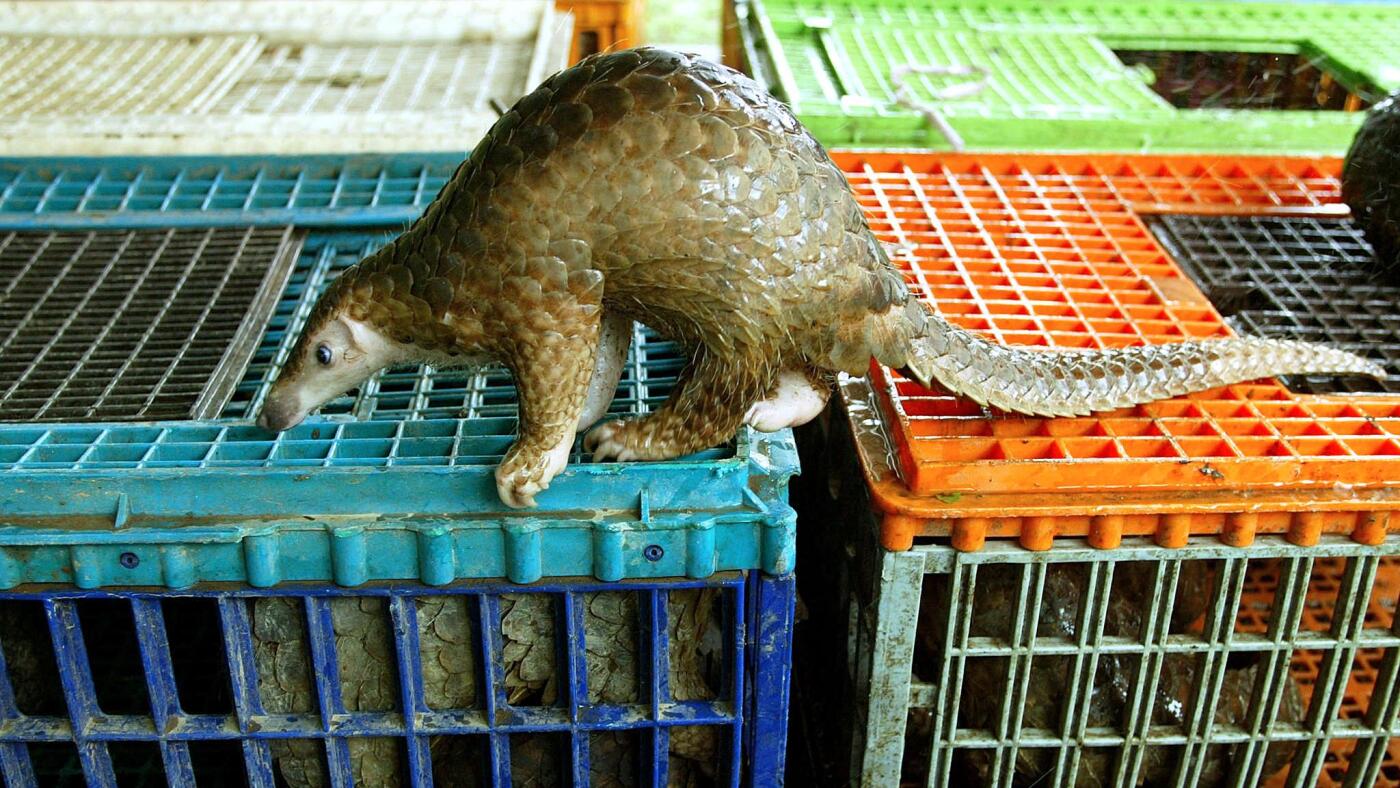
The Core Problem: When Wildlife Trade Meets Human Health
People trade wild animals for many reasons: food, traditional medicine, pets, fashion, trophies, and sometimes simple curiosity. This trade can be:
- Fully legal and regulated (for example, licensed bushmeat or farmed reptiles)
- Poorly regulated or under-enforced
- Completely illegal and underground
The health concern is not the concept of wildlife trade itself, but how and where it happens. When stressed, injured, and often sick animals are crowded together — and then handled, butchered, or kept as pets — viruses and other pathogens get new opportunities to jump species, including to humans. These “spillover” events are rare on a per-contact basis, but the sheer number of interactions, especially in large trade hubs, multiplies the risk.
“Spillover is a probability game. Wildlife trade stacks the odds by concentrating high-risk species, stressful conditions, and close human contact in the same place.”
A Real-World Case: The 2003 Mpox Outbreak in the United States
One of the clearest examples of wildlife trade affecting human health in a high-income country happened in 2003. A shipment of exotic African rodents was imported to the United States for the pet trade and sent to a store in Illinois.
Among these animals were Gambian giant rats and other rodents infected with mpox (previously called monkeypox). In the distribution chain, these imported rodents were kept near prairie dogs that were later sold as pets. The virus jumped from the African rodents to the prairie dogs, and then from prairie dogs to humans.
The result: the first known outbreak of mpox in the United States, with dozens of people infected. Fortunately, it was contained through public health measures and a temporary ban on importing certain African rodents, but it served as a real warning: even seemingly niche pet trades can seed dangerous diseases thousands of miles from where the animals were originally caught.
What the New Study Examined About Wildlife Trade Risk
The new research discussed by NPR takes a broad, data-driven look at how wildlife trade contributes to disease spillover. While specific numbers and models vary by study, the recent work typically combines:
- Databases of which species are traded legally and illegally
- Known zoonotic pathogens (diseases that spread from animals to humans)
- Trade routes, volumes, and types of contact (food, live markets, pets, medicine)
- Ecological and genetic traits that make some animals more likely to carry high-risk viruses
The goal is to estimate where along the wildlife supply chain the biggest health risks lie — from capture in the forest, to transport in cramped cages, to wholesale markets and final sale or slaughter.
Which Animals in Trade Pose the Highest Disease Risk?
Not all wildlife species are equal when it comes to zoonotic disease risk. The new analysis, along with earlier research, points to several high-risk groups often found in trade:
- Bats – Known reservoirs for coronaviruses, filoviruses (like Ebola in some regions), and other emerging pathogens. They are sometimes traded for food or traditional medicine.
- Rodents – Including Gambian giant rats and other species that can carry poxviruses, hantaviruses, and more. Rodents are traded as food, research animals, and exotic pets.
- Primates – Our close genetic relatives, making it easier for their viruses (and ours) to cross species barriers. Some primates are traded as pets, bushmeat, or for entertainment.
- Pangolins – One of the world’s most trafficked mammals, used for meat and scales. They have been implicated in coronavirus research, though their exact role in specific outbreaks is still under study.
Risk is shaped not just by the animal itself, but by:
- How many individuals are traded
- How they are transported and housed (crowding, stress, lack of hygiene)
- Whether they are sold live or processed
- How often humans handle blood, bodily fluids, or respiratory secretions
Where Along the Wildlife Supply Chain Do Risks Spike?
The study maps risk across different stages of wildlife trade. Here’s how risk typically builds:
- Capture and hunting
Hunters and trappers encounter blood, saliva, and other bodily fluids, especially when animals are injured. Without gloves or protective gear, this is an early point of potential exposure. - Transport
Multiple species may be crammed together in cages or bags, often over long distances. Stress weakens animals’ immune systems and can increase viral shedding, while close contact allows pathogens to spread between species. - Wholesale markets and distribution hubs
This is often the highest-risk zone. Many animals from different sources converge, humans handle them frequently, and hygiene may be poor. Live-animal markets concentrate risk in one crowded place. - Retail sale, slaughter, and consumption
People handling, butchering, and preparing meat may be exposed to blood and tissues. In some settings, families keep wildlife as pets in close contact with children.

So, How Bad Is Wildlife Trade for Human Health?
From a health-risk standpoint, the new study adds weight to a conclusion that many experts have been circling for years:
Wildlife trade, especially involving high-risk species and live markets, is one of the clearest, modifiable drivers of new zoonotic diseases in humans.
That does not mean every wildlife transaction is dangerous, nor that all trade should be instantly banned. But it does mean:
- Large-scale, poorly regulated wildlife trade is incompatible with low spillover risk.
- The combination of high-risk animals, poor hygiene, and dense human contact is particularly concerning.
- Globalization allows local spillovers to become international outbreaks quickly.
In simple terms: wildlife trade is not the only source of emerging diseases, but it is one of the most visible and actionable ones. The upside is that targeted changes in policy and practice can reduce risk without ignoring the livelihoods and cultures intertwined with this trade.
Why Ending Risky Wildlife Trade Isn’t Simple
It’s understandable to wonder, “If it’s so risky, why don’t we just stop it?” The reality on the ground is complex. The new study and related work highlight several intertwined obstacles:
- Livelihoods and poverty – Many rural communities depend on bushmeat or wildlife-related income, especially where other opportunities are limited.
- Cultural and traditional practices – Wildlife is used in traditional medicines, ceremonies, and long-standing food traditions.
- Weak enforcement – Even where laws exist, resources for inspections, surveillance, and prosecution may be limited.
- Online and underground markets – Trade has moved to encrypted apps and social media, making it harder to monitor.
Any realistic health-focused solution has to recognize these constraints. Ignoring them risks pushing trade deeper underground, where it becomes even harder to regulate and may become even riskier.
Evidence-Based Ways to Reduce Disease Risk from Wildlife Trade
The encouraging part of the new research is that it doesn’t just describe the problem; it also points to practical places to intervene. Here are several science-backed strategies that governments, organizations, and communities can use:
1. Focus Controls on High-Risk Species and Settings
- Restrict or phase out trade in species with high zoonotic potential (bats, certain rodents, primates) especially in live-animal markets.
- Prioritize surveillance and enforcement in large urban markets and border crossings where multiple species mix.
- Require health certification or quarantine for any remaining legal trade in higher-risk species.
2. Improve Hygiene and Handling Along the Supply Chain
- Provide basic protective gear (gloves, masks) for hunters, traders, and butchers.
- Introduce handwashing stations and disinfection protocols in markets.
- Separate species as much as possible to reduce cross-species transmission.
3. Support Alternative Livelihoods
Public health and conservation groups are increasingly working with communities to:
- Develop sustainable agriculture, ecotourism, or other income sources.
- Improve access to education and healthcare, which can reduce dependence on risky trades.
- Respectfully integrate local knowledge and values into new economic plans.
4. Strengthen Global Surveillance and Data Sharing
- Invest in early-warning systems that monitor animal health and unusual outbreaks in markets or farms.
- Improve laboratory capacity in low- and middle-income countries to identify new pathogens quickly.
- Encourage transparent reporting of outbreaks, rather than punishing countries that disclose them.
5. Target Demand, Not Just Supply
Reducing demand for high-risk wildlife products can be more effective and less punitive than policing every hunter. This can include:
- Public education about health risks and legal consequences, especially in wealthy consumer markets.
- Encouraging substitutes for traditional medicine ingredients sourced from endangered or high-risk animals.
- Changing social norms: making exotic pets and luxury wildlife products less desirable.
What You Can Do as an Individual
It’s easy to feel powerless when global trade and policy are involved. But individual choices do add up, especially in high-income countries that drive much of the demand. You can:
- Avoid buying exotic pets such as wild-caught reptiles, primates, or unusual rodents. Ask sellers for proof of captive breeding and legal origin, and be skeptical of vague answers.
- Be cautious with traditional remedies that claim to use parts from endangered or wild animals. Seek plant-based or lab-verified alternatives when possible.
- Support organizations that work on “One Health” approaches, linking human, animal, and environmental health.
- Advocate for policy by supporting science-based regulations and funding for surveillance and community-based conservation.
What Experts and Research Say About Future Risks
Multiple expert panels — including those convened by the World Health Organization, the World Organisation for Animal Health, and independent research groups — converge on a similar message:
“Emerging infectious diseases are not random. They are the predictable result of how humans use land, farm animals, and interact with wildlife. Changing these systems is our best vaccine against future pandemics.”
The new wildlife trade study adds detail and urgency to this message. Rather than relying on fear or blame, it uses data to highlight which species, places, and practices deserve the most attention. That precision can make policy more effective and less disruptive for people who have few alternatives.
While no strategy can reduce spillover risk to zero, combining targeted trade reforms with broader environmental protections (like preserving intact forests and reducing deforestation) can significantly lower the chance that a local infection becomes the next global crisis.
Moving Forward: Balancing Human Needs and Planetary Health
The bottom line from the latest research is clear: wildlife trade, especially involving high-risk species in crowded and poorly regulated settings, meaningfully increases the risk of dangerous diseases spilling over into humans. This risk is not an abstract possibility — outbreaks like the 2003 mpox event in the U.S. show how quickly it can become personal.
At the same time, millions of people depend on wildlife for food and income, and cultural traditions are deeply rooted. Effective solutions will be those that:
- Reduce high-risk contacts between people and wildlife
- Provide fair alternatives for communities that rely on the trade
- Address demand in wealthier markets, not just supply in poorer regions
You don’t need to become an expert overnight, but staying informed, making mindful consumer choices, and supporting science-based policies are meaningful steps. Preventing the next big spillover event is less about a single dramatic action and more about thousands of small, smarter decisions — from market stalls and labs to living rooms around the world.
Call to action: Take a moment today to review your own choices around pets, traditional products, and travel. Then, share what you’ve learned with one other person. Awareness is the first link in a safer, healthier chain.
