
Mediterranean-Style ‘Blue Zones’ Eating: The Delicious Anti-Fad Diet Taking Over Social Media
Mediterranean & Blue Zones Eating: A Calm Alternative to Diet Fads
Amid detox teas, carnivore challenges, and endless weight-loss “hacks,” a softer, more delicious movement is quietly winning people over: Mediterranean-style and Blue Zones–inspired eating. Instead of cutting out joy (or entire food groups), this way of eating leans into vibrant vegetables, soulful bean stews, olive oil–glossed salads, and simple, satisfying meals you can share with people you love.
On social media, creators are trading shock-value diet content for cozy “what I eat in a day” videos filled with lentils, chickpeas, crusty whole-grain bread, and colorful produce. Behind the trend is a serious backbone of science: the traditional foods of the Mediterranean and the world’s Blue Zones—regions known for unusually high life expectancy—are consistently linked with better heart health, lower rates of diabetes, and graceful aging.
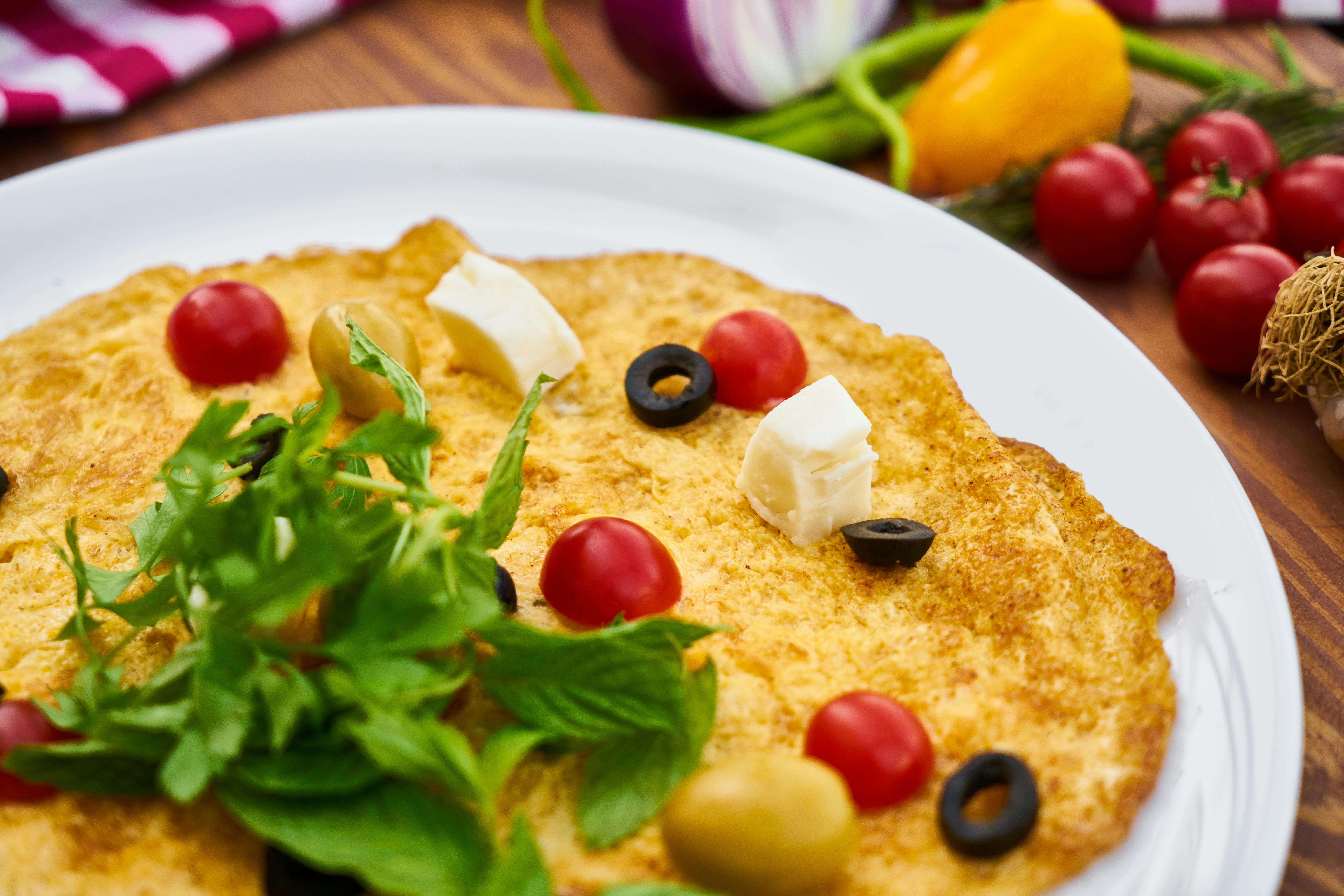
Below, we’ll explore why this “anti-fad” pattern is trending—and then dive into a cozy, Blue Zones–inspired recipe: a Mediterranean Chickpea & Vegetable Stew you can cook on a weeknight, customize to your taste, and proudly serve to friends or family.
Why Mediterranean & Blue Zones Eating Is Trending Now
The current wave of interest in Mediterranean and Blue Zones–style diets is more than a passing hashtag. It’s a response to burnout from rigid food rules and crash diets. People are reaching for moderation, pleasure, and long-term health rather than overnight transformations.
- Backlash against extremes: After rounds of strict keto, carnivore, and prolonged fasting, many are exhausted by on–off cycles and “cheat days.” Mediterranean and Blue Zones patterns don’t demonize carbs or fat; they emphasize whole, minimally processed foods and balance.
- Longevity over quick fixes: Streaming documentaries and podcasts have spotlighted places like Okinawa, Sardinia, Ikaria, Nicoya, and Loma Linda, where people live long, active lives. Their everyday plates—beans, greens, grains, and a drizzle of olive oil—have become aspirational.
- Cultural and sensory appeal: Mediterranean-style dishes are visually stunning and deeply comforting: think golden olive oil, ripe tomatoes, fragrant herbs, rustic bread. They fit perfectly with “slow living” and “cook with me” content that celebrates home cooking.
Instead of counting macros, many home cooks are counting colors on their plate—greens from leafy vegetables, reds and oranges from tomatoes and peppers, creamy whites from beans, and the deep gold of extra-virgin olive oil.
Nutrition researchers consistently rank the Mediterranean diet and Blue Zones eating patterns among the top choices for cardiovascular and metabolic health. Importantly, they’re not rigid meal plans—they’re flexible templates that you can adapt to your heritage, budget, and taste.
Core Principles of Mediterranean & Blue Zones Eating
Across the world’s longest-lived communities, the details change—sweet potatoes in Okinawa, chickpeas in Ikaria—but the patterns are strikingly similar.
- Plant-forward, not plant-only: Legumes, whole grains, vegetables, fruits, nuts, and seeds form the foundation of most meals.
- Healthy fats: Extra-virgin olive oil is the primary added fat in many Mediterranean regions, bringing peppery aroma and heart-healthy monounsaturated fats.
- Thoughtful protein: Beans, lentils, and peas are everyday staples; fish and seafood show up regularly but in modest portions; red and processed meats are occasional.
- Minimal ultra-processed foods: Sugary drinks, chips, and highly refined snacks are rare. Sweetness usually comes from fruit, honey, or simple home baking.
- Moderate or no alcohol: Some regions enjoy small amounts of wine with meals; others avoid alcohol entirely. The common thread is mindful, not binge, consumption.
- Social, slow meals: Perhaps most importantly, food is eaten together—around a table, not a screen—often with plenty of conversation and unhurried chewing.
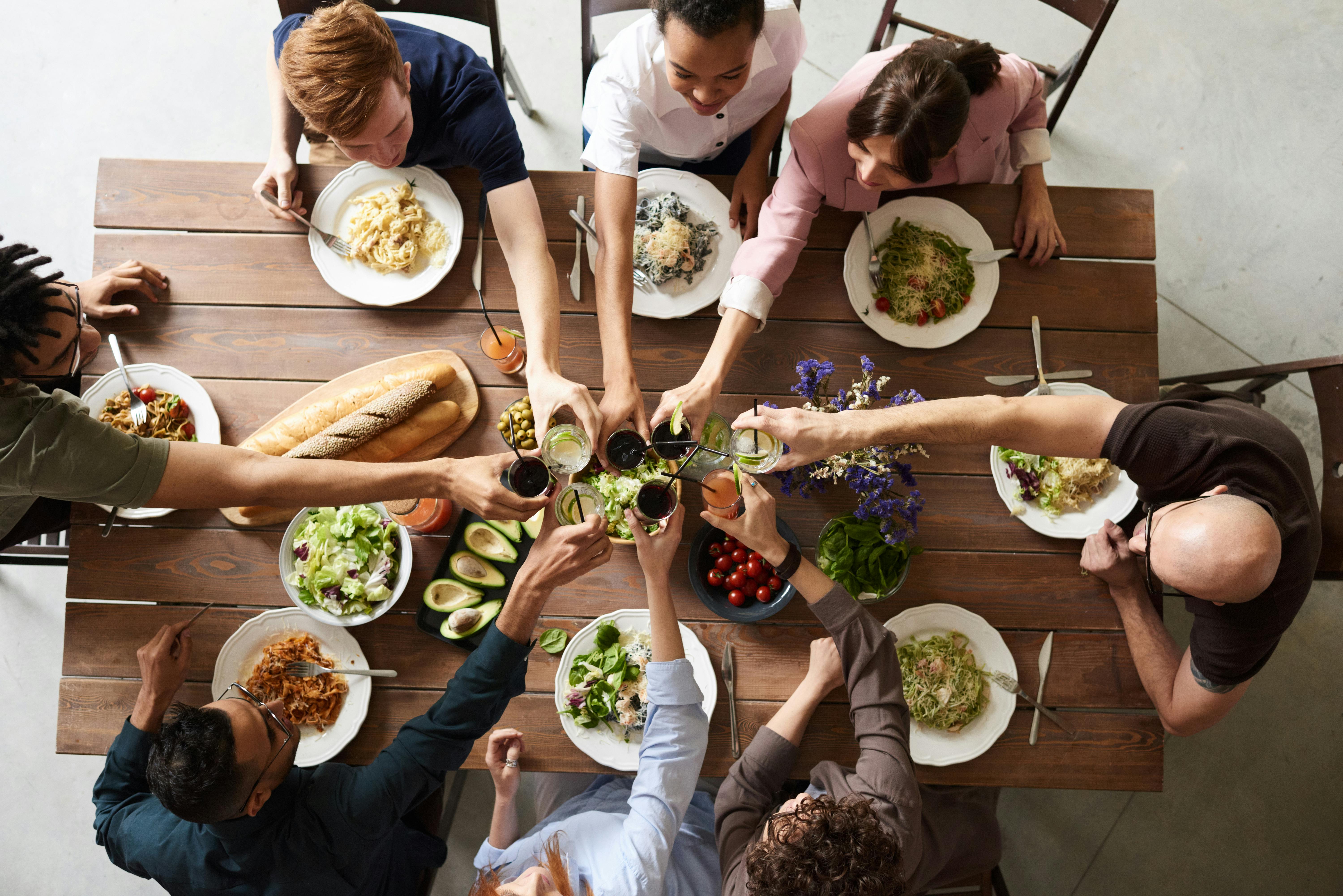
For home cooks, this means you don’t have to chase perfection. You can build a Mediterranean-style or Blue Zones–inspired plate simply by asking:
- “Where are my beans or lentils?”
- “Do I have at least two different vegetables here?”
- “Can I swap butter for a drizzle of olive oil?”
Recipe: Mediterranean Chickpea & Vegetable Stew (Blue Zones–Inspired)
This stew is everything we love about Mediterranean and Blue Zones cooking in one pot: creamy chickpeas, tender vegetables, aromatic herbs, and olive oil tying it all together. It’s naturally vegetarian (and easily made vegan), budget-friendly, and deeply comforting—perfect for a cozy evening or meal prep.
Prep time: 20 minutes
Cook time: 35–40 minutes
Total time: ~55–60 minutes
Servings: 4 generous bowls
Difficulty: Easy, beginner-friendly
Dietary: Vegetarian, vegan-friendly, gluten-free (with GF sides)

Ingredients
For the Stew
- 3 tbsp extra-virgin olive oil, plus more for serving
- 1 medium yellow onion, finely chopped
- 2 medium carrots, diced
- 2 stalks celery, diced
- 3 cloves garlic, minced
- 1 medium red bell pepper, chopped
- 1 small zucchini, chopped
- 1 1/2 cups (about 250 g) cooked chickpeas (or 1 can, 15 oz / 400 g, drained and rinsed)
- 1 can (14–15 oz / 400 g) diced tomatoes, with their juices
- 3 cups (720 ml) vegetable broth (low-sodium if possible)
- 1/2 cup (90 g) pearled barley or whole-grain farro (for gluten-free, use brown rice or omit)
- 1 tsp ground cumin
- 1 tsp smoked paprika (or sweet paprika)
- 1/2 tsp dried oregano
- 1 bay leaf
- Salt and freshly ground black pepper, to taste
To Finish & Serve
- 1–2 tbsp fresh lemon juice (about 1/2 lemon)
- 1/4 cup (loosely packed) fresh parsley or cilantro, chopped
- Optional: a dollop of plain Greek yogurt or unsweetened plant yogurt for serving
- Optional: whole-grain bread or brown rice on the side
Equipment Needed
- Large saucepan or dutch oven with lid
- Cutting board and sharp knife
- Wooden spoon or heat-safe spatula
- Measuring cups and spoons
- Optional: ladle for serving

Step-by-Step Cooking Instructions
- Prep your vegetables.
Rinse and chop the onion, carrots, celery, bell pepper, and zucchini into small, even pieces. Mince the garlic. This helps everything cook at the same pace and gives you a spoonful of different textures in each bite. - Sauté the aromatics.
Warm the olive oil in your pot over medium heat. Add onion, carrots, and celery with a pinch of salt. Cook 5–7 minutes, stirring occasionally, until the vegetables are soft and the onion is translucent and sweet-smelling. - Build flavor with garlic and spices.
Add the garlic, red bell pepper, cumin, smoked paprika, and oregano. Cook for 1–2 minutes, stirring constantly, until the spices smell toasty and the garlic is fragrant but not browned. - Combine chickpeas, tomatoes, and grains.
Stir in the chickpeas, diced tomatoes (with their juices), barley or farro (or your chosen grain), bay leaf, and vegetable broth. Season lightly with salt and pepper. - Simmer until tender.
Bring the pot to a gentle boil, then reduce the heat to low, cover partially, and simmer for 25–30 minutes. Stir occasionally, especially toward the end, until the grain is tender and the broth has thickened into a stew-like consistency. - Add zucchini and adjust texture.
Stir in the chopped zucchini and continue to simmer uncovered for another 5–10 minutes, until the zucchini is just tender but still bright. If the stew looks too thick, add a splash more broth or water; if too thin, let it bubble gently with the lid off. - Finish with lemon, herbs, and olive oil.
Turn off the heat. Remove the bay leaf. Stir in the lemon juice and chopped parsley or cilantro. Taste and adjust seasoning with more salt, pepper, or lemon as needed. Finish each bowl with an extra drizzle of extra-virgin olive oil for a luscious sheen and aroma. - Serve.
Ladle the stew into warm bowls. Add a spoonful of Greek yogurt or plant yogurt if you like a creamy contrast, and serve with whole-grain bread or brown rice for a truly Mediterranean, Blue Zones–inspired meal.


Variations, Substitutions & Dietary Adaptations
One reason Mediterranean and Blue Zones recipes thrive online is their flexibility. This stew invites you to use what you have and adapt to your needs.
- Different legumes: Swap chickpeas for cannellini beans, lentils, or mixed beans. Each will bring a slightly different creaminess and flavor.
- Seasonal vegetables: In winter, add cubes of sweet potato or pumpkin; in summer, add eggplant, green beans, or spinach toward the end of cooking.
- Grain-free / lower carb: Omit the barley/farro and add extra vegetables and chickpeas for a lighter, grain-free stew.
- Gluten-free: Choose brown rice, quinoa, or millet instead of barley or farro, or simply serve the stew over your favorite gluten-free grain.
- Extra protein: For those who want additional protein, top with a spoonful of Greek yogurt, or add a small amount of flaked baked fish just before serving for a pescatarian twist.
- Spice profile: Add a pinch of red pepper flakes for gentle heat, or use herbs like rosemary and thyme for a more robust, woodsy aroma.
Storage & Reheating Tips
Like many bean stews, this Mediterranean chickpea pot tastes even better the next day, after the flavors mingle.
- Refrigeration: Cool the stew to room temperature, then store in an airtight container in the fridge for up to 4 days.
- Freezing: Freeze in portioned containers for up to 3 months. Leave a little space at the top for expansion.
- Reheating on the stove: Warm gently over low-medium heat, adding a splash of water or broth if it has thickened. Stir occasionally until heated through.
- Reheating in the microwave: Cover loosely and heat in 45–60 second bursts, stirring between each, until hot. Add a spoonful of water if needed.
- Freshen it up: When serving leftovers, revive the flavors with new lemon juice, fresh herbs, and a drizzle of olive oil.
Serving Suggestions & Complementary Dishes
To create a full Mediterranean or Blue Zones–inspired meal, surround this stew with simple, vibrant sides.
- Fresh salad: A big bowl of leafy greens, cucumber, tomatoes, olives, and red onion dressed with lemon juice, olive oil, and oregano.
- Whole grains: Brown rice, bulgur, or a slice of whole-grain sourdough bread to soak up the flavorful broth.
- Simple vegetable side: Roasted carrots, cauliflower, or broccoli, drizzled with olive oil and sprinkled with herbs.
- Fermented dairy or plant yogurt: A side of plain yogurt with garlic and herbs for extra creaminess and tang.
- Fruit for dessert: Orange slices, fresh berries, or baked apples with a hint of cinnamon for a gentle, naturally sweet finish.
Most of all, try to enjoy this stew the way many Blue Zones communities might: unhurried, shared, and savored. Put your phone aside, sit with someone—family, a neighbor, or simply your own thoughts—and let each warm spoonful remind you that nourishing food can be both practical and deeply pleasurable.
Mediterranean & Blue Zones Eating as a Sustainable “Anti-Fad”
Mediterranean and Blue Zones–style eating is trending not because it’s flashy, but because it’s sustainable. It doesn’t ask you to count every gram or give up your favorite foods forever. Instead, it encourages you to make everyday choices—more beans, more vegetables, more olive oil, fewer ultra-processed snacks—that gently move you toward better health and more joyful meals.
Whether you start with this chickpea stew once a week or slowly fill your kitchen with Mediterranean pantry staples, you’re stepping into a long tradition of food that cares for both body and soul.

Recipe Metadata
The following structured data describes this Mediterranean chickpea & vegetable stew recipe for search engines and recipe apps:
