
How One Little Girl’s Heart Transplant Journey Is Inspiring Families to Say “Yes” to Organ Donation
For a full year, 8-year-old Oakley’s world was a hospital room. Monitors, IV poles, and beeping machines replaced playgrounds and school friends while she waited for a new heart that might never come. When the call finally arrived and she received a lifesaving heart transplant, her mom, Kennidi Werley, says, “Words will never be enough to express our gratitude.” Now, from their Texas home, she’s sharing their journey in hopes that more families will consider organ donation—and more children like Oakley will get a second chance at life.
A Year in the Hospital: Oakley’s Journey to a New Heart

According to her mom, Oakley spent roughly twelve months in the hospital while doctors managed her advanced heart failure and searched for a compatible donor. Living in the hospital long-term is physically exhausting and emotionally draining for any child—and equally overwhelming for parents who must balance hope with very real fears.
Organ transplantation for children is both a medical miracle and a logistical challenge. Children often wait longer because there are fewer pediatric donors and the match has to be very precise. In the United States, hundreds of children are on the transplant waiting list at any given time, and for some, a donated organ is truly the only option left.
“Words will never be enough to express our gratitude,” says Kennidi, reflecting on the donor family who made Oakley’s transplant possible.
Kennidi’s decision to talk openly about Oakley’s story—capturing everyday hospital life, the waiting, the surgery, and the slow recovery—is resonating with millions online. Her goal isn’t to sensationalize their pain but to humanize the impact of organ donation and offer hope to other families riding the same emotional roller coaster.
Why Stories Like Oakley’s Matter: The Organ Donation Gap
Oakley’s experience is deeply personal, but the challenge behind it is widespread: there are far more people who need organs than there are donors. In many regions, children with severe heart disease rely entirely on the generosity of strangers to survive.
Transplant organizations and health agencies consistently report three key realities:
- Thousands of people are on organ transplant waiting lists at any given moment.
- Every day, people die while waiting for an organ that never comes.
- One donor can save multiple lives and improve the quality of life for many more through tissue and cornea donation.
Families like Oakley’s often describe the waiting period as “living in limbo”—planning for the future while never quite knowing what the next day will bring. By sharing these stories publicly, parents like Kennidi hope to turn statistics into faces and names, helping others see the very real children behind the numbers.
Living in the Hospital: Emotional, Practical, and Financial Strain
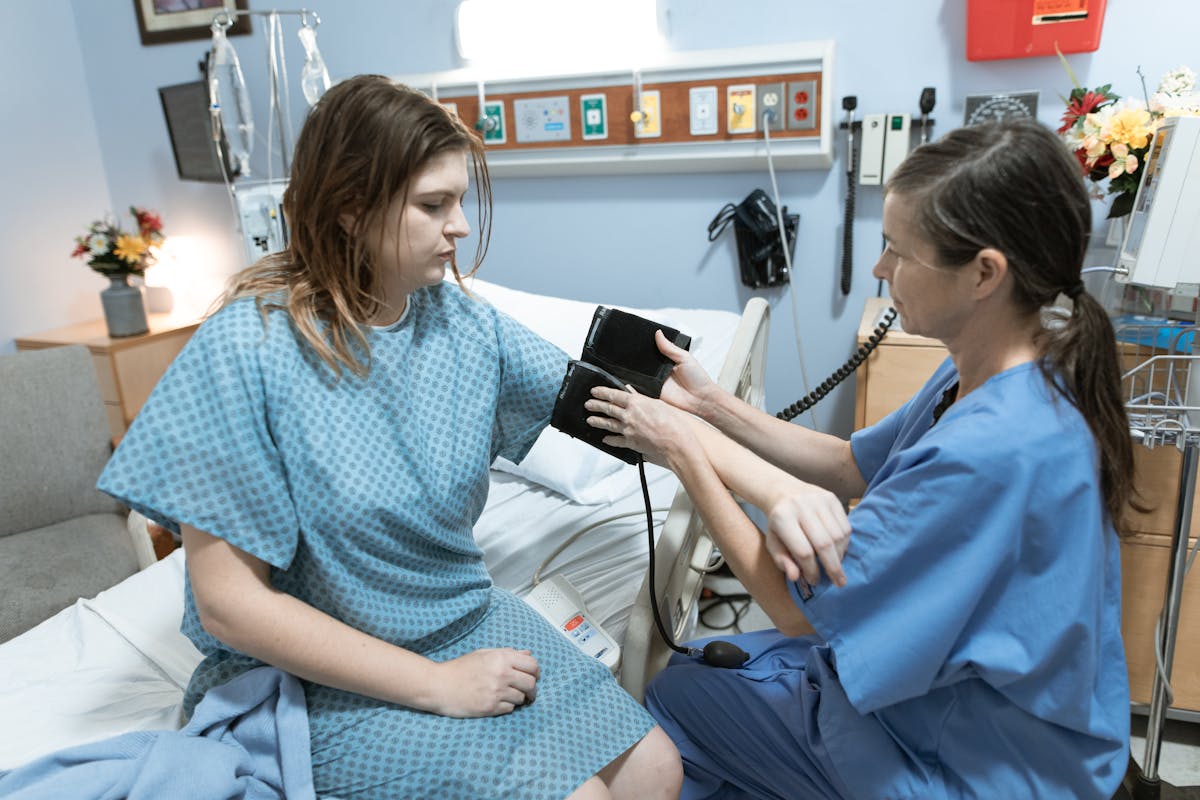
Spending a year in the hospital isn’t just medically complex—it reshapes a family’s entire life. While each situation is unique, many parents of children awaiting transplants describe similar challenges:
- Emotional burnout: Constant worry, lack of sleep, and uncertainty about the future.
- Disrupted routines: Siblings at home, jobs put on hold, and financial strain from travel and missed work.
- Isolation: Friends may not fully understand, and infection risks can limit visitors.
- Parent–child role shifts: Parents become part-nurse, part-advocate, and part-teacher overnight.
“We celebrated birthdays in the ICU and learned to find joy in tiny victories, like walking a few steps down the hallway,” shares one parent from a pediatric transplant support group.
Kennidi has spoken about how small moments—painting nails at the bedside, reading aloud, decorating the room—helped Oakley feel like a kid again. These seemingly simple acts can buffer some of the trauma of long-term hospitalization.
What Is a Pediatric Heart Transplant, and When Is It Needed?
While Oakley’s specific diagnosis is personal to her family, many children who need heart transplants share similar underlying conditions. A pediatric heart transplant is considered when a child has severe, life-threatening heart disease that no longer responds to medications or other surgeries.
Common reasons children may need a heart transplant include:
- Congenital heart defects (heart conditions present at birth).
- Cardiomyopathy (disease of the heart muscle that weakens pumping ability).
- Severe heart failure after infections such as myocarditis.
- Previous surgeries that can no longer keep the heart functioning well enough.
The transplant process usually includes:
- Evaluation: A multidisciplinary team (cardiologists, surgeons, psychologists, social workers) assesses whether a transplant is medically appropriate and safe.
- Listing: If approved, the child is placed on a waiting list managed by a national or regional system that matches donors and recipients.
- Waiting: This can be days, months, or longer. Children like Oakley with very advanced disease may need to stay in the hospital or even on mechanical circulatory support while they wait.
- Surgery and ICU care: Once a suitable organ is available, transplant surgery is performed, followed by intensive monitoring.
- Long-term follow-up: Lifelong medications to prevent rejection and regular check-ups become part of daily life.
“Pediatric heart transplantation is no longer experimental—it’s a well-established therapy,” explains the American Heart Association, “but it requires careful patient selection and long-term follow-up care.”
Life Before and After Transplant: What Changes for a Child
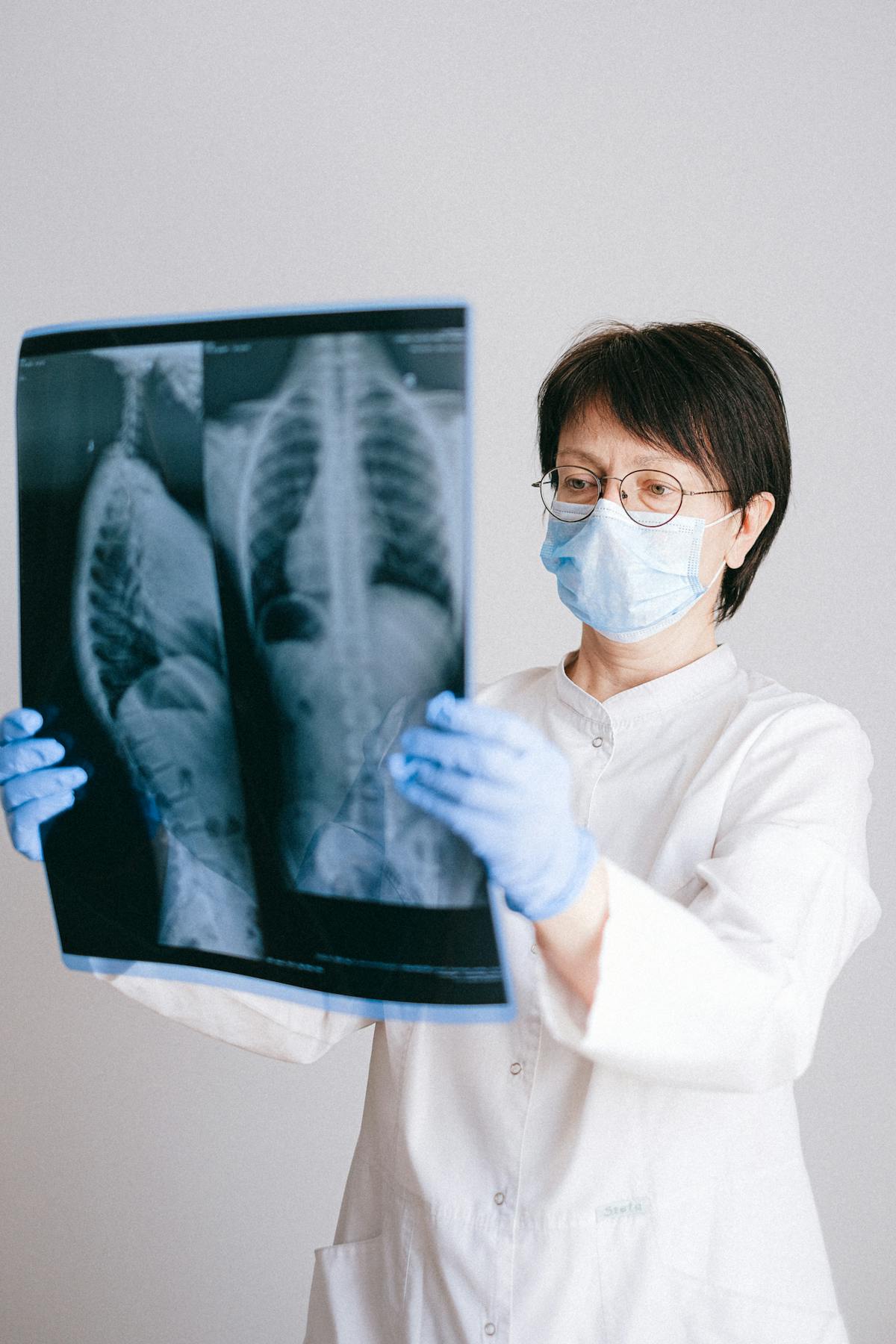

For Oakley, the contrast between “before” and “after” transplant is dramatic. While recovery can be slow and sometimes bumpy, many families describe the post-transplant phase as a chance to reclaim pieces of everyday childhood that were put on hold.
While every outcome is unique, many children who undergo heart transplantation may:
- Have more energy for walking, playing, and attending school.
- Spend less time in the hospital once recovery stabilizes.
- Need regular follow-up, blood tests, and medications to prevent rejection.
- Still face risks such as infection, medication side effects, or rejection episodes.
It’s important not to romanticize transplantation as a “cure.” It’s more accurate to think of it as trading one serious illness for another complex but more manageable condition. Families like Kennidi’s often say that even with the ongoing responsibilities, the chance to see their child run, laugh, and grow up is worth every clinic visit and pill box.
How Organ Donation Works and How You Can Help

Stories like Oakley’s highlight both sides of organ donation: the deep grief of a family who has lost a child and the profound relief of a family whose child has been given another chance. Most transplant parents never meet their donor families, but many, like Kennidi, speak of them with enormous gratitude and respect.
A simple overview of the organ donation process
- Registration: Adults can register as organ donors, often when renewing a driver’s license or online. In many regions, your choice is recorded in a secure registry.
- Medical evaluation: If a potential donor dies in a way that allows donation, doctors assess which organs and tissues are suitable.
- Matching: A national or regional system matches available organs to people on the waiting list based on medical urgency, compatibility, distance, and other factors.
- Surgery and allocation: Organs are recovered respectfully and transplanted into matched recipients, often within hours.
- Aftercare: Donor families are offered support; recipients begin the road to recovery and lifelong follow-up.
How to register as an organ donor
If Oakley’s story moves you and you’re wondering how to help, becoming an organ donor is one powerful step. The exact process depends on where you live, but common options include:
- Checking the organ donor box when you get or renew your driver’s license or state ID.
- Registering online through your country or state’s official donor registry.
- Letting your family know clearly that you wish to be an organ donor.
Common Concerns About Organ Donation—Answered with Care
It’s completely normal to have hesitations about organ donation. Many people carry unanswered questions or cultural and religious concerns that make the decision feel complicated. Rather than ignoring those worries, it helps to bring them into the open.
Concern 1: “Will doctors still try to save my life if I’m a registered donor?”
Medical teams in emergency and intensive care units are legally and ethically obligated to focus on saving your life. Donation is only considered after every lifesaving option has been tried and a patient has been declared dead using strict medical criteria. The team that treats you is separate from the team that handles organ allocation.
Concern 2: “Will organ donation conflict with my religion?”
Many major religions view organ donation as a generous act of charity and compassion, but specific teachings vary. If faith is important to you, consider discussing donation with a trusted religious leader who understands your tradition.
Concern 3: “I’m not sure I’m healthy enough to be a donor.”
Don’t rule yourself out on your own. At the time of death, medical professionals evaluate which organs and tissues are suitable. In many cases, even people with certain health conditions can donate some organs or tissues.
If Your Child Is Waiting for a Transplant: Practical Ways to Cope
If you’re walking a journey similar to Oakley’s family, you’re carrying more than most people can imagine. While no checklist can erase the fear or exhaustion, small, evidence-informed strategies can make the load a bit more bearable.
1. Build a circle of support
- Ask a friend or relative to be a “communication captain” who updates others, so you don’t have to repeat the same news over and over.
- Connect with other transplant families through hospital support groups or reputable online communities.
- Meet with the hospital’s social worker to explore financial aid, lodging programs, and meal support.
2. Create rituals that give your child control
- Let your child help decorate the room with photos, art, or favorite characters.
- Develop small routines—like choosing the bedtime story or picking the playlist during dressing changes—to restore a sense of choice.
- Invite child-life specialists (if available) to use play, art, and age-appropriate explanations to reduce fear.
3. Protect your own mental health
- Schedule short breaks outside the room to stretch, breathe, and see daylight.
- Consider speaking with a therapist who has experience with medical trauma or caregiver stress.
- Use simple grounding techniques—like naming five things you can see, four you can feel, three you can hear—to anchor yourself during intense moments.
“Taking a 10-minute walk down the corridor felt selfish at first,” one transplant mom shared, “but I realized my child needed me steady more than they needed me constantly in the chair.”
At a Glance: The Journey from Donor to Recipient
Imagine this as a simple infographic with four connected steps. For accessibility, here is the same information in text:
- Registration: A person records their wish to be an organ donor.
- Tragedy and Assessment: After a severe, irreversible injury or illness, doctors confirm death using strict criteria. Only then is donation considered, and specialists assess which organs are viable.
- Matching and Transport: A national system identifies the best matches on the waiting list. Surgical teams recover organs and transport them quickly to transplant hospitals.
- Transplant and Recovery: Surgeons transplant the organ into the waiting recipient—someone like Oakley—who then receives intensive care and long-term follow-up.
This chain only exists because, at its beginning, someone said “yes” in advance, and a grieving family honored that choice. Families like Kennidi’s often say they think about their donor family every single day.
Turning Oakley’s Second Chance into a Ripple of Hope
Oakley’s new heart doesn’t erase the year she spent in the hospital, the scars on her chest, or the fear her family still feels at every follow-up appointment. But it does mean more birthdays, more school days, more ordinary, beautiful moments they once weren’t sure they’d get. That is the quiet power of organ donation.
When Kennidi shares their story with the world, she isn’t promising miracle cures or pretending their path was easy. She’s extending a simple invitation: to consider that your “yes” to donation, made long before you’re ever in a crisis, could someday let another parent tuck their child into bed at home instead of in a hospital room.
If Oakley’s journey has moved you, here are three small actions you can take today:
- Check your donor status: Look at your driver’s license or visit your country’s official registry website.
- Talk to your family: Share how you feel about organ donation and why.
- Share a story: Whether it’s Oakley’s or another family’s, sharing real experiences can break down fear and misinformation.
