
How a Common Vitamin Might Help Protect Your Brain From Alzheimer’s Proteins
By Health & Brain Science Editorial Team
New research suggests that healthy vitamin D levels in midlife may be linked to fewer toxic tau protein tangles seen in Alzheimer’s disease later on, hinting that this common vitamin could play a role in protecting brain health over time. While it’s not a cure or guaranteed prevention, the findings offer a promising, practical step you can begin working on now.
Why a Simple Vitamin Is Making Big Brain Health Headlines
If you’ve ever worried about your memory, watched a loved one repeat the same question, or struggled to find a word that’s “right on the tip of your tongue,” you’re not alone. Alzheimer’s disease is one of the most feared conditions of aging, and many of us quietly wonder if there’s anything we can do to lower our risk.
A new study reported by ScienceAlert has added an intriguing piece to this puzzle: people with higher levels of vitamin D in midlife appeared to have fewer toxic tau protein tangles in their brains later on—tangles that are strongly linked with Alzheimer’s disease.
This doesn’t mean vitamin D is a magic shield against dementia, but it does suggest that maintaining healthy levels could be one important part of a broader, brain-friendly lifestyle.
The Problem: Alzheimer’s, Tau Tangles, and Midlife Risk
Alzheimer’s disease slowly damages brain cells, especially in areas that control memory and thinking. Two key proteins are involved:
- Amyloid-beta: forms sticky plaques between brain cells.
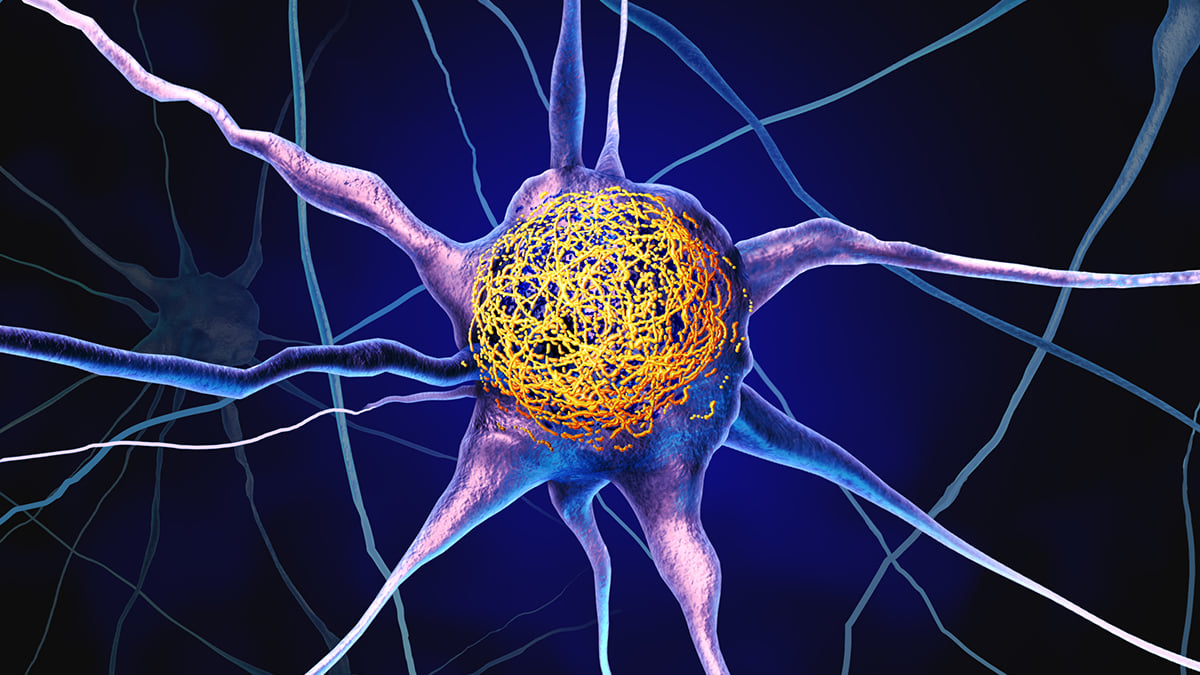
- Tau: forms twisted “tangles” inside brain cells that disrupt their function.
For years, much of the research focus was on amyloid-beta. Increasingly, scientists are realizing that tau tangles may be even more closely tied to memory loss and disease progression.
Midlife—roughly ages 40–65—appears to be a critical window. What happens in these years can quietly shape brain health decades later. That’s why this new link between midlife vitamin D and later-life tau burden is so compelling.
What the New Vitamin D and Alzheimer’s Study Actually Found
According to the latest analysis highlighted by ScienceAlert, researchers looked at:
- Blood samples taken in midlife to measure vitamin D levels.
- Brain imaging or post-mortem data later in life to assess tau tangles, especially in regions affected by Alzheimer’s.
After running detailed statistical analyses, the researchers reported an association:
“Individuals with higher vitamin D levels in midlife showed a lower burden of tau pathology in vulnerable brain regions later in life, independent of several major risk factors.”
In plain language, people whose vitamin D levels were in a healthier range around their 40s–60s were less likely to have heavy tau buildup in older age.
It’s crucial to highlight what this study does not prove:
- It does not show that vitamin D supplements cure or definitively prevent Alzheimer’s.
- It shows an association, not absolute cause-and-effect.
- People’s diets, activity levels, genetics, and sun exposure patterns also play important roles.
How Might Vitamin D Protect the Brain?
Vitamin D is often called the “sunshine vitamin,” but it acts in the body more like a hormone. Brain cells have vitamin D receptors, which means they can actively respond to this nutrient.
Researchers think vitamin D might support brain health through several pathways:
- Anti-inflammatory effects: Chronic inflammation can damage brain cells. Vitamin D helps regulate immune responses and may calm excessive inflammation.
- Antioxidant defenses: It may reduce oxidative stress, a type of “rusting” damage to brain cells.
- Support for nerve growth: Some studies suggest vitamin D influences growth factors that help neurons survive and connect.
- Clearing misfolded proteins: There’s early evidence vitamin D may influence how the brain handles abnormal proteins like amyloid and tau.
“Vitamin D is not a stand-alone solution, but it may be one of several lifestyle-related levers we can pull to support healthier brain aging.” — Neurologist’s perspective from recent dementia prevention reviews.
What Counts as a Healthy Vitamin D Level?
Different medical organizations define “optimal” vitamin D levels somewhat differently, and lab units can vary. Most commonly, blood levels are reported as:
- ng/mL (nanograms per milliliter) in many countries, including the US.
- nmol/L (nanomoles per liter) in others (to convert ng/mL to nmol/L, multiply by 2.5).
Typical reference ranges used by many labs:
- < 20 ng/mL (< 50 nmol/L): often considered deficient.
- 20–29 ng/mL (50–74 nmol/L): insufficient or borderline in many guidelines.
- 30–50 ng/mL (75–125 nmol/L): commonly considered sufficient for most people.
- > 60–80+ ng/mL (> 150–200 nmol/L): may increase risk of adverse effects for some.
Practical Ways to Support Healthy Vitamin D for Brain Health
You don’t need a perfect lifestyle to start protecting your brain. Instead, think of vitamin D as one building block in a solid “brain health foundation.”
1. Get Your Vitamin D Level Checked
Especially if you are in midlife, live in a northern climate, have darker skin, or spend most of your time indoors, testing makes sense.
- Ask your primary care clinician for a 25-hydroxyvitamin D blood test.
- Discuss your personal target range based on your health history.
- Plan a recheck after 3–6 months if you start supplements or make major lifestyle changes.
2. Use Sunlight Wisely

Your skin makes vitamin D when exposed to sunlight, particularly UVB rays. But skin cancer risk is real, so balance is essential.
- Aim for short, non-burning exposure to arms and legs when UV index allows.
- Follow dermatology guidelines and use sunscreen for longer exposures.
- People with darker skin may need more sun exposure to make the same amount of vitamin D.
3. Include Vitamin D–Rich Foods
Food alone may not fully correct deficiency for everyone, but it contributes meaningfully to your overall level.
- Fatty fish: salmon, mackerel, trout, sardines.
- Fortified foods: many plant milks, dairy, cereals, and some yogurts.
- Egg yolks and liver (in moderation).

4. Consider Supplements—But Not on Your Own
For many adults—especially in winter, or those with limited sun—supplements are a practical tool. Typical daily amounts used in general practice are:
- 600–800 IU (15–20 mcg) per day: often recommended minimum for many adults.
- 1,000–2,000 IU (25–50 mcg) per day: commonly used to maintain sufficient levels in higher-risk groups.
Higher doses may sometimes be prescribed for short periods if storage levels are very low, but this should be closely supervised by a clinician. Long-term excess can cause kidney stones, high blood calcium, and other issues.
Overcoming Common Obstacles

Life is busy, and brain health can feel like a distant worry. Here are a few practical ways to move past common barriers:
“I Don’t Have Time for Another Health Task.”
- Combine actions: a 15-minute walk at lunchtime outdoors supports vitamin D, heart health, and stress relief all at once.
- Use reminders: pair your supplement (if prescribed) with a daily habit like brushing your teeth.
“I’m Worried About Taking the Wrong Amount.”
- Start with testing and professional guidance, not guesswork.
- Aim for steady, moderate dosing rather than sporadic high doses unless a clinician directs otherwise.
“It’s Hard to Stay Motivated When Results Are Invisible.”
Alzheimer’s prevention is about stacking small advantages over years. You may not “feel” your tau tangles shrinking—but you can:
- Track tangible goals (steps walked, meals cooked at home, supplements taken).
- Focus on feeling more energetic, sleeping better, and managing mood—benefits closely tied to vitamin D status for many people.
“Think of brain health as a savings account you build over decades. Every small, consistent deposit counts—even if you don’t check the balance every day.”
Vitamin D Is One Piece of a Bigger Brain Health Puzzle
While this new research on vitamin D and tau tangles is promising, it joins a much larger body of work on lifestyle and dementia risk. The strongest evidence so far points to a combination of factors:
- Regular physical activity, including aerobic and strength exercises.
- Mediterranean-style or MIND-style eating patterns rich in plants, healthy fats, and fish.
- Not smoking and moderating alcohol intake.
- Protecting sleep and managing stress.
- Staying socially and mentally engaged.
- Controlling blood pressure, blood sugar, and cholesterol.
Vitamin D fits into this picture both directly (through its effects on the brain) and indirectly (supporting bone, muscle, and immune health so you can stay active and engaged).
A Real-World Example: Building a Brain-Smart Routine
Consider “Maria,” a 52-year-old office manager with a strong family history of Alzheimer’s. She spends most of her day indoors and lives in a northern city.
Working with her clinician, she decided to:
- Get a vitamin D blood test, which revealed low–normal levels.
- Start a daily, moderate-dose vitamin D3 supplement appropriate for her level.
- Add two servings of fatty fish each week and switch to fortified plant milk.
- Take a 15–20 minute brisk walk outdoors on most lunch breaks.
- Fold these steps into a broader plan: blood pressure control, twice-weekly strength training, and regular brain-stimulating hobbies.
A year later, her vitamin D had moved into the optimal range, her energy improved, and she felt more in control of her future brain health. She still has risk—no one can erase that—but she’s stacking the odds in her favor, one manageable habit at a time.
Taking Your Next Step: From Worry to Action
You don’t need to understand every detail of tau biology to make meaningful changes. The emerging science, including this new vitamin D study, points toward a hopeful message: what you do in midlife matters.
Here’s a simple way to start this week:
- Write down 1–2 relatives who had memory problems or dementia and your main concerns.
- Schedule a visit (or telehealth appointment) with your clinician to discuss:
- A vitamin D blood test.
- Your personal dementia risk factors.
- Safe supplement options, if needed.
- Choose one daily behavior—like a brisk midday walk or swapping in a vitamin D–rich meal—that you can realistically stick with for the next month.
While no vitamin can guarantee protection from Alzheimer’s, maintaining a healthy vitamin D level is a concrete, measurable step you can take today. Combined with other brain-healthy habits, it may help you preserve more of what truly matters: your memories, your independence, and your ability to stay yourself for as long as possible.
