
“Cicada” COVID Variant: What the New BA.3.2 Strain Means for You Right Now
News that a highly mutated new COVID variant—nicknamed “cicada” and formally labeled BA.3.2—has been detected in at least 25 U.S. states, including Minnesota, can stir up a familiar mix of worry and fatigue. You’ve already navigated years of changing guidance, and the last thing you want is another wave of uncertainty. In this guide, we’ll walk through what is currently known about the cicada variant, what Minnesota health experts are watching, and how you can protect yourself and your family without losing sleep or slipping into panic.
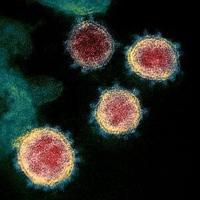
Why the New “Cicada” COVID Variant Is Getting Attention
According to Minnesota Department of Health (MDH) epidemiologists, BA.3.2—informally called “cicada” because of its many spike protein mutations—is being watched for three main reasons:
- It’s highly mutated: The spike protein carries several changes compared with earlier Omicron-lineage variants, which could alter how well it spreads or evades prior immunity.
- It’s already widespread: As of early April 2026, public-health labs have identified cicada-linked cases in at least 25 states, including Minnesota.
- It may shift local surges: Even if it doesn’t cause more severe disease, a more transmissible variant can still lead to short-term increases in cases and pressure on clinics and hospitals.
At the same time, MDH officials emphasize that this is not a return to March 2020. We now have vaccines, treatments, rapid tests, and a deeper understanding of how COVID-19 spreads. The key is to stay informed, not alarmed.
“With every new variant, our first questions are about spread, severity, and immune escape. Cicada is on our radar because of its mutation profile, but we have many more tools now than we did at the start of the pandemic.”
— Minnesota Department of Health epidemiologist (interview summary)
What We Know So Far About the BA.3.2 “Cicada” Variant
Because cicada is relatively new, much of the information comes from early lab analyses and preliminary case tracking. These findings are subject to change as more people are infected and researchers gather real-world data.
1. Spread and transmissibility
Early sequencing data suggest that cicada is at least as transmissible as recent Omicron-family variants circulating in late 2025. Some models hint it may spread more easily, but this has not yet been firmly established in peer-reviewed studies.
2. Disease severity
So far, hospitals in most affected states, including Minnesota, report that:
- Most cicada cases resemble other recent COVID infections—ranging from mild upper-respiratory illness to flu-like symptoms.
- Severe disease remains concentrated in older adults, people with underlying health conditions, and those who are unvaccinated or under-vaccinated.
- No consistent signal has emerged that cicada causes more severe disease per infection than prior Omicron-lineage variants.
3. Immune escape and vaccines
Lab neutralization studies of cicada’s spike protein suggest:
- Cicada can partially evade antibodies from earlier infections or vaccinations, similar to other Omicron sublineages.
- People who recently received an updated COVID booster targeting current strains appear to retain better protection against severe disease, even if protection against mild infection is reduced.
Protection from prior infection alone seems more variable, especially if that infection was more than a year ago or from a very different variant.
What This Means for Minnesota and Other Affected States
In Minnesota, health officials are using genomic surveillance (sequencing positive tests) to track how quickly cicada is spreading compared with other variants. They are also monitoring:
- Trends in emergency department visits for respiratory illness
- COVID-related hospitalizations and ICU admissions
- Outbreaks in long-term care facilities, schools, and workplaces
While cicada has been detected, Minnesota has not (as of this writing) reported a dramatic spike in severe outcomes solely attributed to this variant. Other states with substantial cicada activity report a similar pattern: steady background COVID activity with localized bumps, rather than a sudden, nationwide wave.

How to Protect Yourself Without Overhauling Your Life
The habits that reduce your risk from other COVID variants also work for cicada. Rather than treating this as a brand-new crisis, think of it as a reminder to refresh strategies you already know.
1. Stay current with COVID vaccinations
Vaccines remain the most powerful tool for keeping infections—from cicada or any variant—from turning into severe illness, hospitalization, or death.
- Check whether you’re due for the latest updated COVID booster recommended for your age and health status.
- If you’re immunocompromised or over 65, talk with your healthcare team about optimal timing and possible additional doses.
- Schedule shots at local pharmacies, clinics, or community events; many now offer walk-in appointments.
“We’re not starting from scratch with cicada. Updated vaccines appear to continue offering strong protection against severe disease, even when mild infections still occur.”
— Infectious disease physician, academic medical center (summary of expert commentary)
2. Use testing strategically
Rapid antigen tests may not identify the exact variant, but they still help you answer the most practical question: “Am I likely contagious right now?”
- Test when you’re sick: If you have fever, sore throat, cough, or new congestion, test soon and repeat 24–48 hours later if the first test is negative and you remain ill.
- Test before high-risk visits: Before seeing older adults, people with chronic illnesses, or anyone immunocompromised, test same-day if possible.
- Follow isolation guidance: If positive, follow current CDC or local public-health recommendations on isolating and masking to reduce spread.
3. Layer protection in higher-risk settings
When local COVID levels rise or you’re in crowded indoor spaces, small adjustments can substantially lower your risk:
- Wear a high-quality mask (N95, KN95, or KF94) in packed indoor spaces, especially if ventilation is poor.
- Prefer outdoor or well-ventilated options for gatherings when possible.
- Shorten time in crowded areas like busy stores or indoor events during surges.
What to Do If You Suspect You Have the Cicada Variant
From a practical standpoint, you’ll likely never know which exact variant you have, unless your sample is sequenced as part of public-health surveillance. Fortunately, the steps are similar regardless:
1. Isolate and inform close contacts
- Stay home if you test positive or strongly suspect COVID based on symptoms and exposure.
- Let recent close contacts know so they can test and monitor symptoms.
- Follow current CDC and local guidance on when it’s safe to end isolation and when to mask afterward.
2. Ask promptly about antiviral treatment
If you’re at higher risk for severe illness (older age, certain chronic conditions, or immunocompromised), reach out to your clinician as soon as possible—ideally within the first few days of symptoms—to ask about antiviral medications such as nirmatrelvir/ritonavir (Paxlovid) or other options approved or authorized in 2026.
These treatments do not depend on knowing the exact variant, and early use can substantially lower the risk of hospitalization in eligible patients.
3. Know when to seek urgent care
Seek emergency care or call your local emergency number if you experience:
- Trouble breathing or persistent chest pain/pressure
- New confusion or difficulty waking/staying awake
- Bluish lips or face, or any signs of low oxygen
Common Emotional and Practical Obstacles (and How to Navigate Them)
Living through multiple COVID waves can be draining. Many people feel “done” with the virus, even as new variants emerge. That’s completely understandable—and it’s important to acknowledge those feelings rather than ignore them.
“I’m tired of changing plans.”
Instead of constantly canceling events, consider building flexible backup plans:
- Plan outdoor or hybrid gatherings when possible.
- Agree as a group to rapid-test before visiting vulnerable family members.
- Shift timing (e.g., brunch instead of crowded evenings) rather than cancelling outright.
“I don’t know which advice to trust.”
Stick with a small set of reliable sources that update their guidance as evidence evolves:
- U.S. Centers for Disease Control and Prevention (CDC)
- Minnesota Department of Health or your own state’s health department
- Major academic medical centers and professional societies (e.g., IDSA, AAP, ACP)
A Quick Look at the Science Behind Variant Surveillance
Variants like cicada are detected through genomic surveillance—a process where a subset of positive COVID tests is analyzed to map changes in the virus’s genetic code.
- Sampling: Public-health labs, hospitals, and some commercial labs send positive samples for sequencing.
- Sequencing: The virus’s genetic material is read and compared with known lineages.
- Classification: New patterns of mutations are grouped into variants and sublineages (like BA.3.2).
- Risk assessment: Agencies assess how the variant behaves in terms of spread, severity, and immune escape.
This process doesn’t require sequencing every case. Even sampling a fraction of positives can reveal when a new variant is starting to outcompete others. That’s how health officials know cicada is present across many states, even if only a subset of infections are confirmed as BA.3.2.
Looking Ahead: Adapting Without Living in Fear
New variants like cicada are part of how respiratory viruses evolve. The goal now isn’t to chase every variant with a new lifestyle overhaul, but to:
- Keep vaccinations current, especially for those at higher risk.
- Use masks, ventilation, and testing as flexible tools when risk rises.
- Protect the most vulnerable in our communities with thoughtful choices.
- Stay informed through trustworthy public-health sources.

You’ve already built a toolkit over the last several years—vaccines, tests, masks, common-sense adjustments. Cicada doesn’t erase that progress; it simply asks us to keep using those tools wisely.
Your next step: take five minutes today to check your COVID vaccine status, refill your home test supply if needed, and bookmark your local health department’s COVID page. Small, consistent actions do more to protect you than any headline ever will.
