
How Ancient DNA Could Help Explain Why Some People Live to 100 and Beyond
Why Some People Live to 100: What Ancient DNA Is Starting to Reveal
Most of us know someone who seems to defy time—a grandparent who still walks every day at 95, or a neighbor who celebrates their 100th birthday with clear memory and surprising energy. Italian scientists now suggest that one reason these “super-agers” live so long may lie deep in their DNA, stretching all the way back to Ice Age hunter-gatherers in Europe.
In new research reported by Earth.com, a team analyzing ancient DNA found a link between certain genetic patterns in modern centenarians and DNA segments present in European hunter-gatherers who lived thousands of years ago. Their work does not mean that longevity is “fixed” in your genes, but it adds an important piece to the puzzle of why some people reach 100 and others do not.
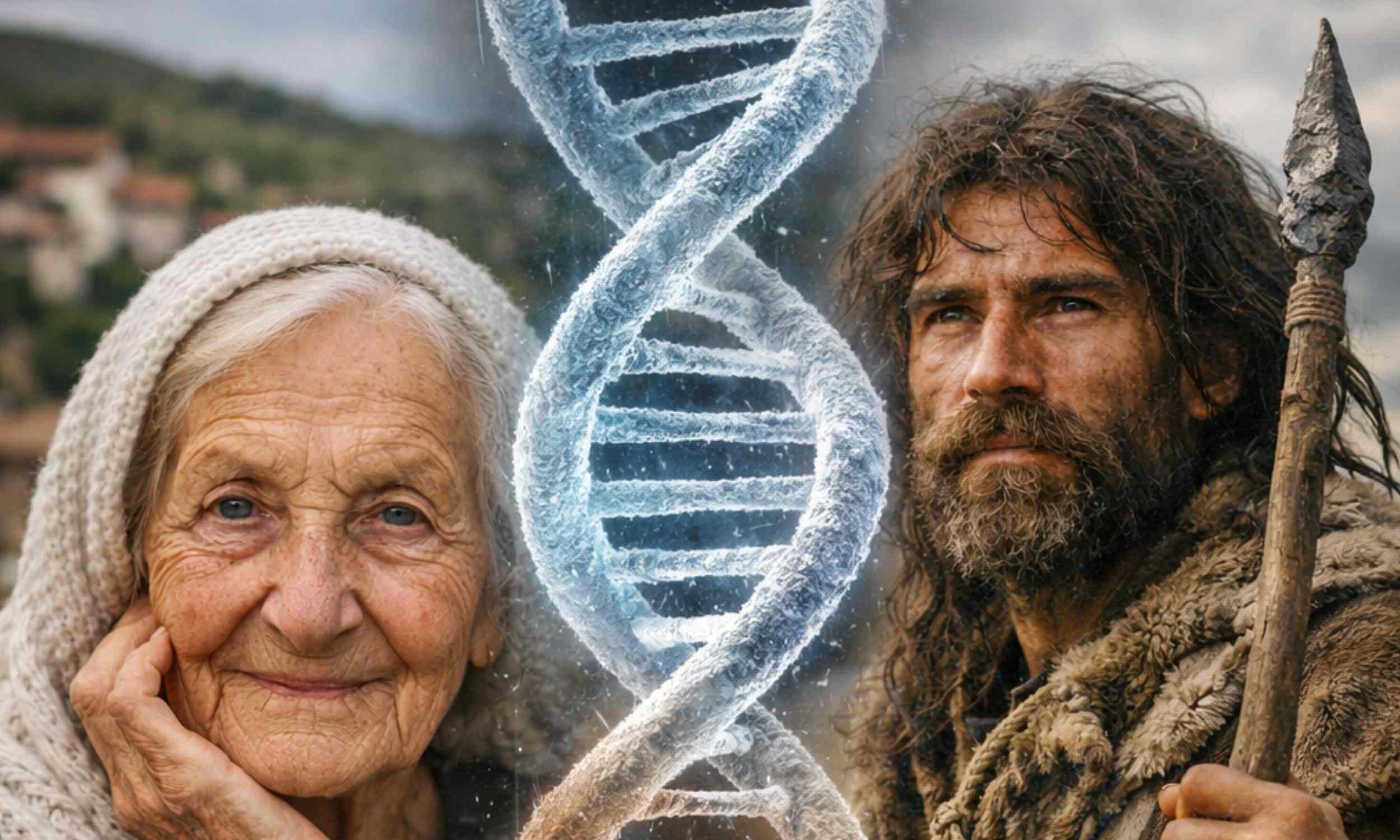
In this guide, we will unpack what this study actually found, how ancient hunter-gatherer DNA might influence modern longevity, and—most importantly—what you can realistically do to support a longer, healthier life, regardless of your genes.
The Longevity Puzzle: Genes, Lifestyle, and the Role of Ancient DNA
Longevity research has always wrestled with a central question: how much of living to 100 is genetics, and how much is lifestyle and environment? Estimates vary, but many studies suggest that:
- Genes may account for roughly 20–30% of differences in lifespan.
- Lifestyle, environment, and chance make up the remaining 70–80%.
Until recently, most genetic research focused on modern populations alone. The new Italian study, however, looked farther back in time—into the DNA of Ice Age hunter-gatherers in Europe—and compared this ancient genetic material with DNA from:
- Modern European populations.
- Super-agers and centenarians with exceptional longevity.
“Our findings suggest that some of the genetic variants that favor healthy aging today were already present in hunter-gatherer populations that survived harsh Ice Age conditions.” — Summary of findings as reported by the Italian research team (via Earth.com)
The problem is not simply whether you “have the right genes.” Instead, the study highlights a more nuanced issue: some of us may carry ancient genetic tools for resilience—and our modern environments either activate or overwhelm those tools.
What the Study Found: Super-Agers and Hunter-Gatherer DNA
Based on the summary from Earth.com, the Italian researchers compared the DNA of:
- Modern super-agers (people living into their 90s and 100s).
- General modern European populations.
- Ancient European hunter-gatherers from the Ice Age.
They identified common genetic signatures between ancient hunter-gatherers and today’s centenarians—patterns that were less frequent in people who did not live as long. While the detailed gene list is still being dissected, the shared variants appeared to cluster in pathways related to:
- Inflammation and immune response – helping the body respond to infections and stress.
- Metabolism and energy use – how efficiently cells use fuel and manage oxidative stress.
- Cellular repair – mechanisms that maintain DNA and cellular integrity over time.
In other words, the same genetic traits that helped hunter-gatherers survive cold climates, food scarcity, and infections may now help a subset of modern humans better cope with aging-related stress, potentially increasing their odds of reaching 100.
How Ancient Hunter-Gatherer Genes Might Support Longevity
To understand how Ice Age DNA could impact you today, it helps to think about the pressures ancient hunter-gatherers faced. Their survival depended on:
- Resisting infections without modern medicine.
- Surviving periods of food scarcity.
- Enduring physical hardship and cold climates.
The new research suggests that some centenarians carry genetic variants that may:
- Fine-tune the immune system Variants inherited from hunter-gatherers might:
- Promote a balanced immune response—strong enough to fight infection, but less prone to chronic inflammation.
- Reduce the long-term “background inflammation” that contributes to heart disease, dementia, and frailty.
- Improve metabolic efficiency In food-scarce environments, efficient metabolism was critical. Today, similar variants may:
- Help regulate blood sugar and lipids more effectively.
- Reduce oxidative damage to cells over decades.
- Support cellular repair and resilience Genes involved in DNA repair and stress response can slow how quickly damage accumulates, potentially extending healthspan—the years lived in relatively good health.
Importantly, these genetic advantages evolved in a context of high physical activity, simple diets, and intermittent scarcity. When placed in today’s environment of sedentary lifestyles and calorie-dense foods, some of these same genes can behave very differently.
Genes Are Not Destiny: What Super-Agers Teach Us
While the study emphasizes the genetic contribution to longevity, decades of research on centenarians—especially in so‑called “Blue Zones”—shows that lifestyle still plays a major role. Many super-agers share habits like:
- Regular, low-intensity movement throughout the day.
- Mostly plant-based diets with modest portions.
- Strong social connections and a clear sense of purpose.
- Good sleep and effective stress management.
“Longevity genes may load the gun, but environment and behavior pull the trigger.” — Common framing in modern longevity research
In clinical practice, geriatricians often see people with no known family history of exceptional longevity reach their late 90s in good shape—thanks to stable routines, social engagement, and attention to chronic conditions. Genetic advantages help, but they are not a requirement.
Practical Steps: How to Support Longevity, Whatever Your Genes
You cannot change whether you inherited specific hunter-gatherer variants, but you can shape the environment your genes operate in. The habits below reflect what we know from:
- Centenarian studies.
- Large population health research.
- Insights from evolutionary biology.
1. Move Like a Hunter-Gatherer (Without Living in a Cave)
Hunter-gatherers walked, carried, squatted, and lifted throughout the day. You do not need extreme workouts to capture some of those benefits.
- Aim for at least 150–300 minutes/week of moderate activity (e.g., brisk walking).
- Add 2–3 days/week of strength training to protect muscle and bones.
- Break up long sitting periods with 2–3 minute movement breaks every 30–60 minutes.
2. Eat in a Way Your Metabolism Recognizes
While ancient diets varied widely, they were generally:
- Higher in fiber and lower in ultra-processed foods.
- Seasonal and mostly unrefined.
Evidence-based guidelines for healthy aging include:
- Filling half your plate with vegetables or fruit at most meals.
- Choosing whole grains and legumes over refined starches.
- Picking healthy fats (olive oil, nuts, seeds, fatty fish).
- Limiting sugary drinks and highly processed snacks.
3. Protect Cellular Health: Sleep, Stress, and Inflammation
The hunter-gatherer variants linked with immunity and stress response work best in a relatively “quiet” internal environment.
- Sleep: Aim for 7–9 hours of consistent, good-quality sleep.
- Stress: Build a daily practice (walking, breathing exercises, prayer, or meditation).
- Inflammation: Manage blood pressure, blood sugar, and cholesterol with your clinician’s help; do not smoke; keep alcohol modest if you drink at all.
4. Stay Socially and Mentally Active
Many super-agers stay mentally engaged and socially connected well into late life. Research links this to lower dementia risk and better overall health.
- Maintain regular contact with friends and family.
- Pursue hobbies that challenge your brain (languages, music, puzzles, crafts).
- Consider volunteering or community involvement to maintain a sense of purpose.
Real-World Obstacles—and How to Work Around Them
Knowing what supports longevity is one thing; doing it consistently is another. Many readers face challenges like:
- Chronic pain or limited mobility.
- Busy schedules and caregiving responsibilities.
- Limited access to healthy foods or safe spaces to exercise.
A realistic, compassionate approach to healthy aging builds from where you are now, not from an idealized lifestyle. Some practical workarounds:
- If mobility is limited:
- Try seated exercises, resistance bands, or water-based activities.
- Ask a physical therapist about customized routines.
- If time is tight:
- Use “habit stacking”: attach short walks or stretches to existing routines (after meals, phone calls, or meetings).
- Prep simple, healthy staples (beans, frozen vegetables, whole grains) once or twice a week.
- If food choices are limited:
- Prioritize basic upgrades: swap sugary drinks for water; choose beans, lentils, or frozen vegetables when fresh options are scarce.
- Look into community resources such as food co‑ops, markets, or nutrition programs for older adults where available.
“In longevity, small improvements repeated over years often matter more than one-time dramatic changes.”

Should You Get Genetic Testing for Longevity?
With growing interest in DNA and aging, many people wonder whether they should test for “longevity genes.” At the time of the Italian study:
- There was no clinically validated, single test that could reliably predict who will reach 100.
- Direct-to-consumer tests may report variants related to inflammation, metabolism, or disease risk, but their ability to forecast extreme longevity is limited.
At this stage, the greatest value of the hunter-gatherer DNA research is:
- Improving our scientific understanding of aging.
- Guiding future therapies and prevention strategies.
- Highlighting that our bodies still carry echoes of ancient environments.
A “Before and After” View of Aging: What Changes When We Apply the Science
While we cannot run a personal experiment over 100 years, we can compare typical aging patterns with those of super-agers to see where lifestyle intersects with genetic resilience.
| Aspect | Typical Aging | Super-Ager Pattern |
|---|---|---|
| Physical activity | Mostly sedentary; occasional exercise. | Frequent low-intensity movement, some strength work. |
| Diet | Higher in processed foods and added sugars. | Mostly whole foods; moderate portions; limited ultra-processed foods. |
| Social life | Shrinking social circle; more isolation. | Regular contact with friends and family; community roles. |
| Health management | Irregular checkups; lower adherence to treatment. | Consistent medical follow‑up; proactive about prevention. |
Genetics may help determine how forgiving your body is when you deviate from these patterns, but the patterns themselves remain powerful, modifiable levers for most people.

Where to Learn More: Science Behind Longevity and Ancient DNA
If you are curious about the research foundations behind these ideas, look for:
- Earth.com report on hunter-gatherer DNA and super-agers – Summarizes the recent Italian research on Ice Age genetic links to longevity.
- Studies of centenarians and Blue Zones – Explore how lifestyle and environment support healthy aging, often in people with diverse genetic backgrounds.
- Human evolutionary genetics research – Shows how ancient populations adapted to climate, diet, and infection, and how those adaptations persist today.
When reading about longevity, be cautious of:
- Claims that a single supplement or test can “guarantee” a longer life.
- Over-simplified interpretations of complex genetic findings.
- Advice that encourages stopping prescribed medications without medical guidance.
Bringing It All Together: Ancient Roots, Modern Choices
The discovery that today’s super-agers may carry DNA traces from Ice Age hunter-gatherers adds a fascinating chapter to the story of human longevity. It reminds us that:
- Our bodies are shaped by ancient challenges—cold, hunger, infection.
- Some of us inherit variants that subtly tilt the odds toward resilience and long life.
- Modern choices—food, movement, sleep, stress, relationships—still profoundly influence how those genes play out.
You do not need to know your exact genetic profile to start supporting your future self. The most powerful steps are often small, repeatable actions:
- Pick one area—movement, sleep, food, or connection—and set a realistic, specific goal for this week.
- Track how you feel, not just the numbers.
- Build from there, with patience and self-compassion.
Your genes are the starting script, not the final story. By aligning your daily environment a little more closely with what your body evolved to handle, you give yourself the best available chance—not a guarantee, but a meaningful chance—of a longer, healthier life.

If you are considering major changes to your diet, exercise routine, or medications in the name of longevity, partner with a trusted healthcare professional. Science is giving us clearer maps of the path to healthy aging—but walking that path is always a step-by-step, personal journey.
