
Were You Exposed? What Travelers Need to Know After the Logan Airport Measles Alert
Travelers passing through Boston’s Logan Airport Terminal C were recently warned they may have been exposed to measles after an infected passenger entered the terminal, according to the Boston Public Health Commission and The Boston Globe. If you were anywhere near Terminal C during the reported time, it’s completely normal to feel anxious—especially if you’re not sure about your vaccination status or you’re traveling with young children.
This page walks you through what we currently know about the exposure, how measles spreads, who is most at risk, and the practical, science-based steps you can take right now to protect yourself and others. The goal is to replace worry with a clear action plan—without minimizing the seriousness of this highly contagious infection.

What Happened at Logan Airport?
According to statements reported by The Boston Globe and the Boston Public Health Commission as of April 2026, an adult man with confirmed measles landed at Logan Airport and entered Terminal C. Officials have emphasized that:
- The man’s name has not been released to protect privacy.
- There are currently no other known exposure points in Boston associated with this case.
- Public health teams are conducting contact tracing and outreach.
Because measles is airborne and extremely contagious, even a short time in the same terminal can raise concern, particularly for unvaccinated or under-vaccinated travelers.
Why Measles Exposure in an Airport Is Taken So Seriously
Measles is one of the most contagious viruses known. Health officials often point out that:
- Up to 9 out of 10 unvaccinated people who are close to someone with measles will become infected.
- The virus can remain in the air or on surfaces for about two hours after an infected person leaves a space.
- People are contagious from about 4 days before the rash appears to 4 days after.
“Airports are high-risk environments for measles transmission because travelers from many regions mix indoors for extended periods. Vaccination remains the single most effective way to prevent outbreaks.”
— Adapted from guidance by the U.S. Centers for Disease Control and Prevention (CDC)
The good news is that measles is preventable with the MMR (measles, mumps, rubella) vaccine, which has decades of safety and effectiveness data behind it. Even if cases appear in a community, high vaccination rates can limit how far the virus spreads.
How Measles Spreads in Places Like Logan Airport
Measles spreads when an infected person breathes, coughs, or sneezes. Tiny droplets and particles containing the virus can linger in the air and on surfaces.
- Airborne transmission: The virus floats in the air and can infect someone who walks through the same space—even up to two hours later.
- Close contact: Being near someone who is coughing or sneezing increases the risk significantly.
- Surface contact: Touching contaminated surfaces and then touching your nose, mouth, or eyes can also lead to infection, though this is thought to be less common than direct airborne spread.
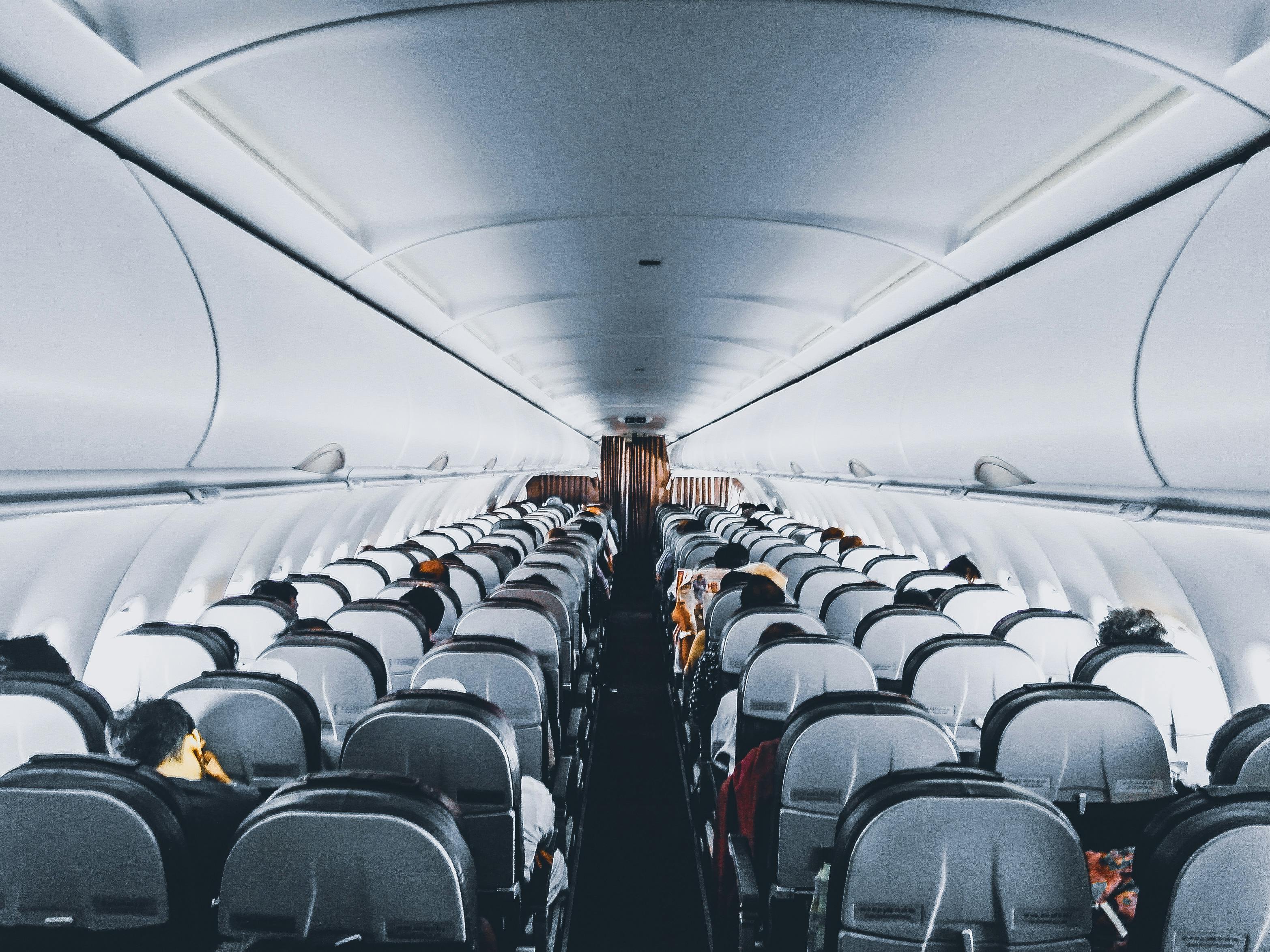
Measles Symptoms: What to Watch For After Possible Exposure
Measles doesn’t show up right away. The time from exposure to symptoms—the incubation period—is usually about 7 to 14 days, but can be up to 21 days.
Typical symptom timeline, based on CDC and WHO descriptions:
- Early signs (days 7–12 after exposure):
- Fever, often rising over a few days
- Cough
- Runny nose
- Red, watery eyes (conjunctivitis)
- Classic rash (around day 10–14):
- Small white spots (Koplik spots) may appear inside the mouth first.
- A red, blotchy rash starts at the hairline, then spreads down the face, trunk, and limbs.
- Fever can spike high, sometimes over 104°F (40°C).
Who Is Most at Risk From the Logan Airport Measles Exposure?
Not everyone who passed through Terminal C faces the same level of risk. The following groups deserve extra attention:
- Unvaccinated children and adults who have never received the MMR vaccine.
- People with only one MMR dose (they have some protection, but not as much as two doses provide).
- Infants under 12 months who are too young for the routine MMR schedule.
- Pregnant people without documented immunity.
- People with weakened immune systems (e.g., from cancer treatment, immune-suppressing medications, advanced HIV).
“For most fully vaccinated adults, the risk from a brief airport exposure is low. Our priority is protecting infants, immunocompromised people, and anyone who is unvaccinated or unsure of their immunity.”
— Public health perspective adapted from CDC and local health department guidance
If You Were in Logan’s Terminal C: What to Do Now
Action steps depend largely on your vaccination status and health situation. Here is a general framework inspired by CDC recommendations—always confirm specifics with your local health department or clinician.
1. If you know you’ve had two MMR doses (or documented measles immunity)
- Your risk of getting measles from this exposure is considered low.
- You usually do not need any special testing or treatment.
- Still, monitor for symptoms for about 21 days after the possible exposure date.
2. If you’re unsure of your vaccination status
- Check any vaccination records you have (paper records, patient portals, state registries).
- Call your primary care provider and explain that you may have been in Logan Terminal C during a measles exposure.
- Your provider may:
- Recommend an MMR dose (getting vaccinated after exposure can still help in some situations).
- Consider a blood test to check immunity if records remain unclear.
3. If you are unvaccinated or at high risk
For unvaccinated people, especially infants, pregnant people, or those with weakened immune systems, public health guidelines may recommend one or more of the following (depending on timing and individual circumstances):
- Post-exposure MMR vaccine (ideally within 72 hours of exposure).
- Immune globulin (IG) within 6 days of exposure for certain high-risk groups.
- Temporary quarantine or exclusion from school, daycare, or work settings if advised by public health officials.
How the MMR Vaccine Protects Travelers
The MMR vaccine has been used for decades and is strongly recommended by health authorities worldwide, including the CDC and the World Health Organization. Large studies show:
- About 93% effective at preventing measles after one dose.
- About 97% effective after two doses.
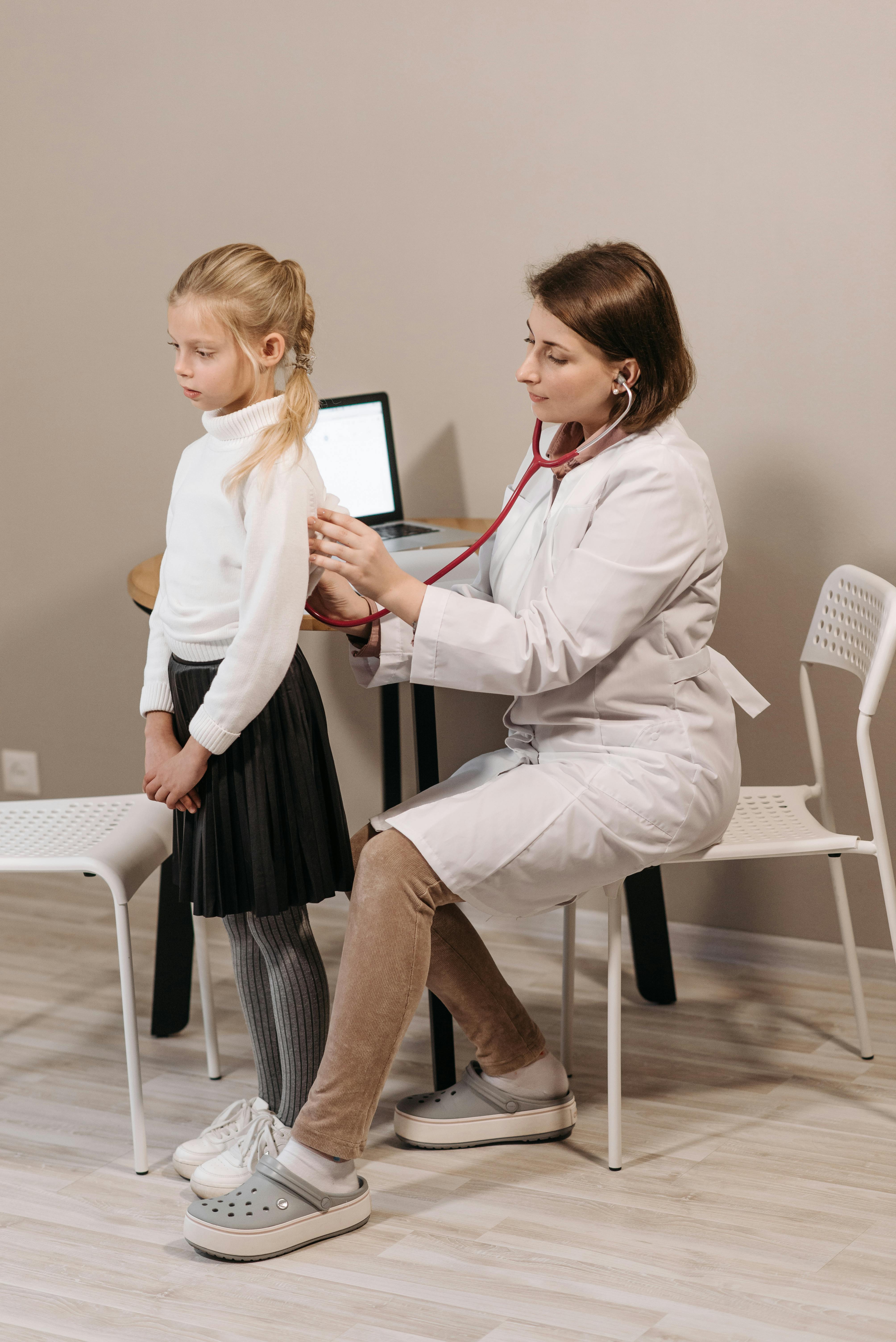
For most adults in the United States:
- Having documentation of two doses of MMR, given at least 28 days apart, is considered full protection.
- People born before 1957 are often assumed to have natural immunity, but some may still benefit from vaccination depending on personal risk and their clinician’s advice.
Common Obstacles: Records, Access, and Anxiety
After news like the Logan Airport measles case, many people run into three main barriers: missing records, access to care, and worry.
1. “I can’t find my vaccination records.”
- Check patient portals for your primary care office, pediatrician, or college health center.
- Ask your state’s Immunization Information System (IIS) if they can search for your record.
- If records are not available, many clinicians simply recommend vaccination now—it’s generally safe to receive MMR again, even if you previously had it.
2. “I don’t have a regular doctor right now.”
Depending on your area, potential options include:
- Urgent care centers or walk-in clinics.
- Community health centers or free clinics.
- City or county public health departments, which may offer low-cost or free vaccines, especially during an exposure event.
3. “I’m really anxious about this.”
Feeling stressed after hearing about a possible exposure is understandable, especially if you care for young children or high-risk family members. It may help to:
- Focus on what you can control now: check status, monitor symptoms, and seek guidance.
- Limit repeated exposure to alarming news updates; check trusted sources once or twice a day instead.
- Share concerns with a friend, family member, or mental health professional if anxiety feels overwhelming.
A Realistic Example: How One Family Responded
Consider a composite example based on common scenarios from airport exposures:
A couple with a 9‑month‑old baby had a layover at Logan Terminal C the day of the reported measles case. The parents were vaccinated but weren’t sure about their records; the baby was too young for the standard MMR dose.
Here’s how they worked through it with their pediatrician and local health department:
- They called the pediatrician, who confirmed that infants traveling to areas with measles activity can sometimes receive an early MMR dose.
- Because they had already traveled, the pediatrician and health department reviewed the exact timing of the flight and exposure.
- Within the recommended window, the baby received appropriate post-exposure medication based on official guidelines, and the family monitored closely for 21 days.
- The parents later updated their own MMR doses after confirming they had only received one shot as children.
This kind of calm, stepwise approach—verify, consult, act—can significantly reduce both actual risk and anxiety after an event like the Logan Terminal C alert.
Practical Prevention Tips for Future Air Travel
While measles is relatively rare in the U.S., global travel means occasional airport exposures are likely to continue. Some preventive strategies:
- Review vaccines before trips: Especially if you’re traveling internationally, pregnant, or with young children.
- Know your records: Store digital copies of your immunizations where you can access them while traveling.
- Stay informed: Check CDC travel health notices and your airline’s or airport’s alerts during periods of increased measles activity.
- Practice general infection control: Hand hygiene, avoiding close contact with visibly ill travelers, and wearing a well-fitted mask in crowded indoor spaces can help reduce multiple respiratory risks—not just measles.
Where to Find Reliable, Up-to-Date Information
For the most current guidance on the Logan Airport measles exposure and measles prevention in general, consult:
- U.S. Centers for Disease Control and Prevention – Measles (Rubeola)
- Boston Public Health Commission – Official Alerts and Guidance
- Massachusetts Department of Public Health – Measles Information
- World Health Organization – Measles Fact Sheet
These organizations regularly update their pages as new data emerge, including outbreak locations, vaccination recommendations, and travel advisories.
Moving Forward With Clarity, Not Fear
Hearing that you might have been exposed to measles at Logan Airport—especially in a busy hub like Terminal C—can be unsettling. Yet for many people, particularly those who are fully vaccinated, the actual risk of serious illness remains low. The key is to pair that reassurance with concrete steps:
- Confirm where and when you were in Terminal C relative to the reported exposure.
- Review your and your family’s MMR vaccination status.
- Contact your healthcare provider or local health department for personalized guidance.
- Monitor for symptoms for 21 days, and call ahead before seeking in-person care if you develop fever and rash.
You deserve clear, evidence-based information—not alarmism. By taking a few thoughtful steps now, you can protect yourself, your loved ones, and the more vulnerable travelers around you, turning a stressful headline into an opportunity to strengthen your health preparedness for future trips.
If you were in Logan’s Terminal C during the reported timeframe, consider today your reminder to check your vaccination records and, if needed, schedule a quick conversation with your healthcare provider. That single step can bring both protection and peace of mind.
