
High-Satiety Cooking: Protein-Packed, Fiber-Rich Recipes That Actually Keep You Full
High-Protein, High-Fiber “Satiety” Eating: Feel Full, Not Deprived
Satiety-focused eating is having a real moment right now—and for good reason. Instead of shrinking your portions to sad, tiny plates, this approach leans into high-protein, high-fiber, high-volume meals that keep you genuinely full on fewer calories. Think generous bowls loaded with beans, colorful vegetables, chewy whole grains, and juicy, lean protein rather than ultra-processed snacks that disappear in three bites.
Below, you’ll find a friendly breakdown of the satiety trend, why it’s everywhere from TikTok meal-prep videos to science-heavy nutrition blogs, plus a deeply satisfying High-Satiety Mediterranean Power Bowl recipe that’s packed with protein, fiber, and flavor.
What Is a “Satiety Diet” and Why Is It Trending?
A satiety diet isn’t a rigid plan—it’s a way of building meals so that you feel pleasantly full instead of chasing hunger all day. The focus is on foods that deliver the most fullness per calorie.
Core idea: Maximize fullness per bite
- Lean protein (eggs, Greek yogurt, chicken breast, tofu, tempeh, fish) helps control appetite and preserves muscle.
- High-fiber carbs (oats, lentils, chickpeas, black beans, quinoa, barley) digest slowly and keep blood sugar steadier.
- Low-energy-density foods (vegetables, fruits with skin, broth-based soups, big salads) take up space in your stomach for fewer calories.
- Smart fats (nuts, seeds, avocado, olive oil) used in modest amounts add satisfaction and flavor.
Instead of strict calorie counting, the goal is to make meals so satisfying that your natural appetite handles a lot of the regulation for you.
Why High-Satiety, High-Protein, High-Fiber Eating Is So Popular Now
Over the last few years, interest in “high satiety” and “satiety index” eating has grown across search engines and social platforms. As of 2026, the trend continues to rise as people look for sustainable, non-crash-diet approaches.
Key reasons behind the trend
- Weight-loss fatigue: Many are exhausted by “no carbs,” “no fat,” or other all-or-nothing rules. Satiety-focused eating feels more positive and flexible.
- Influencer meal-prep culture: TikTok and YouTube are full of “high-volume, low-calorie” bowls that are both photogenic and filling.
- Science-backed messaging: Communicators talk about concepts like protein leverage (we tend to eat until protein needs are met) and the effect of fiber and food structure on appetite.
- Pushback against ultra-processed foods: Many people are trying to move away from hyper-palatable snacks that are incredibly easy to overeat.
Simple Satiety Strategies You Can Use Today
1. Front-load protein at breakfast
Aiming for 25–35 g of protein in the morning can reduce cravings and late-night snacking. Instead of just toast or a pastry, you might try:
- Greek yogurt with berries, oats, and a sprinkle of nuts
- Veggie omelet with whole-grain toast
- Tofu scramble with black beans and salsa
2. Build “volume meals”
Make large bowls or plates dominated by vegetables, legumes, and lean protein, with whole grains and healthy fats in supporting roles. This is where satiety bowls, big salads, and hearty soups shine.
3. Swap in fiber-rich carbohydrates
When you can, trade refined starches for intact or minimally processed carbs:
- Oats instead of sugary breakfast cereal
- Quinoa or barley instead of white rice
- Whole fruit instead of juice
4. Focus on minimally processed foods
Bars and shakes can be convenient, but intact foods—whole legumes, grains, fruits, and veggies—generally keep you satisfied longer for the same calories.
How Satiety Eating Fits With Other Popular Diets
Satiety-focused eating isn’t a rival to other patterns—it’s more of a lens you can lay on top of them. You’ll see it overlapping with:
- High-protein diets: Gym and fitness communities already emphasize protein for muscle; satiety adds a focus on fiber and food volume.
- Mediterranean-style eating: Olive oil, legumes, vegetables, and fish fit beautifully into a satiety framework.
- Vegetarian and plant-based diets: Lentils, chickpeas, tofu, tempeh, and grains can deliver both fullness and nutrition.
- Lower-carb approaches: When carbs are lower, loading up on fibrous veggies, quality protein, and some healthy fats becomes even more important.
The unifying theme is simple: whatever pattern you follow, choose foods that keep you comfortably full, energized, and satisfied between meals.
Potential Pitfalls and How to Stay Balanced
Like any trend, satiety-focused content can be taken too far. Keeping a gentle, balanced mindset is key.
- Over-fearing calorie-dense foods: Nuts, seeds, and good oils are easy to overeat, but they’re also nutritious and satisfying. The solution is portion awareness, not total avoidance.
- Using satiety hacks to undereat: People with a history of disordered eating may feel tempted to use ultra-high-volume meals to ignore hunger. In those cases, professional support is important.
- Individual differences: Satiety responses vary. Some people find oats incredibly filling; others do better with eggs or lentils. It’s normal to experiment.
High-Satiety Mediterranean Power Bowl (High-Protein, High-Fiber)
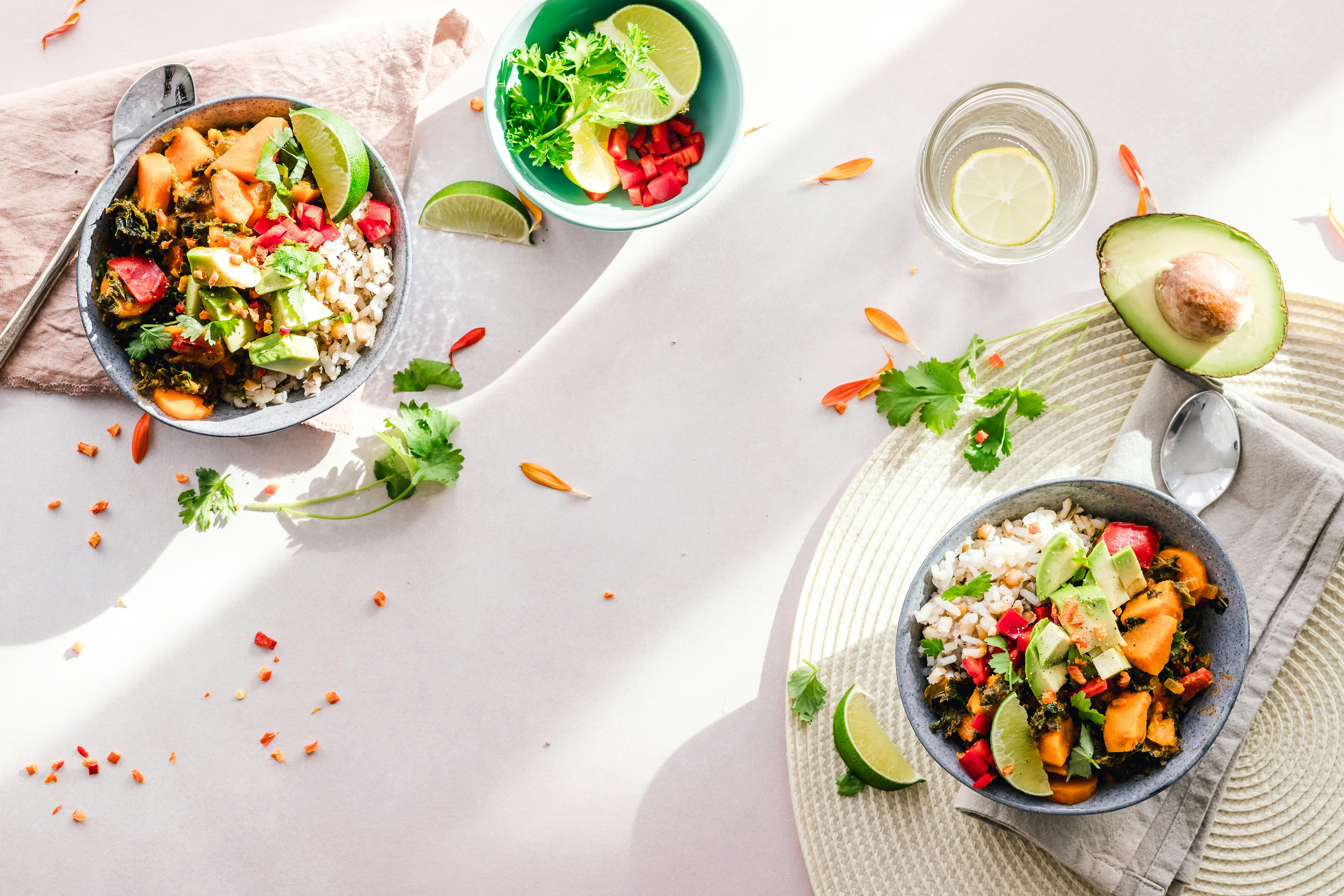
This Mediterranean-inspired bowl is a perfect example of a high-satiety meal: chewy whole grains, tender chickpeas, crisp vegetables, juicy grilled chicken (or tofu), and a bright yogurt-tahini sauce. Every bite is layered with texture and freshness, and the balance of protein, fiber, and healthy fats keeps you full for hours.
Quick Recipe Summary
Prep time: 20 minutes
Cook time: 25 minutes
Total time: 45 minutes
Servings: 4 bowls
Difficulty: Easy–Moderate
Equipment
- Medium saucepan with lid (for grains)
- Baking sheet or grill pan
- Mixing bowls
- Sharp knife and cutting board
- Small whisk or fork (for sauce)
Ingredients
For the grain base
- 1 cup (190 g) dry quinoa or barley, rinsed
- 2 cups (480 ml) low-sodium vegetable or chicken broth (or water)
- 1/4 tsp salt (omit or reduce if broth is salty)
For the protein
- 1 lb (450 g) boneless, skinless chicken breast or extra-firm tofu
- 2 tbsp olive oil, divided
- 2 cloves garlic, minced
- 1 tsp dried oregano
- 1/2 tsp ground cumin
- 1/2 tsp smoked paprika (optional but delicious)
- 1/2 tsp salt, plus black pepper to taste
- Juice of 1/2 lemon
For the high-fiber toppings
- 1 can (15 oz / 425 g) chickpeas, drained and rinsed
- 1 large cucumber, diced
- 1–2 cups cherry tomatoes, halved
- 1 small red onion, thinly sliced
- 2 cups mixed salad greens or chopped romaine
- 1/4 cup pitted Kalamata olives, sliced (optional)
- 2 tbsp chopped fresh parsley or mint
For the yogurt-tahini sauce
- 3/4 cup (180 g) plain Greek yogurt (2% or fat-free)
- 2 tbsp tahini (sesame paste)
- 1 clove garlic, very finely minced or grated
- Juice of 1/2–1 lemon, to taste
- 2–3 tbsp water, to thin as needed
- Salt and black pepper, to taste
Step-by-Step Instructions
- Cook the grains.
Add rinsed quinoa or barley, broth (or water), and salt to a saucepan. Bring to a boil over medium-high heat, then reduce to a gentle simmer, cover, and cook:- Quinoa: about 15 minutes, until fluffy and water is absorbed.
- Barley: 25–30 minutes, until tender and chewy.
- Marinate the protein.
In a bowl, whisk 1.5 tbsp olive oil, garlic, oregano, cumin, smoked paprika (if using), salt, pepper, and lemon juice. Add chicken breasts (or sliced, pressed tofu) and coat well. Let marinate at least 10–15 minutes while you prep the vegetables. - Prep the vegetables and chickpeas.
Dice cucumber, halve cherry tomatoes, thinly slice red onion, and chop greens and herbs. Pat the chickpeas dry with a paper towel (this helps them roast better if you choose to roast them). - Cook the protein.
Heat remaining 0.5 tbsp olive oil in a grill pan or skillet over medium-high heat (or use a lightly oiled baking sheet in a 400°F / 200°C oven).- Chicken: Cook 5–7 minutes per side (pan or grill), or 18–22 minutes in the oven, until the internal temperature reaches 165°F (74°C).
- Tofu: Cook 3–5 minutes per side in a pan or on a baking sheet until golden and crisp at the edges.
- Optional: Crisp the chickpeas.
For extra texture, toss chickpeas with a drizzle of olive oil, salt, pepper, and a pinch of paprika, and roast on a baking sheet at 400°F (200°C) for 15–20 minutes, shaking halfway through, until lightly crisp. - Make the yogurt-tahini sauce.
In a small bowl, whisk together Greek yogurt, tahini, garlic, lemon juice, and 2 tbsp water. Add more water a teaspoon at a time until it’s creamy and spoonable. Season with salt and pepper to taste. It should be tangy, nutty, and silky. - Assemble the bowls.
Divide cooked grains among 4 wide bowls. Arrange greens, cucumber, tomatoes, onion, chickpeas, and olives over the top. Add sliced chicken or tofu. Drizzle generously with yogurt-tahini sauce and sprinkle with fresh herbs. - Taste and adjust.
Finish with an extra squeeze of lemon, a crack of black pepper, or a small drizzle of olive oil if desired. The bowl should taste bright, savory, and deeply satisfying.
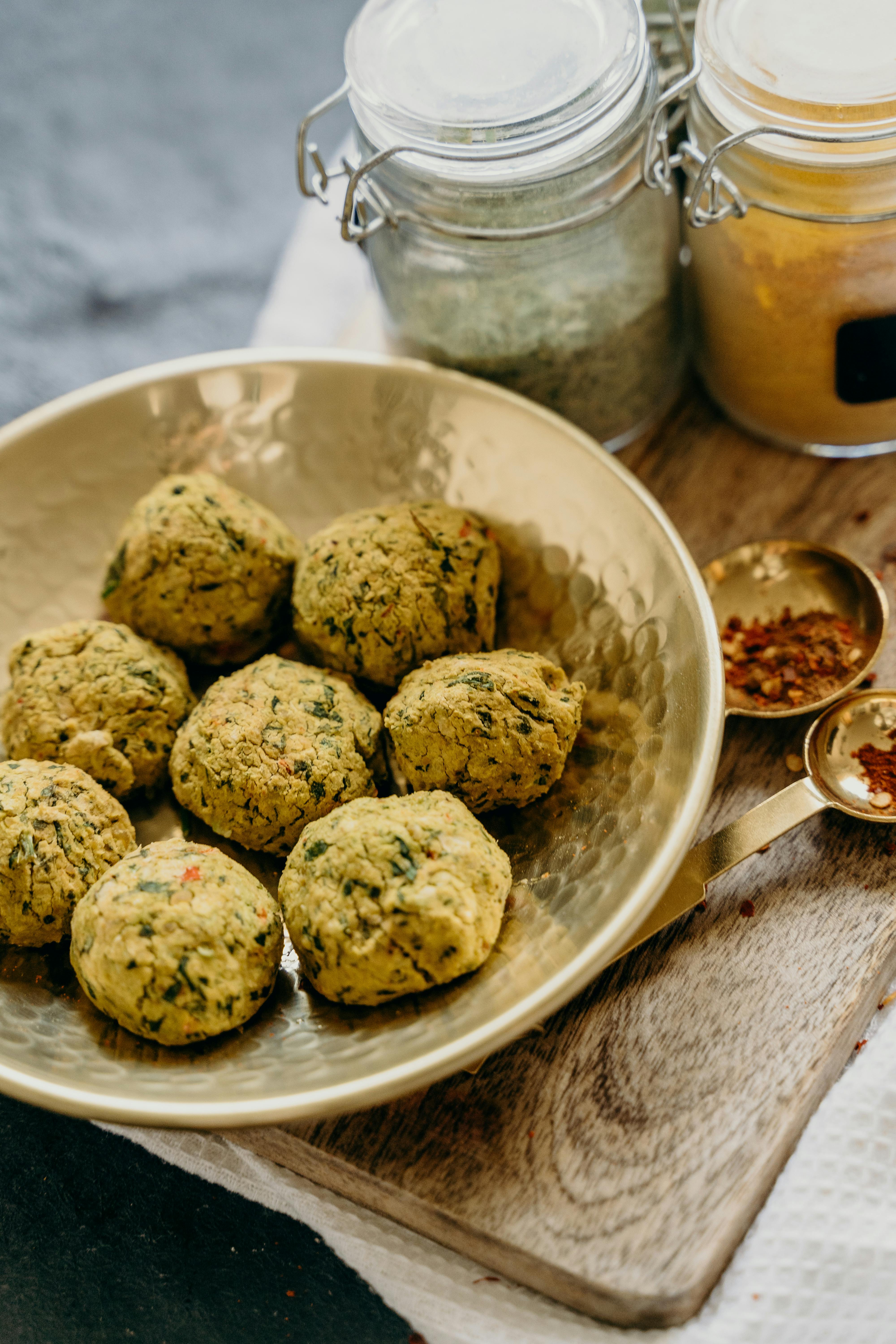
Satiety-Boosting Tips & Variations
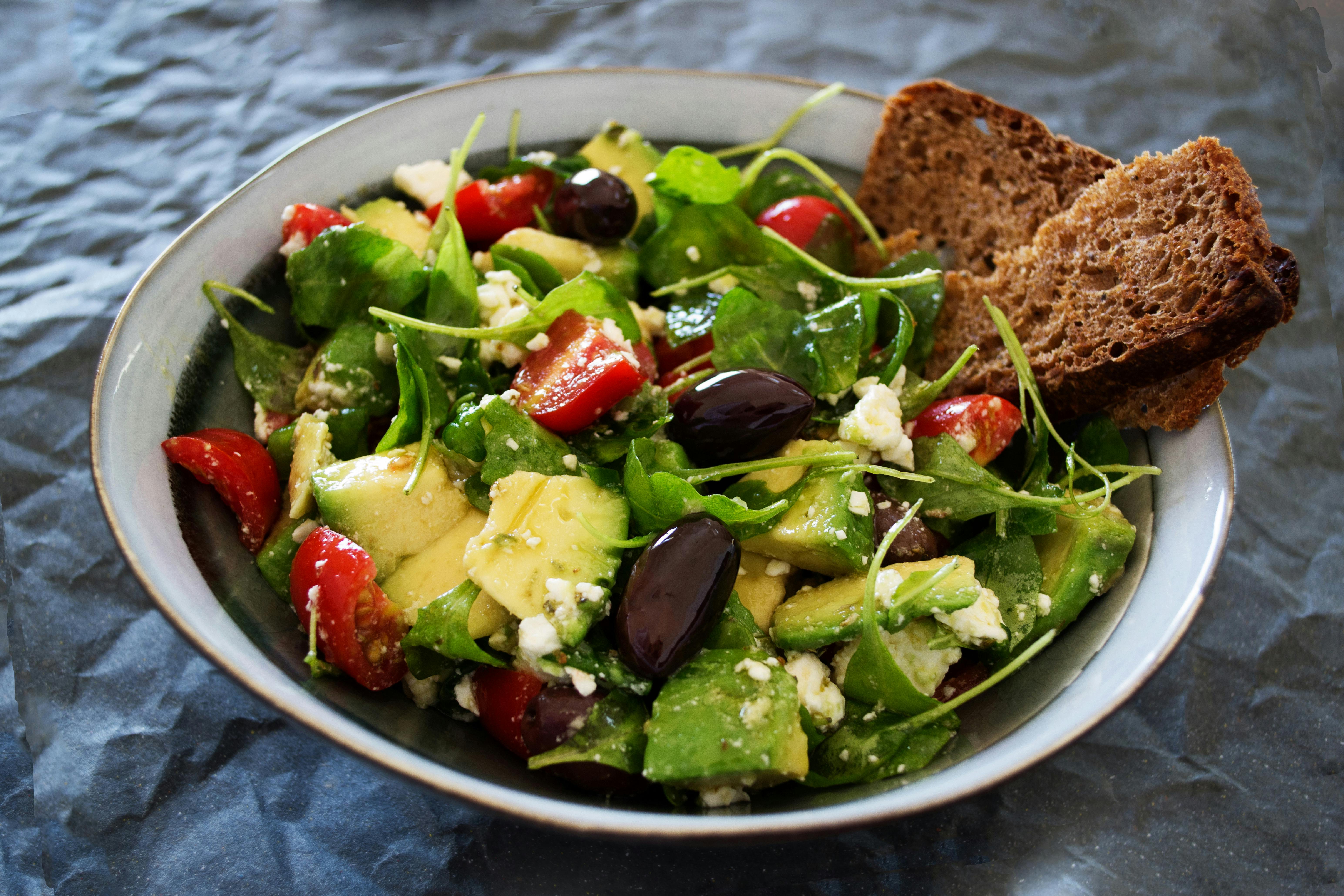
Storage & Meal-Prep Tips
This recipe is a meal-prep dream, and it actually tastes better as the flavors mingle.
- Fridge: Store grains, protein, vegetables, and sauce separately in airtight containers for up to 3–4 days.
- Reheating: Warm the grains and protein gently in the microwave or on the stovetop. Keep veggies and sauce cold, then assemble your bowl.
- Make-ahead sauce: The yogurt-tahini sauce keeps 4–5 days in the fridge. It may thicken; thin with a splash of water or lemon juice.
- Freezer: Cooked chicken and grains freeze well for up to 2–3 months. Thaw overnight in the fridge, then reheat and add fresh veggies.
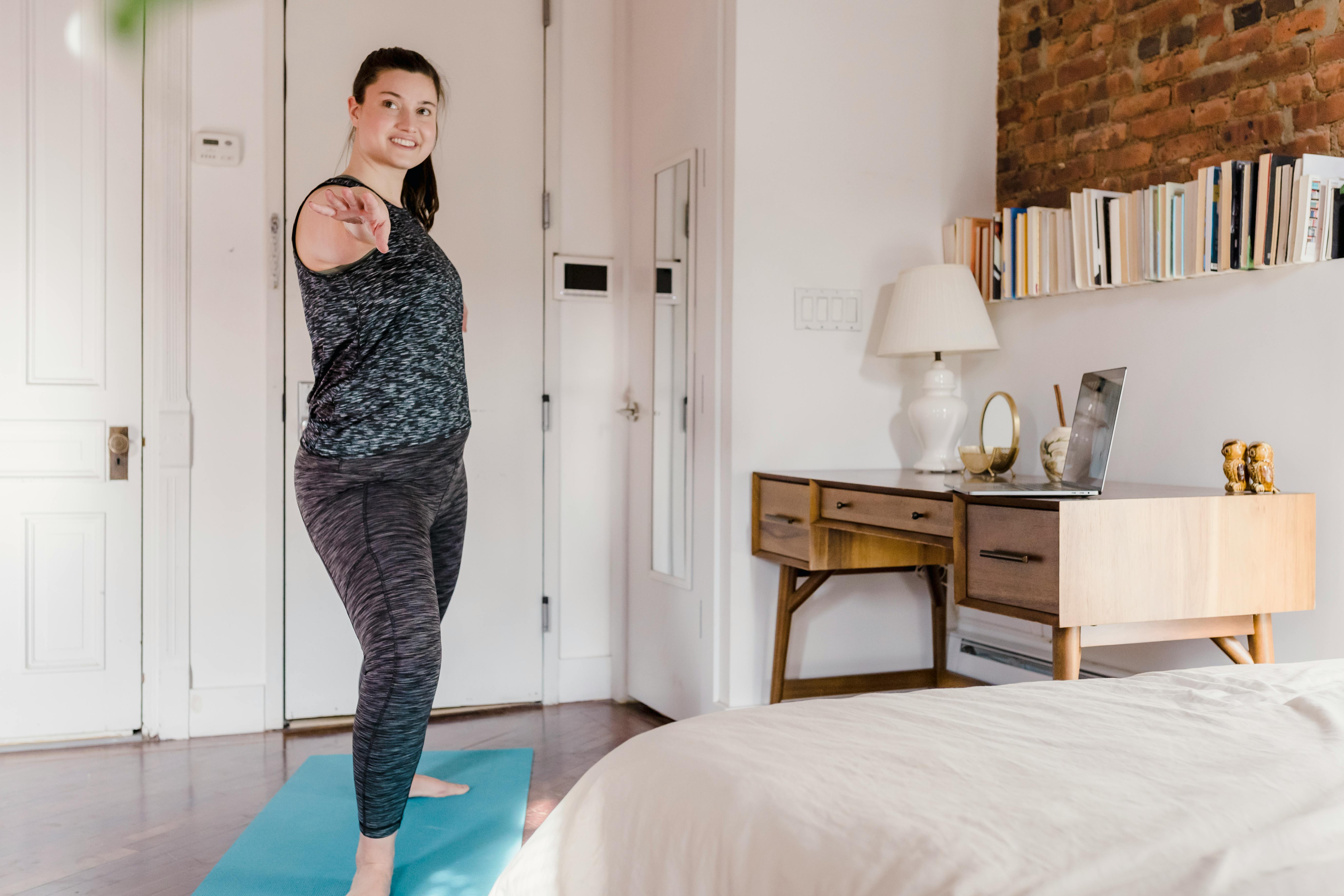
Serving Suggestions & Pairings
This bowl is a full meal on its own, but you can round it out depending on your hunger and preferences:
- For extra volume: Add a side of broth-based vegetable soup or extra salad greens dressed with lemon and olive oil.
- For athletes or very active days: Increase the grain portion or add a small side of whole-grain pita.
- For a cozy dinner: Pair with roasted vegetables like eggplant, zucchini, or bell peppers.
- For a light dessert: Finish with fresh fruit and a spoonful of yogurt or a few nuts to keep the satiety theme going.
Bringing Satiety Cooking Into Your Everyday Kitchen
Satiety-focused eating is less about perfection and more about gentle shifts: adding a scoop of beans to your salad, choosing whole grains more often, or building dinners around vegetables and protein instead of ultra-processed snacks.
Start with one meal—like this Mediterranean Power Bowl—and notice how it feels to walk away from the table comfortably full, steady, and satisfied. From there, you can keep layering in high-protein, high-fiber, high-satiety meals that make “healthy eating” feel generous instead of restrictive.
