
How Ozempic Is Changing What’s on Our Plates: GLP‑1 Weight‑Loss, Nutrition & Real‑World Eating
Ozempic, Wegovy & the GLP‑1 Weight‑Loss Diet Boom
Prescription GLP‑1 drugs like Ozempic, Wegovy, and Mounjaro/Zepbound are transforming weight loss from willpower-based dieting into medically guided treatment, and that shift is changing how people eat, cook, and think about nutrition. With appetite-suppressing injections reshaping hunger cues, home cooks are suddenly re-learning how to nourish a body that wants much smaller portions—without giving up flavor, pleasure, or long‑term health.
If you—or someone you cook for—are on a GLP‑1 medication, you’re not alone. Search trends, TikTok videos, and clinic waiting lists all tell the same story: people are urgently looking for realistic, delicious ways to eat well on a dramatically reduced appetite. Let’s walk through what these medications do, how they’re changing the way we approach food, and how to build satisfying, protein‑rich, nutrient‑dense meals that still feel joyful.
What Are GLP‑1 Drugs Like Ozempic and Wegovy?
GLP‑1 receptor agonists—such as Ozempic and Wegovy (semaglutide) and Mounjaro/Zepbound (tirzepatide)—were originally developed to treat type 2 diabetes. They mimic a natural gut hormone called GLP‑1, which helps:
- Slow gastric emptying (food leaves the stomach more slowly).
- Signal fullness to the brain earlier during a meal.
- Reduce appetite between meals.
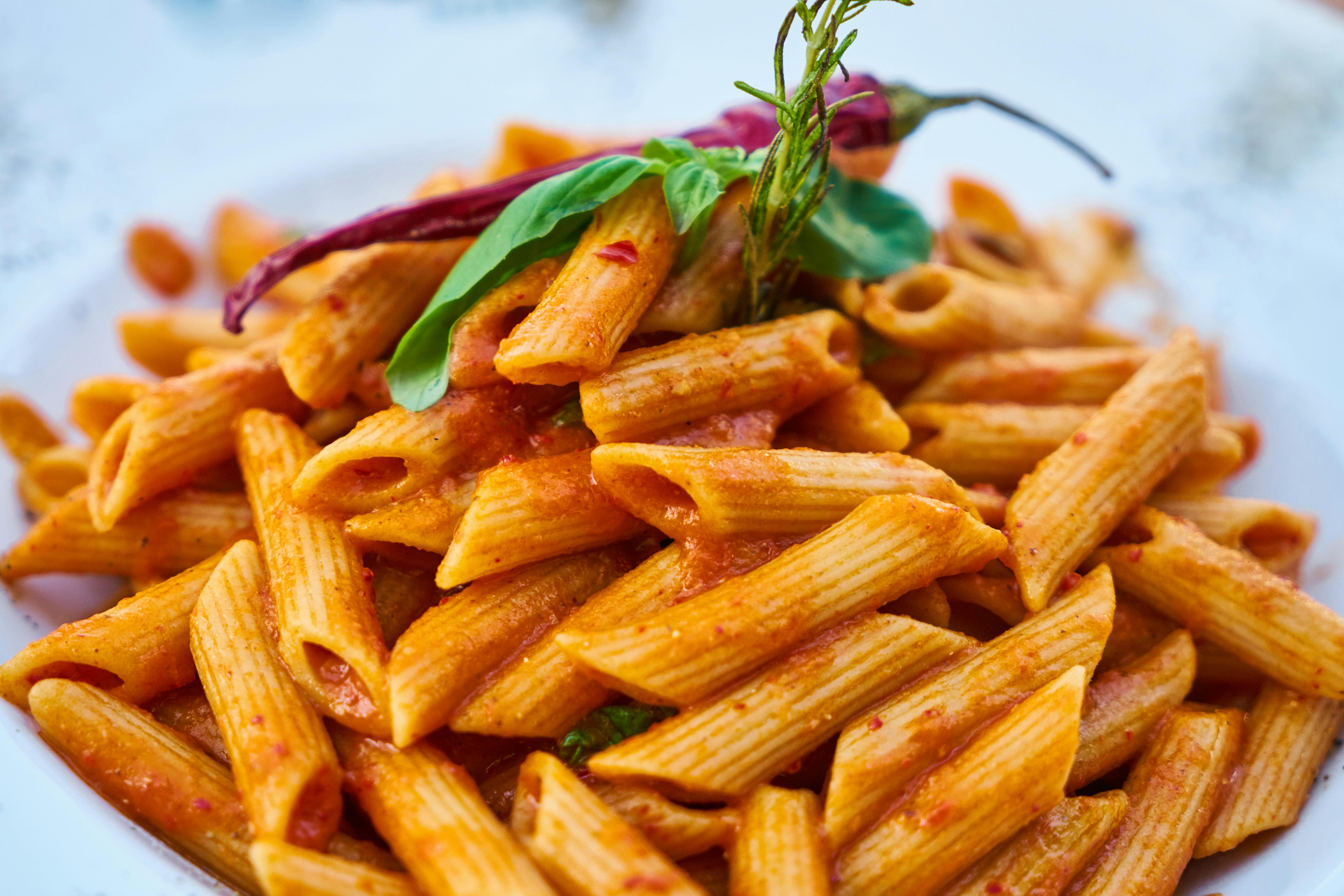
In clinical trials, these effects translate into significantly less hunger, smaller portions, and meaningful weight loss for many people under medical supervision. For home cooks, that means the classic plate—big heaps of pasta, giant burritos, towering burgers—often stops making sense. Instead, the focus shifts to smaller, smarter, more nutrient-dense meals.
From “Willpower Diets” to Medicalized Weight Loss
For years, diet culture centered on rules and restriction—no carbs, no fat, no eating after 7 p.m. GLP‑1s represent a big cultural pivot. Instead of framing weight as a moral failing or a lack of discipline, they treat obesity more like a chronic metabolic condition that can be medically managed.
This shift has some powerful ripple effects:
- Less blame, more biology: People often feel relief when they understand that appetite can be hormonally driven, not just a “weak will.”
- New questions in the kitchen: “What should I eat while on Ozempic?” becomes just as important as “How much weight can I lose?”
- Focus on preservation, not just loss: Protecting muscle, bone health, and nutrient status is now front and center.
In practice, this means home cooks are looking for recipes that are:
- Protein‑forward but not heavy.
- Rich in color, fiber, and micronutrients.
- Easy to portion into very small servings that still feel satisfying.
New Eating Patterns on GLP‑1s: What Actually Happens at Mealtime
One of the most consistent experiences reported by people on Ozempic, Wegovy, or Mounjaro is a dramatic change in hunger signals. Meals that used to be “just a snack” can suddenly feel enormous.
Common patterns include:
- Very small, frequent meals: Half a sandwich, a few bites of chicken and veggies, or a single yogurt can be enough.
- Early, intense fullness: Some people feel uncomfortably full if they try to finish a standard restaurant portion.
- Protein and micronutrient gaps: It’s surprisingly easy to undereat protein, vitamins, and minerals when your total intake shrinks.
Dietitians and physicians creating “GLP‑1 nutrition” content often recommend:
- Higher protein intake (commonly 1.2–1.6 g/kg/day, if medically appropriate) to help preserve lean muscle and keep you satisfied.
- Prioritizing whole foods—lean proteins, beans, whole grains, nuts, seeds, fruits, and vegetables—over ultra‑processed bites that deliver lots of calories with little nutrition.
- Plenty of fiber and hydration to help minimize common side effects like nausea and constipation.
“On my GLP‑1, lunch turned into a few slow, careful bites. I had to learn to make every mouthful count—tender grilled chicken, crisp salad, bright lemon, a sprinkle of nuts—so I’d walk away nourished, not just ‘not hungry.’”
Celebrity, Social Media & the GLP‑1 Hype Cycle
GLP‑1 medications have become a cultural phenomenon. Speculation and open discussion about use among actors, reality TV stars, and tech executives have pushed these drugs into the mainstream conversation. This visibility has created its own ecosystem of content:
- “What I eat in a day on Ozempic” videos showcasing tiny, highly curated meals.
- Debates about body image and access, especially for people who can’t afford the medications or whose insurance doesn’t cover them.
- Ethical concerns around promotion to teens and young adults, and the risk of glamorizing extreme thinness.
From a food and cooking perspective, one upside is that people are talking more openly about how hard it can be to nourish yourself when you’re simply not hungry. That honesty is powerful—and it opens the door to practical, compassionate nutrition strategies instead of shame‑based dieting.

Backlash, Side Effects & Long‑Term Concerns
Alongside excitement, there’s a growing, thoughtful backlash around GLP‑1 use. Common themes include:
- Weight regain after stopping: Many people regain a significant portion of lost weight when they discontinue medication, especially without nutrition and activity support.
- Cost and access: Monthly expenses can be high, and insurance coverage is uneven.
- Side effects: Gastrointestinal symptoms such as nausea, vomiting, diarrhea, constipation, and stomach discomfort are common; rare but serious risks also exist, which is why medical supervision is essential.
- Transition planning: Moving from medication‑driven weight loss to sustainable habits can be emotionally and physically challenging.
None of this means GLP‑1s are “good” or “bad” across the board—it means they’re powerful tools that require equally thoughtful support systems, including food. Gentle, steady habits like hitting your protein goals, staying hydrated, and learning your new fullness cues make a real difference whether you stay on the medication long‑term or eventually come off.
How GLP‑1s Are Reshaping the Diet & Recipe Industry
Search data and social chatter suggest that traditional named diets—keto, paleo, Whole30—are losing a bit of momentum as medication‑assisted weight loss surges. In response, nutrition professionals and food creators are pivoting:
- From macros to muscle: There’s more emphasis on resistance training plus protein to protect muscle mass, not just hitting a calorie number.
- From volume to density: With smaller appetites, recipes are being reformulated to pack more protein, iron, calcium, and B‑vitamins into modest portions.
- From rules to mindfulness: Mindful eating—savoring textures, aromas, and flavors—helps prevent disordered patterns when appetite is muted.
For home cooks, this is actually a delicious opportunity. Instead of low‑fat, low‑joy recipes, we’re seeing high‑flavor, protein‑rich, veggie‑heavy dishes that respect a smaller stomach but still feel like a treat.
A GLP‑1 Friendly Recipe: High‑Protein Mediterranean Mini Power Bowl
To bring all these ideas into your kitchen, here’s a flexible, GLP‑1 friendly recipe designed for small appetites: a High‑Protein Mediterranean Mini Power Bowl. It’s rich in protein and fiber, customizable, and easy to portion into tiny, satisfying servings. Think juicy grilled chicken or chickpeas, lemon‑garlic yogurt, crunchy cucumbers, and nutty quinoa—all in a bowl you can finish comfortably.
Quick Recipe Snapshot
Prep Time: 20 minutes
Cook Time: 20 minutes
Total Time: 40 minutes
Servings: 4 mini bowls
Difficulty: Easy
Ingredients
For about 4 mini bowls (or 2 “regular” bowls):
Base
- 1 cup cooked quinoa or brown rice, cooled (about 3 cups cooked)
Protein
- 2 cups cooked shredded or diced chicken breast or
- 2 cups cooked chickpeas (rinsed and drained) for a vegetarian option
Vegetables & Extras
- 1 cup cherry tomatoes, halved
- 1 cup diced cucumber
- 1/2 cup diced bell pepper (any color)
- 1/4 cup thinly sliced red onion
- 1/4 cup crumbled feta cheese (optional; skip or use dairy‑free feta to lighten or keep dairy‑free)
- 2 tablespoons chopped fresh parsley or basil (optional but lovely)
Lemon‑Oregano Dressing
- 3 tablespoons extra‑virgin olive oil
- Juice of 1 lemon (about 3 tablespoons)
- 1 small garlic clove, minced
- 1/2 teaspoon dried oregano
- 1/2 teaspoon salt, more to taste
- Freshly ground black pepper, to taste
Yogurt Drizzle
- 1/2 cup plain Greek yogurt (or unsweetened dairy‑free yogurt)
- 2 tablespoons water, as needed to thin
- Pinch of salt and pepper
- Optional: 1 teaspoon lemon juice or zest for brightness
Equipment
- Cutting board and sharp knife
- Small bowl or jar with lid for dressing
- Medium bowl for mixing grains and veggies
- Measuring cups and spoons
- 4 small bowls or ramekins for serving (helps with portion control on GLP‑1s)
Step‑by‑Step Instructions
- Cook your grain (if not already cooked).
Prepare quinoa or brown rice according to package directions. Let it cool slightly so it’s warm or room temperature, not piping hot. Warm grains are easier on the stomach for many people on GLP‑1s.
- Prep the vegetables.
Halve the cherry tomatoes, dice the cucumber and bell pepper, and thinly slice the red onion. Chop the herbs if using. Aim for small, bite‑sized pieces—on a reduced appetite, delicate textures feel more inviting than big chunks.
- Prepare the protein.
If using chicken, shred or dice it into small pieces. If using chickpeas, rinse and drain well. You can lightly season with a pinch of salt and pepper or a squeeze of lemon. Remember, proteins are the star here—they help preserve muscle and keep you satisfied on GLP‑1 medications.
- Mix the lemon‑oregano dressing.
In a small bowl or jar, whisk or shake together olive oil, lemon juice, minced garlic, oregano, salt, and pepper. Taste and adjust—more lemon for brightness, more salt if needed. The aroma should be zesty and herbaceous.
- Toss the grain and veggies.
In a medium bowl, gently toss the cooked grain with tomatoes, cucumber, bell pepper, red onion, and herbs. Drizzle over about half of the dressing and toss again. This creates a flavorful, fiber‑rich base for your mini bowls.
- Make the yogurt drizzle.
In another small bowl, stir Greek yogurt with a pinch of salt, pepper, and a teaspoon of lemon juice or zest if desired. Add water a little at a time until it reaches a pourable, sauce‑like consistency. It should taste cool, tangy, and creamy.
- Assemble mini bowls.
In each small serving bowl, scoop about 1/2 cup of the grain‑vegetable mixture. Top with 1/4–1/3 cup of your chosen protein. Sprinkle with a small amount of feta if using. Drizzle each bowl with a spoonful of yogurt sauce and a little extra dressing if you like.
- Season, savor, and stop early.
Finish with a light grind of black pepper. Take your time as you eat—notice the juicy tomatoes, creamy yogurt, and fragrant lemon. On GLP‑1s, it’s especially important to stop at the first sign of fullness, even if a few bites remain. You can always save the rest for later.
Dietary Adaptations & Substitutions
- High‑protein focus: Use chicken, turkey, tofu, or extra chickpeas. Add a sprinkle of toasted pumpkin seeds or almonds for more protein and healthy fats if your appetite allows.
- Vegetarian: Use chickpeas, lentils, or marinated tofu as your main protein.
- Vegan: Use chickpeas or tofu, swap Greek yogurt for a plain, unsweetened plant‑based yogurt, and skip the feta or use a vegan alternative.
- Gluten‑free: Use quinoa or certified gluten‑free grains; the rest of the bowl is naturally gluten‑free.
- Lower fat (if you feel queasy with rich foods): Reduce olive oil to 1–2 tablespoons and use low‑fat Greek yogurt.
- Higher fiber: Add extra chopped vegetables, a spoonful of hummus, or a handful of leafy greens in each bowl.
Storage & Reheating
- Fridge: Store grain‑veggie mixture, protein, and sauces in separate airtight containers for up to 3–4 days.
- Meal prep: Portion grains and protein into small containers, but keep yogurt sauce separate and add just before serving to maintain texture.
- Reheating: Reheat grains and protein gently in the microwave (20–30 seconds at a time) or enjoy at room temperature; avoid overheating as very hot food can feel unpleasant on a sensitive GLP‑1 stomach.
- Freezer: Grains and cooked chicken freeze well for up to 2–3 months; veggies and yogurt sauce are best prepared fresh.
Serving Suggestions & Pairings
Because GLP‑1 medications reduce appetite, think in layers rather than huge spreads. A mini power bowl pairs beautifully with:
- A small side of fruit (orange slices, berries, or melon cubes).
- A soothing herbal tea or infused water with lemon and mint.
- A tiny serving of something creamy or crunchy for satisfaction—like a tablespoon of hummus with cucumber rounds.
The goal is not to stuff the plate, but to create a relaxed, sensory experience where each small bite feels complete and nourishing.
Mindful, Joyful Eating in the GLP‑1 Era
The GLP‑1 boom is less about a single “diet” and more about a structural change in how we approach weight, health, and food. Medications like Ozempic and Wegovy may quiet your hunger, but they don’t replace the need for:
- Regular, balanced meals (even if tiny) to support energy, muscle, and mood.
- Movement and resistance training to protect strength and metabolism.
- Mindful eating habits that respect your new fullness signals and your emotional relationship with food.
As you experiment with GLP‑1 friendly recipes, be kind to yourself. Some days you’ll only manage a few bites; other days you might feel more “normal” hunger. Your job in the kitchen is not perfection—it’s gentle curiosity and steady nourishment, one small, delicious bowl at a time.
