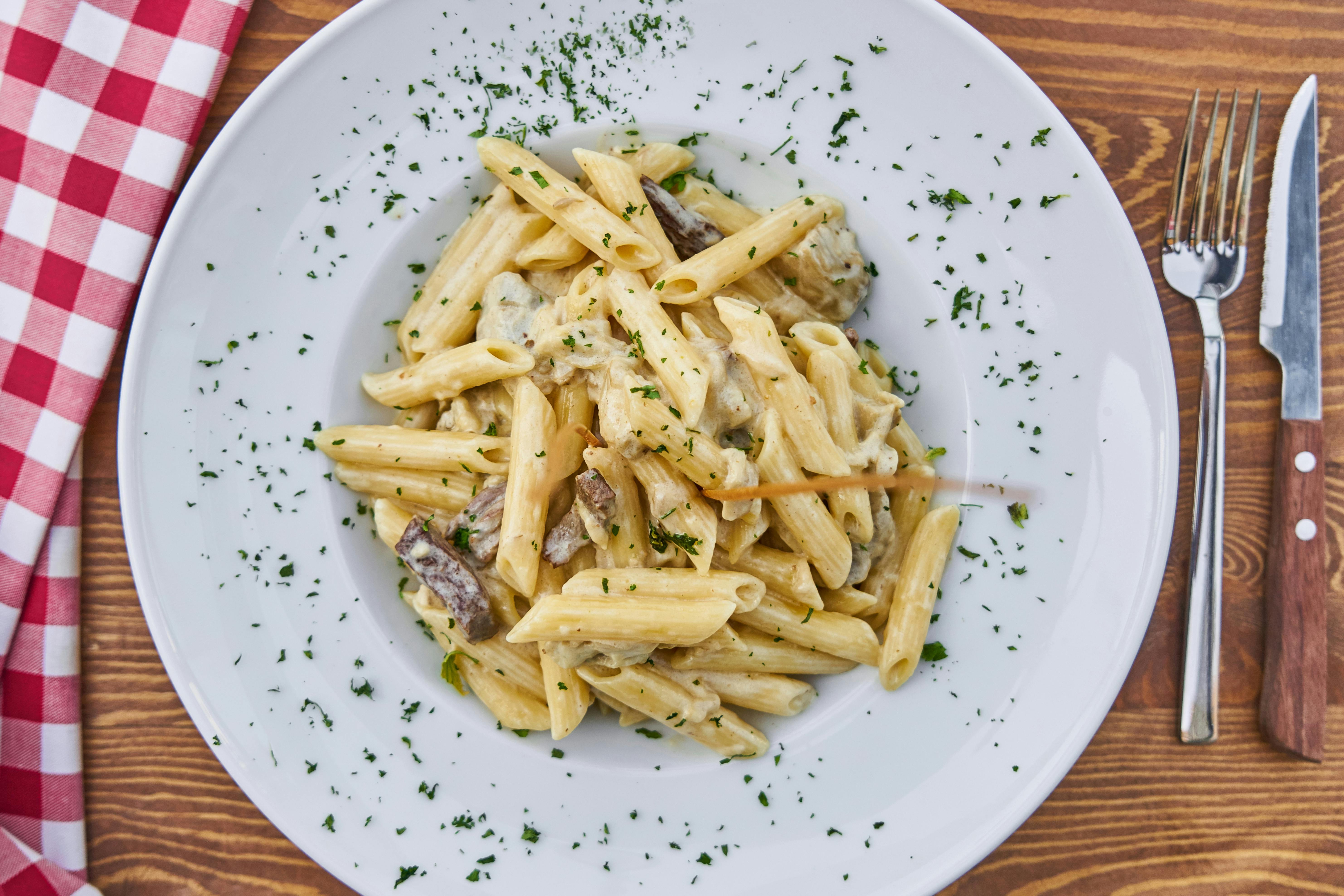
High-Protein, Macro-Aware Eating: How Gym Culture quietly reshaped everyday dieting
High-protein, “macro-aware” eating has quietly slipped out of gym locker rooms and into everyday kitchens, changing how people think about weight loss, strength, and even aging. Instead of vague rules like “eat clean,” more home cooks are playing with macro targets—especially protein—while still savoring comforting, colorful meals.

From bodybuilders’ meal prep to your weeknight dinner
Scroll through TikTok or Instagram Reels and you’ll see it everywhere: creators weighing chicken breast, swirling protein powder into oats, and captioning “What I eat in a day – 140g protein.” What used to be the language of physique competitors—macros, grams per kilogram, “anabolic” recipes—is now a friendly toolkit for anyone who wants to keep muscle, feel full, and still enjoy dessert.
At the heart of this shift is a simple idea: instead of obsessing over tiny portions or cutting whole food groups, you anchor your plate around protein and then flex your carbs and fats based on your goals. Think of it as building a satisfying meal from the inside out.
What is “high-protein, macro-aware” eating?
Macro-aware eating focuses on your three main macronutrients—protein, carbohydrates, and fats—rather than on rigid meal plans. You don’t have to track forever, but you learn roughly how much of each your body needs, and you make protein the star of the show.
- Protein: supports muscle, keeps you fuller longer, and helps recovery from exercise.
- Carbohydrates: fuel for training, brain power, and those cozy comfort-food cravings.
- Fats: essential for hormones, vitamins, and flavor—the satisfying richness in a meal.
Many active people aim for about 1.6–2.2 grams of protein per kilogram of body weight, spread throughout the day—often at least 20–30 grams of protein at each meal. This can look like eggs and Greek yogurt at breakfast, a bean-and-grain bowl at lunch, and salmon or tofu stir-fry at dinner.
Why high-protein eating is trending now
This way of eating isn’t new—athletes have leaned on it for decades—but several forces have pulled it into the mainstream.
1. Weight loss and body recomposition goals
People are realizing that simply eating less can mean losing muscle as well as fat. A higher-protein pattern:
- Helps keep you full and satisfied, so you’re less likely to white-knuckle your way through the afternoon.
- Supports lean muscle while dieting, especially if you’re strength training.
- Can help maintain a healthier metabolic rate compared to low-protein diets.
With the rise of GLP‑1 medications for weight loss, there’s an extra emphasis on protecting muscle mass. Many prescribers and dietitians encourage their patients to prioritize protein and light resistance training for this reason.
2. A flood of high-protein products
Supermarket aisles are crowded with high-protein yogurts, bars, ice creams, cereals, pastas, and breads. Food brands know that “high protein” on the label sells—especially when paired with fun flavors and influencer reviews.
The macro-aware twist is choosing which of these products genuinely help your day flow, and which are just candy in gym clothes.
3. Creator-led education
Fitness and nutrition creators have become friendly translators, turning dense research into easy rules of thumb. You’ll see:
- “100–150 g of protein a day on a budget” videos.
- Side-by-side comparisons of traditional vs. high-protein versions of meals.
- Macro-friendly recipes like high-protein overnight oats, cottage-cheese desserts, and ‘anabolic’ comfort foods.
What a macro-aware day of eating often looks like
While everyone’s needs are different, a typical day in this style aims to anchor each meal with a strong protein source, then layer on color, fiber, and flavor.
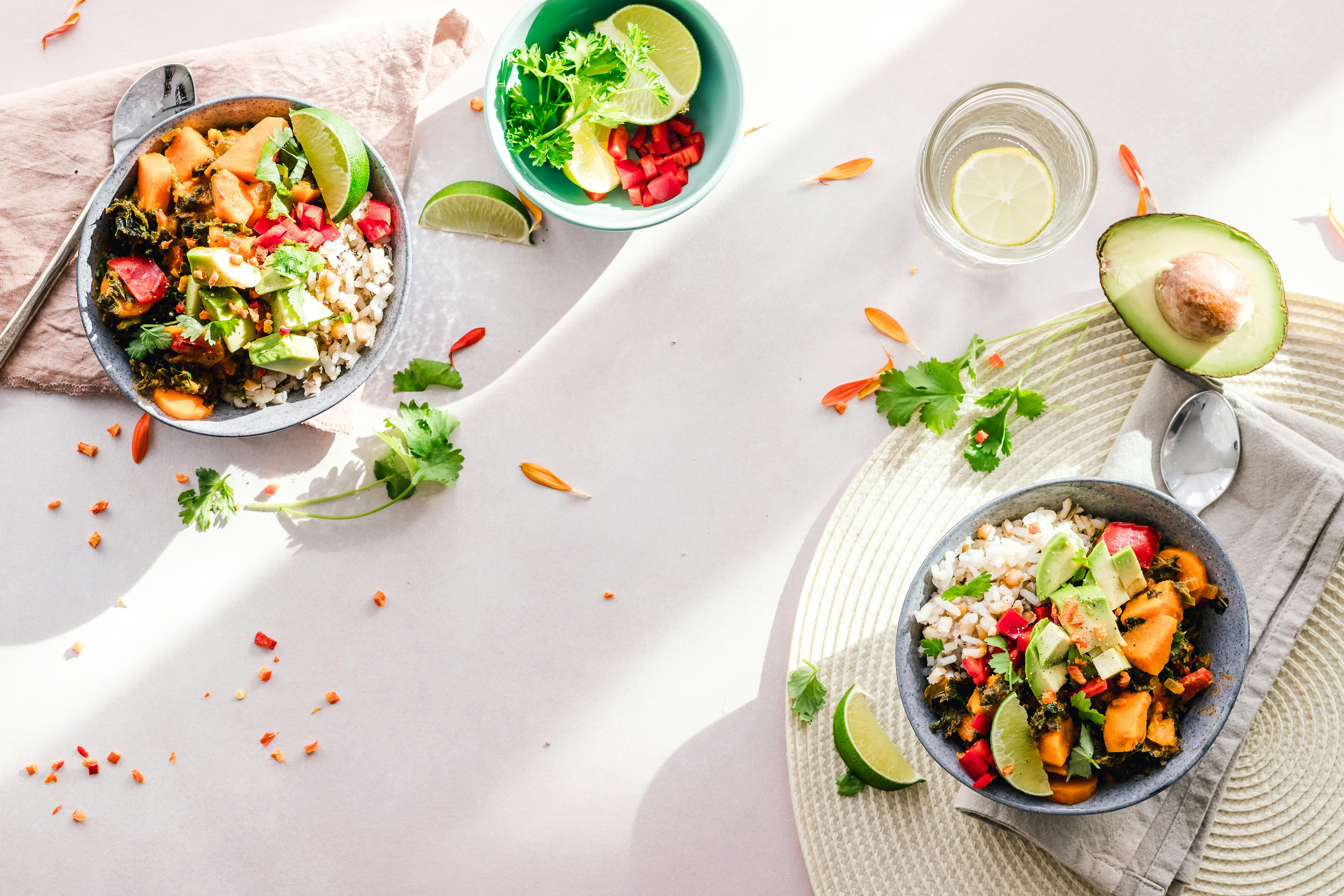
Protein at every meal
- Breakfast: Greek yogurt with berries and granola, or eggs with whole-grain toast and avocado.
- Lunch: Lentil salad with feta, or chicken and quinoa with roasted vegetables.
- Dinner: Salmon with potatoes and greens, or tofu stir-fry with rice and mixed veggies.
- Snacks: Cottage cheese and fruit, edamame, or a protein shake after training.
Carbs and fats flex with your goals
Instead of demonizing carbs or fats, macro-aware eaters treat them as dials to be turned:
- More carbs around intense training or active jobs.
- Slightly less carbs and steady protein & fiber on rest days or during fat-loss phases.
- Healthy fats from olive oil, nuts, seeds, avocado, and fatty fish for satiety and flavor.
How social media shapes macro-aware eating
If you’ve ever been mesmerized by a “What I eat in a day” video, you’ve already brushed up against this trend. These short clips do more than entertain—they teach portion sizes, timing, and simple meal templates.

- “What I eat in a day” with macro breakdowns show real plates with calorie and macro counts overlaid.
- Recipe remixes compare classic dishes with higher-protein twists—like swapping regular pasta for lentil pasta or sneaking cottage cheese into pancake batter.
- How-to guides walk through hitting 100–150 g of protein per day as a student, a vegetarian, or a busy parent.
The best of this content feels like cooking with a chatty, well-informed friend—one who measures their oats but also adds chocolate chips when the mood strikes.
Healthy skepticism: when macro tracking goes too far
While macro-aware eating can be a helpful framework, many dietitians and mental health professionals raise important cautions.
1. Risk of obsessive tracking
For some personalities, watching numbers all day can spiral into anxiety or disordered eating. If logging every bite makes you fearful of social events or spontaneous snacks, the tool has turned into a trap.
2. Over-reliance on processed protein snacks
High-protein bars and ice creams are convenient, but they can’t replace whole foods. It’s easy to end up with days that are mostly shakes and snacks, with few vegetables or intact grains.
3. Not everyone needs “very high” protein
People with certain kidney conditions, or those not very active, may not need or tolerate very high protein intakes. It’s always wise to check in with a qualified health professional if you’re making big changes.
A quieter shift in diet culture: from “eat clean” to measurable, flexible structure
Underneath the TikTok trends, a deeper cultural shift is happening. People are slowly moving away from vague, moralized advice—“no sugar,” “no bad foods”—toward approaches that feel more scientific and flexible.
- Less rigidity than old-school diets that banned entire food groups.
- More structure than simply “intuitive eating” for those who feel lost without guidelines.
- Better aligned with strength training and the desire to age with more muscle and less frailty.
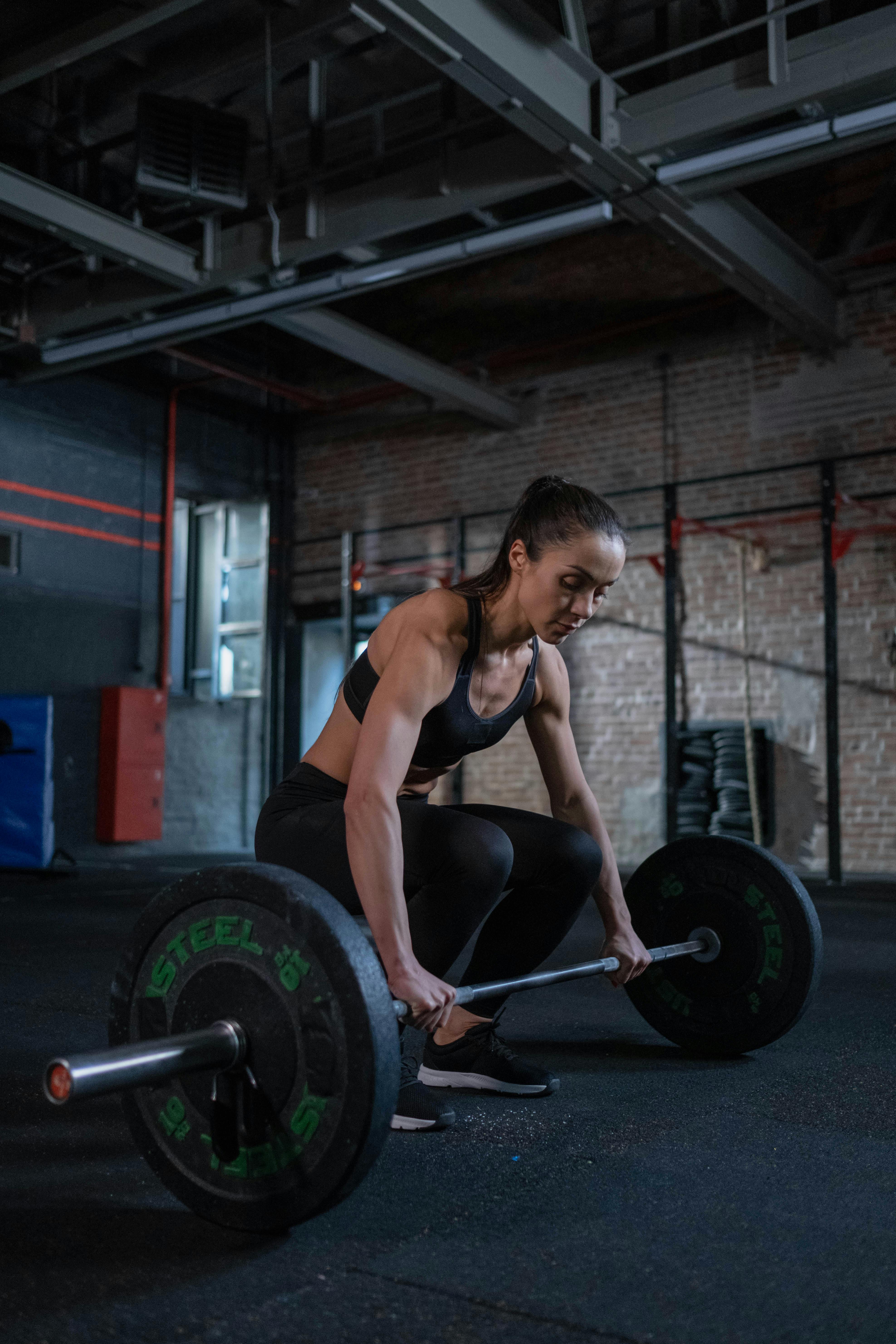
More people are thinking long term: not just “How do I look by summer?” but “How strong, capable, and well-fed do I want to feel in my 50s, 60s, and beyond?” Protein and macros fit neatly into that bigger picture.
Making macro-aware eating work in a real kitchen
You don’t need a bodybuilder’s routine or a perfect digital scale to benefit from this style of eating. Start with gentle, practical tweaks:
- Add one extra protein-rich food to each meal (beans, yogurt, tofu, eggs, fish, lean meat).
- Build plates around a simple formula: protein + fiber + color + comfort.
- If you like numbers, track macros for a week or two just to learn, then step away.
- If numbers stress you out, focus on visual portions—about a palm or two of protein per meal for many adults.
The most powerful part of this trend isn’t the exact grams—it’s the mindset that food can be both nourishing and enjoyable, whether your protein comes as grilled salmon, a bowl of dal, or a creamy tofu curry.