
High-Protein, High-Satiety Eating: From Protein Girlies to Macro-Savvy Home Cooks
High‑Protein, High‑Satiety Eating: From “Protein Girlies” to Macro‑Smart Home Cooks
High‑protein, nutrient‑dense meals are having a moment—and for good reason. From #proteingirlies
on TikTok to meticulous macro tracking on fitness apps, more home cooks are discovering that building meals around protein can mean better appetite control, easier weight management, and that magical feeling of being truly full and satisfied, not just “not hungry.”
In this guide, we’ll walk through the high‑protein trend, explain how to think about daily protein targets, and then dive into a cozy, budget‑friendly star recipe: a one‑pan high‑protein chicken & bean skillet with a vegetarian tofu variation. It’s designed for satiety, flavor, and weeknight sanity—whether you track macros religiously or just want dinners that keep you full for hours.

Why High‑Protein, High‑Satiety Eating Is Everywhere
High‑protein diets have always been at home in gyms and bodybuilding forums, but over the last few years they’ve moved into everyday food culture. Under hashtags like #highprotein, #proteingirlies, and #highproteineasymeals, creators share everything from Greek yogurt bowls to macro‑balanced meal preps.
Several shifts are driving this:
- Weight management & appetite control: Protein digests more slowly, helping you feel full longer. It also has a relatively high thermic effect, meaning your body uses more energy to digest it compared with fats or carbs.
- Strength & “toned” aesthetics: With strength training surging—especially among women—there’s more focus on preserving and building muscle, not just “shrinking.” Protein is the cornerstone of that conversation.
- Convenient, budget‑friendly staples: Eggs, Greek yogurt, cottage cheese, canned tuna and beans, frozen chicken, tofu, and lentils are inexpensive heroes that fit into busy lives.
- Shift away from ultra‑processed “diet foods”: Many people now aim for a “food first, supplements second” approach—protein bars and powders as backup, not the base of the diet.
Protein Basics: How Much, When, and From Where?
In mainstream nutrition content, you’ll often see simple rules of thumb like:
- Daily protein: For active people, many sports nutrition sources suggest around 1.6–2.2 g of protein per kilogram of body weight (roughly 0.7–1.0 g per pound), depending on goals, age, and training.
- Per meal: Aim for about 25–40 g of protein per meal to support muscle protein synthesis and keep hunger steady.
- Spread it out: Instead of a huge protein‑heavy dinner, distributing protein fairly evenly across breakfast, lunch, dinner, and snacks can work better for energy and muscle maintenance.
For plant‑based eaters, a little extra strategy goes a long way. Combining legumes (like lentils and beans) with grains, nuts, or seeds across the day can help you hit both total protein goals and essential amino acid needs.
A satisfying high‑protein day might look like scrambled eggs with black beans for breakfast, lentil‑quinoa salad for lunch, cottage cheese with berries for a snack, and tofu stir‑fry with edamame for dinner.

One‑Pan High‑Protein Chicken & Bean Skillet (with Tofu Option)
This comforting one‑pan chicken and bean skillet is the kind of dish that makes high‑protein, macro‑friendly eating feel joyful instead of strict. Tender bites of chicken, creamy beans, juicy tomatoes, and a cozy blend of spices come together in under 35 minutes with minimal chopping and dishes. It’s equally good piled over rice, spooned into a bowl with Greek yogurt, or tucked into whole‑grain tortillas.
For a vegetarian twist, we’ll also walk through a simple tofu swap that keeps protein high and flavor big.
Quick Recipe Summary
- Prep time:
- 10 minutes
- Cook time:
- 20–25 minutes
- Total time:
- 30–35 minutes
- Servings:
- 4 generous servings
- Difficulty:
- Easy (weeknight‑friendly)
- Dietary:
- High‑protein, gluten‑free friendly, high‑satiety

Recipe Card: High‑Protein Chicken & Bean Skillet
Ingredients
For the chicken & bean skillet
- 1.5 lb (680 g) boneless, skinless chicken breast or thighs, cut into bite‑size pieces
- 1 tbsp olive oil or avocado oil
- 1 medium yellow onion, diced
- 3 cloves garlic, minced
- 1 red bell pepper, chopped (any color works)
- 1 can (15 oz / 425 g) black beans, drained and rinsed
- 1 can (15 oz / 425 g) cannellini or kidney beans, drained and rinsed
- 1 can (14.5 oz / 410 g) diced tomatoes with juices
- 1/2 cup (120 ml) low‑sodium chicken broth or water
- 1 1/2 tsp ground cumin
- 1 tsp smoked paprika
- 1/2 tsp dried oregano
- 1/2 tsp chili powder (optional, to taste)
- 3/4 tsp fine sea salt, plus more to taste
- Freshly ground black pepper, to taste
- 1/4 cup (10 g) chopped fresh cilantro or parsley (optional)
- Juice of 1/2 lime (optional, but brightens everything)
To serve (choose your own adventure)
- 1/2 cup (120 g) plain Greek yogurt (for a creamy, high‑protein topping)
- 1/2 cup (60 g) shredded cheddar, Monterey Jack, or cotija cheese (optional)
- Cooked brown rice, quinoa, or cauliflower rice
- Corn or whole‑grain tortillas
- Extra lime wedges, chopped cilantro, and sliced jalapeños
Vegetarian high‑protein tofu variation
- 16 oz (450 g) extra‑firm tofu, pressed and cut into 3/4‑inch cubes
- 1 tbsp soy sauce or tamari (for seasoning tofu)
- Swap vegetable broth for chicken broth
Equipment Needed
- Large, deep skillet or sauté pan with lid (12 inch / 30 cm works well)
- Cutting board and sharp chef’s knife
- Can opener and colander for rinsing beans
- Wooden spoon or spatula
- Optional: tofu press or weighted plate (for the tofu version)
Step‑by‑Step Instructions
Prep your ingredients (5–10 minutes).
Dice the onion and bell pepper, mince the garlic, and cut the chicken into small bite‑size pieces (or cube your pressed tofu for the vegetarian version). Rinse and drain the beans. Having everything ready makes the cooking flow smoothly.
Brown the chicken (or tofu).
Heat the olive oil in a large skillet over medium‑high heat. Add the chicken in a single layer, season lightly with salt and pepper, and cook for about 4–6 minutes, stirring once or twice, until lightly browned on the outside. It doesn’t need to be fully cooked yet.
Transfer the chicken to a plate and keep the flavorful browned bits in the pan.
Sauté the aromatics.
Reduce the heat slightly to medium if the pan is very hot. Add the diced onion and bell pepper. Cook, stirring occasionally, for 3–4 minutes until the onion is translucent and the pepper is beginning to soften.
Stir in the minced garlic and cook for about 30 seconds, just until fragrant. You should smell that lovely hit of garlic without it turning brown.
Build your high‑protein skillet base.
Return the browned chicken (or tofu) to the pan. Add the black beans, cannellini or kidney beans, diced tomatoes with all their juices, and the broth.
Sprinkle in the cumin, smoked paprika, oregano, chili powder (if using), salt, and a few twists of black pepper. Stir well, making sure everything is evenly coated in the spices and tomato liquid.
Simmer for flavor & satiety.
Bring the mixture to a gentle simmer, then reduce the heat to medium‑low. Let it cook for 10–12 minutes, stirring occasionally, until the chicken is cooked through and the beans are hot and creamy.
Taste and adjust: add more salt, pepper, or a pinch of chili powder if you want extra warmth. The sauce should be thick enough to coat a spoon but still spoonable.
Finish with freshness.
Turn off the heat. Stir in the chopped cilantro or parsley and squeeze in the lime juice, if using. This brightens the rich, savory flavors and keeps the dish from feeling heavy, even though it’s wonderfully filling.
Serve and enjoy.
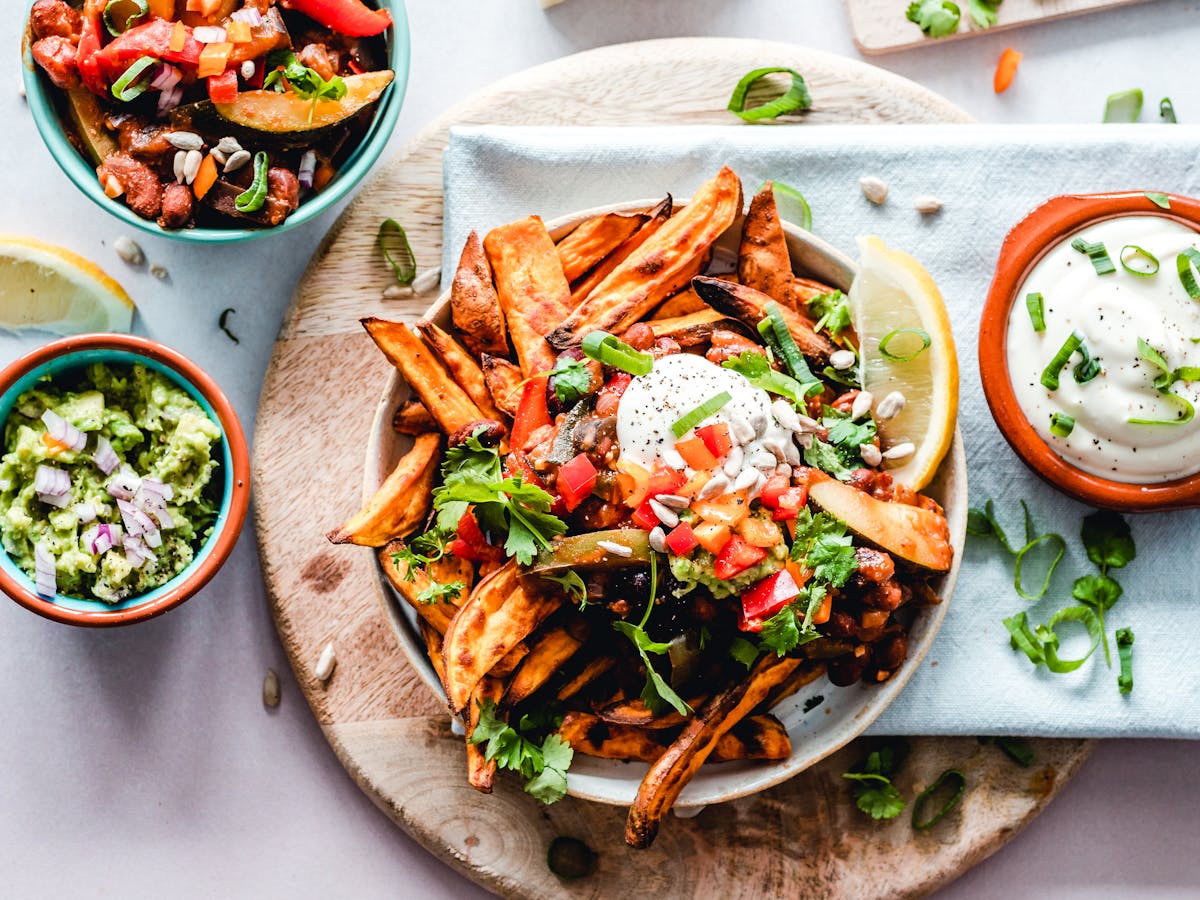
Spoon the skillet into bowls over brown rice, quinoa, or cauliflower rice, or tuck it into tortillas for hearty high‑protein wraps. Top with Greek yogurt, a sprinkle of cheese, extra herbs, or a few jalapeño slices if you like heat.
High‑Protein Variations, Swaps & Dietary Adaptations
One of the joys of high‑protein cooking is how flexible it can be. This skillet is a template you can adapt to your preferences, your pantry, and your macros.
Protein swaps
- Turkey or lean beef: Swap chicken for lean ground turkey or extra‑lean ground beef. Brown fully in the pan first, then continue with the recipe.
- All‑bean, vegan version: Skip the chicken/tofu and add an extra can of beans or lentils. Use vegetable broth and finish with olive oil and lime.
- Seafood twist: Stir in cooked shrimp or canned tuna at the very end just to warm through.
Carb & fiber tweaks
- Higher‑fiber, high‑satiety: Serve over barley, farro, quinoa, or brown rice and add extra vegetables like zucchini or spinach.
- Lower‑carb focus: Use cauliflower rice or a bed of shredded lettuce and reduce to one can of beans if needed.
Flavor profiles
- Smoky chipotle: Add 1 minced chipotle pepper in adobo and a spoonful of the sauce.
- Mediterranean: Use chickpeas and white beans, add oregano and thyme, then top with feta and olives.
- Curry‑inspired: Swap paprika and chili powder for curry powder and garam masala, and finish with a swirl of yogurt.
Storage, Meal Prep & Reheating Tips
This skillet was practically made for meal prep—it tastes even better the next day as the flavors meld, and the protein and fiber keep you full between meetings, classes, or workouts.
- Fridge: Let the skillet cool to room temperature, then store in airtight containers for up to 4 days.
- Freezer: Portion into freezer‑safe containers and freeze for up to 3 months. Label with the date for easy grab‑and‑go meals.
- Reheating (stovetop): Add a splash of broth or water to a skillet and warm over medium heat, stirring occasionally, until hot.
- Reheating (microwave): Cover loosely and heat in 45–60 second bursts, stirring between, until steaming hot.
- Food safety: Always reheat leftovers to at least 165°F / 74°C.
Serving Ideas & High‑Satiety Meal Pairings
To lean into the high‑satiety, nutrient‑dense approach, think of protein as the anchor and build in colorful plants and a bit of healthy fat.
Serving suggestions
- High‑protein bowls: Skillet + brown rice or quinoa + shredded lettuce + avocado + Greek yogurt + salsa.
- Stuffed sweet potatoes: Spoon the hot mixture into baked sweet potatoes and top with Greek yogurt and green onions.
- Protein‑packed tacos: Use whole‑grain tortillas, add cabbage slaw and a sprinkle of cheese.
- GLP‑1‑friendly focus: Emphasize the protein and beans, pair with non‑starchy veggies like roasted broccoli or a crunchy salad.
Complementary dishes
- Crisp side salad: Mixed greens with a lemon‑olive‑oil vinaigrette and pumpkin seeds for crunch and extra protein.
- High‑protein snack: Greek yogurt with berries or cottage cheese with sliced cucumber and cherry tomatoes.
- Breakfast tie‑in: To spread protein across the day, pair this dinner with eggs and black beans in the morning and a lentil‑quinoa salad at lunch.
