
Gut Health 2.0: Microbiome-Friendly Recipes with Fermented Foods & Polyphenols
Gut health has moved from niche wellness to everyday cooking, and this guide shows you how to support your microbiome with simple, delicious recipes built around fermented foods, prebiotic fibers, and polyphenol-rich ingredients. We’ll explore “Gut Health 2.0” through practical tips, science-backed insights, and a cozy, gut-loving grain bowl recipe you can make at home.
Microbiome Power Bowl: Fermented Veggie & Polyphenol Grain Bowl
Think of this bowl as a love letter to your microbes: warm quinoa, chickpeas, and roasted vegetables for fiber and resistant starch, crunchy sauerkraut for live cultures, and a jeweled drizzle of extra‑virgin olive oil and pomegranate for polyphenols. It’s a simple, colorful way to put Gut Health 2.0 on your table—no supplements required, just real food with big flavor.
Recipe Summary
This microbiome-friendly grain bowl is naturally vegetarian, easily adapted to be vegan and gluten-free, and intentionally packed with fermented foods, prebiotic fibers, and polyphenol-rich toppings. It’s ideal for meal prep and gentle on digestion for many people, while still feeling hearty and satisfying.
Prep time: 20 minutes
Cook time: 25 minutes
Total time: 45 minutes
Servings: 2 generous bowls
Difficulty: Easy–Intermediate
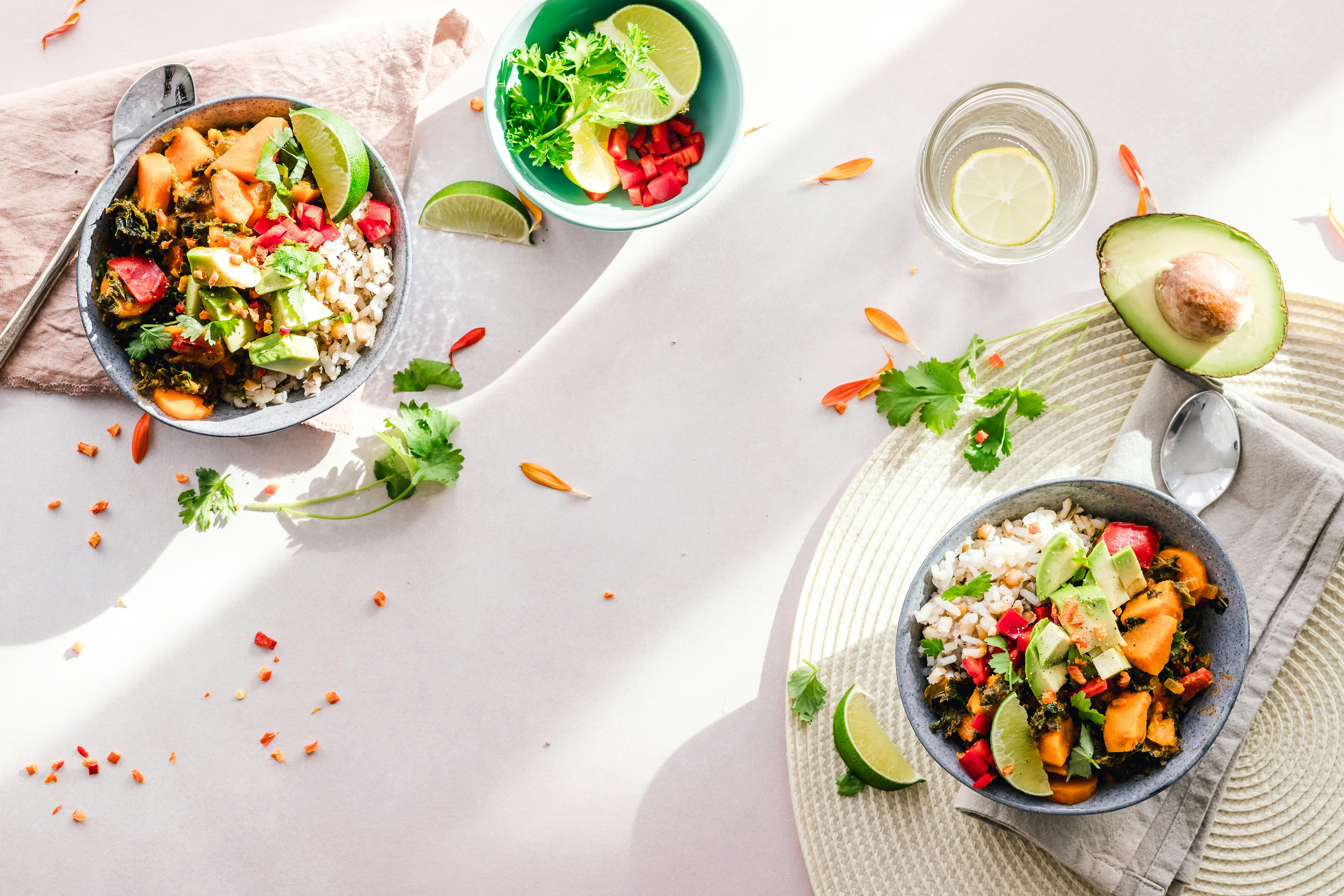
A warm, colorful microbiome grain bowl featuring quinoa, chickpeas, roasted vegetables, sauerkraut, and a polyphenol-rich olive oil and pomegranate dressing—designed to nourish gut bacteria with fiber, fermented foods, and vibrant plants.
Visual Guide
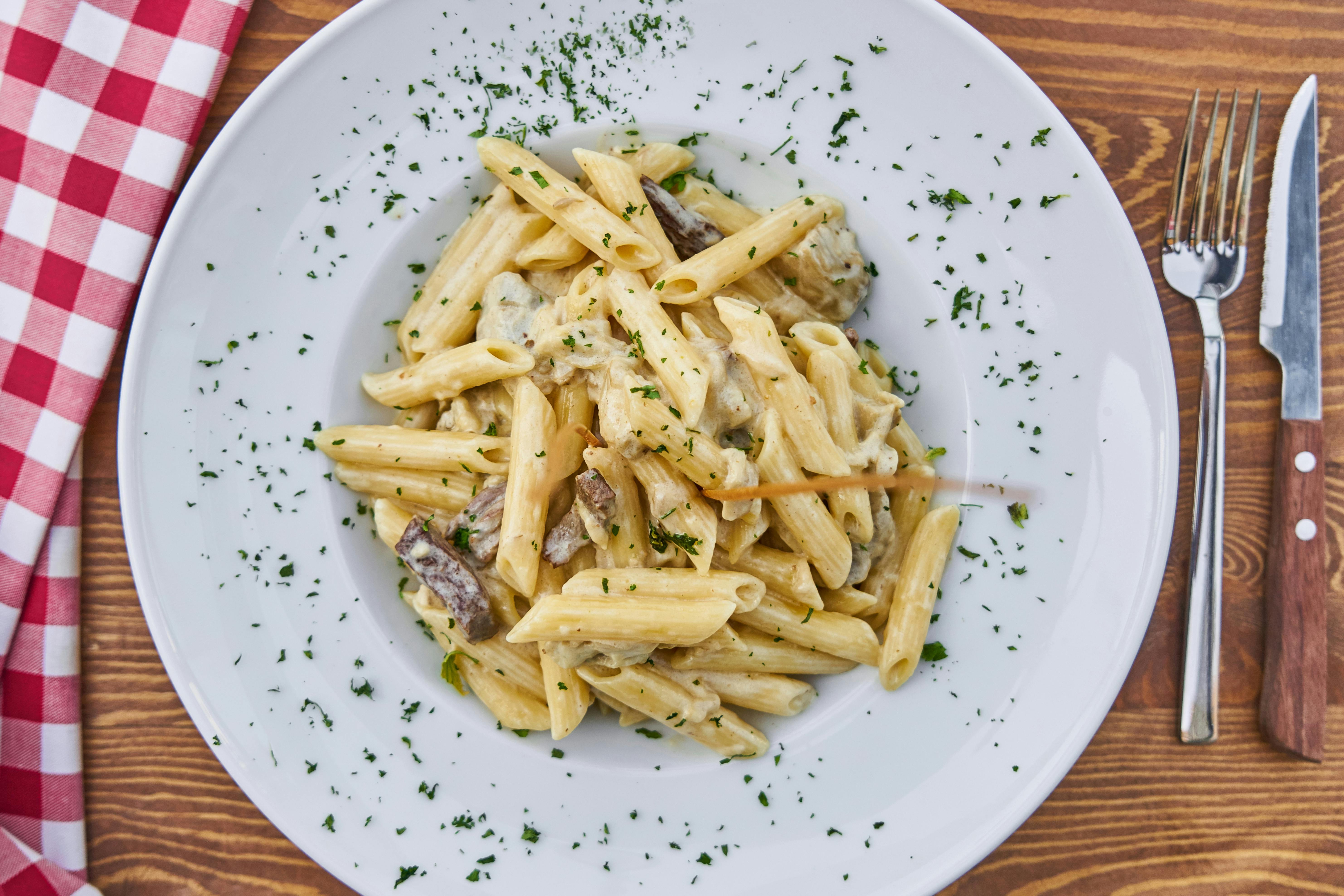
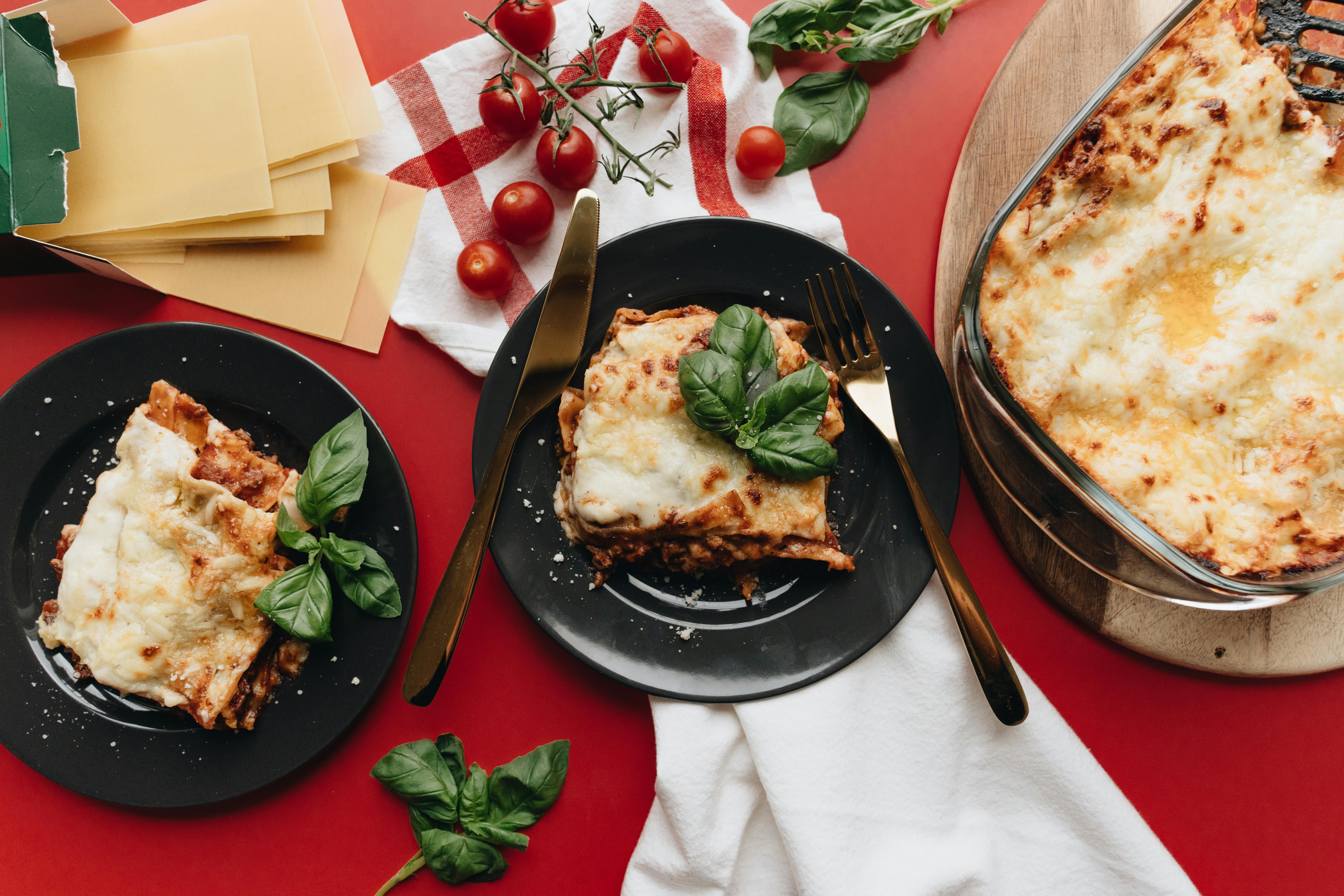
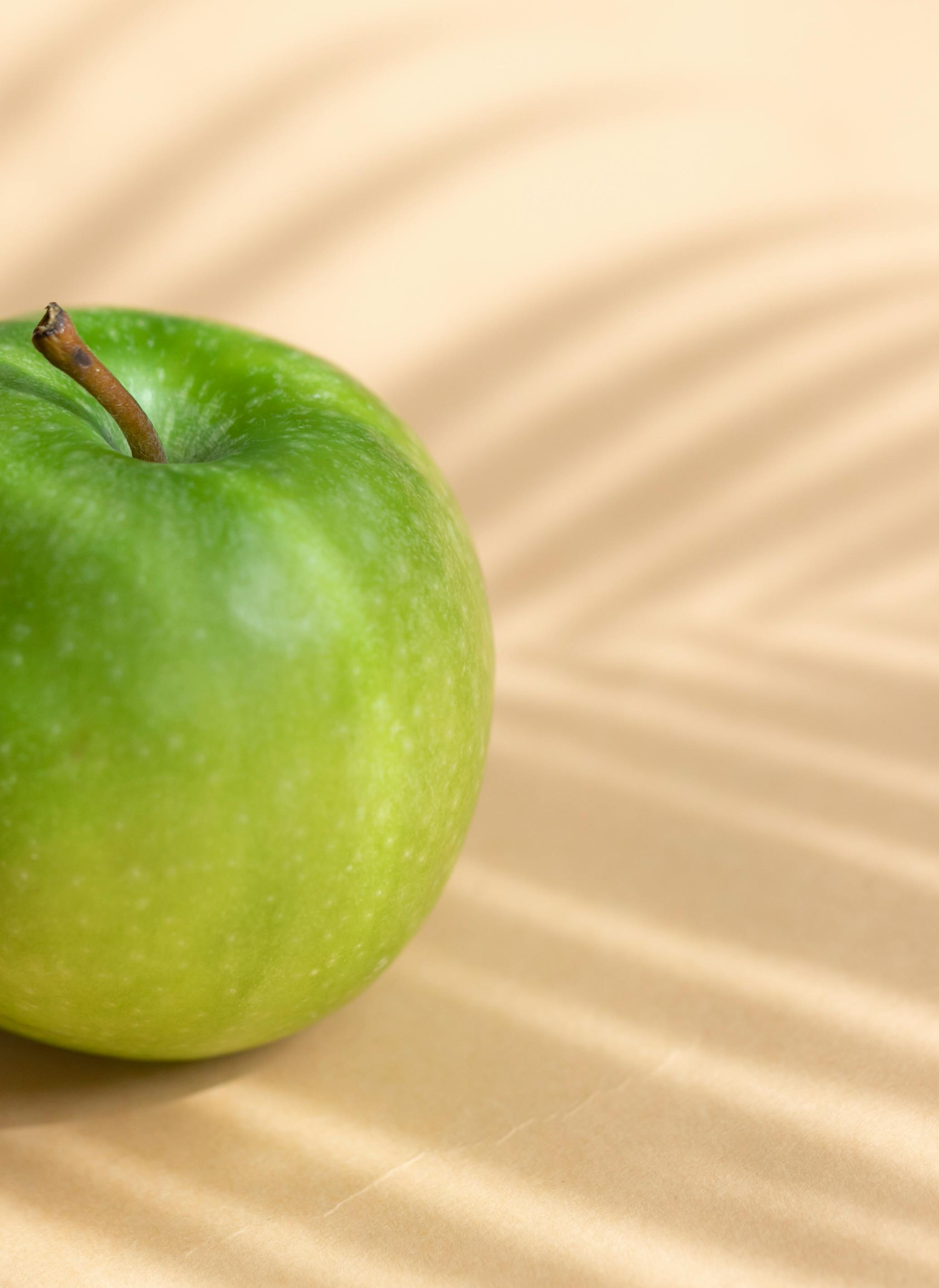
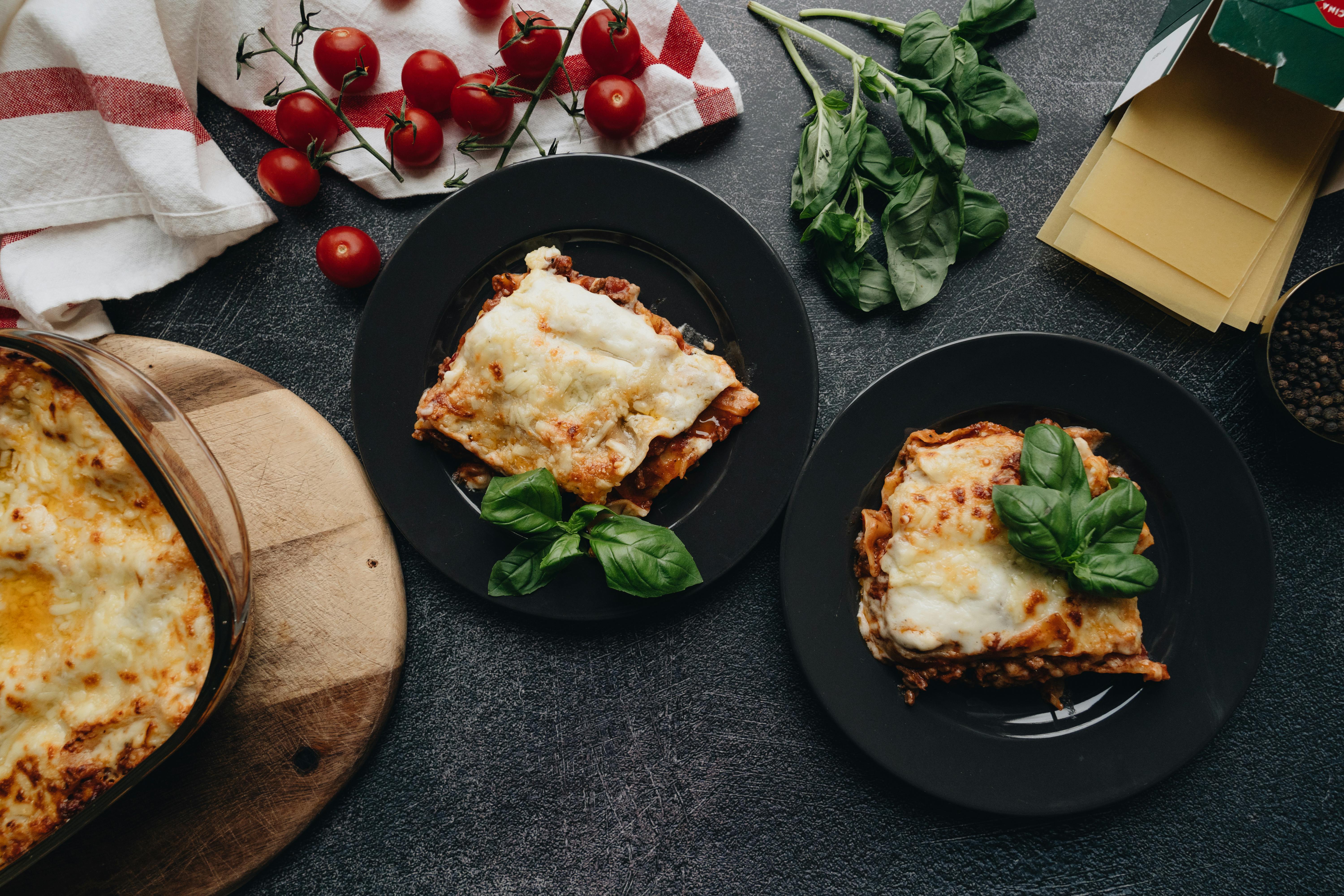
Use these images as a visual reference as you cook; they’re here to guide, not to intimidate. Every kitchen and roast pan tells its own delicious story.

Ingredients
These quantities make 2 generous, dinner-sized bowls. Double everything for meal prep or to feed a family.
For the grain & legume base
- 1/2 cup (90 g) dry quinoa, well rinsed
- 1 cup (240 ml) water or low-sodium vegetable broth
- 1/2 teaspoon extra-virgin olive oil (optional, for cooking quinoa)
- 1 cup (about 165 g) cooked chickpeas, drained and rinsed if canned
- 1/4 teaspoon ground cumin
- 1/4 teaspoon smoked paprika or sweet paprika
- Fine sea salt and freshly ground black pepper, to taste
For the roasted vegetables
- 1 small sweet potato, scrubbed and cut into 1.5 cm (1/2–3/4 inch) cubes
- 1 small carrot, sliced into rounds or half-moons
- 1 small red onion, cut into wedges
- 1 small zucchini or courgette, sliced into half-moons
- 1 tablespoon extra-virgin olive oil
- 1/2 teaspoon dried oregano or thyme
- 1/4 teaspoon ground turmeric (optional but gut-friendly)
- Fine sea salt and black pepper, to taste
Fermented & fresh toppings
- 1/2–3/4 cup (about 80–120 g) raw sauerkraut or kimchi, drained
- 1 small cucumber, diced
- 1 small apple or 1/2 cup (75 g) pomegranate seeds
- 2 tablespoons chopped fresh herbs (parsley, cilantro, or dill)
- 2 tablespoons toasted seeds (pumpkin, sunflower, or sesame)
Polyphenol-rich dressing
- 3 tablespoons extra-virgin olive oil
- 1.5 tablespoons apple cider vinegar or fresh lemon juice
- 1 teaspoon Dijon or wholegrain mustard
- 1 teaspoon pure maple syrup or runny honey (optional)
- 1 small garlic clove, finely grated or minced (omit for very sensitive digestion)
- 1 tablespoon finely chopped fresh herbs (basil, parsley, or mint) or 1/2 teaspoon dried oregano
- Pinch of sea salt and black pepper
Equipment
- Medium saucepan with lid (for quinoa)
- Large baking tray or roasting pan
- Mixing bowl for vegetables
- Small jar with lid or bowl and whisk (for dressing)
- Cutting board and sharp knife
- Measuring cups and spoons
- Serving bowls
Nothing fancy required—this is everyday, gut-friendly cooking designed for a real home kitchen.
Step-by-Step Instructions
Follow these steps in order for the smoothest flow. You’ll roast the veggies and cook the quinoa at the same time so everything comes together while still warm.
- Preheat the oven.
Preheat your oven to 200 °C / 390 °F (fan 180 °C / 350 °F). Line a baking tray with parchment paper if you like easier cleanup. - Prep and season the vegetables.
In a mixing bowl, combine the sweet potato cubes, carrot slices, onion wedges, and zucchini. Drizzle with 1 tablespoon olive oil, then sprinkle over the dried oregano, turmeric, salt, and pepper. Toss well until every piece glistens with oil and spice. - Roast until tender and caramelized.
Spread the vegetables in a single layer on the baking tray. Roast for 20–25 minutes, stirring once halfway, until the sweet potato is tender and the edges of the onions are slightly charred and sweet-smelling. - Cook the quinoa.
While the vegetables roast, rinse the quinoa under cold water until it stops foaming. Add it to a saucepan with 1 cup water or broth, 1/2 teaspoon olive oil, and a pinch of salt. Bring to a gentle boil, then cover, reduce heat to low, and simmer for 12–15 minutes, until the liquid is absorbed and the grains show their little “tails.” - Fluff and rest the quinoa.
Turn off the heat and let the quinoa sit, covered, for 5 minutes. Then fluff with a fork. This resting time gives it a light, pleasant texture that pairs beautifully with crunchy toppings. - Warm and season the chickpeas.
In a small pan over low heat, add the chickpeas with a splash of water, cumin, paprika, and a pinch of salt. Warm gently for 3–5 minutes, just until heated through and fragrant. This step wakes up their flavor and makes the bowl feel cozy and satisfying. - Mix the polyphenol-rich dressing.
In a small jar, combine the olive oil, apple cider vinegar or lemon juice, mustard, maple syrup or honey, garlic (if using), herbs, salt, and pepper. Seal and shake until creamy and emulsified, or whisk in a bowl. Taste and adjust—add more acidity for brightness or a touch more sweetness if your vinegar is very sharp. - Prep fresh and fermented toppings.
Dice the cucumber and apple (if using) into small cubes. If using pomegranate seeds, have them ready in a small bowl. Roughly chop your fresh herbs and lightly toast the seeds in a dry pan for 2–3 minutes until just fragrant. Drain the sauerkraut or kimchi so the bowl doesn’t get watery. - Assemble the microbiome bowls.
Divide the quinoa between two bowls. Top each with half of the warm chickpeas and a generous scoop of roasted vegetables. Arrange small piles of sauerkraut or kimchi, cucumber, and apple or pomegranate around the bowl so you can see all the colors and textures. Sprinkle with fresh herbs and toasted seeds. - Dress and serve.
Drizzle each bowl with a few spoonfuls of the dressing—enough to lightly coat the grains without drowning them. Serve immediately while the base is still warm and the fermented toppings are cool and crisp.
Why This Bowl Loves Your Microbiome (Gut Health 2.0)
In the “Gut Health 2.0” era, research and expert conversations have shifted from dramatic elimination diets to something much more joyful and sustainable: diversity, fiber, and minimally processed foods. This bowl quietly checks the key boxes nutrition scientists are excited about.
- Fermented foods as everyday superfoods: Sauerkraut or kimchi bring live cultures—real-food probiotics—into your daily routine, just like the kefir, kimchi fried rice, and kombucha you see in trending videos.
- Prebiotic fibers & resistant starch: Quinoa, chickpeas, sweet potato, and veggies provide different types of fiber that feed beneficial bacteria. If you chill leftover grains or potatoes before reheating, you’ll add more resistant starch as well.
- Polyphenol-rich plants: Extra-virgin olive oil, herbs, spices, apples, and pomegranate seeds deliver colorful polyphenols that your microbes can transform into helpful compounds.
- Whole-food focus: Instead of gut health pills, this meal leans into real, minimally processed ingredients that align with Mediterranean and Blue Zones-style eating.
Current microbiome research increasingly points toward dietary patterns rich in diverse plant foods and fermented products as a simple, sustainable way to support digestive and overall health.
Many people also notice that when they nourish their gut consistently—rather than chasing quick fixes—there can be ripple effects on mood, energy, and even skin over time. Always remember: your gut responds to patterns, not perfection.
Substitutions & Variations
Treat this recipe as a flexible framework. The goal is plant diversity + some fermentation + healthy fats, not sticking to one rigid formula.
Grains & legumes
- Swap quinoa: Use brown rice, buckwheat, farro, or millet instead—each offers different fibers for your microbes.
- Swap chickpeas: Try lentils, black beans, or edamame for variety or preference.
Vegetables
- Change the roast mix: Use broccoli, cauliflower, bell peppers, Brussels sprouts, or eggplant.
- For lower FODMAP needs (under guidance): Reduce or omit onion and sweet potato; focus on carrots, zucchini, and appropriate portions of other tolerated veg.
Fermented foods
- Use plain yogurt or kefir (dairy or plant-based) as a drizzle or on the side.
- Add a spoonful of miso to the dressing (whisk it in once cooled) for savory depth.
Dietary adaptations
- Vegan: Use maple syrup instead of honey; choose plant-based yogurt/kefir if adding.
- Nuttree: This recipe uses seeds instead of nuts by default; ensure your sauerkraut and condiments are nut-free.
- Gluten-free: Confirm that all ferments and grains are certified gluten-free if needed.
Storage & Reheating
This microbiome bowl is excellent for meal prep, with one small tweak: store ferments and fresh toppings separately from the warm components.
- Cooked grains & legumes: Store quinoa and chickpeas together or separately in an airtight container in the refrigerator for up to 4 days.
- Roasted vegetables: Keep in a separate container for 3–4 days. They’re delicious slightly chilled or gently reheated.
- Fermented foods: Store sauerkraut or kimchi in their own jars in the fridge. They usually last weeks to months—always follow package guidance.
- Fresh toppings: Chopped cucumber, herbs, and seeds are best stored separately and added just before serving.
- Dressing: Keeps well in the fridge for up to 5 days. Shake or whisk before using, as separation is natural.
To reheat, warm the quinoa, chickpeas, and roasted vegetables together on the stovetop or in the microwave until just hot. Then add cold ferments and fresh toppings—the contrast of temperatures and textures is a big part of the pleasure.
Serving Suggestions & Complementary Dishes
Turn this microbiome bowl into part of a full “gut health day of eating” that mirrors what many nutrition experts and creators are sharing in 2026.
- Breakfast: Overnight oats with chia, flax, berries, and a splash of kefir or yogurt—another fermented, fiber-rich start.
- Snack: An apple or pear with peanut butter and a square of dark chocolate (70%+ cocoa) for a polyphenol lift.
- Side dish: A simple green salad with mixed leaves, extra-virgin olive oil, and herbs to add even more plant diversity.
- Drink: Unsweetened green tea or lightly flavored kombucha (if tolerated) to echo the fermented and polyphenol themes.
You can also treat this bowl as a template for a “30 plants a week” challenge: rotate your grains, legumes, vegetables, and herbs from one week to the next and keep score of how many different plants you can welcome onto your plate.
Bringing Gut Health 2.0 into Your Kitchen
You don’t need a perfect “microbiome diet” to support your gut. With bowls like this, you’re already doing the most important things: eating more plants, enjoying fermented foods, and cooking with vibrant, minimally processed ingredients.
Start with one small change—maybe adding sauerkraut to your lunch, or swapping in this bowl one night a week. Over time, those gentle shifts can add up to a happier gut and, often, a happier you.
Every time you toss together a colorful, fiber-rich, fermented-friendly meal, you’re casting a vote for your future self—and for the trillions of tiny microbes that quietly support you from within.
