
Ozempic, Wegovy & the ‘Skinny Jab’: How GLP‑1 Weight‑Loss Drugs Are Rewriting Diet Culture
Ozempic, Wegovy, Mounjaro and Zepbound have gone from quiet diabetes medications to front‑row stars in modern diet culture almost overnight. In just a few years, these GLP‑1 (and dual GLP‑1/GIP) weight‑loss drugs have changed how we think about hunger, willpower, celebrity bodies and even what a “normal” plate of food looks like. Instead of another willpower‑driven fad diet, we’re suddenly talking about brain chemistry, gut hormones and injectable pens that can make your favorite foods sound… strangely forgettable.

What Are GLP‑1 Weight‑Loss Drugs and How Do They Work?
GLP‑1 receptor agonists such as Ozempic and Wegovy (semaglutide) and dual GLP‑1/GIP agonists like Mounjaro and Zepbound (tirzepatide) mimic hormones that your gut naturally releases after you eat. These hormones:
- Signal the brain that you’re full and satisfied
- Slow down how quickly your stomach empties food into the intestines
- Help the pancreas release insulin more effectively and improve blood sugar control
Many people on GLP‑1s describe the change in almost sensory terms: the constant food chatter in their minds quiets, portion sizes shrink naturally, and that gnawing late‑night hunger softens or disappears. Rapid weight loss over several months is common, especially when doses are titrated up under medical supervision.
From Keto to the ‘Skinny Jab’: Why GLP‑1s Hit Diet‑Fatigued Culture So Hard
After a decade of hopping between keto, paleo, detox teas, intermittent fasting and “clean eating,” many people feel genuinely exhausted by diet culture. Every plan promised transformation; most delivered short‑term loss followed by rebound weight gain and a side of shame.
GLP‑1 drugs slid into this burnout moment and said, “What if the problem isn’t your willpower — it’s your hormones?”
In that context, it’s easy to see why the idea of a “skinny jab” took off:
- Celebrity speculation filled red‑carpet articles with side‑by‑side body shots and whispers of “Ozempic face.”
- TikTok and YouTube erupted with “What I Eat on Ozempic,” weekly weigh‑ins, and side‑effect diaries.
- Diet fatigue made a medical fix feel simpler, kinder and frankly more hopeful than another rigid meal plan.
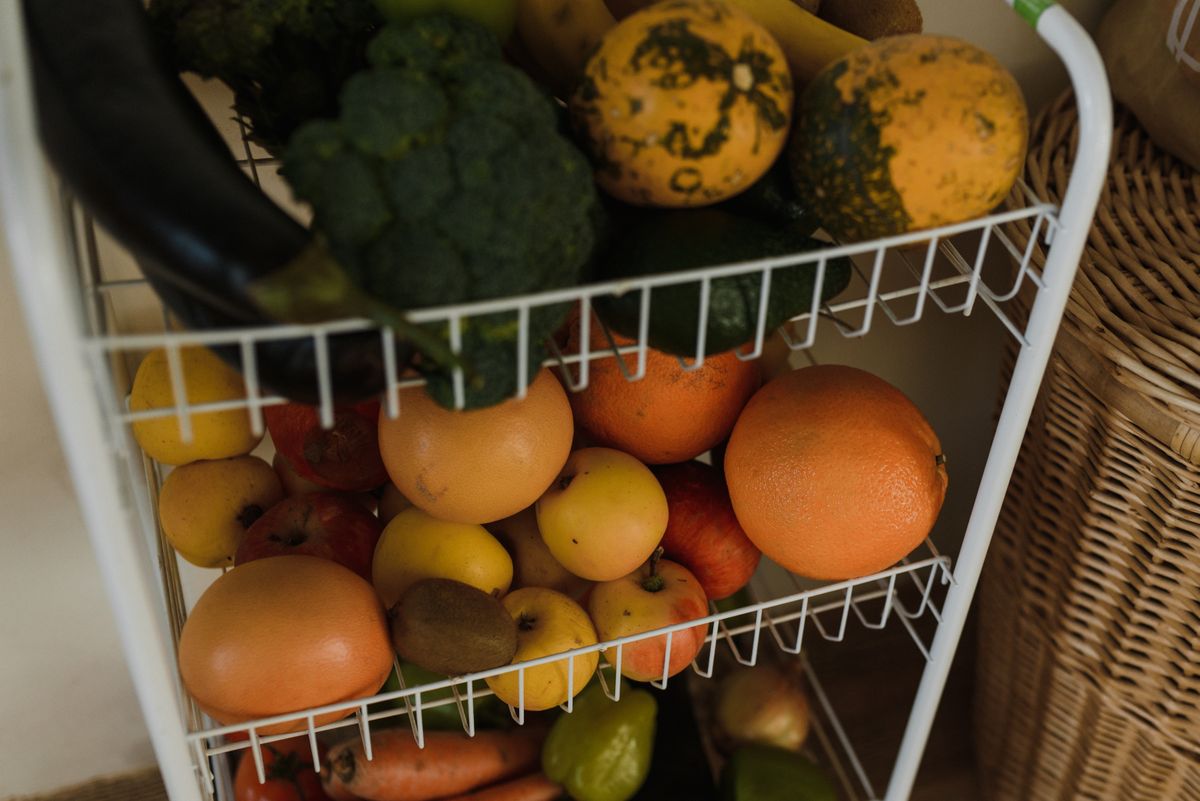
But this shift also raises deeper questions: If your appetite is pharmacologically muted, what happens to shared meals, cultural food traditions, and the simple joy of cooking something delicious for yourself?
The Medicalization of Weight Loss: Chronic Disease, Not Moral Failure
One of the most significant cultural shifts around Ozempic and Wegovy is the growing recognition of obesity as a chronic, relapsing disease rather than a personal failing. In medical circles, this reframing has been building for years. GLP‑1s crystallized it for the public.
In this model, body weight is driven by:
- Genetic predisposition
- Hormonal and neurochemical signaling
- Environmental and socioeconomic forces
- Mental health, sleep, medications and stress
GLP‑1 drugs fit neatly into this framework: they modulate appetite and satiety signals in the brain and gut, helping the body defend a lower set point weight. For many, this feels like a profound relief — a validation that years of struggle were not about weakness, but biology stacked against them.
Shortages, Side Effects and Skepticism: The Backlash to the ‘Skinny Jab’
The GLP‑1 boom hasn’t been gentle. Alongside success stories are very real concerns and harms that keep surfacing in clinics, comment sections and news headlines.
1. Access and drug shortages
As weight‑loss demand spiked, some people with type 2 diabetes struggled to fill prescriptions for the doses they rely on for blood sugar management. This tension between aesthetic weight loss and medical necessity has fueled ethical debates worldwide.
2. Side effects and GI distress
Common side effects include:
- Nausea and sometimes vomiting
- Constipation or diarrhea
- Abdominal pain, bloating or early fullness
- In rare cases, gallbladder issues or pancreatitis
For some people, the combination of tiny portions and chronic nausea makes the simple act of eating feel like a chore. Rich, high‑fat meals that used to taste comforting can suddenly feel cloying or heavy.
3. Muscle loss and under‑eating
Rapid weight loss isn’t just fat; without careful planning, lean muscle mass can drop too. That’s one reason nutrition professionals now emphasize:
- Higher protein intake, spread over the day
- Strength or resistance training, as tolerated
- Regular lab monitoring and clinical follow‑up

What Is “GLP‑1 Optimized Nutrition” and Why Are Dietitians Talking About It?
As millions of people begin GLP‑1 therapy, dietitians and clinicians are pivoting from traditional “eat less, move more” scripts to a more nuanced approach often called GLP‑1 optimized nutrition. The goal is simple but powerful:
Eat in a way that is gentle on your stomach, preserves muscle, nourishes your body and still lets you enjoy food — even when your appetite is low.
Common themes include:
- High‑protein, lower‑volume meals to make every bite count
- Fiber for gut health without overwhelming a slower‑emptying stomach
- Healthy fats in modest amounts to support hormones and satisfaction
- Fluid and electrolyte balance, especially with nausea or diarrhea
A Gentle, High‑Protein Day of Eating on GLP‑1 Medication
Here’s an example of how a day might look for someone on a GLP‑1 drug, emphasizing protein, comfort and small portions. This isn’t a prescription — just a template you can discuss with your healthcare team and adjust for your needs and culture.
Breakfast (or first meal)
- ½–¾ cup plain Greek yogurt (or a soy/coconut yogurt with added pea protein)
- A few spoonfuls of soft berries
- 1–2 tablespoons finely chopped nuts or seeds
Midday meal
- Small portion of tender grilled chicken, tofu or fish (about the size of your palm)
- ½ cup soft vegetables (steamed carrots, zucchini, green beans)
- A few bites of rice, quinoa or mashed potatoes if tolerated
Afternoon or evening
- Protein smoothie made with milk or soy milk, a scoop of protein powder, and a small piece of fruit
- Or a slice of whole‑grain toast with cottage cheese or hummus
Ethics, Body Image and the Future of Diet Culture in a GLP‑1 World
GLP‑1 weight‑loss drugs sit at a tense crossroads of medicine, culture and capitalism. Important questions keep surfacing:
- Are we deepening thin‑ideal culture by making weight loss more accessible — but still idealizing smaller bodies?
- Who gets access? Will these medications be affordable and available across income levels and countries, or mostly to the already privileged?
- What happens long term? If weight returns after stopping the drug, will people feel forced into lifelong injections to keep their place in a thin‑centric culture?
In an ideal future, GLP‑1s become one tool among many: available when medically appropriate, combined with supportive nutrition, movement, mental health care and — crucially — a culture that allows more than one body type to be seen as worthy and beautiful.
Key Takeaways: Navigating Ozempic, Wegovy and Diet Culture with Care
GLP‑1 drugs have undeniably transformed the landscape of weight management and diet conversations. For some, they offer life‑changing relief from metabolic disease and relentless hunger. For others, they spotlight uncomfortable truths about beauty standards, access and our complicated relationship with food.
- GLP‑1s work by changing appetite and gut‑brain signaling, not by “fixing” willpower.
- They can be powerful tools for type 2 diabetes and obesity, but come with side effects and ethical concerns.
- Nutrition on GLP‑1s should prioritize protein, micronutrients, gut comfort and muscle preservation.
- Weight is only one piece of health; mental wellbeing, strength, energy, labs and quality of life matter just as much.
However you feel about Ozempic, Wegovy or the so‑called “skinny jab,” you deserve evidence‑based information, compassionate care and space to make choices that align with your own body, values and life.

