
High-Protein Anabolic Recipes: Gym-Tok Inspired Meals for Muscle & Flavor
High‑Protein ‘Anabolic’ Recipes & the Gym‑Tok Diet Trend
All across TikTok, YouTube, and Instagram, “anabolic” high‑protein recipes are redefining what it looks like to eat for strength, muscle, and long‑term health. Instead of crash diets and tiny portions, Gym‑Tok creators are whipping up towering protein pancakes, luscious Greek‑yogurt dessert bowls, and sizzling high‑protein pizzas—each designed to keep you full, support body‑recomposition, and still feel indulgent.
At the heart of this Gym‑Tok diet wave is a simple idea: cook high‑protein, nutrient‑dense meals that are satisfying, lower in calories, and fun to eat, so that building muscle and losing fat becomes a lifestyle—not a short‑term punishment. If you love food and care about performance in the gym, this world of anabolic recipes is like unlocking a new level of cooking.
Why High‑Protein “Anabolic” Recipes Are Everywhere
This trend sits right where fitness culture and home cooking meet. Instead of chasing “skinny,” more people want to move well, lift heavier, and feel energized. Body‑recomposition—losing fat while gaining or maintaining muscle—has become the new aesthetic and performance goal, and anabolic recipes provide the fuel.
- Hybrid goals: Eat in a small deficit or at maintenance, keep protein high, and let consistent strength training reshape your body over time.
- Influencer recipes: Creators share 30‑second visual recipes with macro breakdowns and impressive before/after transformations.
- Flexible for many diets: Anabolic cooking works with high‑carb, low‑carb, and even plant‑based approaches—protein is the anchor.
Underneath the flashy editing and “what I eat in a day” videos, you’ll often find solid nutrition principles: adequate protein, fiber, mostly whole foods, and realistic portions of the foods people actually crave.
Key Features of the Gym‑Tok Anabolic Diet
1. Very High Protein Intake
Most creators aim for about 1.6–2.2 grams of protein per kilogram of body weight per day (roughly 0.7–1.0 g per pound). That range is well‑supported in current sports nutrition research for muscle growth and maintenance, especially when paired with resistance training.
Popular anabolic protein sources include:
- Greek yogurt, skyr, and cottage cheese
- Whey, casein, and plant‑based protein powders
- Egg whites, chicken breast, turkey, lean beef
- Tofu, tempeh, seitan, and edamame for plant‑based versions
2. Volume Eating with Low Energy Density
Anabolic meals are designed to take up space on your plate—and in your stomach—without packing in unnecessary calories. This “volume eating” approach leans heavily on water‑ and fiber‑rich foods.
- Huge salads topped with grilled chicken or tofu
- Colorful stir‑fries loaded with vegetables
- “Proats” (protein oats) bulked with zucchini, cauliflower rice, or chia seeds
- Air‑popped popcorn, high‑fiber wraps, and roasted vegetables
The result is meals that feel hearty and satisfying, with the textures you love—chewy oats, crunchy veggies, creamy sauces—while keeping energy intake in check.
3. Anabolic “Junk Food” Makeovers
One of the most fun parts of Gym‑Tok is watching comfort foods get re‑engineered to support muscle gain and fat loss. These recipes keep the spirit of the original dish while dramatically shifting the macros.
- Protein ice cream: Frozen fruit, whey, and a bit of xanthan gum blitzed into a towering bowl of soft‑serve.
- Protein pancakes & waffles: Oats, egg whites, and cottage cheese or yogurt for fluffy, high‑protein stacks.
- High‑protein pizza: Low‑calorie flatbreads or wraps with lean toppings and reduced‑fat cheese.
- Greek‑yogurt dessert bowls: Thick yogurt topped with cereal, fruit, and nut butter for a crunchy, creamy treat.
These makeovers can be game‑changing for adherence: it’s much easier to stay consistent when “diet food” tastes like something you’d happily eat off‑plan.
4. Emphasis on Nutrient Density (From the Better Creators)
While some videos lean heavily on sweeteners and ultra‑processed diet products, higher‑quality Gym‑Tok creators emphasize whole foods and long‑term health: vegetables, berries, nuts, seeds, whole grains, and healthy fats.
You’ll see recipes that sneak in spinach or zucchini, use berries for sweetness and antioxidants, and build gut‑friendly meals with fermented dairy, beans, and lots of fiber.
5. The Body‑Recomposition Story
Gym‑Tok pushes a more sustainable transformation narrative: instead of radical cuts or endless cardio, you’re encouraged to:
- Eat in a small calorie deficit or at maintenance
- Lift weights consistently and progressively
- Prioritize sleep and recovery
- Keep protein high at every meal
Over months, this approach often leads to a leaner, stronger physique with better energy and fewer rebound weight swings than crash dieting.
Visual Guide to Anabolic Meals
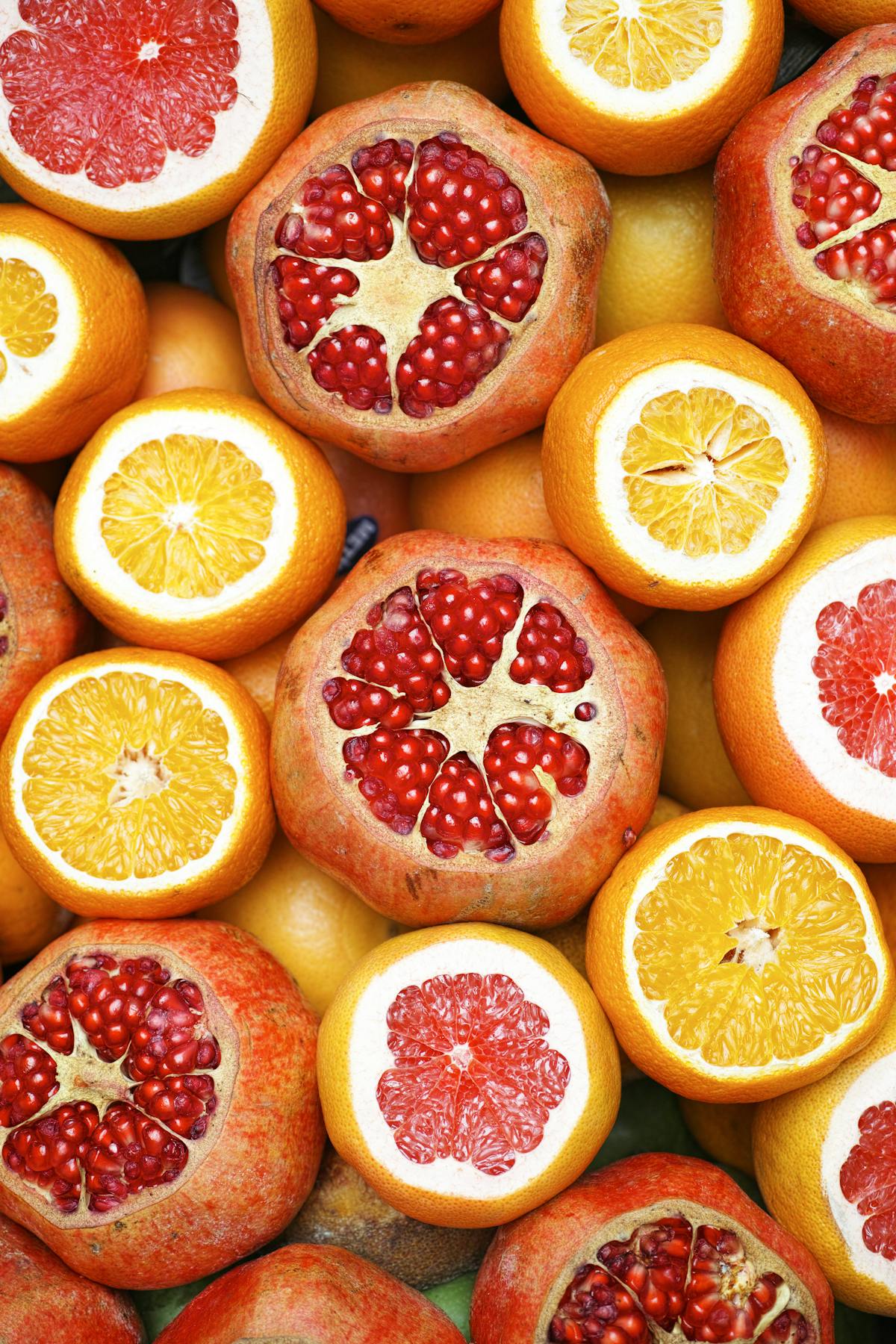
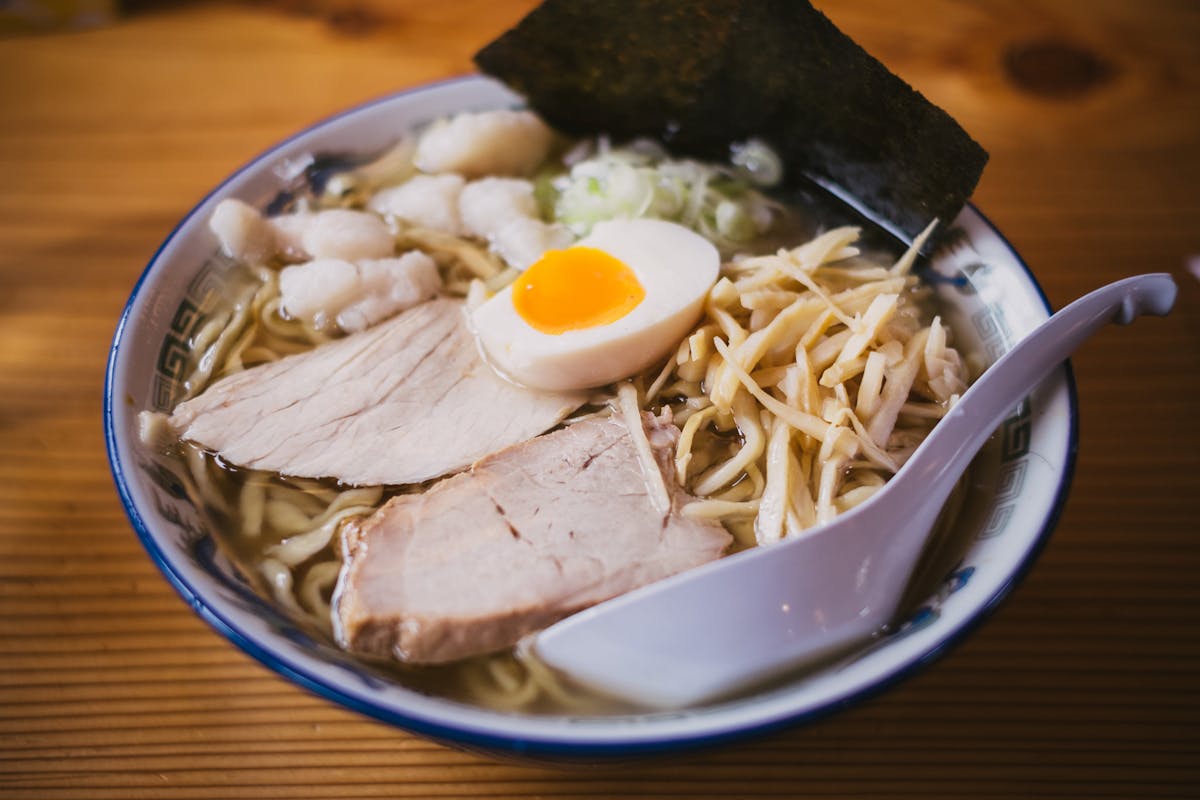
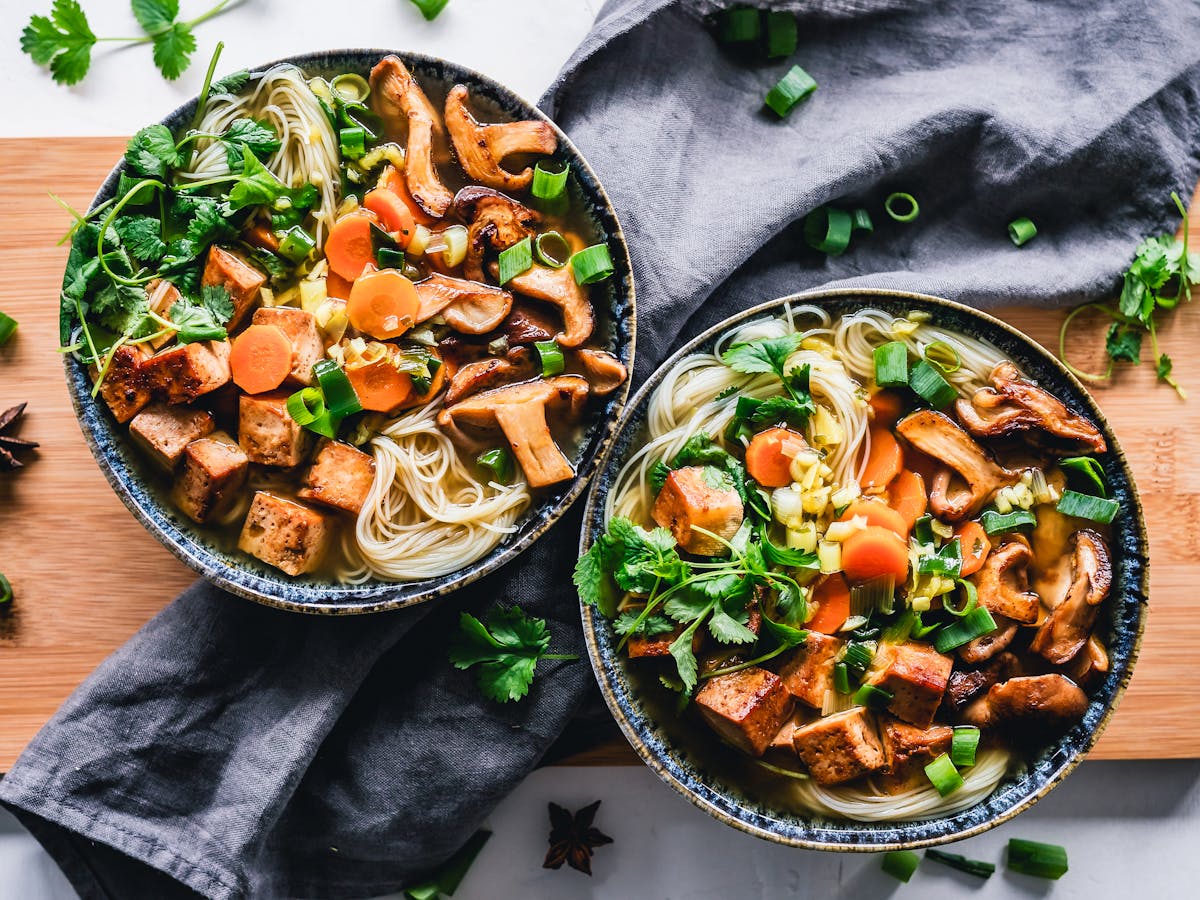
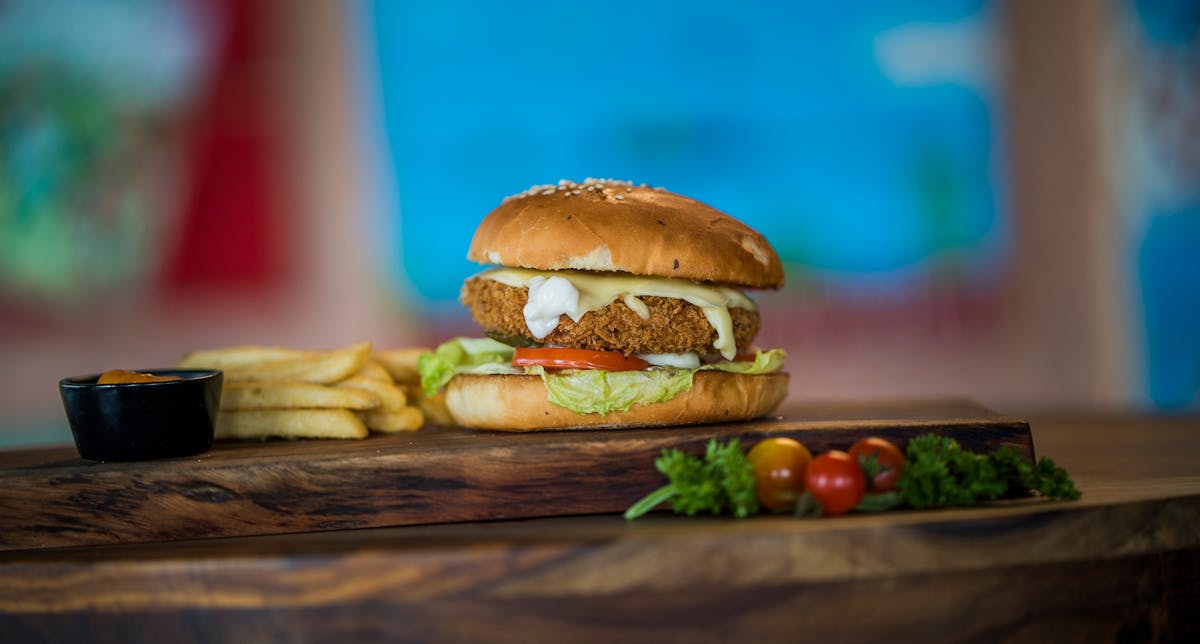
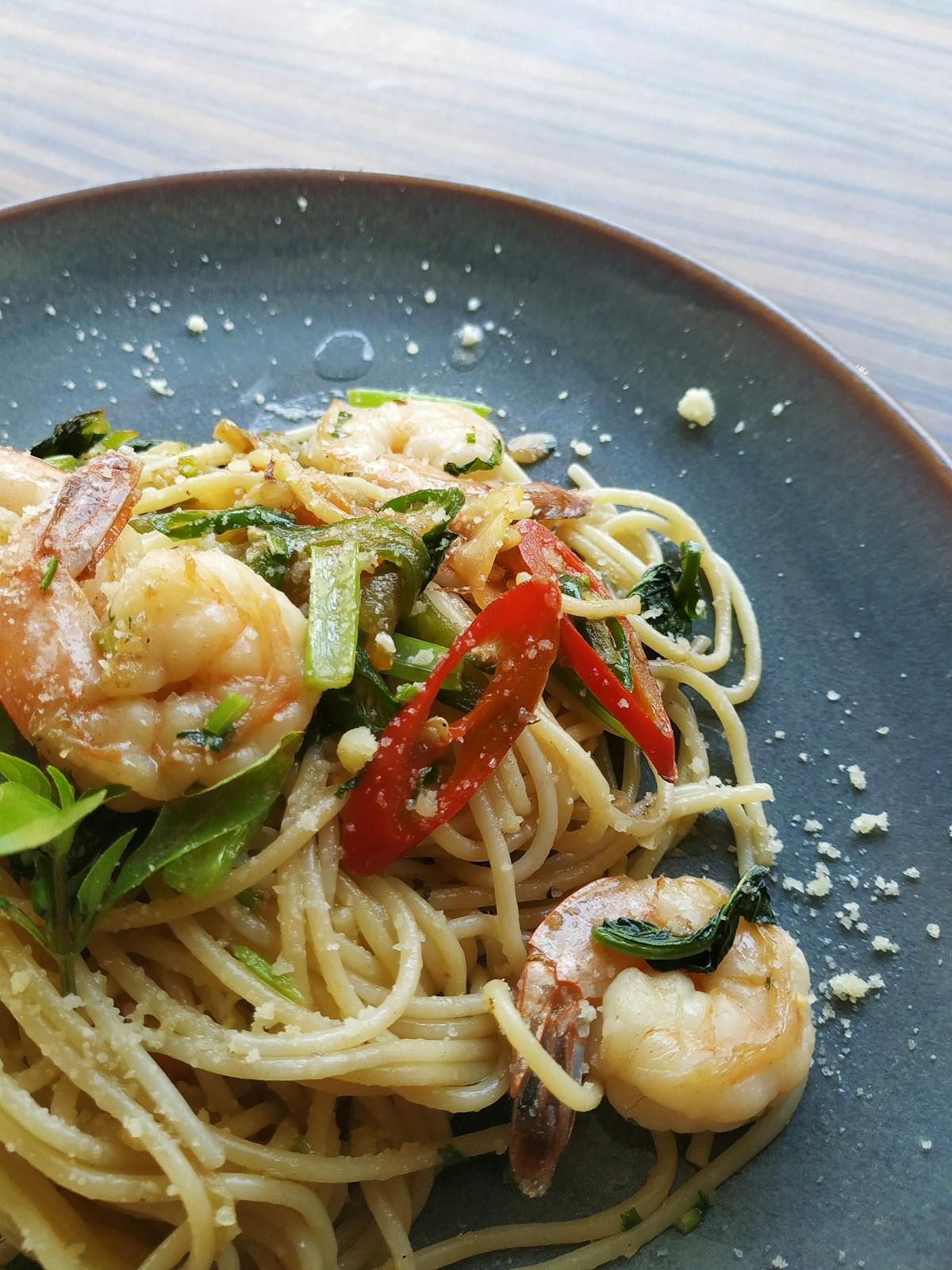
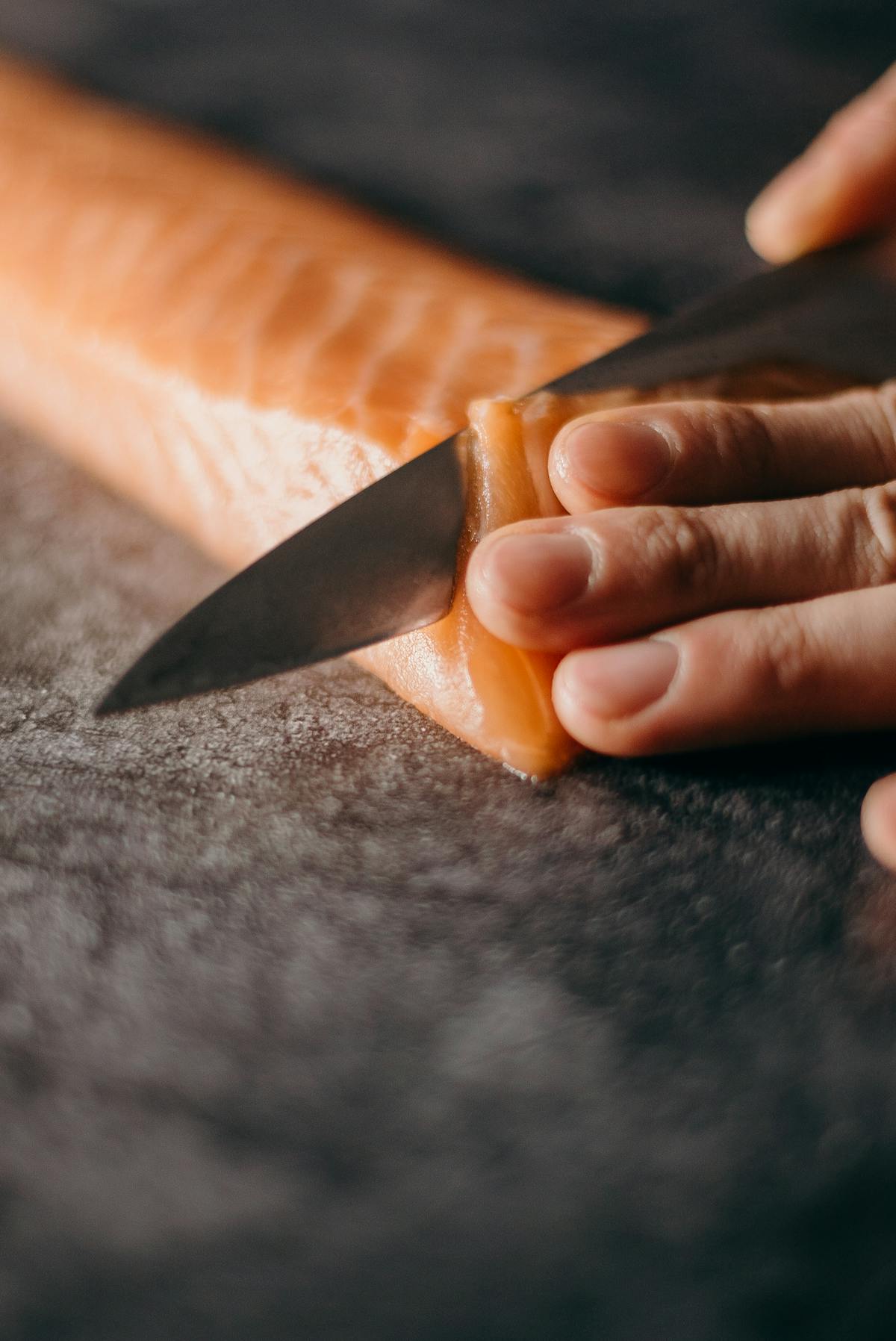
To bring this Gym‑Tok style of eating to life, here are visual examples of high‑protein “anabolic” plates that balance color, texture, and macros.
Featured Recipe: Anabolic High‑Protein Cottage Cheese Pancakes
These anabolic high‑protein pancakes are fluffy, golden, and gently sweet, with a gorgeous vanilla aroma and a tender bite. They’re built on cottage cheese, egg whites, and oats, giving you a satisfying, muscle‑friendly breakfast that feels like a weekend treat but fits seamlessly into a body‑recomp plan.
Recipe Summary
Prep time: 10 minutes
Cook time: 15 minutes
Total time: 25 minutes
Servings: 1–2 (about 6 medium pancakes)
Difficulty: Easy
Equipment Needed
- Non‑stick skillet or griddle
- Blender or food processor (for smooth batter)
- Measuring cups and spoons
- Flexible spatula
- Small ladle or 1/4‑cup measure for portioning batter
Ingredients
For the Pancakes
- 1/2 cup (120 g) low‑fat cottage cheese
- 3 large egg whites (about 90 g)
- 1/3 cup (30 g) rolled oats or quick oats
- 1 scoop (25–30 g) vanilla whey or plant protein powder
- 1/2 tsp baking powder
- 1/2 tsp vanilla extract
- Pinch of salt
- 1–2 tsp zero‑calorie sweetener or 1–2 tsp sugar/maple syrup (to taste)
- Cooking spray or 1 tsp neutral oil for the pan
Optional High‑Protein Toppings
- 1/3 cup (80 g) Greek yogurt or skyr
- Fresh berries or sliced banana
- 1 tbsp powdered peanut butter or 1 tsp natural nut butter
- Cinnamon, cocoa powder, or sugar‑free syrup
Step‑by‑Step Instructions
- Blend the batter. Add cottage cheese, egg whites, oats, protein powder, baking powder, vanilla, salt, and sweetener to a blender. Blend on medium‑high until completely smooth and slightly thick. Let sit for 2–3 minutes so the oats can hydrate and the batter can lightly thicken.
- Preheat the pan. Place a non‑stick skillet over medium heat. Lightly coat with cooking spray or a thin film of oil. Allow the pan to heat for 1–2 minutes; a properly heated pan helps the pancakes set quickly and brown evenly.
- Portion the pancakes. Pour about 1/4 cup of batter per pancake into the skillet, leaving space between each round. The batter should spread into small circles about 3–4 inches across.
- Cook until bubbles form. Cook for 2–3 minutes, until small bubbles appear on the surface and the edges look set and slightly dry. The underside should be golden brown and release easily from the pan.
- Flip gently. Slide a flexible spatula underneath and flip each pancake. Cook for another 1–2 minutes, until the second side is golden and the center feels springy to the touch.
- Repeat with remaining batter. Lightly re‑spray the pan as needed and cook the rest of the batter. Keep finished pancakes on a warm plate, tented loosely with foil, while you finish.
- Plate and top. Stack the pancakes high, then add Greek yogurt, berries, and a drizzle of nut butter or sugar‑free syrup. Sprinkle with cinnamon for extra warmth and aroma.

Approximate Nutrition (Per Serving)
Exact macros will vary by brands, but for 1 serving (half the batch, pancakes only, without toppings), you can roughly expect:
- Calories: ~230–260 kcal
- Protein: ~30–35 g
- Carbohydrates: ~20–25 g
- Fat: ~3–6 g
- Fiber: ~3–4 g
Substitutions & Dietary Adaptations
- Gluten‑free: Use certified gluten‑free oats or swap for buckwheat flakes.
- Lactose‑free: Choose lactose‑free cottage cheese or blended lactose‑free Greek yogurt.
- Lower‑carb: Reduce oats to 1/4 cup and add a bit more protein powder; expect a slightly denser texture.
- More calories for bulking: Cook in a teaspoon of butter and add extra nut butter and honey on top.
Storage & Reheating
- Fridge: Store cooled pancakes in an airtight container for up to 3 days.
- Freezer: Freeze in a single layer, then transfer to a bag; keep up to 1 month for best texture.
- Reheat: Warm in a dry non‑stick pan over low heat for 2–3 minutes per side, or microwave in 15–20 second bursts until heated through.
Anabolic pancakes are excellent for meal‑prep breakfasts or pre‑workout snacks—just reheat, top with yogurt, and you’re out the door.
Serving Ideas & Complementary Dishes
To turn your anabolic pancakes into a fully rounded Gym‑Tok style meal, pair them with:
- A side of scrambled egg whites or tofu for extra protein on heavy training days
- A bright fruit salad with citrus and berries for vitamin C and fiber
- Black coffee or a latte with added protein milk for a creamy, higher‑protein drink
- A small handful of nuts or seeds for crunch and healthy fats if your macros allow
Think of each plate as an opportunity to layer in color, texture, and nutrients, not just to “hit your macros.”
Risks, Criticisms & How to Stay Balanced
Like any trend, the Gym‑Tok anabolic diet has potential downsides. Being aware of them helps you keep the benefits while protecting your relationship with food.
- Macro obsession: Constant tracking can become stressful or fuel disordered eating for some people.
- Too many sweeteners & diet products: Relying heavily on ultra‑processed, artificially sweetened foods may crowd out whole foods and affect taste preferences.
- Narrow focus: Training, sleep, stress, and overall diet quality matter just as much as protein and calories.
A more balanced Gym‑Tok approach means using anabolic recipes as helpful tools—not rigid rules. Enjoy the creativity, use the high‑protein framework, and still leave room for flexibility, cultural foods, and social meals.
Getting Started with Anabolic Cooking at Home
You don’t need a ring light or a massive following to benefit from the Gym‑Tok diet style. Start with simple swaps and one or two recipes you’re genuinely excited to eat.
- Pick one meal—like breakfast—and turn it into a high‑protein, high‑volume option (such as the anabolic pancakes above or a Greek‑yogurt bowl).
- Add a lean or plant‑based protein and at least one vegetable to lunch and dinner.
- Experiment with one “anabolic treat” per week, like protein ice cream or a high‑protein pizza.
- Notice energy, gym performance, and how full you feel between meals, then adjust portions accordingly.
Over time, these habits can quietly nudge you toward better body composition, more stable energy, and a deeper enjoyment of the food that fuels your training.
Cook like an athlete, eat like a foodie. High‑protein anabolic recipes show that you never have to choose between progress in the gym and pleasure at the table.
