
Ozempic, Wegovy & the GLP‑1 Diet: How Weight‑Loss Drugs Are Changing the Way We Eat
Ozempic, Wegovy & the Rise of the GLP‑1 Diet
Ozempic, Wegovy, Mounjaro, and Zepbound have moved from specialist clinics into everyday conversations, reshaping how people think about dieting, appetite, and long‑term nutrition. These GLP‑1 weight‑loss drugs don’t just tweak hunger a little—they can dramatically dull cravings, shrink meal sizes, and make old comfort foods feel strangely unappealing.
Instead of a formal “GLP‑1 diet plan,” what we’re seeing is a new food culture: questions about what to eat on Ozempic, how to avoid losing muscle, and how to keep weight off after stopping the drug. Alongside the excitement, there’s real concern about access, cost, side effects, and the social pressure of a world where shrinking your body with medication can feel like a new norm.
Think of this guide as a warm, practical companion: we’ll walk through how these medications affect appetite, what to prioritize on your plate, how to manage common side effects with food, and how to protect your relationship with eating along the way.
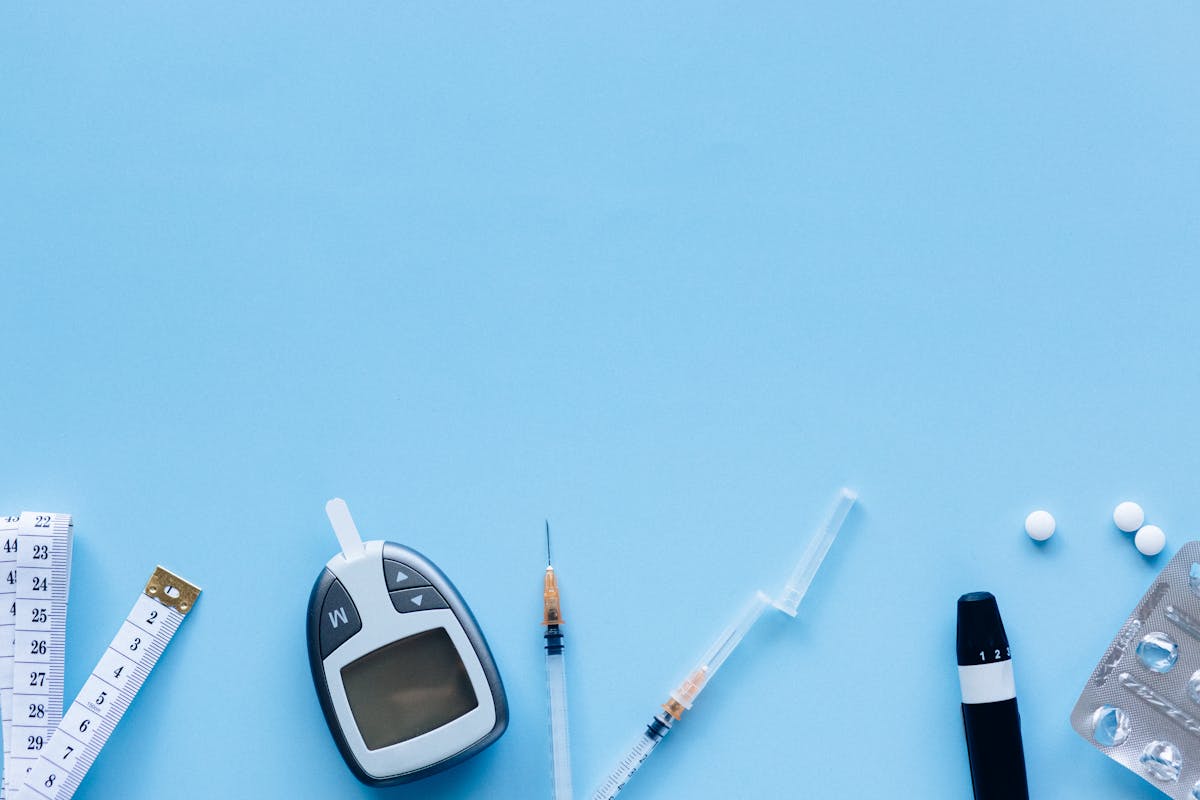
Why GLP‑1 Weight‑Loss Drugs Are Everywhere Right Now
In the last 18–24 months, GLP‑1 agonists have surged from niche diabetes therapies into mainstream weight‑loss tools. The cultural ripple effect is huge—and it’s driving a tidal wave of searches and social media content.
- Celebrity and influencer stories: High‑profile figures—and countless everyday TikTok users—share dramatic before‑and‑after photos, appetite changes, and “what I eat in a day on Ozempic” videos.
- Search spikes: People are asking what to eat on GLP‑1s, how to prevent muscle loss, how to deal with nausea, and how to maintain weight after stopping the medication.
- Ethical and health debates: Conversations swirl around cost and access, use by people without medical need, and worries about long‑term metabolic and psychological effects.
Underneath the hype is a quieter, more practical question: if your appetite shrinks overnight, how do you still feed your body well?
How GLP‑1 Drugs Change Appetite and Eating Patterns
GLP‑1 agonists mimic a hormone that helps regulate blood sugar and appetite. Nutritionally, they change the eating experience in a few key ways:
- Reduced appetite: Many people say they “just don’t think about food” as much. Cravings dull, especially for highly processed, ultra‑sweet, or greasy foods.
- Slower gastric emptying: Food leaves the stomach more slowly, so small meals can feel very filling. Large or heavy meals can feel uncomfortable or even trigger nausea.
- Rapid calorie reduction: People may suddenly be eating far fewer calories than before—great for short‑term weight loss, but risky if protein and micronutrients drop too.
The texture of your meals starts to matter more: rich, fried foods may feel “too heavy,” while light, moist, and gently seasoned meals often sit better. Temperature can even play a role—some users find cool or room‑temperature meals more appealing than very hot, steamy dishes during the first months.
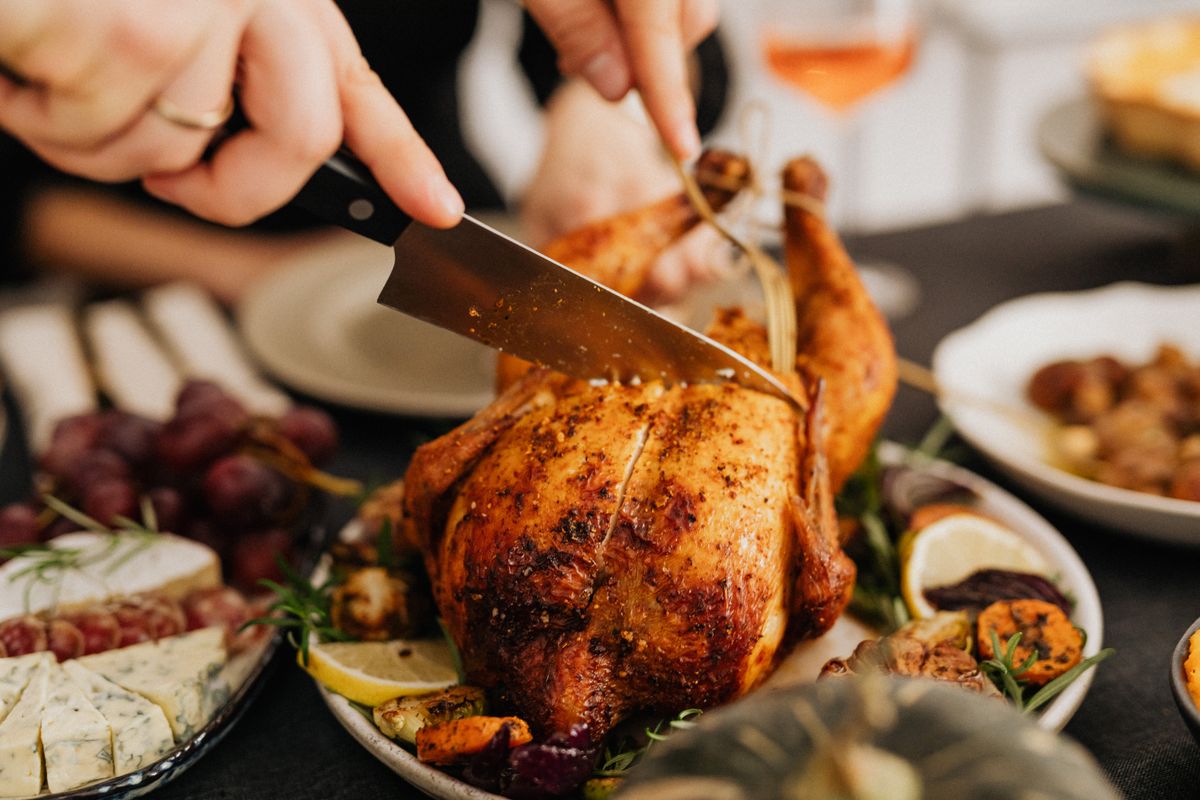
Protein & Muscle Preservation on GLP‑1 Medications
One of the biggest nutrition concerns with GLP‑1 drugs is that they don’t distinguish between fat and muscle loss. If you simply eat much less, your body may tap into both.
Many dietitians are now encouraging GLP‑1 users to aim for roughly 1.2–1.6 grams of protein per kilogram of body weight per day (individual needs vary). That’s easier said than done if you feel full after a few bites—but it’s absolutely possible with a bit of planning.
High‑protein, GLP‑1‑friendly staples include:
- Greek or Icelandic yogurt (plain or lightly sweetened)
- Eggs or egg whites (scrambled softly, poached, or in mini frittatas)
- Soft tofu, tempeh, or silken tofu in soups and smoothies
- Lean poultry or fish in small, tender portions
- Lentils, beans, and chickpeas—especially in smooth dips or soups
- Protein shakes or smoothies with fruit and nut butter
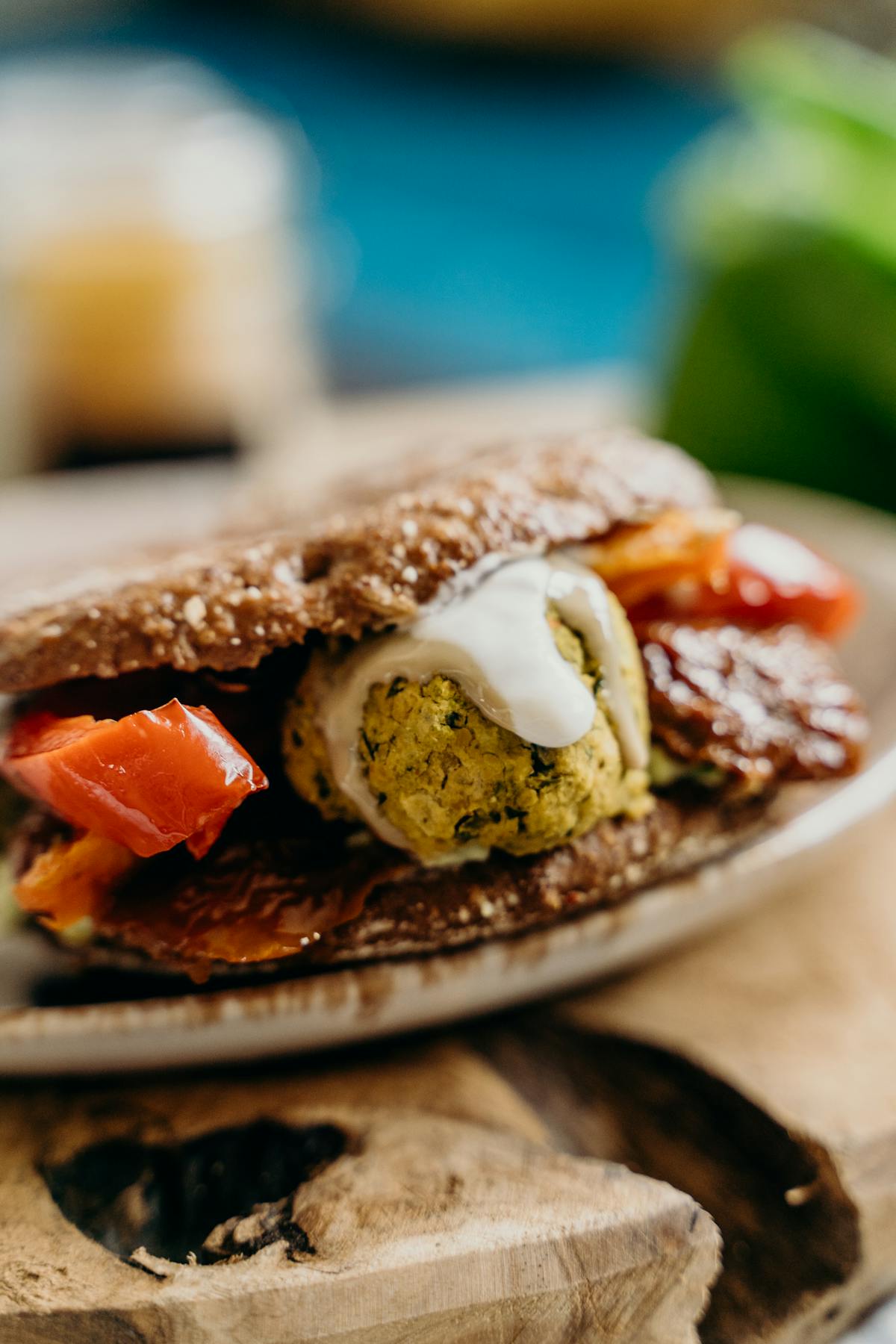
Nutrient‑Dense Eating: Making Every Bite Count
When your appetite shrinks, your plate becomes precious real estate. The goal is to pack vitamins, minerals, protein, and healthy fats into smaller, more satisfying portions so you’re not quietly drifting into deficiencies.
Focus on foods that deliver a lot of nutrition in modest volumes:
- Lean proteins: chicken, fish, tofu, eggs, Greek yogurt.
- Colorful vegetables: especially leafy greens, broccoli, peppers, carrots, and roasted root vegetables.
- Fiber‑rich carbs: oats, quinoa, barley, beans, lentils, chickpeas.
- Healthy fats: avocado, olive oil, nuts, seeds, and nut butters.
- Micronutrient stars: berries, citrus, fortified dairy or plant milks, and small portions of red meat (for iron and B12) if you eat it.
Aim for meals that are visually colorful and texturally gentle: think tender roasted vegetables, creamy yogurt, flaked salmon, or a smooth bean soup instead of dense, fried, or extremely chewy foods that can feel heavy in a slower‑emptying stomach.
“When you can’t eat much, the answer isn’t to force more volume—it’s to choose foods that truly earn their spot on your plate.”
Using Food to Ease Common GLP‑1 Side Effects
Nausea, constipation, and reflux are some of the most common early side effects when starting or increasing GLP‑1 doses. Food choices and eating patterns can make a big difference in how you feel day to day.
1. Nausea and Fullness
- Eat small, frequent meals instead of two or three large ones.
- Favor bland, low‑odor foods when queasy: toast, crackers, plain rice, gentle soups.
- Try cool or room‑temperature foods if hot meals increase nausea.
- Sip fluids slowly between meals rather than chugging large amounts at once.
2. Constipation
- Increase soluble fiber: oats, chia seeds, ground flax, psyllium (with plenty of water).
- Include fruits like berries, kiwi, and prunes for gentle support.
- Stay hydrated with water, herbal tea, or broths.
3. Reflux or Heartburn
- Avoid lying down soon after eating; give your stomach time to settle.
- Limit very greasy, fried, or spicy foods while your body adjusts.
- Try smaller, earlier dinners and lighter evening snacks.
Life After GLP‑1s: Strategies to Help Maintain Weight
Many people regain some or all of their lost weight when they stop GLP‑1 medications. That’s not a personal failure—it’s simply what happens when appetite hormones return to their old patterns. Planning an “off‑ramp” ahead of time can soften this rebound.
Useful strategies include:
- Gradually increase calories: Instead of jumping back to old portions, slowly add small snacks or slightly larger meals over weeks, guided by a clinician or dietitian.
- Keep protein front and center: Maintaining that higher protein intake can support your metabolism and protect muscle during the transition.
- Commit to resistance training: Muscle is metabolically active—holding onto it helps with long‑term weight stability.
- Build consistent habits: Regular meal timing, adequate sleep, stress management, and a predictable movement routine all act as gentle anchors when hunger signals feel louder again.

Culture, Body Image & the Ethics of the GLP‑1 Diet Trend
Alongside recipe videos and progress updates, a more critical conversation is taking shape—especially on TikTok, Instagram, and X/Twitter—about what it means to live in a world where pharmaceutical thinness feels increasingly normalized.
- Stigma and pressure: Some worry that wider access to GLP‑1s could deepen stigma toward larger bodies, or increase the expectation that anyone “could” be thinner with medication.
- Equity and access: High costs and patchy insurance coverage mean that those most likely to benefit medically don’t always have access—while others may use them primarily for aesthetics.
- Relationship with food: If hunger quiets overnight, it can feel unsettling. Therapists and weight‑neutral dietitians stress the importance of caring for mental health and not relying solely on a drug to “fix” deep‑rooted struggles with eating and body image.
Your worth has never lived in a number on a scale or the dose of a medication. GLP‑1s can be a tool—but they’re not a moral obligation.
However you choose to navigate GLP‑1s, surrounding yourself with supportive, weight‑inclusive voices—online and offline—can help keep you grounded in compassion instead of comparison.

Putting It All Together: A GLP‑1‑Friendly Day of Eating
Below is a simple, protein‑forward, nutrient‑dense day of eating tailored for a smaller appetite. Treat it as inspiration, not a rigid plan—adjust portions, flavors, and ingredients to your culture and preferences.
- Breakfast: 1 small bowl of oatmeal cooked with milk or fortified plant milk, stirred with chia seeds and topped with a few berries and a spoonful of Greek yogurt.
- Mid‑morning: Half a protein smoothie (save the rest for later) with protein powder, banana, nut butter, and spinach.
- Lunch: A small bowl of lentil soup with carrots and celery, plus a slice of whole‑grain toast with avocado and a sprinkle of seeds.
- Afternoon: A hard‑boiled egg or a few cubes of marinated tofu, and a small piece of fruit if you like.
- Dinner: A palm‑sized portion of baked salmon or chicken, a scoop of quinoa, and roasted vegetables with olive oil and herbs.
- Evening (if hungry): A few spoonfuls of cottage cheese or Greek yogurt with cinnamon, or a small handful of nuts.
