
Henry Reagan Heads to Beantown: Boston Blue’s Grandfather Crossover Has a Quietly Gut-Punch Ending
Boston Blue Season 1, Episode 13 looks, at first, like pure fan-service: Blue Bloods legend Len Cariou pops in as Grandpa Henry Reagan, drops into Beantown to see Danny and great-grandson Sean in uniform, and the CBS procedural universe folds into itself like it’s Sunday dinner at the Reagan table. But the episode quietly pivots from feel-good crossover to something more bittersweet in its final minutes, when the real reason for Henry’s visit finally surfaces.
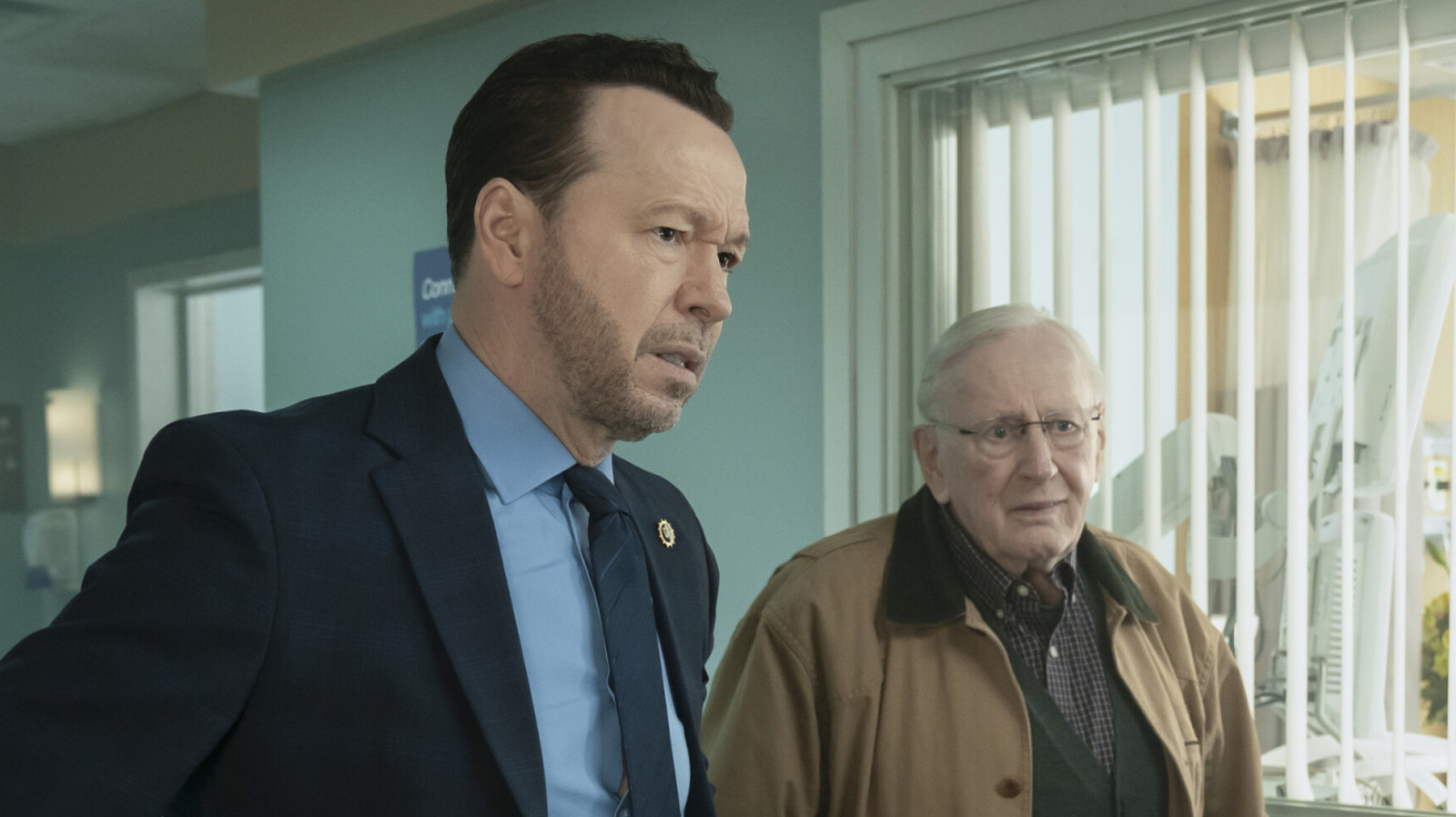
Where Boston Blue Meets Blue Bloods: The Crossover Context
By Episode 13, Boston Blue has settled into its identity as a character-driven cop drama with more grit than gloss, but it still owes a lot to its spiritual cousin, Blue Bloods. Bringing in Len Cariou as Henry Reagan isn’t just stunt casting; it’s a way of threading Boston Blue into a wider TV lineage of Catholic, multigenerational law-enforcement families who argue morality over meals.
Henry has long been Blue Bloods’ living memory—a retired NYPD commissioner who carries both institutional knowledge and old-school values. Dropping him into Boston lets the writers play with a new dynamic: what happens when the patriarch, usually rooted firmly at home in New York, becomes the visitor in someone else’s house—and someone else’s show?
Episode 13 Recap: A “Simple” Family Visit with a Late Twist
The premise on paper is disarmingly low-stakes: Henry is in town to visit his grandson Danny and to see Sean on duty—properly in uniform, in person, for the first time. The hour wisely doesn’t oversell the crossover at the start; instead, it leans into the awkward sweetness of a grandfather watching the next generation literally step into the line of duty.

Structurally, the episode balances two tracks:
- The case-of-the-week, which keeps Danny and Sean busy enough to show Henry what they’re made of without turning the hour into disaster porn.
- The family thread, which plays like a visiting-relative week on Blue Bloods—small moments, pointed conversations, and a sense that something is left unsaid.
Throughout, Henry is both proud and quietly appraising. He watches Sean take commands, move through a scene, and try to fuse new-era policing with values he’s inherited more by osmosis than by lectures at Sunday dinner. The lighthearted tone—jokes about Boston vs. New York, digs about who has the better cannoli, the usual Reagans-as-sports-bar banter—keeps things buoyant enough that you might forget CBS dramas love a last-minute emotional reveal.
That reveal, as reported by TVLine, lands in the final moments: the true reason for Henry’s visit isn’t just to admire a uniform or catch up with Danny. It’s more personal, and more fragile—hinting at age, legacy, and the quiet panic that comes when the family patriarch starts reckoning with how many more of these visits he’ll actually get.
Henry Reagan in Boston: Same Moral Compass, New Streets
Len Cariou slips back into Henry Reagan like he never left. The writing smartly resists turning him into a walking nostalgia meme; instead, he’s used as a calibration tool for Boston Blue’s world. When Henry reacts to how Danny and Sean operate—body cameras, community expectations, the politics of policing a different city—the series gets to quietly say, “This is not just NYPD with clam chowder.”
“Henry doesn’t show up to tell these kids how to do the job. He’s there to see if the values he believes in survived the trip to another city—and another generation.” — A TV critic’s early reaction to the episode
One of the best beats has Henry watching Sean take a small but morally messy call—something low-profile enough never to make the news, but emotionally sticky for a rookie. Henry’s advice is less “back in my day” and more “you’ll have to sleep with the choices you make.” That’s very Reagan, but it also fits Boston Blue’s tendency to let dilemmas sit uncomfortably rather than wrapping everything in patriotic string.
Three Generations in Uniform: Danny, Sean, and the Weight of Legacy
For longtime Blue Bloods viewers, the draw is obvious: Danny, Sean, and Henry together, all connected by a badge. But the episode is careful not to turn Sean into a prop. His arc here is low-key but important—the rare network-TV acknowledgment that being a “Reagan in blue” can be as much burden as honor.
- Danny is the bridge—old-school instincts, new-city reality.
- Sean is the experiment—can the Reagan code survive Zoomers, smartphones, and viral videos?
- Henry is the mirror—he forces both to see themselves through the lens of time.
One of the episode’s more poignant visual choices is simply staging: putting Henry slightly to the side as he watches Danny and Sean navigate a scene together. He’s not the center of the frame anymore, and that’s the point. The camera keeps reminding us this is Sean’s world now, even if it’s built on roads Henry helped pave.

Tone & Craft: Lighthearted on the Surface, Quietly Heavy Underneath
In terms of tone, Episode 13 walks a deliberate line between comfort television and low-key existential crisis. The banter is there—Boston vs. New York rivalries, teasing Sean about rookie mistakes, gentle ribbing about Henry’s age. But the script plants small hints that this visit means more than it appears.
Visually, the episode favors warm interiors and grounded street work over glossy hero shots. This keeps the crossover from tilting into self-parody; it still looks like Boston Blue, not Blue Bloods in a Red Sox cap.

What Works (and What Doesn’t) in “Grandpa Henry Visits”
As an hour of network TV, this episode is quietly effective, especially if you come in with any affection for Blue Bloods. Still, it isn’t flawless.
Strengths
- Len Cariou’s presence: He doesn’t dominate the episode, but every scene with Henry adds emotional weight and a lived-in history you can’t fake.
- Generational interplay: Danny and Sean feel like they actually share DNA with the New York Reagans without becoming copy-paste clones.
- The late reveal: Saving the true reason for Henry’s visit until the end re-frames earlier scenes and invites a rewatch.
Weaknesses
- Case-of-the-week dilution: The procedural plot is serviceable but a little anonymous, crowded out by the crossover novelty.
- Newcomer barrier: Viewers without Blue Bloods history may sense they’re missing some emotional subtext the show doesn’t have time to explain.
- Limited risk-taking: The episode hints at deeper questions about policing across generations but mostly keeps things CBS-comfortable.
“It plays like a Thanksgiving drop-by from an old relative: warm, familiar, a little bittersweet when the door closes behind him.” — Entertainment columnist on the Henry Reagan crossover
Where This Episode Fits in the Boston Blue Season 1 Run
For searchers wondering “Do I need to watch this one?” in a Boston Blue Season 1 binge, Episode 13 is both a reward episode and a soft pivot point. It doesn’t radically alter the main plotlines, but it deepens Sean’s arc and quietly positions Danny’s story as part of a much longer family continuum, especially if future episodes decide to pay off whatever Henry leaves unsaid here.
If you’re a Blue Bloods fan curious about the spinoff-adjacent world, this is an easy jumping-in sampler: enough nostalgia, but still very much Boston Blue’s show. And if you’re already invested in Boston Blue’s more grounded, slightly moodier tone, Henry’s appearance functions as a reassuring nod that the broader CBS procedural universe sees what this series is doing and is willing to share its most iconic grandfather.

For more details on the episode and casting, you can check the original coverage at TVLine and the Boston Blue listing on IMDb once the episode entry is live.
Final Verdict: A Gentle Gut Punch Wrapped in Comfort TV
Boston Blue Season 1, Episode 13 uses the Henry Reagan visit as more than a ratings gimmick. It’s a soft, carefully measured crossover that lets three generations share screen time while quietly asking how long traditions can realistically last—on the job and at home.
The hour’s power is in its restraint. It doesn’t try to outdo Blue Bloods’ most emotional episodes; instead, it slips a small, human twist into what looks like a victory lap for a beloved character. For viewers who’ve grown up with the Reagans, that might be the most on-brand move of all: the hardest conversations arrive late, lightly, and stay with you long after the credits roll.
