
Ye’s LA Comeback: Inside the Sold-Out Kanye West & Lauryn Hill Concert Moment
Ye’s LA Comeback Concert with Lauryn Hill: Redemption Tour or Just a Reunion?
Ye, the artist formerly known as Kanye West, has attempted a high-profile comeback with a sold-out Los Angeles–area concert that doubled as both a spectacle and a stress test of how much the culture is willing to forgive. Supported onstage by one of his musical idols, Lauryn Hill, he framed the night as a return to form after years of controversy, raising complicated questions about legacy, accountability, and the enduring power of live performance.
In a music industry where cancellation and comeback often feel like two sides of the same streaming-era coin, this show landed at a particularly charged moment. Ye has spent the last several years alienating fans and collaborators with inflammatory statements and erratic behavior; this concert, as reported by the Associated Press, was pitched as a reset button—if not for the headlines, then at least for the music.
From College Dropout to Cultural Fallout: Why This Show Matters
To understand why this concert drew so much attention, you have to zoom out. Ye is not just another rapper trying to move tickets; he’s one of the defining artists of the 21st century, with albums like The College Dropout, My Beautiful Dark Twisted Fantasy, and Yeezus still casting a long shadow over hip-hop, pop, and fashion.
But the last several years have been dominated less by innovation and more by controversy: highly publicized feuds, erratic social media posting, and statements that alienated collaborators, fans, and brands alike. The result has been a rare thing in modern pop culture: someone simultaneously omnipresent and persona non grata.
That’s the backdrop for this LA-area show. A sold-out crowd signals that, at least economically, there’s still demand for Ye as a performer. Culturally, though, the move reads more like a referendum: can the music still cut through the noise he created around himself?

Lauryn Hill’s Appearance: Co-Sign, Caution, or Cultural Bridge?
The headline-grabbing detail of the night was the presence of Lauryn Hill, one of the few artists Ye consistently cites as a north star. Hill’s mystique in popular culture is almost the inverse of Ye’s: where he overshares, she retreats; where he floods the market, she withholds.
Her support—onstage, in front of a sold-out Southern California crowd—functioned as both a nostalgic callback and a symbolic gesture. For many fans, seeing one of hip-hop and neo-soul’s most revered voices share a stage with Ye adds a layer of credibility and emotional heft, particularly for listeners who grew up with both artists as formative influences.
“Lauryn is one of the main reasons I even make music the way I do.”
While that sentiment has been echoed by Ye in various interviews over the years, the subtext now is different: an artist trying to regain trust leaning on the aura of a legend who rarely appears in public, let alone for high-profile collaborations.

Inside the Show: Setlist Vibes, Production, and Crowd Energy
Based on reporting and fan accounts, the concert leaned into what Ye does best: blending arena-scale production with songs that defined whole eras of rap and pop. Even without an exhaustive, track-by-track breakdown, several elements come through clearly.
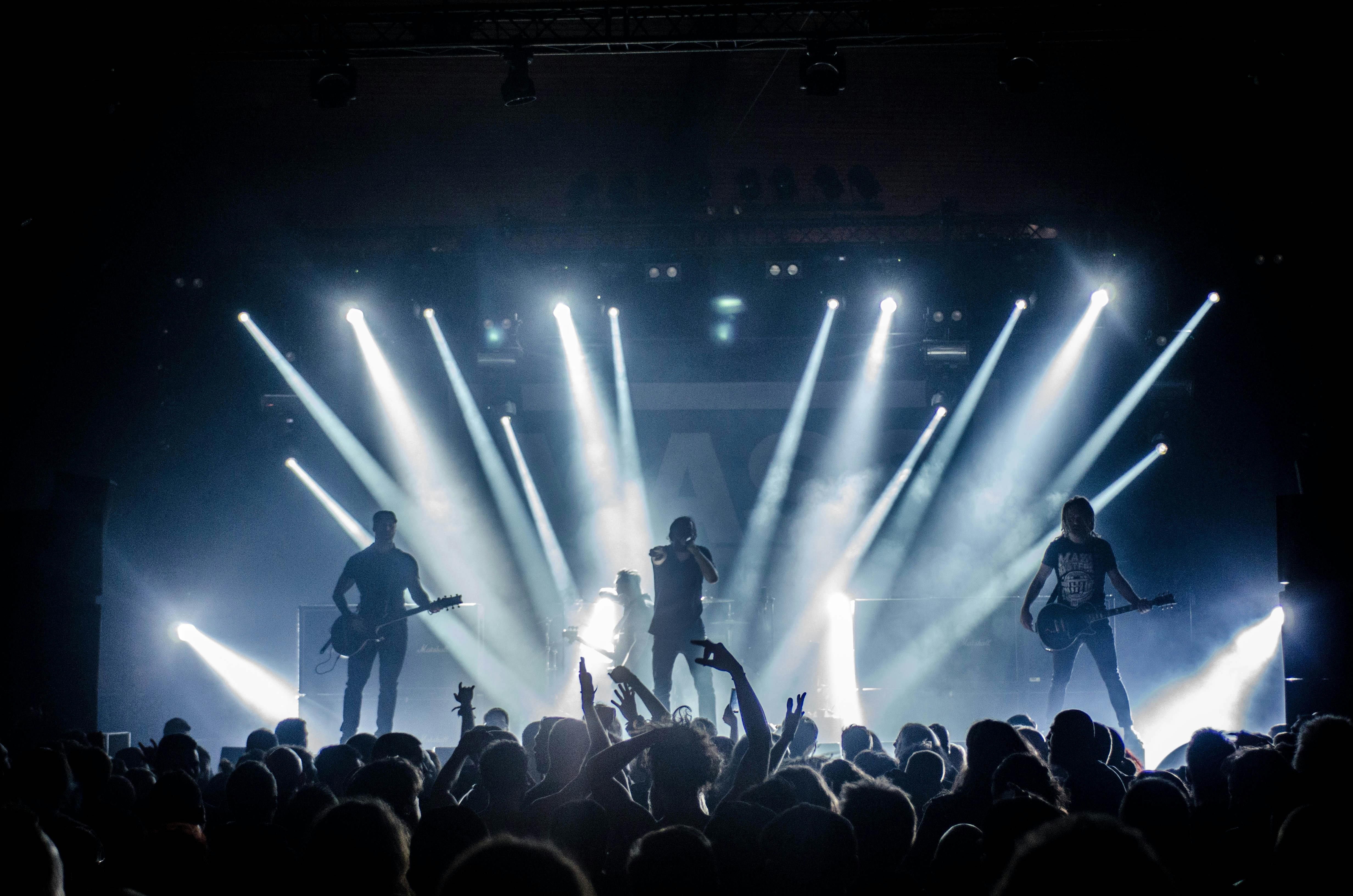
- Production Design: Stark, theatrical staging—very much in line with Ye’s post-Yeezus aesthetic—put the focus on silhouettes, lighting, and scale rather than busy visuals.
- Setlist Strategy: Legacy songs anchored the night, tapping into the shared nostalgia that can momentarily soften public skepticism.
- Crowd Response: Sold-out attendance and high-energy reactions suggested that, in the live setting, much of the audience was there to commune with the music first, discourse second.
This is a familiar pattern for artists in public hot water: the live show becomes both safe space and experiment. How many people still show up? How loudly do they sing along? The answers, at least in this Southern California venue, seemed to favor Ye.
The Complicated Comeback: Art, Accountability, and Audience Memory
Any honest analysis of a Ye “comeback” has to reckon with more than lighting rigs and surprise guests. The question following him into every venue now is not just “Will he play the hits?” but “What, if anything, has he learned?”
Early coverage of the concert emphasizes the vibe of celebration and creative reunion, but is more careful about calling this a full redemption arc. In an era where fans treat artists as both playlist curators and public figures with real-world impact, the bar for forgiveness is higher—and more personal—than just a strong show.
“The culture rarely moves on in one night, no matter how sold out the arena is.”
That tension is visible everywhere around Ye’s career right now: streaming numbers vs. public criticism, standing ovations vs. critical distance, nostalgia vs. discomfort. The LA-area concert doesn’t resolve those contradictions so much as crystallize them under one roof.

How Ye’s Attempted Reset Compares to Other Music Comebacks
Ye’s LA outing slots into a long tradition of complicated comebacks in popular music. The pattern is familiar: a period of public backlash, a retreat (voluntary or otherwise), and then a highly visible performance designed to reframe the narrative.
- Control the Optics: Staging a sold-out show in a major market like Los Angeles signals strength, not damage control.
- Lean on Legacy: A setlist heavy on classics reminds audiences why they cared in the first place.
- Secure a Co-Sign: Lauryn Hill’s presence functions almost like a live, emotional “feature” credit.
What’s less clear, at least so far, is whether this reset comes with sustained accountability, new behavior, or meaningful dialogue beyond the spectacle. Without that, the risk is that the concert becomes just another viral moment—loud, impressive, and quickly folded back into the larger, unresolved story.

If You’re Following Ye’s Comeback, Here’s What to Watch Next
For fans, critics, and casual observers tracking this chapter of Ye’s career, the LA show is likely just the opening act. A few things worth keeping on your radar:
- Whether additional major-city dates roll out and how quickly they sell.
- How media coverage frames future performances: less as “event” and more as “return to normal,” or vice versa.
- Any new studio releases and whether they engage directly or indirectly with the controversies of recent years.
Final Take: A Powerful Night That Doesn’t Close the Book
Judged purely as an entertainment event, Ye’s sold-out LA-area concert—with Lauryn Hill’s blessing-by-appearance—looks like a win. The crowd showed up, the songs still hit, and the production underscored why he became a generational artist in the first place.
But in 2026’s cultural climate, a successful concert is the beginning of a comeback narrative, not the end of one. Whether this performance marks a genuine turning point or just another dramatic chapter depends on what follows: the choices Ye makes, the collaborators he keeps, and how seriously he engages with the impact of his past behavior.
For now, the LA show stands as a snapshot of a culture still figuring out how to balance admiration for groundbreaking art with a more demanding sense of responsibility. The music was loud, the arena was full, and the questions—about forgiveness, legacy, and power—aren’t going anywhere.
