
Gut Health & Fermented Superfoods: How Kimchi, Fiber & Ferments Can Transform Your Microbiome
From Kimchi to Prebiotic Fiber: Eating for a Happier Gut
Gut health has moved from a niche wellness topic to the center of everyday food conversations. Across social media, people are celebrating fermented “superfoods” like kimchi, sauerkraut, yogurt, and kefir, and falling back in love with humble, prebiotic‑rich ingredients such as beans, oats, onions, and green bananas. Underneath the trend is a serious idea: by feeding the trillions of microbes in our digestive system, we can support digestion, immunity, and even mood.
Instead of chasing a single miracle product, emerging research and registered dietitians now emphasize a simple pattern: plenty of plant‑based fiber, regular fermented foods, fewer ultra‑processed snacks, and a focus on sleep and stress. The delicious news is that this can look like a bubbling jar of homemade kimchi, a cozy pot of bean stew, or a bright bowl of oats crowned with fruit and yogurt.

Why Gut Health Is Everywhere Right Now
Short‑form videos promising “how to heal your gut” now rake in millions of views. While some clips oversimplify, a growing number of registered dietitians and evidence‑minded doctors are reshaping the conversation with practical, food‑first guidance rooted in current microbiome research.
- Encouraging more plant diversity—often framed as “30 different plants per week.”
- Highlighting fermented foods such as kimchi, yogurt, kefir, miso, and kombucha.
- Recommending prebiotic fibers from beans, lentils, oats, onions, garlic, and more.
- Cautioning that supplements can’t fix a low‑fiber, ultra‑processed diet.
Food is no longer seen as just fuel or calories—it’s a way to cultivate an internal ecosystem that touches digestion, energy, skin, and mood.
Personal stories keep engagement high: people share how shifting toward more whole, fiber‑rich, and fermented foods helped them feel less bloated, more energized, or more comfortable in their own skin. While every gut is unique, these narratives often inspire others to experiment gently with their own plates.
The Gut Microbiome, Explained in Plain Language
Your gut microbiome is a bustling city of bacteria, yeasts, and other microbes living mostly in your large intestine. When this community is diverse and well fed, it can help you:
- Break down fiber you can’t digest on your own.
- Produce short‑chain fatty acids that nourish your gut lining.
- Shape immune responses and inflammation.
- Interact with the gut–brain axis, influencing stress and mood.
In research up to 2026, patterns keep emerging: diets rich in varied plant fibers and fermented foods are linked with more diverse microbiomes and markers of metabolic and digestive health. No single food is magic; it’s the overall pattern that matters.
Probiotics vs. Prebiotics: What’s the Difference?
On social media, the terms probiotic and prebiotic are often used interchangeably—but they play very different roles.
Probiotics: The Live Microbes
Probiotics are live microorganisms that, in adequate amounts, may confer a health benefit. They show up in:
- Live‑culture yogurt and kefir
- Kimchi, sauerkraut, and other raw ferments
- Some miso, tempeh, and kombucha
Prebiotics: The Microbe Food
Prebiotics are fibers and compounds you can’t digest but your microbes adore. Common sources include:
- Onions, garlic, leeks, and asparagus
- Oats, barley, and rye
- Beans, lentils, and chickpeas
- Green (less ripe) bananas and cooked‑then‑cooled potatoes
Many gut‑health‑branded products now call themselves synbiotic, meaning they combine prebiotics and probiotics. Health professionals increasingly remind people that these can be complementary, but they’re not substitutes for a pattern of whole, minimally processed foods.

Fermented “Superfoods” for Gut Health
Fermented foods are created when friendly microbes transform sugars and starches in food into new flavors and textures. The result? Tangy, fizzy, complex ingredients that can liven up almost any meal while delivering live cultures and bioactive compounds.
- Kimchi: Spicy, garlicky Korean cabbage (and sometimes radish) ferment—crunchy, bright, and full of personality.
- Sauerkraut: European‑style sour cabbage, salty, crisp, and deeply tangy.
- Yogurt & Kefir: Creamy or drinkable cultured dairy (and now dairy‑free versions), pleasantly tart and often used as a breakfast base.
- Miso & Tempeh: Fermented soy staples from East Asia and Indonesia, bringing umami depth to soups, marinades, and stir‑fries.
- Kombucha: A lightly fizzy, fermented tea with a sweet‑sour profile; trendy but best enjoyed in moderation due to sugar and acidity.
Prebiotic Fiber: Everyday Foods that Feed Your Microbes
If probiotics are the “guests,” prebiotic fibers are the feast. These non‑digestible carbohydrates travel to the large intestine, where microbes ferment them into beneficial compounds. Up through 2026, nutrition research and guidelines consistently highlight fiber’s role in supporting digestion, blood sugar control, and long‑term health.
Easy ways to add more prebiotic‑rich foods:
- Toss chopped onions and garlic into soups, sauces, and stir‑fries.
- Build meals around beans and lentils a few times per week.
- Choose oats or other whole grains for breakfast.
- Enjoy slightly green bananas in smoothies or sliced over yogurt.
- Use leeks and asparagus in frittatas, roasts, or pasta dishes.

A Gut‑Loving Recipe: Kimchi & White Bean Brown Rice Bowl
To bring all of this to life, here’s a simple, hearty bowl that layers fermented kimchi with prebiotic‑rich beans and brown rice. It’s cozy and satisfying yet bright with acidity and crunch. You get creamy beans, nutty rice, and the electric, garlicky sparkle of kimchi in every bite.
This recipe is naturally high in fiber and can be made vegetarian or vegan with the right kimchi and toppings. It’s perfect for weeknights and friendly to meal prep.
Kimchi & White Bean Brown Rice Bowl (High‑Fiber, Gut‑Friendly)
A warm, nourishing grain bowl layering fermented kimchi with creamy white beans, nutty brown rice, and crisp vegetables. Packed with probiotics and prebiotic fiber to support a healthy gut microbiome.
Prep time:
Cook time:
Total time:
Servings: 4 bowls
Difficulty: Easy
Ingredients
For the bowl
- 1 cup (200 g) dry brown rice, rinsed (or 3 cups cooked)
- 1 1/2 cups (250 g) cooked white beans (cannellini or navy), drained and rinsed if canned
- 1 to 1 1/2 cups (about 200 g) kimchi, chopped into bite‑size pieces
- 1 cup (80 g) shredded carrots or thinly sliced carrot ribbons
- 1 cup (60–80 g) thinly sliced cucumber or radish
- 2 cups (60–80 g) baby spinach or mixed greens
- 2 green onions, thinly sliced (white and green parts)
For the sesame–garlic dressing
- 3 tbsp extra‑virgin olive oil or neutral oil
- 1 1/2 tbsp toasted sesame oil
- 2 tbsp low‑sodium tamari or soy sauce (use tamari for gluten‑free)
- 1 tbsp rice vinegar or apple cider vinegar
- 1–2 tsp honey or maple syrup, to taste
- 1–2 cloves garlic, finely grated or minced
- 1 tsp grated fresh ginger (optional but lovely)
Optional toppings
- 2–4 soft‑boiled or fried eggs (omit or use a vegan alternative if plant‑based)
- 2–3 tbsp toasted sesame seeds
- 1 small avocado, sliced
- Small handful of fresh cilantro or shiso, chopped
- Chili flakes or gochugaru, to taste
Equipment
- Medium saucepan with lid (for rice)
- Cutting board and sharp knife
- Small bowl or jar with lid (for dressing)
- Large mixing bowl (optional, for tossing greens)
- 4 serving bowls


Instructions
- Cook the brown rice. In a medium saucepan, combine the rinsed brown rice with 2 cups (480 ml) of water and a pinch of salt. Bring to a boil over medium‑high heat, then reduce the heat to low, cover, and simmer for 25–30 minutes, or until the rice is tender and the water is absorbed. Remove from heat, fluff with a fork, and let sit, covered, for 5 minutes.
- Make the sesame–garlic dressing. While the rice cooks, in a small bowl or jar whisk together the olive oil, toasted sesame oil, tamari or soy sauce, rice vinegar, honey or maple syrup, grated garlic, and ginger (if using). Taste and adjust seasoning—add a drizzle more honey or vinegar if you prefer sweeter or sharper flavors.
- Prepare the toppings. Chop the kimchi into bite‑size pieces. Rinse and drain the white beans well. Shred the carrots, slice the cucumber or radish, and rinse and dry the greens. Slice the green onions. If using eggs, cook them to your liking now (soft‑boiled, jammy, or fried in a little oil).
- Warm the beans (optional). For a cozier bowl, add the drained beans to a small skillet with 1–2 tablespoons of the dressing and warm over low heat for 3–4 minutes, until just heated through and lightly seasoned. For a cooler, salad‑style bowl, you can keep them at room temperature.
- Toss the greens. In a mixing bowl, toss the spinach or mixed greens with 1–2 tablespoons of the dressing until lightly coated. This gives every bite a little flavor and helps the greens soften slightly.
- Assemble the bowls. Divide the warm brown rice among 4 bowls. Arrange the dressed greens, white beans, kimchi, carrots, and cucumber or radish in separate sections over the rice, leaving some rice visible. Top each bowl with green onions.
- Finish with toppings. Drizzle more dressing over each bowl to taste. Add eggs (if using), avocado slices, sesame seeds, herbs, and chili flakes or gochugaru. Serve immediately while the rice is still warm and the vegetables are cool and crisp.
Nutrition note (approximate): Each bowl provides a good source of fiber, plant protein, and complex carbohydrates, along with live cultures from kimchi and beneficial plant compounds from colorful vegetables. Exact values will vary based on specific brands and toppings.
Storage, Reheating & Meal Prep Tips
This kimchi and bean rice bowl is wonderfully meal‑prep friendly when you store components separately.
- Cooked rice: Cool completely, then refrigerate in an airtight container for up to 4 days.
- Beans: Store in a covered container with a little of the dressing for up to 3–4 days.
- Chopped vegetables & greens: Keep in sealed containers or bags with a paper towel to absorb moisture, up to 3 days.
- Kimchi: Store in its own jar; it’s fermented and keeps well in the fridge, though flavor intensifies over time.
- Dressing: Refrigerate up to 1 week. Shake or whisk before using.
For best texture, reheat only the rice and beans (on the stove or in the microwave with a splash of water), then add cold or room‑temperature kimchi and vegetables right before serving. This keeps the live cultures in the kimchi happier and the veggies crisp.
Serving Ideas & Complementary Gut‑Friendly Dishes
Turn your kimchi and bean bowl into part of a larger, gut‑loving spread with a few simple additions:
- Side of miso soup: Light, savory, and warming—stir in cubes of tofu and seaweed for extra minerals.
- Crisp side salad: Toss mixed greens, shredded cabbage, and sliced apples with a simple olive oil and lemon dressing.
- Fermented veggie sampler: Offer small dishes of kimchi, sauerkraut, and pickled carrots for color and variety.
- Probiotic dessert: Finish with a small yogurt bowl topped with oats, berries, and nuts for an extra dose of friendly cultures and prebiotic fiber.

Gut‑Health Products vs. Real Food: What Experts Emphasize
The gut‑health wave has fueled a surge in probiotic drinks, prebiotic sodas, fiber‑fortified snacks, and synbiotic supplements. Influencers frequently review these products, but registered dietitians and gastroenterologists continue to stress that:
- Supplements can’t replace a balanced, high‑fiber, minimally processed diet.
- Many “probiotic” drinks contain added sugars and acids that may not suit everyone.
- Individual responses vary—what soothes one person’s digestion may not work for another.
- For specific medical conditions, it’s wise to consult a healthcare professional before starting new supplements.
Building a Gut‑Friendly Kitchen, One Bite at a Time
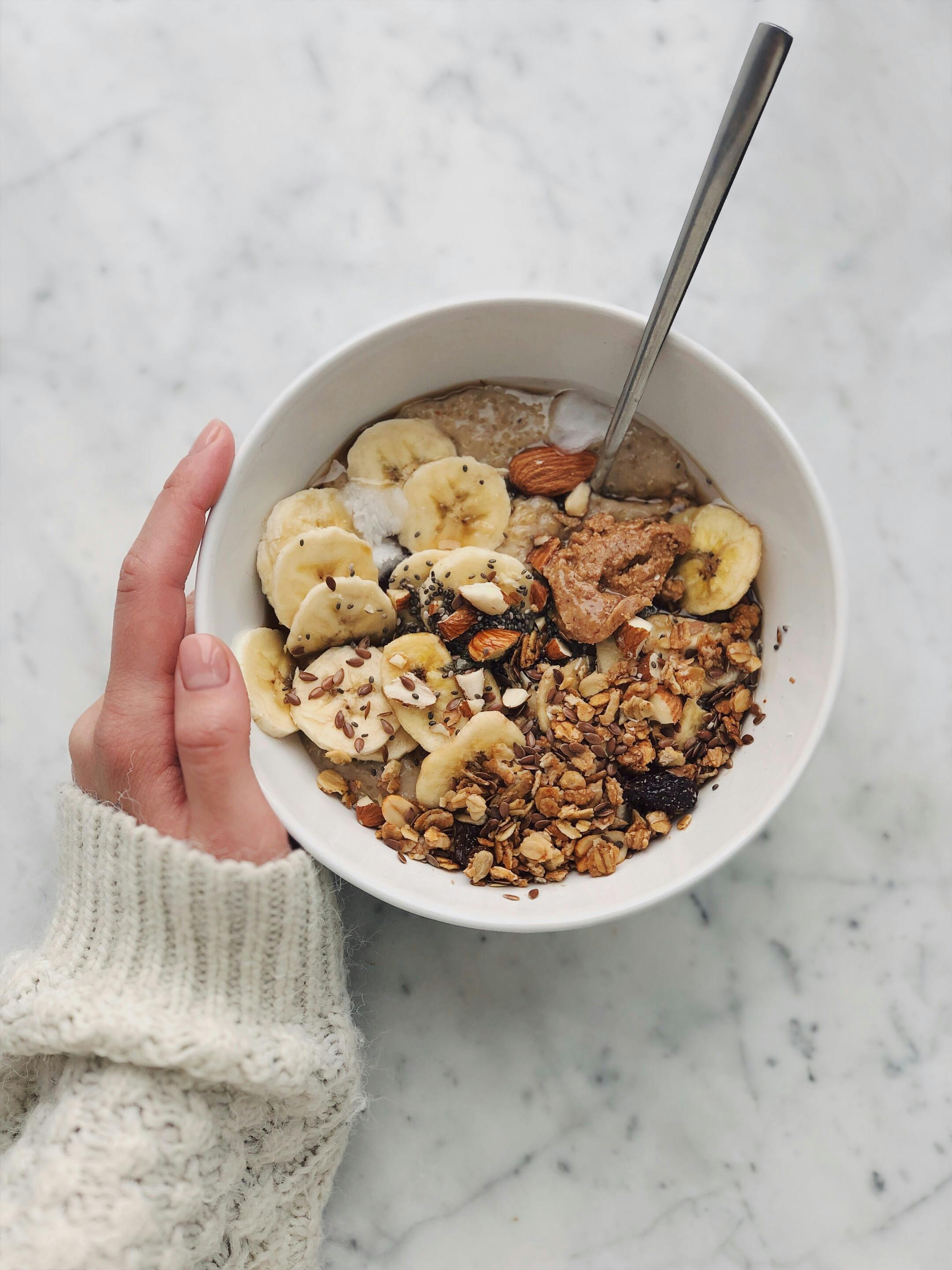
You don’t have to overhaul your diet overnight to care for your microbiome. Start with one or two small shifts: a spoonful of kimchi alongside dinner, a bean‑based lunch once or twice a week, or a cozy bowl of oats topped with fruit and nuts in the morning.
Over time, these everyday choices create an inner environment where beneficial microbes can thrive. The payoff often shows up quietly—in steadier energy, more comfortable digestion, and the quiet pleasure of meals that are both deeply satisfying and wonderfully supportive of your long‑term health.
Trust your taste buds, listen to your body, and let curiosity guide you. Your gut—and your future self—will thank you.
