
Gut Health 2.0: A Flavor-Packed Guide to Fermented Foods, Prebiotic Fiber & the Microbiome Diet
Gut Health 2.0: Fermented Foods, Prebiotic Fiber & the Microbiome-Friendly Plate
Gut health has evolved from a vague wellness buzzword into a delicious, science-backed way of eating that celebrates fermented foods, prebiotic fiber, and diverse plants to nourish your microbiome. Instead of chasing miracle supplements, more people are now turning to real food—creamy yogurt, fizzy kombucha, crunchy kimchi, hearty beans, and fragrant garlic—to support digestion, immunity, and even mood.
In this guide, we’ll walk through what “Gut Health 2.0” really means, why fermented foods and prebiotic fibers matter, and how to build an everyday microbiome diet that feels joyful and sustainable. You’ll also get a complete, gut-friendly recipe: a vibrant Microbiome Power Bowl loaded with texture, flavor, and happy “gut bugs.”

Why Gut Health 2.0 Is Everywhere Right Now
The latest gut-health wave—often called the microbiome diet or “gut-friendly eating”—goes beyond vague probiotic promises. It leans into specific foods and patterns that help cultivate a diverse, resilient community of microbes in your gut.
- Growing research: Popular books, podcasts, and articles have translated microbiome science into everyday language, highlighting how gut bacteria influence immunity, skin, mental health, and metabolism.
- Symptom-driven interest: Many people live with bloating, IBS-like discomfort, or unexplained fatigue and are looking for gentle, food-based ways to feel better.
- Social media appeal: “What I eat for my gut,” before-and-after bloating photos, and DIY ferments perform extremely well on TikTok, Instagram, and YouTube.
Think of your gut as a thriving garden: it needs a variety of plants, a rich “soil” of fiber, and a few friendly critters to keep everything in balance.
Core Elements of a Microbiome-Friendly Diet
1. Fermented Foods: Flavorful Sources of Live Cultures
Fermented foods are at the heart of the gut-health trend. They’re created when beneficial microbes transform sugars in food into acids or gases, giving that irresistible tang, fizz, and complexity.
- Yogurt & kefir: Creamy, tangy, and often rich in live cultures.
- Kimchi & sauerkraut: Crunchy, spicy or sour, and deeply aromatic.
- Kombucha: Lightly fizzy fermented tea with a gentle sour-sweet profile.
- Miso & tempeh: Savory, umami-packed ferments used in soups, marinades, and stir-fries.

2. Prebiotic Fiber: Feeding Your “Gut Bugs”
Prebiotics are fibers that your body can’t digest, but your gut microbes adore. They ferment these fibers into short-chain fatty acids (SCFAs) like butyrate, which support colon health and may help with blood sugar and inflammation.
Everyday prebiotic-rich foods include:
- Onions, garlic, leeks
- Asparagus, artichokes
- Oats, barley, whole wheat
- Beans, chickpeas, and lentils
- Bananas (especially slightly underripe)
- Chicory root, Jerusalem artichokes
3. Plant Diversity: The “30 Plants a Week” Idea
A recurring microbiome mantra is to aim for about 30 different plants per week. That includes fruits, vegetables, whole grains, nuts, seeds, legumes, herbs, and spices. Each plant brings its own blend of fibers and polyphenols (plant compounds) that different microbes enjoy.
Instead of obsessing over perfection, think in terms of playful variety: mix herbs into salads, toss seeds over yogurt, rotate your grains, and try a new vegetable every week.
4. Cutting Back on Ultra-Processed Foods
Many gut-health creators encourage reducing ultra-processed foods—especially those high in refined sugars, emulsifiers, and certain sweeteners. Early research suggests that some additives may disturb gut bacteria in susceptible people.
Rather than strict “never” rules, focus on crowding your plate with minimally processed choices: whole grains instead of refined, whole fruit instead of sugary juices, homemade bowls instead of packaged meals.
Cautions, Misconceptions & Listening to Your Own Gut
While the gut-health trend has lots of positives—more fiber, more plants, and more fermented foods—there are a few pitfalls to watch for.
- Over-restriction: Extreme elimination diets (like very low FODMAP, strict carnivore, or unbalanced gluten-/dairy-free patterns) can unintentionally reduce fiber and plant diversity, which may work against long-term gut health.
- One-size-fits-all thinking: Microbiomes are highly individual. A food that soothes one person may cause bloating for another, especially with IBS or IBD.
- Supplement hype: Many “gut-healing” supplements are marketed aggressively, but not all have strong, strain-specific evidence. Qualified dietitians usually recommend food-first approaches.
Recipe: Microbiome Power Bowl with Fermented Veggies & Creamy Kefir Dressing
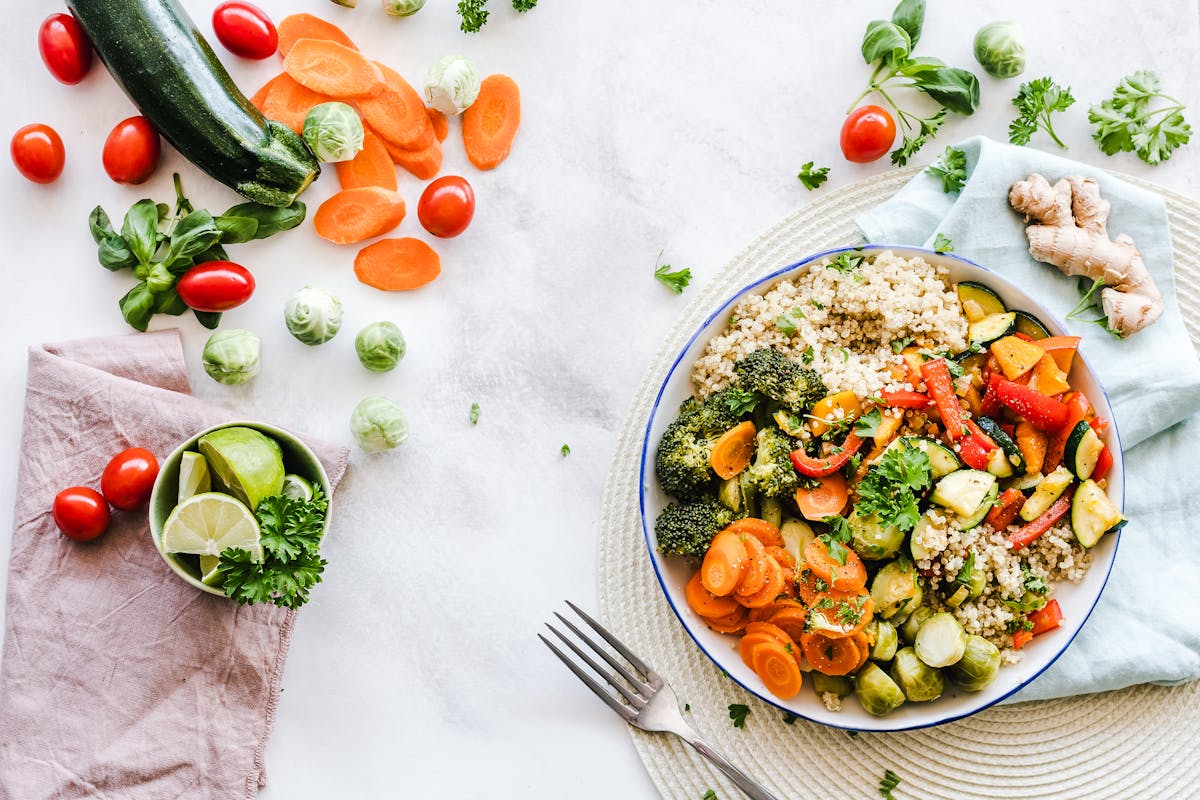
This Microbiome Power Bowl is a vibrant, gut-friendly meal that layers chewy whole grains, tender beans, roasted vegetables, crisp fresh greens, and a bright hit of fermented toppings. A silky kefir or yogurt-based dressing brings everything together with gentle tang and a hint of garlic.
Prep time: 25 minutes
Cook time: 30–35 minutes
Total time: ~55–60 minutes
Servings: 4 bowls
Difficulty: Easy–Intermediate
Dietary: High-fiber, gut-friendly, easily adapted for vegetarian or vegan
Equipment & Tools Needed
- Medium saucepan with lid (for grains)
- Large baking sheet or roasting pan
- Large mixing bowl
- Small bowl or jar with lid (for dressing)
- Sharp knife and cutting board
- Measuring cups and spoons
- Whisk or fork for mixing dressing
Ingredients for the Microbiome Power Bowl
For the Grain & Legume Base
- 1 cup (190 g) dry cooked whole grain of choice (e.g., quinoa, barley, brown rice, or farro)
- 2 cups (480 ml) water or low-sodium vegetable broth
- 1 cup (170 g) cooked chickpeas or other beans, rinsed and drained if canned
- 1 tablespoon extra-virgin olive oil
- 1/4 teaspoon fine sea salt (or to taste)
For the Roasted Vegetables
- 1 medium sweet potato, scrubbed and cut into 1.5 cm (1/2–3/4 inch) cubes
- 1 small broccoli crown, cut into bite-size florets
- 1 medium red onion, peeled and sliced into thick wedges
- 2 tablespoons extra-virgin olive oil
- 1 teaspoon ground smoked paprika (or sweet paprika)
- 1/2 teaspoon ground cumin
- 1/2 teaspoon fine sea salt
- Freshly ground black pepper, to taste
Fresh Crunch & Prebiotic Toppers
- 2 cups (about 80 g) mixed leafy greens (e.g., baby spinach, arugula, or mixed salad leaves)
- 1 small cucumber, diced
- 1 medium carrot, grated or julienned
- 2 small spring onions (scallions), thinly sliced
- 1 small clove garlic, very finely minced (optional, for stronger prebiotic kick)
- 1/4 cup (30 g) mixed nuts or seeds (e.g., pumpkin seeds, sunflower seeds, chopped almonds or walnuts)
Fermented Toppings
- 1/2 cup (about 80 g) kimchi or unpasteurized sauerkraut
- 1/4 cup (60 ml) fermented yogurt-based dip or plain yogurt (optional extra dollops)
Creamy Kefir (or Yogurt) Gut-Friendly Dressing
- 1/2 cup (120 ml) plain kefir or plain yogurt (dairy or unsweetened plant-based)
- 1 tablespoon extra-virgin olive oil
- 1 tablespoon freshly squeezed lemon juice or apple cider vinegar
- 1 teaspoon mild honey or maple syrup (optional, for balance)
- 1 small clove garlic, grated or finely minced
- 1–2 tablespoons chopped fresh herbs (e.g., parsley, dill, or coriander)
- 1/4 teaspoon fine sea salt, plus more to taste
- Freshly ground black pepper, to taste
Step-by-Step Cooking Instructions
1. Cook the Whole Grains
- Rinse the chosen grain under cool running water in a fine-mesh sieve until the water runs mostly clear.
- Add the grain and 2 cups (480 ml) water or broth to a medium saucepan. Bring to a gentle boil over medium-high heat.
- Reduce heat to low, cover with a lid, and simmer until tender and liquid is absorbed (timing depends on grain—about 15 minutes for quinoa, up to 30 minutes for brown rice or barley). Check package directions.
- Once cooked, remove from heat. Fluff with a fork, drizzle with 1 tablespoon olive oil and 1/4 teaspoon salt, and set aside with the lid slightly ajar.
2. Roast the Vegetables
- Preheat your oven to 200 °C (400 °F). Line a baking sheet with parchment for easier cleanup, if desired.
- In a large bowl, toss the sweet potato cubes, broccoli florets, and red onion wedges with 2 tablespoons olive oil, smoked paprika, cumin, salt, and pepper until evenly coated.
- Spread vegetables in a single layer on the baking sheet, leaving a little space between pieces so they roast instead of steam.
- Roast for 20–25 minutes, turning once halfway through, until sweet potatoes are tender and edges of broccoli and onion are lightly charred and crisp.

3. Mix the Kefir Gut-Friendly Dressing
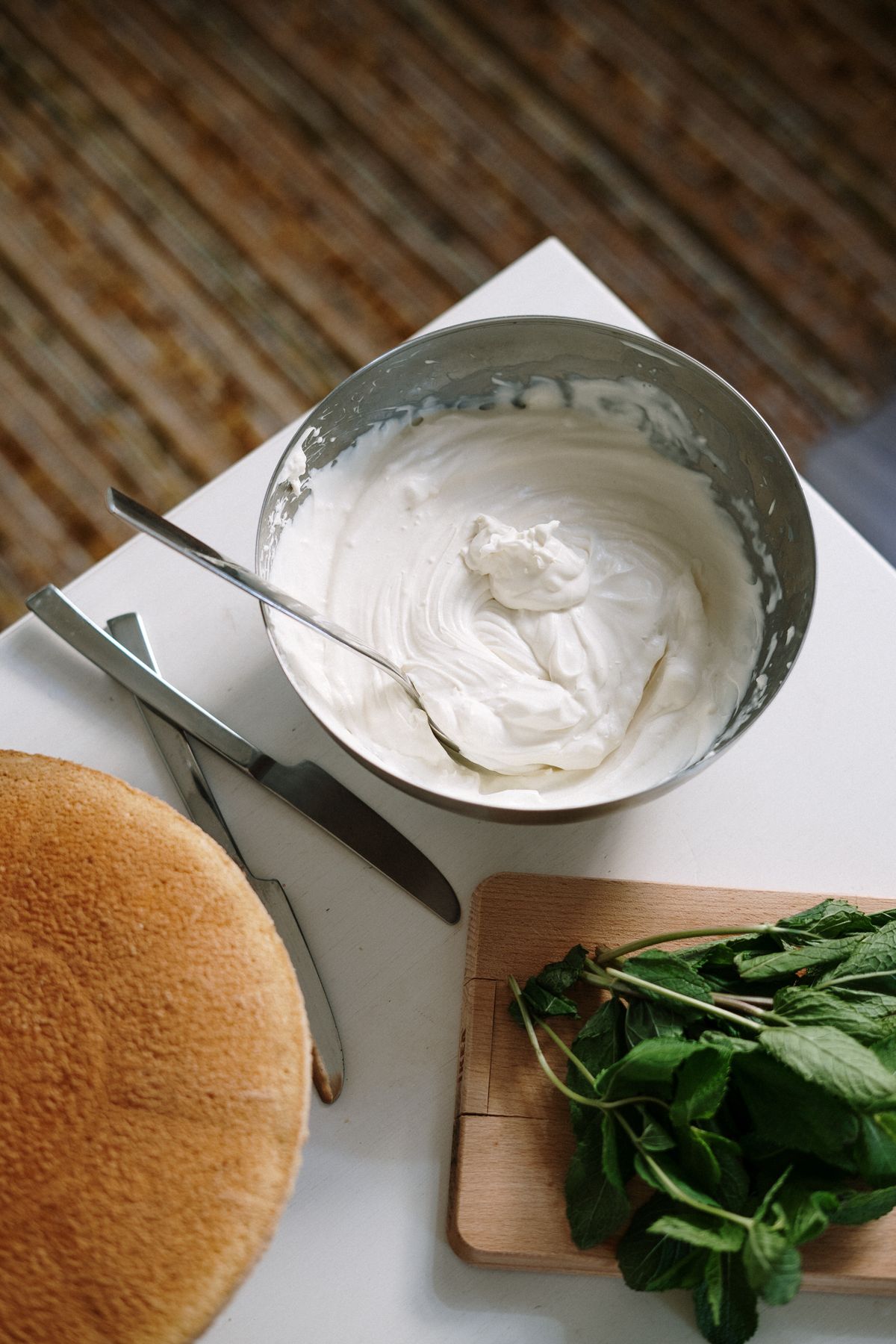
- In a small bowl or jar, combine kefir or yogurt, olive oil, lemon juice or apple cider vinegar, honey or maple (if using), garlic, herbs, salt, and pepper.
- Whisk until smooth and slightly thickened. If it seems too thick, thin with a teaspoon or two of water. Taste and adjust seasoning with more lemon, salt, or pepper.
- Chill in the refrigerator while you prepare the rest of the bowl. This lets flavors meld and the garlic soften.
4. Prep the Fresh & Fermented Toppings
- Wash and dry the leafy greens gently. If larger, tear into bite-size pieces.
- Dice the cucumber, grate or julienne the carrot, and slice the spring onions.
- If using fresh garlic as a topper, mince it very finely so it distributes evenly without overpowering any mouthful.
- Roughly chop the kimchi or sauerkraut if the pieces are large, so it’s easy to get a little in each bite.
- Dry-toast the nuts or seeds in a small skillet over medium heat for 2–3 minutes, stirring often, until fragrant. Let cool slightly.

5. Assemble the Microbiome Power Bowls
- Divide the warm grains among four wide bowls, spreading them to form a base.
- Spoon the chickpeas or beans over the grains.
- Arrange roasted vegetables, leafy greens, cucumber, and carrot in distinct sections on top, so you can see all the colors and textures.
- Add a generous spoonful of kimchi or sauerkraut to each bowl.
- Drizzle each bowl with a few tablespoons of kefir dressing, and sprinkle with toasted nuts or seeds and sliced spring onions. Add extra dollops of yogurt if desired.
Ingredient Substitutions & Dietary Adaptations
Make It Vegetarian or Vegan
- Use plant-based yogurt or kefir made with live cultures (such as soy or coconut yogurt) in place of dairy.
- Swap honey for maple syrup or omit sweetener in the dressing.
Gluten-Free Option
- Choose naturally gluten-free grains like quinoa, brown rice, buckwheat, or millet.
- Ensure your kimchi, miso, and other ferments are labeled gluten-free, as some brands may include wheat-based sauces.
Lower-FODMAP Adjustments (for Sensitive Guts)
- Reduce or skip onion and garlic; use the green tops of spring onions and garlic-infused oil instead.
- Choose smaller portions of beans or use firm tofu as a protein alternative.
- Use sauerkraut or kimchi varieties without onion or garlic if those are triggers.
Other Swaps
- Use roasted cauliflower, Brussels sprouts, or bell peppers instead of or in addition to broccoli and sweet potato.
- Top with a soft-boiled egg or grilled tempeh for extra protein.
- Add fresh herbs like basil, mint, or coriander for an extra flavor lift and more plant diversity.
Storage, Meal Prep & Reheating Guidelines
This Microbiome Power Bowl is very meal-prep friendly. With a little advance organization, you can have gut-supportive lunches ready for several days.
- Grains & beans: Store together or separately in airtight containers in the fridge for up to 4 days. Reheat in a microwave with a splash of water, or warm gently in a covered pan.
- Roasted vegetables: Keep in a separate container in the fridge for up to 3–4 days. Reheat in a hot oven or air fryer for crisp edges, or microwave for a softer texture.
- Dressing: Store in a jar in the fridge for up to 3 days. Shake before using; thin with a bit of water if it thickens.
- Fresh greens & crunchy veg: Store washed and dried in a sealed container with a paper towel to absorb moisture; use within 3–4 days for best texture.
- Fermented toppings: Keep refrigerated in their original jars and follow the use-by date. Use a clean utensil each time to maintain quality.
Serving Ideas & Complementary Gut-Friendly Dishes
Turn your Microbiome Power Bowl into the centerpiece of a gut-loving menu by pairing it with simple, comforting sides.
- Starter: A small cup of miso soup or a clear vegetable broth with sliced spring onions.
- Side salad: Mixed greens with olive oil, lemon, and a sprinkle of seeds or nuts.
- Refreshing drink: Lightly diluted kombucha or sparkling water with lemon and a few crushed berries.
- Simple dessert: Sliced slightly underripe banana with cinnamon and a spoon of plain yogurt or plant-based alternative.
Above all, remember that a microbiome-friendly lifestyle isn’t about perfection. It’s about gently, consistently inviting more color, fiber, fermentation, and joy onto your plate—and letting your gut thank you, one delicious bite at a time.
