
Blue Zone Magic: A Hearty Longevity Bean Stew Inspired by the World’s Longest-Lived Cultures
Longevity Bean Stew (Blue Zone–Inspired, Plant-Forward & Comforting)
Around every Blue Zone table—from the minestrone pots of Sardinia to the black bean stews of Nicoya—you’ll almost always find one humble hero: beans. This longevity bean stew is my warm, weeknight-friendly love letter to those traditions: a plant-forward, gently spiced pot of comfort built from pantry staples, fresh vegetables, and good olive oil.
While the Blue Zones themselves are scattered across the globe, their everyday food has a beautiful simplicity in common: lots of beans and greens, very little ultra-processed food, and portions that satisfy without leaving you heavy. This recipe brings those ideas into one cozy bowl you can happily eat on repeat—whether you’re curious about longevity diets or just want a deeply satisfying, vegetable-rich dinner.
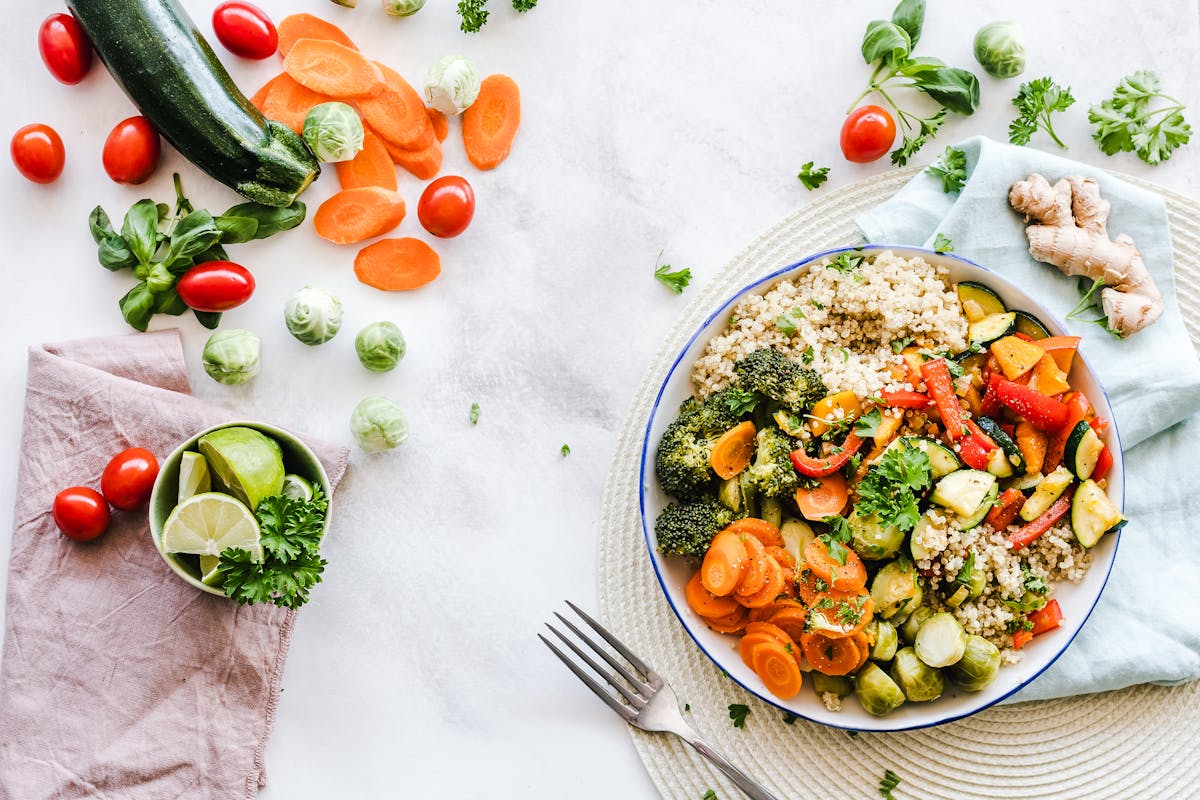
What Makes This a “Blue Zone–Inspired” Longevity Stew?
Blue Zones—like Okinawa in Japan, Sardinia in Italy, Nicoya in Costa Rica, Ikaria in Greece, and Loma Linda in California—are known for communities with unusually high numbers of people living into their 90s and 100s. While researchers point out that it’s not just about food (movement, social ties, and low stress all matter), their everyday meals share some delicious patterns:
- Plant-forward eating: Beans, whole grains, vegetables, fruits, and nuts are the main event; meat is a “sometimes” accent.
- Beans as daily staples: Think Sardinian minestrone with beans and barley, or Nicoya’s black beans and rice.
- Minimal ultra-processed foods: Very little refined sugar, white flour, or industrial snacks.
- Healthy fats & fermentation: Olive oil, nuts, seeds, and fermented foods like miso or sourdough.
- Mindful portions: In Okinawa, the idea of hara hachi bu—eating until you’re about 80% full.
This bean stew leans into those same principles: it’s built on beans and vegetables, gently seasoned, satisfying without being heavy, and made with simple, minimally processed ingredients you can find almost anywhere.
Think of this not as a “diet” recipe, but as an everyday comfort food that just happens to align beautifully with what we know about long-term health.
Equipment You’ll Need
One of the joys of Blue Zone–style cooking is how unfussy it is. You don’t need special gadgets—just a few basics:
- 1 large, heavy-bottomed pot or Dutch oven (4–6 quart)
- Cutting board and sharp knife
- Wooden spoon or heat-safe spatula
- Measuring cups and spoons
- Strainer or colander (for rinsing beans and greens)
- Ladle for serving
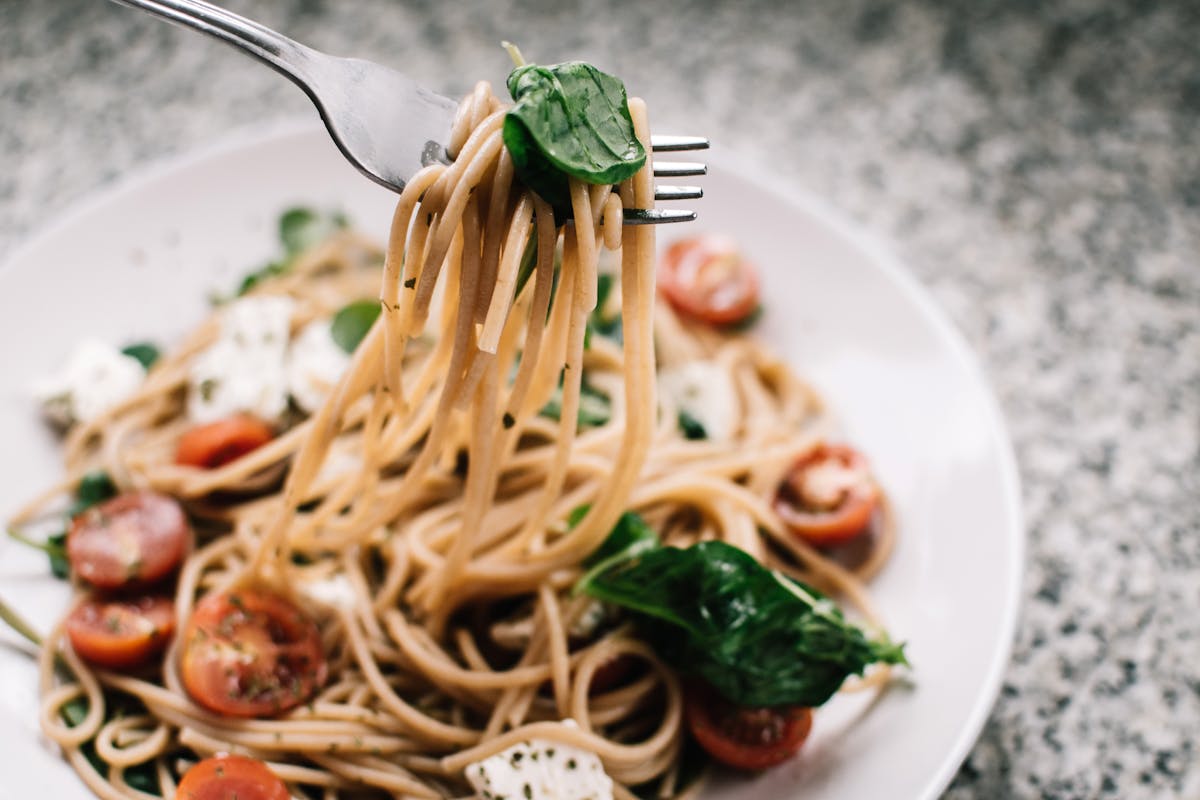
Ingredients for Longevity Bean Stew
This recipe uses a mix of beans to echo the variety you see across Blue Zones. Feel free to adapt to what you have in your pantry.
Core Ingredients
- 2 tbsp extra-virgin olive oil
- 1 large yellow onion, finely chopped
- 2 medium carrots, diced small
- 2 stalks celery, diced small
- 3 cloves garlic, minced
- 1 medium red bell pepper, diced
- 1 tsp sea salt, plus more to taste
- Freshly ground black pepper, to taste
Beans & Grains
- 1 cup cooked chickpeas (or 1 can, drained and rinsed)
- 1 cup cooked cannellini or white beans (or 1 can, drained and rinsed)
- 1 cup cooked black beans (or 1 can, drained and rinsed)
- 1/2 cup pearled barley or whole-grain farro (for a Sardinian touch)
Liquids & Seasoning
- 1 can (14–15 oz) crushed tomatoes or tomato passata
- 4 cups low-sodium vegetable broth (plus more as needed)
- 1 tsp dried oregano
- 1 tsp dried thyme
- 1 tsp smoked paprika (or sweet paprika)
- 1 bay leaf
Greens & Finishing Touches
- 3 cups loosely packed chopped leafy greens (kale, chard, or spinach)
- 2 tbsp fresh parsley, chopped
- 1–2 tbsp fresh lemon juice, to brighten
- Optional: 1–2 tbsp nutritional yeast for a savory depth
- Optional: Red pepper flakes for gentle heat
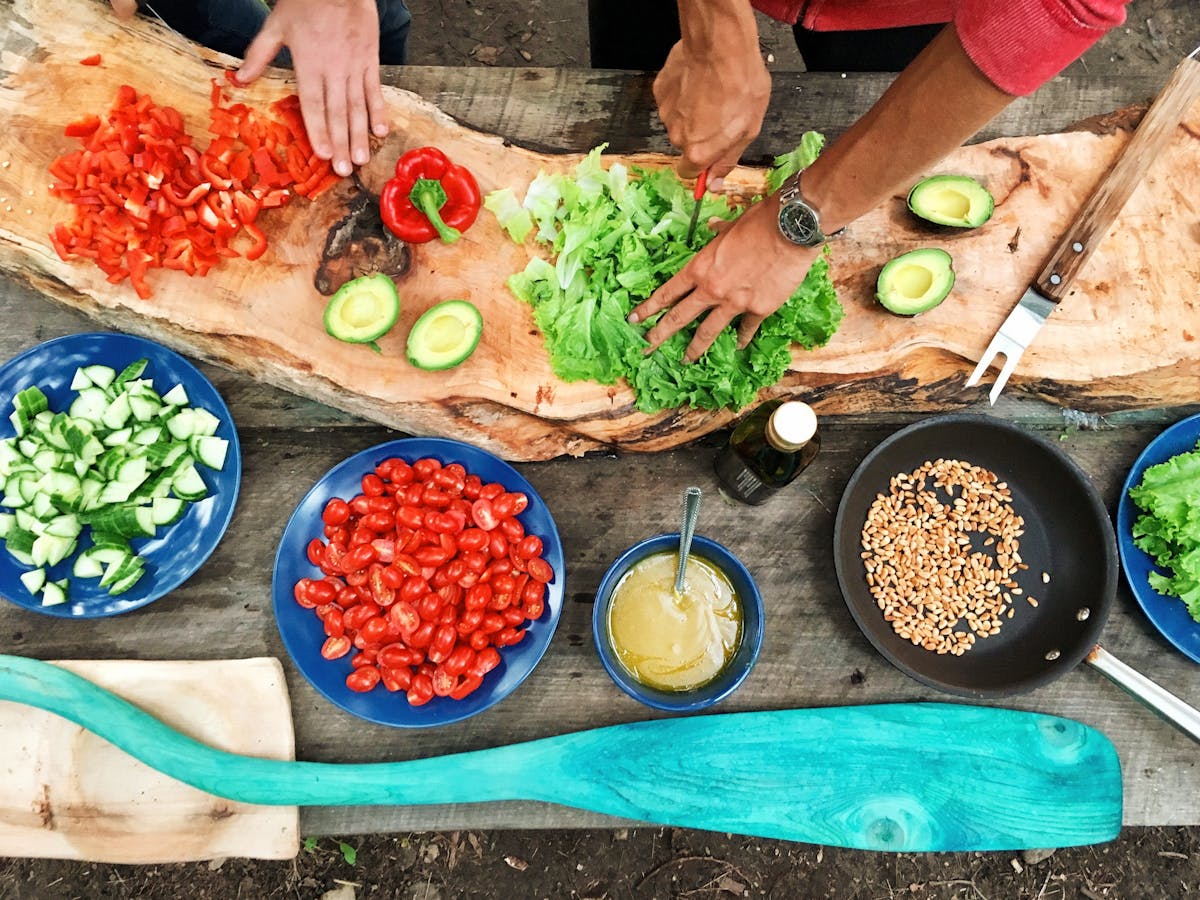
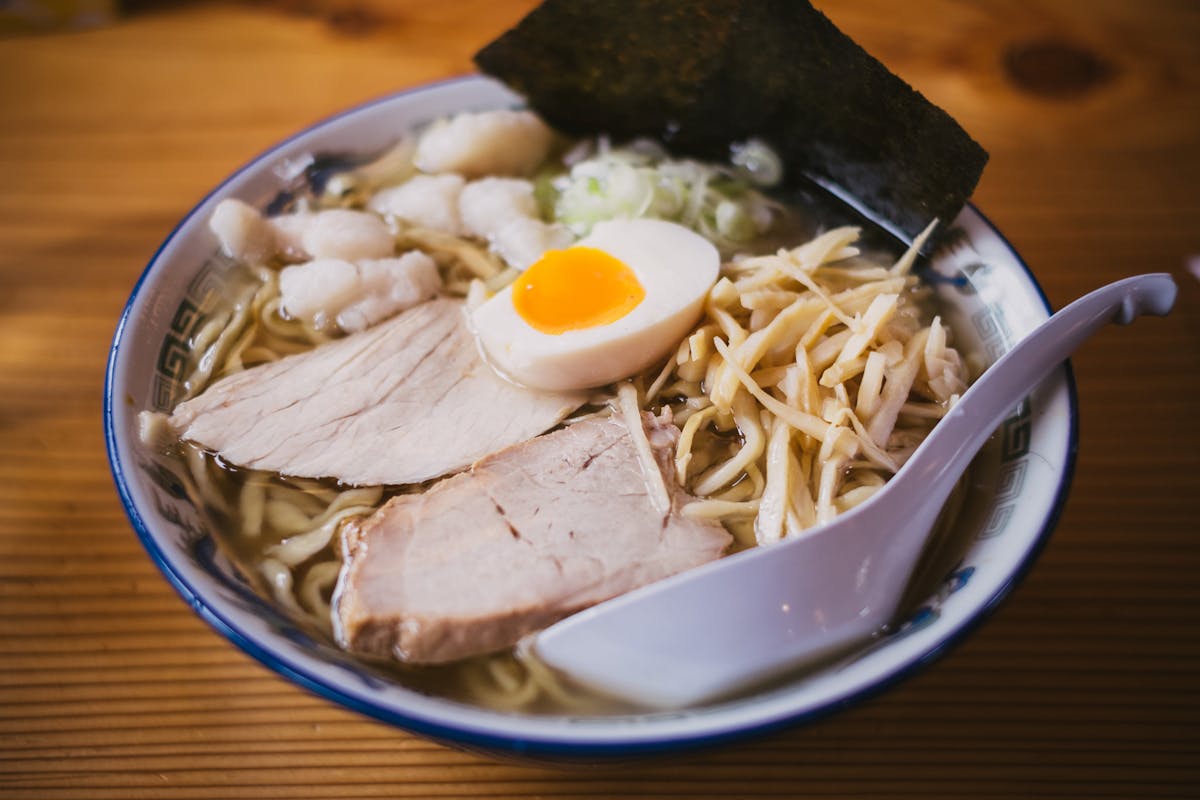
Visual Guide: From Chopping Board to Cozy Bowl
For newer cooks, seeing each stage can be reassuring. Here’s what your stew might look like along the way.


Step-by-Step Cooking Instructions
Take your time and enjoy the process—this is the kind of food that rewards unhurried, mindful cooking.
- Prep your vegetables.
Finely chop the onion, dice the carrots and celery, and chop the bell pepper. Mince the garlic. Rinse and drain your beans if using canned. Rinse your greens, then chop them into bite-sized pieces. - Sauté the aromatics.
Heat the olive oil in your pot over medium heat. Add the onion, carrots, and celery with a pinch of salt. Cook, stirring occasionally, for 6–8 minutes until the onions turn translucent and the vegetables begin to soften and smell sweet. - Add garlic and bell pepper.
Stir in the garlic and red bell pepper. Cook for another 2–3 minutes until fragrant. You should smell a warm, savory aroma, but avoid browning the garlic. - Season the base.
Sprinkle in the oregano, thyme, smoked paprika, and a few grinds of black pepper. Stir for about 30 seconds to toast the spices lightly—they should bloom and become fragrant. - Build the stew.
Add the crushed tomatoes, vegetable broth, barley (or farro), and bay leaf. Stir well, scraping up any bits stuck to the bottom of the pot. - Simmer with beans.
Add the chickpeas, white beans, and black beans. Bring the mixture to a gentle boil, then reduce the heat to low and simmer, partially covered, for 25–30 minutes, stirring occasionally. The grains should become tender, and the broth should thicken into a rich stew. - Add the greens.
Stir in the chopped greens. Simmer for another 5 minutes (less if using tender spinach) until the greens are wilted and bright but not mushy. - Finish and taste.
Turn off the heat. Remove the bay leaf. Stir in the lemon juice (start with 1 tbsp, then add more to taste), parsley, and nutritional yeast if using. Taste and adjust with more salt, pepper, or lemon as needed. The stew should taste balanced, savory, and gently bright. - Serve mindfully.
Ladle the stew into warm bowls. Drizzle each serving with a few drops of extra-virgin olive oil and add a sprinkle of fresh herbs or red pepper flakes if you like. Take a breath, and practice your own version of hara hachi bu—eat until pleasantly satisfied, not stuffed.
Storage, Meal Prep & Reheating
Like many bean stews and minestrone, this dish often tastes even better the next day as the flavors mingle.
- Fridge: Cool completely, then store in an airtight container for up to 4–5 days.
- Freezer: Portion into freezer-safe containers, leaving a little headspace. Freeze for up to 3 months. Thaw overnight in the fridge.
- Reheating on the stove: Warm gently over low–medium heat, adding a splash of water or broth if it has thickened. Stir occasionally until steaming hot.
- Reheating in the microwave: Heat in a covered, microwave-safe bowl in 60–90 second bursts, stirring in between, until hot throughout.
- Freshen the flavor: When reheating, revive with a squeeze of lemon, a drizzle of olive oil, and a pinch of fresh herbs.
Serving Ideas & Complementary Dishes
In Blue Zones, meals are often part of a simple, shared table: a pot of beans, some greens, maybe a piece of bread, and always good company. You can recreate that spirit easily.
- With whole grains: Serve over a scoop of brown rice, barley, or quinoa for extra staying power.
- With rustic bread: Pair with a slice of whole-grain sourdough or a hearty seeded loaf, lightly toasted.
- With a simple salad: A side of chopped tomatoes, cucumber, olives, and herbs with a drizzle of olive oil and vinegar keeps things fresh and vibrant.
- With herbal tea: Sip a cup of herbal tea (like Ikaria-style mountain tea or chamomile) after your meal for a soothing finish.
- Family-style: Place the pot in the center of the table and let everyone serve themselves—an easy way to build that communal, Blue Zone feel.
How This Stew Fits Into a Longevity-Focused Way of Eating
Modern research increasingly supports what Blue Zone kitchens have practiced for generations: high-fiber, minimally processed, plant-rich meals are linked with lower rates of heart disease, type 2 diabetes, and some cancers. This stew is:
- Fiber-rich: Beans, vegetables, and whole grains together offer gut-friendly fiber.
- Plant-protein powered: Beans supply steady, satisfying protein without heavy saturated fat.
- Full of micronutrients: Leafy greens and colorful vegetables bring vitamins, minerals, and protective phytonutrients.
- Modest in calories, big on satisfaction: The combination of fiber, protein, and water helps you feel pleasantly full on reasonable portions.
Of course, no single recipe is a magic key to longevity. But building your everyday meals around dishes like this—rich in beans, greens, and whole foods—can be a delicious, sustainable step toward a longer healthspan.
Recipe Metadata
The following structured data helps search engines understand and share this Blue Zone–inspired recipe more effectively.
