
Gut Health 2.0 Feast: A Microbiome-Loving Bowl with Ferments, Polyphenols, and Crunch
Gut Health 2.0 is all about feeding your microbiome with colorful, plant-forward meals rich in fermented foods, fiber, and polyphenols. In the spirit of this “microbiome diet” trend, this recipe creates a vibrant, gut-healthy grain bowl layered with tender whole grains, creamy fermented yogurt or kefir dressing, crunchy vegetables, legumes, and herb-packed toppings that feel as joyful to eat as they are supportive for digestion.
Gut-Healthy Microbiome Power Bowl (Fermented Grain Bowl)
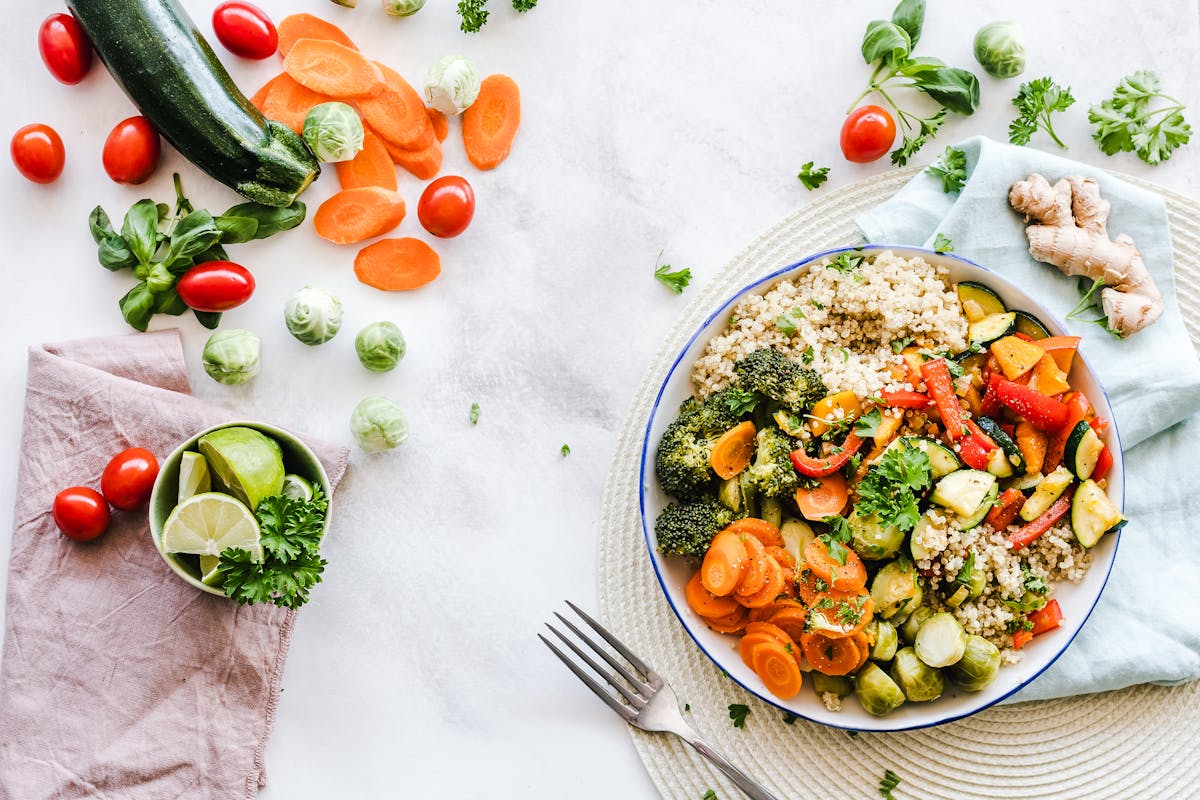
Think of this as a Mediterranean-meets-Korean-inspired bowl tailored for your microbiome: chewy whole grains and legumes for fiber and resistant starch, kimchi or sauerkraut for live cultures, colorful vegetables and berries for polyphenols, and extra-virgin olive oil and seeds for healthy fats. It’s flexible, deeply satisfying, and perfect for a “gut-healthy day of eating.”
Prep time: 25 minutes (plus grain cooking time if needed)
Cook time: 25–30 minutes (for grains/roasted veggies)
Total time: 30–45 minutes
Servings: 2 generous bowls (easily doubled)
Difficulty: Easy, beginner-friendly
Dietary: Gut-healthy, high-fiber, Mediterranean-style; easily vegetarian and gluten-free adaptable
How This Recipe Fits Gut Health 2.0 & the Microbiome Diet
Gut Health 2.0 goes beyond “take a probiotic.” It’s about patterns: fermented foods, plant diversity, and polyphenol-rich ingredients that help nourish a resilient gut microbiome and may support digestion, immunity, and even mood via the gut–brain axis.
- Fermented foods: Kimchi or sauerkraut plus a tangy yogurt or kefir dressing bring live cultures to the bowl.
- Plant diversity: Whole grains, beans, nuts or seeds, herbs, spices, and multiple veggies help you hit that 20–30 plants-per-week goal.
- Polyphenols: Extra-virgin olive oil, colorful vegetables, berries (optional), and herbs bring antioxidant-rich plant compounds.
- Resistant starch & fiber: Cooled whole grains and legumes provide fermentable fibers that gut microbes turn into short-chain fatty acids.
Instead of restriction, this bowl leans into diversity—lots of different plant foods in one delicious, comforting meal.

Equipment You’ll Need
- Medium saucepan or rice cooker (for grains)
- Baking tray and parchment paper (for roasting vegetables)
- Mixing bowl (for dressing)
- Cutting board and sharp knife
- Measuring spoons and cups
- 2 serving bowls
Ingredients for a Gut-Healthy Fermented Grain Bowl
For the Grain & Legume Base
- 1 cup cooked and cooled whole grains (quinoa, brown rice, farro, barley, or buckwheat; use gluten-free grains if needed)
- 1 cup cooked legumes (chickpeas, lentils, black beans, or mixed beans), rinsed and drained if canned
- 1 tbsp extra-virgin olive oil
- 1/2 tsp ground cumin
- 1/2 tsp smoked or sweet paprika
- Sea salt and freshly ground black pepper, to taste
For the Roasted & Fresh Vegetables
- 1 small sweet potato or 2 small carrots, cubed
- 1 small red onion, sliced into wedges
- 1 cup small broccoli or cauliflower florets
- 1 cup fresh vegetables, thinly sliced (e.g., cucumber, radish, bell pepper, or shredded cabbage)
- 1–2 tbsp olive oil for roasting
Fermented & Polyphenol-Rich Toppings
- 1/2–3/4 cup kimchi or raw sauerkraut (unpasteurized, with live cultures)
- 2 tbsp fermented pickles (optional)
- 2 tbsp fresh herbs (parsley, cilantro, mint, dill, or a mix), chopped
- 2 tbsp pomegranate arils or chopped berries (blueberries, blackberries, or raspberries)
- 2 tbsp mixed nuts and seeds (pumpkin seeds, sunflower seeds, walnuts, or almonds), lightly toasted
For the Fermented Yogurt or Kefir Dressing
- 1/2 cup plain Greek yogurt or plain kefir (use plant-based yogurt with live cultures for dairy-free)
- 1 tbsp extra-virgin olive oil
- 1–2 tsp lemon juice or apple cider vinegar
- 1 small garlic clove, finely grated or minced (optional, may be omitted for sensitive tummies)
- 1–2 tsp finely chopped herbs (dill, parsley, or chives)
- Sea salt and pepper, to taste
Step-by-Step Instructions
1. Cook and Cool the Grains (Resistant Starch Boost)
- Cook your chosen whole grain according to package directions.
- Spread the hot grains on a plate or shallow dish and let them cool until just warm or room temperature. Cooling helps form resistant starch, a favorite fuel for beneficial gut microbes.
2. Roast the Vegetables
- Preheat the oven to 400°F (200°C). Line a baking tray with parchment paper.
- Toss sweet potato or carrot cubes, red onion, and broccoli or cauliflower with 1–2 tbsp olive oil, plus a pinch of salt and pepper.
- Spread in a single layer and roast for 18–22 minutes, stirring once, until tender and slightly caramelized at the edges.
3. Season the Grains and Legumes
- In a mixing bowl, combine the cooled grains and cooked legumes.
- Drizzle with 1 tbsp olive oil, then sprinkle in cumin and paprika.
- Toss gently, taste, and season with salt and pepper. The grains should be flavorful but not overpowering—the ferments and dressing will add more personality later.
4. Make the Fermented Yogurt/Kefir Dressing
- In a small bowl, whisk together yogurt or kefir, olive oil, lemon juice or apple cider vinegar, garlic (if using), and chopped herbs.
- Season with a pinch of salt and pepper. The dressing should be creamy, tangy, and pourable—add a spoonful of water if you prefer a thinner drizzle.
5. Prep the Fresh Veggies and Toppings
- Thinly slice your fresh vegetables so they add crunch without being hard to chew.
- Chop the herbs and lightly toast nuts/seeds in a dry pan over low heat for 2–3 minutes, until fragrant (watch closely so they don’t burn).
- If using berries or pomegranate arils, have them ready in a small bowl.
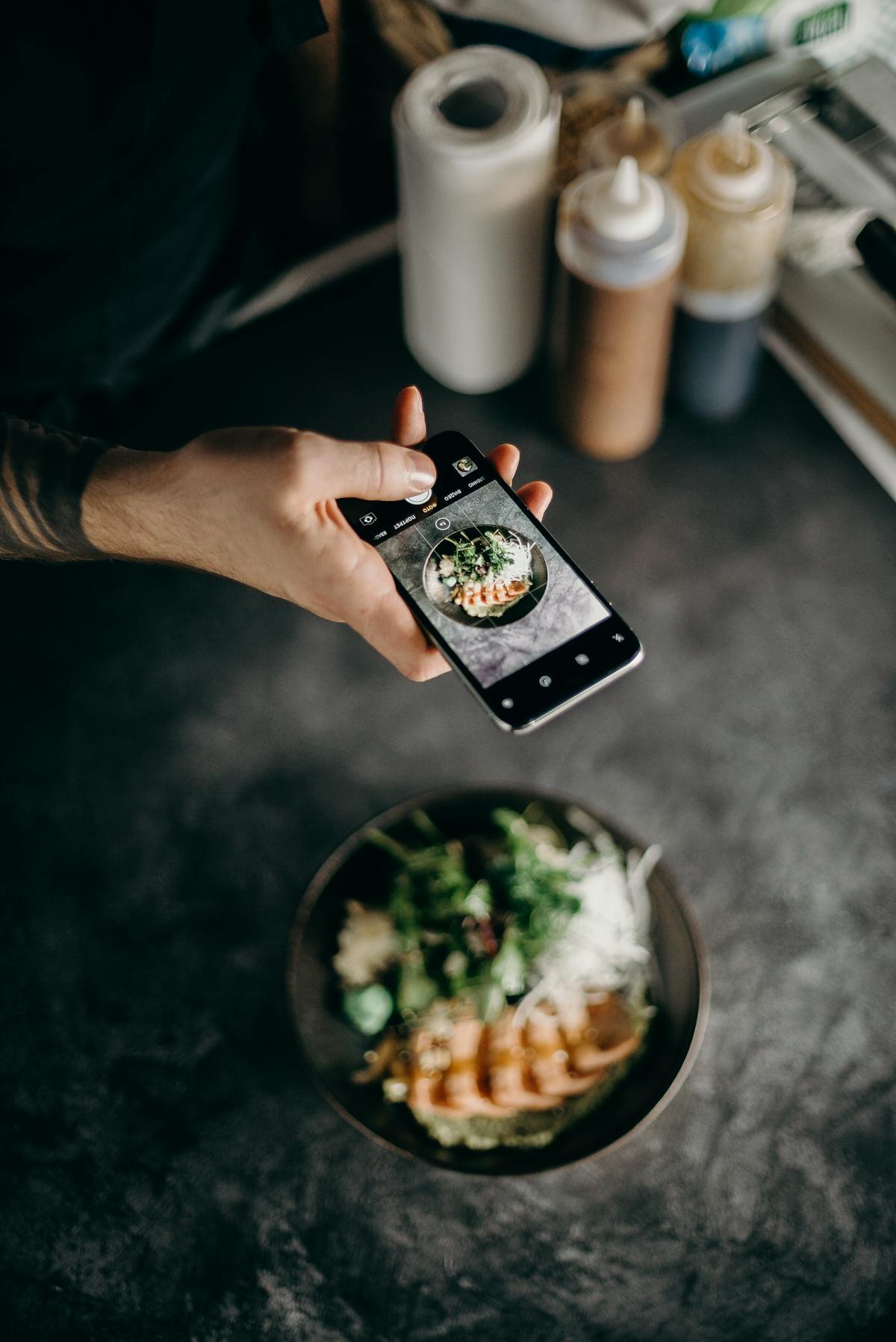
6. Assemble Your Gut-Healthy Microbiome Bowl
- Divide the seasoned grain-legume mixture between two bowls, creating a cozy base.
- Arrange roasted vegetables, fresh vegetables, and kimchi or sauerkraut in separate “pockets” over the grains, so every bite is a little different.
- Add fermented pickles if using, then sprinkle over herbs, nuts, and seeds.
- Drizzle generously with the yogurt or kefir dressing.
- Finish with pomegranate arils or berries for a burst of color and gentle sweetness.
Substitutions, Variations, and Dietary Adaptations
Make It Vegan or Dairy-Free
- Use a plain plant-based yogurt (soy, coconut, almond, or oat) that clearly states it contains live active cultures.
- Skip kefir unless you find a plant-based version with added cultures.
Make It Gluten-Free
- Choose naturally gluten-free grains such as quinoa, brown rice, buckwheat, or millet.
- Double-check that your kimchi, miso (if adding), and other condiments are gluten-free.
Low-FODMAP or Gentler on Sensitive Guts
- Use small portions of legumes (e.g., 1/4–1/3 cup per serving) and build up over time.
- Swap onion and garlic for the green tops of scallions or chives, and use garlic-infused oil instead of fresh garlic.
- Choose lower-FODMAP vegetables like carrots, bell peppers, and small amounts of broccoli heads (avoid large amounts of stems).
Flavor Variations
- Mediterranean Microbiome Bowl: Use quinoa, chickpeas, cucumber, tomato, olives, and sauerkraut with a lemon-herb yogurt dressing.
- Korean-Inspired Gut Bowl: Use brown rice, edamame or tofu, kimchi, sesame seeds, and a gochujang-spiked yogurt drizzle (if tolerated).
- Breakfast Gut Bowl: Use oats or barley, kefir dressing, berries, nuts/seeds, and a spoon of sauerkraut on the side.
Storage, Meal Prep, and Reheating
This microbiome-friendly bowl is perfect for meal prep and “gut reset” weeks focused on gentle, fiber-rich meals.
Storage
- Grains & legumes: Store together in an airtight container in the fridge for up to 4 days.
- Roasted vegetables: Keep in a separate container for 3–4 days.
- Dressing: Store in a jar or small container for up to 3 days; stir before using.
- Ferments: Keep kimchi and sauerkraut in their jars in the fridge; use a clean utensil each time.
Reheating and Serving
- Reheat grains, legumes, and roasted vegetables gently in a skillet with a splash of water, or in the microwave until warm but not piping hot.
- Add fermented foods and dressing after reheating to preserve as many live cultures as possible.
- For a cold “salad bowl,” simply assemble from the fridge, thin the dressing if needed, and enjoy.
Serving Suggestions & Complementary Dishes
This Gut Health 2.0 grain bowl is a complete, high-fiber, plant-forward meal on its own, but you can easily build it into a full microbiome-supportive spread.
- Pair with a green tea or lightly sweetened herbal infusion for extra polyphenols.
- Serve alongside a small bowl of miso soup (using unpasteurized miso added off the heat) for added fermented goodness.
- Finish with a simple berry and dark chocolate square dessert: fresh berries plus a piece of 70–85% dark chocolate continues the polyphenol theme.
- For a “gut-healthy day of eating,” enjoy this bowl for lunch, then a lighter lentil or bean soup with extra-virgin olive oil and herbs at dinner.
Over time, tuning into how your body feels after these meals—energy, digestion, even mood—can be a gentle, empowering way to explore the gut–brain connection that so many podcasts and creators are now spotlighting.

Recipe Schema Markup
The following structured data helps search engines understand this gut-healthy recipe:
