
Why Everyone’s Ditching Ultra‑Processed Foods for the Whole‑Food Flex
Ultra‑Processed Foods Backlash and the Rise of the Whole‑Food Flex
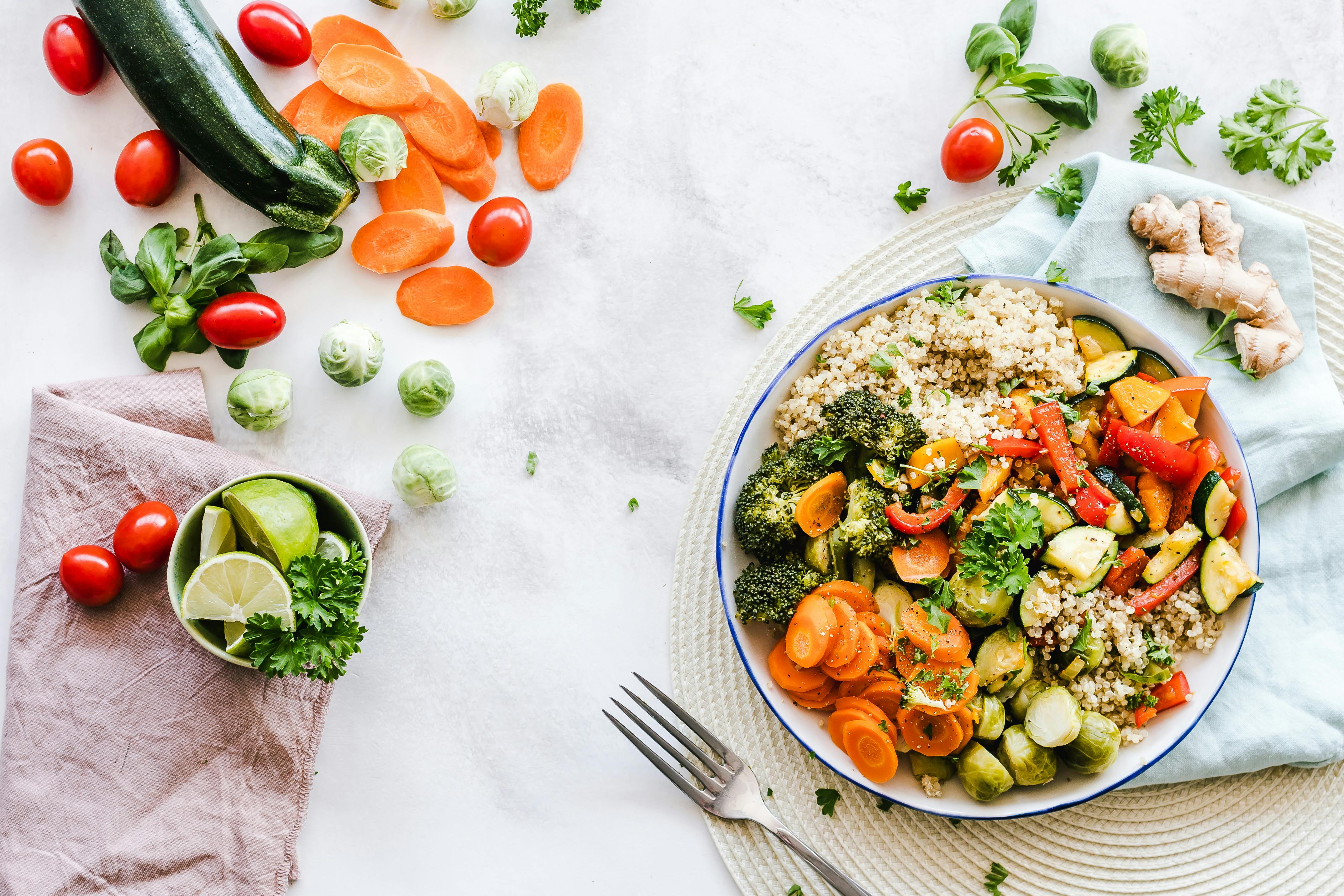
Walk through any grocery store and you’ll feel it: a quiet rebellion against the neon boxes and crinkly snack bags that line the aisles. As research and popular documentaries spotlight the health risks associated with ultra‑processed foods, more people are turning toward vibrant, minimally processed, whole‑food meals—what many on social media proudly call the “whole‑food flex.” Instead of chasing another rigid diet, this movement is about filling your plate with ingredients your grandparents would recognize, boosting flavor, energy, and health in a way that feels joyful rather than restrictive.
In this guide, we’ll unpack what ultra‑processed foods really are, explore why they’re under fire, and share practical, delicious ways to shift your everyday eating toward nourishing whole‑food dishes—without losing the convenience and comfort that modern life sometimes requires.
What Are Ultra‑Processed Foods (UPFs)?
Ultra‑processed foods, often called UPFs, sit at the far end of the processing spectrum. Using classification systems like NOVA, researchers describe them as industrial formulations made mostly from:
- Substances extracted from foods (refined oils, starches, sugars, protein isolates)
- Ingredients derived from further processing (high‑fructose corn syrup, modified starches)
- Additives used to tweak flavor, texture, and shelf life (emulsifiers, colorants, flavorings, sweeteners)
Think of items like sugary breakfast cereals, packaged pastries, many frozen entrées, soda and energy drinks, candy bars, instant noodles, and some highly engineered plant‑based “meats.” They’re often hyper‑palatable—crunchy, salty, sweet, and incredibly convenient—but usually low in fiber and key micronutrients compared with whole‑food alternatives.

Why Ultra‑Processed Foods Are Facing a Backlash
The shift didn’t happen overnight. Over the past decade, observational studies and metabolic ward trials have linked high intakes of UPFs with:
- Higher body weight and increased risk of obesity
- Greater incidence of metabolic conditions like type 2 diabetes
- Increased rates of heart disease and certain cancers in some cohorts
- Poorer overall diet quality—less fiber, fewer whole plants, more added sugars
Bestselling books and documentaries translated this science into vivid stories. Suddenly, social feeds filled with side‑by‑side photos: one plate piled with fries, nuggets, and neon‑colored drinks; another brimming with roasted vegetables, grains, and simply cooked proteins. People started to ask, “What exactly am I eating?”
Real‑world experiences fueled the backlash too. Participants in 30‑day “no UPF” challenges often report steadier energy, better digestion, and improved sleep—not just because they cut out packaged foods, but because they made room for nutrient‑dense, satiating meals.
“It wasn’t that I suddenly became ‘perfect’ with food,” one challenge participant shared. “I just started cooking simple meals with real ingredients, and my cravings slowed down on their own.”
Not All Processing Is Bad: Finding the Sweet Spot
Here’s where dietitians and researchers add much‑needed nuance: processing itself isn’t the enemy. In fact, some processing makes food safer, more affordable, and more nutritious.
Helpful, minimally processed or “processed but beneficial” foods include:
- Frozen vegetables and fruits – picked at peak ripeness, often higher in certain nutrients than “fresh” produce that’s been in transit.
- Canned beans – budget‑friendly fiber and plant protein; just drain and rinse.
- Plain yogurt, kefir, and cheese – cultured dairy with simple ingredient lists.
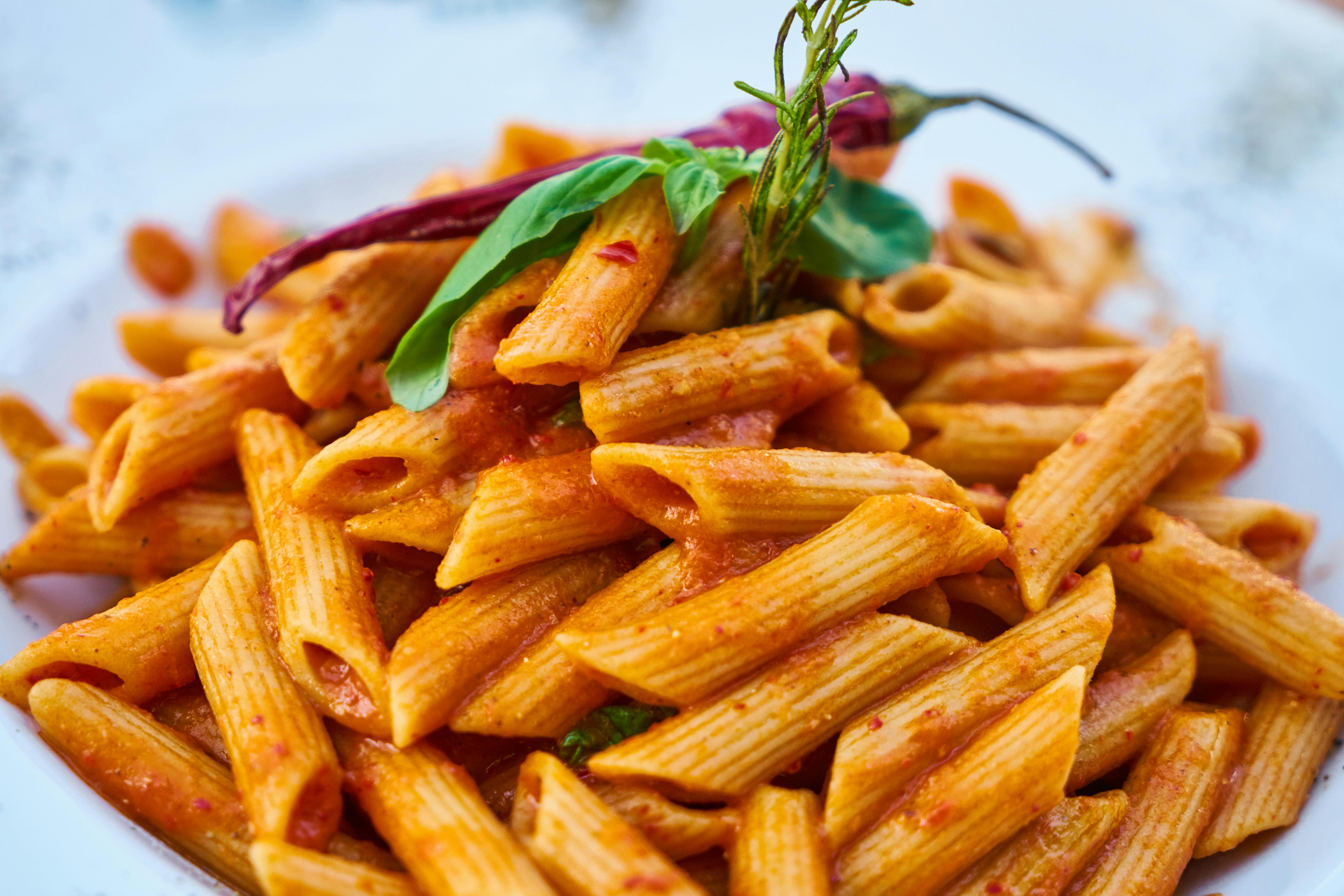
- Whole‑grain bread and pasta – technically processed, but rich in fiber and complex carbs.
- Fortified foods – like iodized salt or iron‑fortified cereals, which can help fill nutrient gaps.

The “Whole‑Food Flex”: A Modern, Realistic Approach
The whole‑food flex isn’t a formal diet with strict rules. It’s a cultural shift—a way to signal, “I care about what I eat, but I also live in the real world.” On TikTok, Instagram, and YouTube, you’ll see:
- 30‑day “no UPF” challenges with honest check‑ins about energy, mood, and cravings.
- Grocery hauls that spotlight “UPF swaps,” like plain yogurt plus berries instead of sugary flavored cups.
- Label‑reading tutorials that break down emulsifiers, artificial sweeteners, and preservatives in plain language.
- “Ingredient‑list minimalism”—celebrating products with just a handful of recognizable ingredients.
Celebrity trainers, musicians, and actors sometimes credit a mostly whole‑food diet with feeling lighter, stronger, and more mentally clear. But for many everyday eaters, the appeal is simpler: food that smells like roasted garlic and fresh herbs, feels hearty and satisfying, and leaves you energized rather than sluggish.
Social Status, Identity, and the Appeal of Simpler Food
Food is never just fuel. In 2026, it’s also identity, performance, and sometimes, subtle status. Posting a shot of your grain bowl loaded with local vegetables and soft‑boiled eggs sends a message: you’re informed, intentional, and in control of your health.
This can be empowering—sharing recipes and shopping tips genuinely helps others. But it can also create pressure to eat “perfectly” or align with whatever style is trending: Mediterranean, “pro‑metabolic,” real‑food, ancestral, or plant‑forward. The healthiest approach blends inspiration with flexibility, using trends as tools rather than rigid rules.
Walking the Line: Health, Access, and Avoiding Food Fear
Experts caution against turning the UPF conversation into a moral battleground. In many communities, ultra‑processed foods are popular because they’re:
- Often cheaper per calorie than fresh produce or high‑quality protein
- More accessible in areas with limited grocery options
- Long‑lasting, reducing food waste for families on tight budgets
- Time‑saving for people working multiple jobs or managing caregiving responsibilities
Over‑demonizing UPFs can unintentionally shame people for simply doing their best. It can also push some toward overly rigid or obsessive eating patterns, sometimes described as orthorexia‑like tendencies—where the pursuit of “clean” eating overshadows social life and mental well‑being.
A healthier, more compassionate message is gaining ground: build your diet around minimally processed, nutrient‑dense foods when you can, and use processed options strategically for practicality.
How to Gently Shift from Ultra‑Processed to Whole‑Food Eating
You don’t need a full pantry makeover to benefit from the whole‑food flex. Start with one or two small, satisfying upgrades, then build from there. Here are practical ideas you can tailor to your taste and budget.
1. Focus on Additions, Not Just Subtractions
- Add a handful of vegetables to at least two meals per day.
- Include a source of protein (eggs, beans, lentils, yogurt, fish, poultry) at most meals.
- Swap at least one refined grain (white bread, standard pasta) for a whole‑grain option.
2. Try Simple “UPF Swaps”
- Breakfast: Sweetened cereal → oats cooked with milk or yogurt, topped with fruit and nuts.
- Snacks: Flavored chips → roasted nuts, seeds, or air‑popped popcorn with olive oil and herbs.
- Drinks: Soda → sparkling water with citrus slices or a splash of 100% juice.
- Sauces: Long‑ingredient bottled dressings → olive oil, lemon, salt, pepper, and herbs.
3. Build a Whole‑Food Pantry that Works for You
Stocking a few versatile basics makes home cooking quicker and more appealing:
- Canned beans (chickpeas, black beans, lentils)
- Whole grains (oats, brown rice, quinoa, barley)
- Frozen vegetables and fruits
- Tinned fish (tuna, salmon, sardines)
- Olive oil, vinegar, garlic, onions, dried herbs, and spices

A Friendly Mini‑Guide to Reading Food Labels
Ingredient lists don’t have to be intimidating. With a bit of practice, you’ll spot ultra‑processed patterns quickly—without obsessing over every single additive.
- Scan the first three ingredients. They make up most of the product. If they’re sugar, refined flour, or oil, it’s likely more treat than staple.
- Look for whole‑food words. Oats, chickpeas, tomatoes, olive oil, nuts, seeds, and spices are all promising signs.
- Notice long lists of additives. Emulsifiers, artificial sweeteners, and colorants often indicate ultra‑processing. They’re not inherently “poison,” but they’re markers of a more engineered product.
- Compare brands. Sometimes one brand’s product is dramatically simpler and more whole‑food‑centric than another’s.

A 20‑Minute Whole‑Food Flex Bowl (Recipe)
To show how approachable this style of eating can be, here’s a flexible, nutrient‑dense bowl you can customize with what you have on hand. It leans on minimally processed staples like canned beans and frozen veggies for maximum ease and flavor.
Recipe Snapshot
- Prep time: 10 minutes
- Cook time: 10 minutes
- Total time: 20 minutes
- Servings: 2 bowls
- Difficulty: Easy, beginner‑friendly
- Dietary: Vegetarian, easily made vegan & gluten‑free

Ingredients
- 1 cup cooked whole grains (brown rice, quinoa, or barley)
- 1 cup canned beans, drained and rinsed (chickpeas, black beans, or lentils)
- 1 cup mixed vegetables (fresh or frozen; e.g., broccoli, carrots, bell peppers)
- 1 tbsp olive oil
- 1 small clove garlic, minced
- 1/2 tsp ground cumin or smoked paprika
- Sea salt and freshly ground black pepper, to taste
- 1/2 avocado, sliced (optional but delicious)
- 2 tbsp plain yogurt or tahini (for sauce)
- 1 tbsp lemon juice or apple cider vinegar
- Small handful of fresh herbs (parsley, cilantro, or green onion), chopped
Equipment
- Cutting board and knife
- Medium skillet or frying pan
- Small saucepan or microwave‑safe dish (for grains)
- Mixing bowl and spoon (for sauce)
- Measuring spoons and cup
Instructions
- Warm the grains. If your whole grains are pre‑cooked, reheat them in a small saucepan over low heat with a splash of water, or microwave until hot and fluffy. If they’re freshly cooked, keep them warm.
- Sauté aromatics. In a skillet over medium heat, add the olive oil. When it shimmers, add the minced garlic and cook for 30–60 seconds until fragrant, stirring so it doesn’t brown.
- Cook the vegetables. Add the mixed vegetables to the skillet. Sauté for 3–5 minutes (a bit longer if frozen) until they’re bright, tender‑crisp, and slightly caramelized at the edges.
- Add beans and spices. Stir in the drained beans, cumin or smoked paprika, a pinch of salt, and pepper. Cook for another 2–3 minutes, letting the flavors mingle and the beans warm through.
- Make the sauce. In a small bowl, combine yogurt or tahini with lemon juice and a pinch of salt. Whisk, adding a teaspoon or two of water as needed until it’s pourable and creamy.
- Assemble your bowls. Divide the warm grains between two bowls. Top with the bean‑and‑veg mixture. Nestle avocado slices on the side, scatter over chopped herbs, and finish with a generous drizzle of the sauce.
- Taste and adjust. Add an extra squeeze of lemon, a sprinkle of salt, or a dash of hot sauce if you like a kick. Enjoy immediately, while everything is warm and fragrant.
Storage & Reheating
- Fridge: Store grains and bean‑veg mixture in airtight containers for up to 3 days.
- Sauce: Keeps in the fridge for 3–4 days; stir before using.
- Reheating: Warm grains and beans together on the stovetop with a splash of water, or microwave until hot. Add avocado and herbs fresh just before serving.
Serving Suggestions and Whole‑Food Pairings
To round out your whole‑food flex meals, pair the bowl (or similar dishes) with:
- A crisp side salad with olive oil, lemon, and toasted seeds
- Fresh fruit—sliced oranges, berries, or apple wedges—for a juicy, naturally sweet finish
- Herbal tea or sparkling water with citrus and herbs instead of sugary drinks
Over time, these simple, colorful meals become their own kind of comfort food: the scent of garlic sizzling in olive oil, the warmth of a freshly cooked grain, the crunch of lightly cooked vegetables, and the creaminess of beans and avocado all working together to make “eating healthier” feel indulgent rather than restrictive.
Bringing the Whole‑Food Flex into Your Everyday Life
The backlash against ultra‑processed foods is, at its heart, a longing for food that feels real again—food that nourishes, satisfies, and connects us to our bodies and communities. You don’t have to swear off every package to join this movement. Instead, aim for a gentle shift:
- Let vegetables, fruits, legumes, whole grains, nuts, seeds, eggs, fish, and unprocessed meats form the base of your meals.
- Use processed items thoughtfully, choosing simpler ingredient lists when possible.
- Notice how you feel—energy, digestion, mood—as you nudge your diet toward more whole‑food choices.
Most of all, keep it kind and flexible. Celebrate every small win—a home‑cooked dinner, a colorful lunchbox, a new vegetable you discover you love. That’s the true whole‑food flex: not perfection, but a pattern of eating that supports your health, your joy, and your real life.
