Delaware’s First Chronic Wasting Disease Case: What Deer Hunters and Wildlife Watchers Need to Know
Delaware has confirmed its first case of chronic wasting disease (CWD) in a wild white-tailed deer, a milestone many hunters and wildlife biologists had hoped would never arrive. If you spend time in the woods, enjoy watching deer from your backyard, or rely on venison for food, this news can feel unsettling.
In this article, we’ll unpack what this first confirmed case means, what we know from the Delaware Department of Natural Resources and Environmental Control (DNREC) announcement, and how you can respond calmly, safely, and responsibly. The goal is to balance the latest science with clear, practical steps for Delaware residents and anyone who hunts or travels through the region.
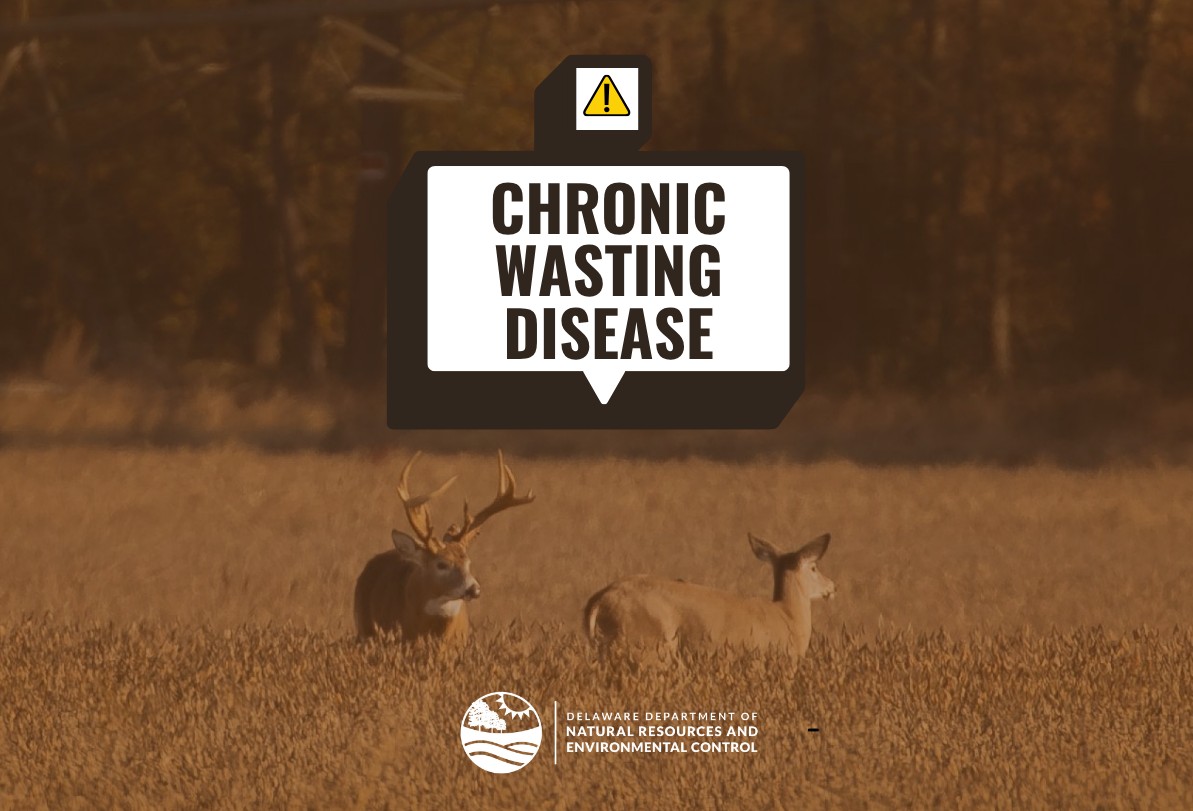
What Is Chronic Wasting Disease and Why Delaware’s First Case Matters
Chronic wasting disease is a progressive, always-fatal neurological disease that affects members of the deer family, including:
- White-tailed deer
- Elk
- Moose
- Mule deer and related species
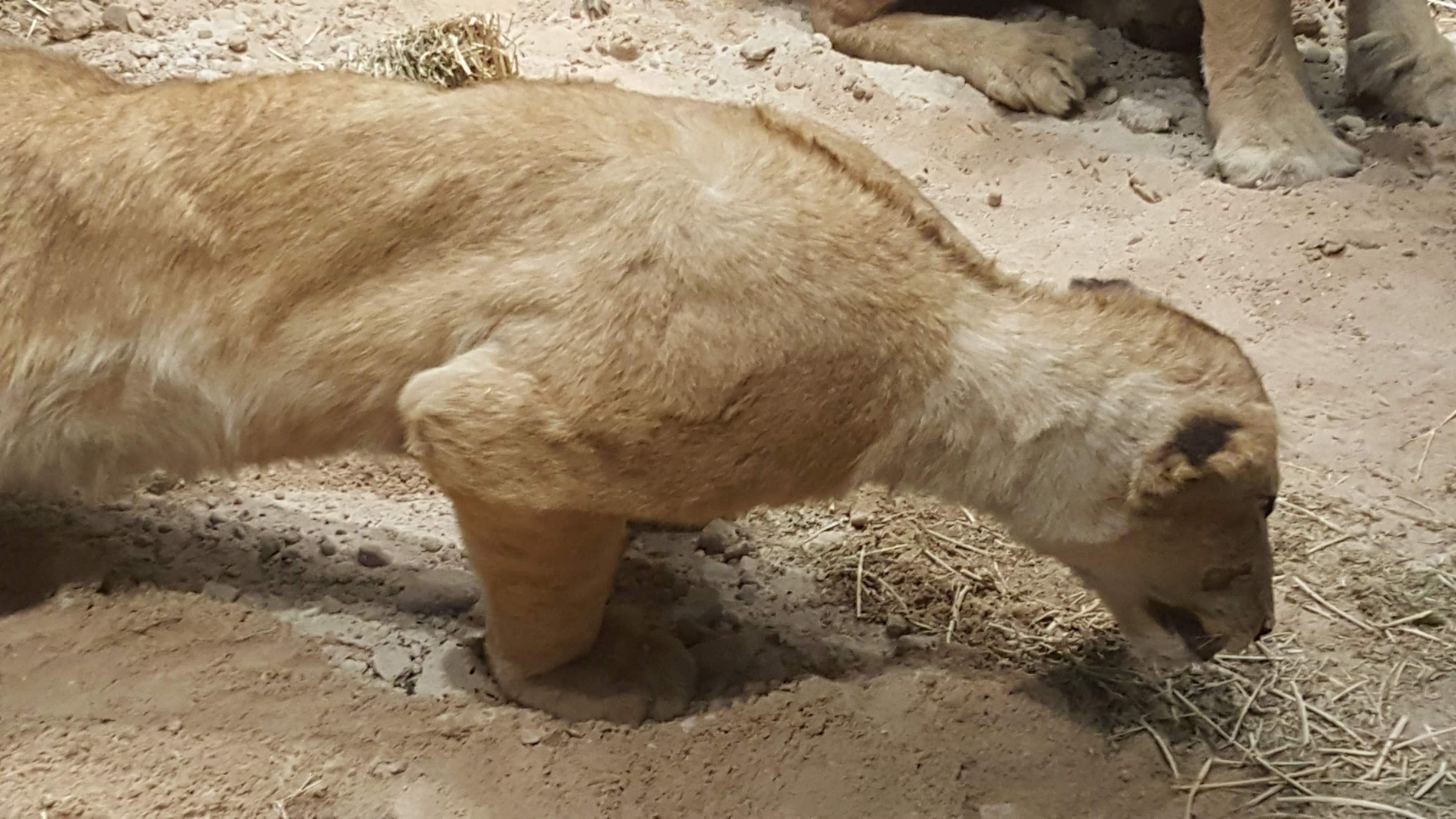
CWD is caused by misfolded proteins called prions, which damage the brain and nervous system over time. Infected animals may appear healthy for months or years before showing signs such as weight loss, drooling, lack of fear of humans, and poor coordination.
“There is no strong evidence that CWD can infect humans, but public health and wildlife agencies recommend people avoid eating meat from animals that test positive.”
Delaware’s first confirmed wild case matters for two main reasons:
- Wildlife health: Once CWD is established, it can be very hard to remove from an ecosystem and may affect herd numbers over time.
- Human use of deer: Hunters and their families need clear guidance to keep venison consumption as safe as possible and to avoid spreading the disease through carcass disposal and transport.
What Delaware Officials Have Reported About the First CWD Case
According to the State of Delaware news release, the first confirmed case of CWD was detected in a wild white-tailed deer sampled as part of DNREC’s routine surveillance program. While exact details such as precise location, age, and sex of the deer are often summarized for privacy and management reasons, the key points shared include:
- The positive sample came from a free-ranging white-tailed deer, not a captive facility.
- The sample was tested and confirmed following standard laboratory protocols used across the United States.
- DNREC is implementing response measures consistent with federal and regional best practices, including increased surveillance in the area where the deer was collected.
Delaware has participated in CWD surveillance for years, testing hunter-harvested and targeted deer. This first confirmed case is not a sudden surprise; rather, it reflects the growing reach of CWD across North America and the value of long-term monitoring.

Human Health and Food Safety: What We Know So Far
Naturally, the first question many people ask is, “Is it safe to eat venison?” Scientific agencies have studied this carefully. As of the latest guidance:
- No confirmed human cases: There have been no confirmed human cases of illness directly linked to eating CWD-positive venison.
- Precautionary principle: Because prion diseases in general can be severe and long-incubating, public health agencies recommend avoiding meat from animals that test positive or appear sick.
- Normal cooking does not destroy prions: High heat that makes venison safe from bacteria and parasites does not reliably inactivate prions.
“As a precaution, people should avoid consuming meat from any animal that is known to be infected with a prion disease.”
That can sound alarming, but it doesn’t mean you need to stop hunting or eating venison altogether. It does mean hunters should:
- Use state testing programs when hunting in or near known CWD areas.
- Avoid consuming meat from any deer that tests positive, looks noticeably sick, or behaves abnormally.
- Follow DNREC and CDC field-handling guidelines to minimize exposure to potentially infectious tissues.
Practical Steps for Hunters in Delaware and Neighboring States
If you’re a hunter, you play a crucial role in monitoring and controlling CWD. In states where CWD has been present for years, hunter cooperation has been one of the most effective tools for understanding how widespread the disease is and for limiting its spread.
Based on best practices used across the United States, and likely guidance from DNREC for this first confirmed case, here are key steps to follow:
- Participate in CWD testing.
- Use designated check stations or drop-off sites.
- Follow instructions for submitting heads or lymph nodes for testing.
- Record the harvest location accurately to help biologists map CWD.
- Use safe field-dressing practices.
- Wear disposable gloves when field dressing or butchering.
- Avoid cutting into spinal cord or brain tissue when possible.
- Use dedicated tools for processing wild game and clean them thoroughly afterward.
- Handle meat conservatively.
- Consider waiting for test results before consuming meat from deer harvested in known CWD areas.
- Do not eat meat from any animal that tests positive.
- Follow carcass transport rules.
- Many states restrict movement of whole carcasses or certain high-risk parts (like heads and spines) across boundaries.
- Transport only deboned meat, cleaned skull plates, or finished taxidermy when traveling out of state.
- Report abnormal deer.
- If you see deer that are noticeably thin, drooling, stumbling, or oddly unafraid of humans, report them to DNREC.
Common Concerns and How to Navigate Them Calmly
News like this can stir up worry, frustration, or even skepticism. Those reactions are human. In other states, I’ve seen the same patterns repeat when CWD was first detected, and there are constructive ways to respond.
- “Will this ruin hunting season?”
In most states, hunting has continued—sometimes with new rules about testing or carcass transport. Regulations may shift as DNREC learns more, but the goal is usually to keep hunting viable while reducing disease spread. - “Can I still feed my family venison?”
Many families continue to rely on venison safely by using testing programs, avoiding obviously sick animals, and following processing guidelines. When in doubt, wait for test results or contact DNREC for current recommendations. - “Is this overblown?”
CWD often spreads slowly, but once it is well-established in a region, it is extremely difficult to remove. Taking measured precautions now is less disruptive than facing more severe herd declines and restrictions later.
In states that confronted CWD early and worked closely with hunters, wildlife herds have often remained huntable and resilient, even if some local adjustments were needed.
How Non-Hunters and Local Communities Can Help
Even if you never hunt, you still have a role to play in protecting Delaware’s deer and other wildlife. CWD is a landscape-level issue, and community habits can either slow or accelerate its spread.
Useful steps for residents and outdoor enthusiasts include:
- Dispose of deer remains properly. If you use processors or receive venison from friends, ask about how waste is managed, and follow DNREC guidance for disposal.
- Avoid moving carcass parts across regions. The same rules that apply to hunters help prevent prions from being carried to new areas.
- Stay informed. Sign up for DNREC alerts or newsletters about wildlife health updates.
- Share accurate information. When neighbors or social media posts spread rumors, refer them to DNREC, CDC, or USGS resources instead of speculation.
The Science Behind CWD: A Brief, Accessible Overview
CWD belongs to a group of diseases called transmissible spongiform encephalopathies (TSEs). Unlike infections caused by bacteria, viruses, or fungi, TSEs are linked to misfolded proteins known as prions.
In deer and related species:
- Prions accumulate in the brain, spinal cord, lymph nodes, and certain other tissues.
- Infected animals can shed prions in saliva, urine, feces, and carcasses.
- Prions can persist in soil and on plants, potentially exposing new animals over time.
Research from the U.S. Geological Survey, U.S. Department of Agriculture, universities, and state wildlife agencies has documented CWD in numerous U.S. states and Canadian provinces. Delaware’s first case fits into this broader pattern of gradual geographic expansion.
Lessons from Other States: A Real-World Case Study
While Delaware is facing its first confirmed wild case, other states offer valuable lessons. For example, a Midwestern state that detected CWD in wild deer more than a decade ago initially saw a wave of concern and a dip in hunting participation.
Over time, as the wildlife agency:
- Expanded free or low-cost testing,
- Clarified carcass transport rules,
- Engaged local hunting groups directly, and
- Shared transparent, easy-to-understand surveillance maps,
hunter participation stabilized. Many hunting families developed routines like:
- Planning hunts around testing locations,
- Processing deer in ways that avoided high-risk tissues, and
- Waiting for test results before hosting large venison dinners.
Delaware can draw on these experiences, adapting them to local landscapes and hunting traditions. The earlier and more fully hunters and communities engage, the more flexible and effective the response can be.
Moving Forward: Staying Informed, Engaged, and Grounded
Delaware’s first confirmed case of chronic wasting disease in a wild white-tailed deer is serious news—but it is not a reason to panic or abandon the woods. Instead, it’s a moment to lean into science, community, and responsible stewardship.
If you hunt, fish, hike, or simply care about wildlife, your actions matter. By supporting surveillance efforts, following DNREC’s guidance, and sharing accurate information, you help protect the deer herds that define so much of Delaware’s natural character.
Over the coming months, consider this your personal action plan:
- Bookmark DNREC’s CWD page and check it before and during hunting seasons.
- Talk with your hunting partners and family about testing and safe processing habits.
- Report unusual deer behavior when you see it, rather than assuming someone else will.
- Stay open to updates—recommendations may change as scientists learn more.
Delaware’s response to this first case will be shaped not only by policies and lab tests, but by the everyday choices of people who care about the land. Your thoughtful, informed participation is one of the most powerful tools we have.