
Black Gunk in a Man’s Lungs: What Wildfire Smoke Is Really Doing to Our Bodies
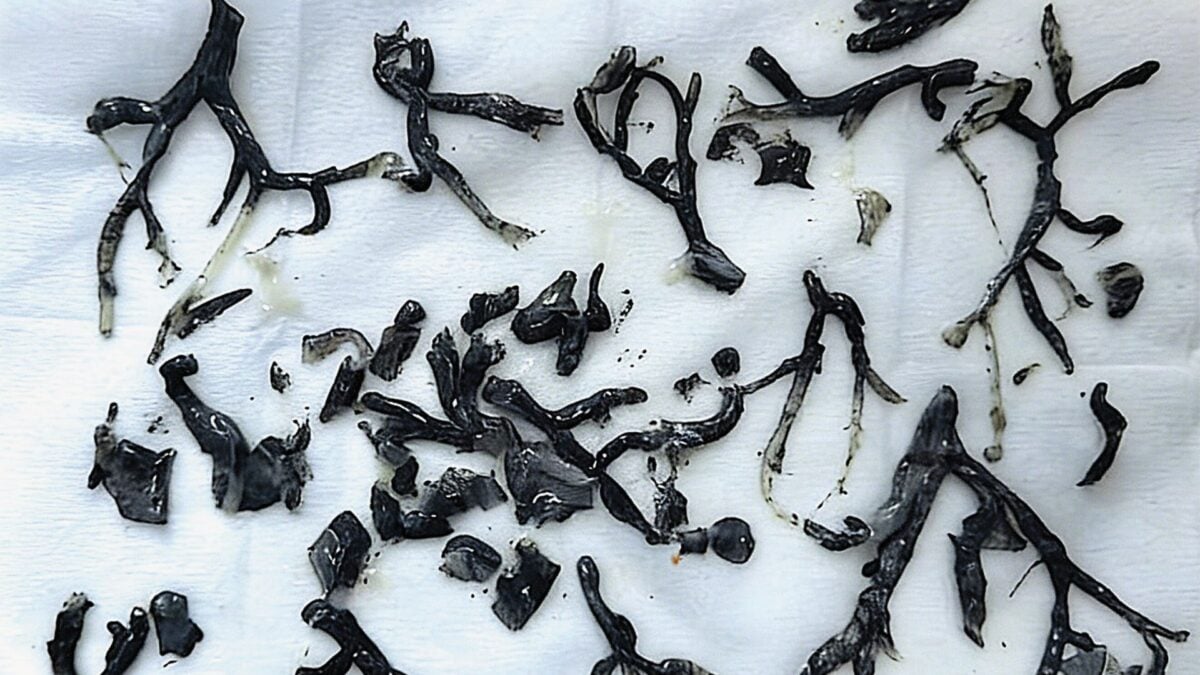
A recent case report out of China has shaken many respiratory specialists: a previously healthy man spent hours helping fight a forest fire, breathing in thick, dark smoke. Days later, doctors found black, rubbery “casts” clogging parts of his airways—essentially moldings of his bronchial tubes made of soot, mucus, and damaged tissue. The images are striking, but the deeper story is even more unsettling: this is a vivid glimpse of what wildfire smoke can do to our lungs.
As wildfires grow larger and more frequent worldwide, more of us are asking the same question: What is this smoke doing to my body—and how can I stay safe? In this guide, we’ll unpack what happened in this case, what science says about wildfire smoke and lung health, and the practical steps you can take to protect yourself and your family without panic or false promises.
What Happened in This Wildfire Smoke Case?
According to the case report summarized by Gizmodo, the man spent several hours in dense forest-fire smoke. Shortly after, he developed:
- Persistent cough
- Shortness of breath
- Chest discomfort
When doctors performed a bronchoscopy (a camera inserted into his airways), they discovered dark, branching plugs—called bronchial casts—blocking segments of his bronchial tree. These casts were made up of:
- Inhaled soot and ash particles
- Inflammatory cells
- Fibrin and mucus from injured airway linings
“Fine particulate matter (PM2.5) is capable of penetrating deep into the lungs and even entering the bloodstream, leading to cardiovascular, cerebrovascular and respiratory impacts.” – World Health Organization
After the casts were removed and he received supportive care, his breathing improved—but the case serves as a dramatic reminder of how quickly intense wildfire smoke can injure even young lungs.
Why Wildfire Smoke Is So Dangerous to Your Lungs
Wildfire smoke isn’t “just smoke.” It’s a complex chemical soup that changes depending on what’s burning—trees, grasses, homes, plastics, vehicles, and more. The main culprits for lung injury are:
- Fine particles (PM2.5) that are tiny enough to reach deep into the lungs.
- Ultrafine particles that may pass into the bloodstream.
- Irritating gases like nitrogen dioxide, carbon monoxide, and volatile organic compounds (VOCs).
- Chemical byproducts from burned plastics, treated wood, and building materials.

When you breathe in this mixture, several things can happen:
- Airway irritation: The lining of your nose, throat, and bronchi becomes inflamed, causing cough, sore throat, and wheeze.
- Deep lung inflammation: Particles that reach the tiny air sacs (alveoli) trigger immune responses that can make asthma or COPD flare.
- Oxidative stress: Some particles and gases generate free radicals that damage cells in the lungs and blood vessels.
- Systemic effects: Inflammation doesn’t always stay in the lungs; it can affect the heart, brain, and other organs.
How Do “Black Bronchial Casts” Form in Cases Like This?
The “black gunk” described in the case is an extreme manifestation of the same processes that affect anyone inhaling dense smoke, just at a far more intense level.
The sequence looks roughly like this:
- Massive particle load: Hours in thick smoke overwhelm the lungs’ normal cleaning system (cilia and mucus).
- Acute injury: Hot, chemically active particles injure the airway lining, causing it to leak fluid and proteins.
- Coagulation and mucus production: The body responds by producing more mucus and fibrin (a clotting protein) to “trap” and isolate the insult.
- Molding of casts: In some people, this mixture hardens into rubbery plugs that conform to the inside shape of the bronchi—like a negative mold.
These casts can severely obstruct airflow, leading to low oxygen levels and respiratory distress. They need to be removed—often via bronchoscopy—for the person to breathe comfortably again.
While most people breathing wildfire smoke will never experience bronchial casts, the same inhaled particles and gases are still irritating and inflammatory at lower doses—especially in children, older adults, and those with heart or lung disease.
Who Is Most at Risk from Wildfire Smoke Exposure?
Anyone can be affected by wildfire smoke, but some people are more vulnerable and may experience serious symptoms at lower exposure levels:
- People with asthma, COPD, or other chronic lung conditions
- Those with heart disease, high blood pressure, or a history of stroke
- Pregnant people and their developing babies
- Infants and children (smaller airways, developing lungs)
- Older adults
- Outdoor workers, first responders, and residents close to the fire line
Symptoms of Wildfire Smoke Exposure: What to Watch For
Symptoms can range from mild irritation to medical emergencies, depending on how thick the smoke is, how long you’re exposed, and your underlying health.
Common mild to moderate symptoms
- Burning eyes, runny nose
- Sore or scratchy throat
- Dry cough
- Chest tightness
- Headache or fatigue
Warning signs that need urgent medical evaluation
- Difficulty breathing, shortness of breath at rest, or rapid breathing
- Chest pain or pressure, especially with a history of heart disease
- Wheezing or severe asthma symptoms not relieved by your rescue inhaler
- Bluish lips or face
- Confusion, dizziness, or fainting
Practical Ways to Protect Yourself from Wildfire Smoke
You can’t control the weather or the fires—but you can meaningfully reduce how much smoke your lungs have to handle. Think in three layers: information, environment, and equipment.
1. Stay informed about air quality
- Use official apps or websites (for example, AirNow in the U.S. or your local environmental agency).
- Check the Air Quality Index (AQI) daily during fire season.
- Plan intense outdoor activity for lower-AQI times of day when possible.

2. Create a cleaner indoor air zone
- Keep windows and doors closed during smoke events.
- Seal obvious gaps around windows and under doors if safe to do so.
- Use a portable HEPA air purifier in the room where you spend the most time (often the bedroom or living room).
- If you don’t have a purifier, creating a DIY “box fan filter” with a certified HVAC filter can reduce indoor particle levels, but always follow safety guidance to avoid overheating.
- Avoid burning candles, incense, or smoking indoors—these add to particle load.
3. Use respiratory protection correctly outdoors
- Use a well-fitting N95, KN95, or FFP2/FFP3 respirator when you must be outside in smoky conditions.
- Cloth and surgical masks can help with large ash particles but do not reliably filter fine smoke particles.
- Facial hair can break the seal of a respirator; a closer shave improves protection.
- Limit outdoor exertion (for example, run indoors on a treadmill instead of outside).
Extra Steps for People with Asthma, COPD, or Heart Disease
If you have a chronic lung or heart condition, wildfire smoke is not just an annoyance—it’s a genuine medical risk. Work with your healthcare provider before fire season to create a plan.
- Update your action plan.
Make sure you know exactly what to do if your symptoms worsen: when to increase maintenance inhalers, how often you can use your rescue inhaler, and when to seek urgent care. - Keep medications stocked.
Try not to run out of inhalers or heart medications during fire season. Ask about having a small buffer supply if your local laws and insurance allow. - Monitor your numbers.
Using a peak flow meter (for asthma) or home pulse oximeter (for some lung/heart conditions) can help you spot trouble early and act before symptoms become severe. - Consider relocation during extreme events.
If you’re very high risk and a prolonged severe smoke event is predicted, your clinician may recommend temporarily staying with friends or relatives in a cleaner-air area, when feasible.
Many hospitalizations during wildfire smoke events are preventable with early symptom recognition, appropriate inhaler use, and reducing smoke exposure. Small steps taken early can make a big difference.
Common Obstacles—and Practical Ways to Overcome Them
Knowing what to do is one thing; actually doing it in the middle of a stressful wildfire season is another. Here are some common hurdles I hear about, and realistic workarounds.
“I can’t afford an air purifier.”
- Check if local public health departments, libraries, or community groups run clean-air shelter spaces or loan out purifiers during smoke events.
- Ask your city or county emergency management office about resources—they sometimes partner with nonprofits.
- If you build a DIY box-fan filter, choose a filter rated MERV-13 or better and follow fire department guidelines to avoid overheating or leaving it running unattended.
“Masks are uncomfortable, and I feel like I can’t breathe in them.”
- Try several styles and sizes; some N95/KN95 designs are more breathable than others.
- Use them for short, essential trips rather than all day if that’s more tolerable.
- If you have significant lung or heart disease, talk with your clinician about safe mask use and whether you should avoid any strenuous activity outdoors on smoky days.
“I work outside and can’t just stay indoors.”
- Speak with your employer about occupational safety guidance—they may be required to provide respirators and rest breaks during hazardous AQI levels.
- When possible, schedule the heaviest tasks for times when AQI is better and avoid extra non-essential outdoor exertion on those days.
- Hydrate well and monitor yourself and co-workers for breathing or heart symptoms.
What We Know—and Don’t Yet Know—About Long-Term Effects
Scientists are still piecing together the long-term health effects of repeated wildfire smoke seasons, especially in communities that now face them almost every year.
Emerging research suggests:
- More frequent asthma attacks and emergency visits in smoke-affected regions.
- Potential acceleration of lung function decline in people with COPD.
- Links between heavy smoke seasons and increased hospitalizations for heart attacks and strokes.
However, we do not yet have definitive data to predict exactly how a given number of smoky days translates into long-term risk for an individual. Genetics, occupational exposure, baseline health, and lifestyle all interact.
Before and After Protection: What a Difference It Makes
Public health teams and researchers have compared homes and individuals with and without basic smoke protections during major wildfire events. While “real life” is messy, a pattern consistently emerges: less exposure, fewer symptoms.
In several community studies, homes using HEPA filtration during wildfire smoke days had indoor particle levels reduced by 30–80% compared with outside air, depending on the setup. That doesn’t guarantee no symptoms, but it gives your lungs a much lighter workload.
Turning Concern into Action: Your Next Steps
The man with black bronchial casts in his lungs experienced one of the most dramatic consequences of wildfire smoke—but his story points to a quieter truth that matters for all of us: what we breathe during wildfire season matters, even when we can’t see the damage.
You don’t need to become an air-quality expert to protect yourself. Start with a short, realistic checklist:
- Bookmark or install a trusted local air-quality source on your phone.
- Decide which room in your home will be your “clean air” space, and plan how you’ll filter it.
- Pick up a small supply of N95/KN95 masks before fire season peaks.
- If you have lung or heart disease, schedule a quick check‑in with your clinician to update your plan.
- Share what you’ve learned with a friend, neighbor, or family member who may be at higher risk.
None of these steps is perfect on its own. Together, though, they can significantly lower your exposure and help your lungs stay resilient, even as wildfire seasons change. Your future self—breathing more easily—will be glad you started today.
