
Box Office Shake-Up: Why ‘Lee Cronin’s The Mummy’ Can’t Catch ‘Super Mario Galaxy’ or ‘Project Hail Mary’
The Super Mario Galaxy Movie and Project Hail Mary are dominating the North American box office, while Lee Cronin’s The Mummy opens in a distant third, revealing a sharp contrast between franchise power, family appeal, and modern blockbuster expectations.
A Box Office Weekend Where Nostalgia Beat Horror
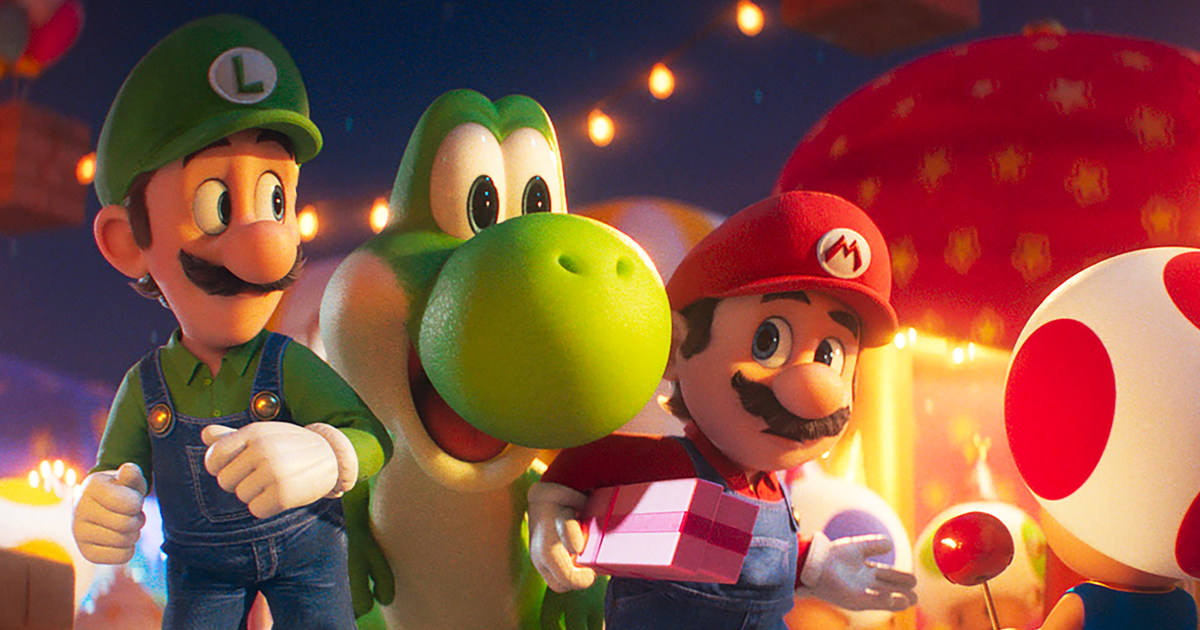
In a weekend that looked, on paper, like a showdown between star-driven horror and four-quadrant crowd-pleasers, the numbers tell a familiar story: IP is king, and it wears overalls and a space suit. NBC News reports that The Super Mario Galaxy Movie and the adaptation of Andy Weir’s Project Hail Mary once again topped the North American box office, while Lee Cronin’s The Mummy shuffled into third place on its debut.
That gap between expectations and reality is where the interesting story lies: a horror reboot trying to carve out space between a family-friendly juggernaut and a prestige sci‑fi crowd-pleaser.
Setting the Stage: Mario, Mary, and a New Mummy
To understand why The Mummy is trailing, you have to look at what it’s up against. The Super Mario Galaxy Movie builds on the massive success of The Super Mario Bros. Movie, benefiting from:
- Decades of Nintendo nostalgia and multi-generational brand recognition
- A kid-friendly PG rating that turns every screening into a potential family outing
- Colorful, meme-ready visuals that double as free social media marketing
On the other side, Project Hail Mary arrives with serious pedigree: based on Andy Weir’s bestselling novel, backed by prestige-minded studios, and calibrated for the same “smart sci‑fi with heart” lane that made The Martian a phenomenon.
Into this crowded field walks Lee Cronin’s The Mummy, a horror‑centric reinvention of the classic Universal monster. Instead of the pulpy adventure tone of the 1999 Brendan Fraser favorite, Cronin leans back into supernatural dread—closer to his work on Evil Dead Rise than to Indiana Jones‑style escapism.
Review: How Good Is “Lee Cronin’s The Mummy” On Its Own Terms?
While the film might be underperforming commercially, the more interesting question is: does it actually work as a horror movie?
Cronin, listed here as the film’s director and co-writer, approaches The Mummy less as a glossy tentpole and more as a curse‑driven chiller. The setup leans into desert folklore, intergenerational guilt, and the psychological toll of unearthing something that never wanted to be found.
“The goal was to make the sand itself feel haunted,” Cronin has said in interviews, “as if every grain carried a memory you shouldn’t disturb.”
That philosophy mostly shows. The film’s strongest moments are its tactile, practical-feeling set pieces—mummified hands reaching from half‑collapsed tunnels, or long, patient takes where you’re straining to see what the characters can’t quite face.
Where it falters is scale. For a movie carrying a legacy title like The Mummy, the narrative occasionally feels TV‑sized: intimate character beats in a film that’s marketed like a globe‑trotting event. When it leans into character drama, it’s compelling; when it tries to match the bombast of mega-franchises, the seams show.
Why “The Mummy” Is Lagging: Five Key Factors
Beyond any single review, several broader industry trends help explain why The Mummy opened behind Super Mario Galaxy and Project Hail Mary:
- Franchise Fatigue vs. Franchise Trust – Audiences have a complicated relationship with reboots of classic monsters. Universal’s previous attempt at a Mummy‑led “Dark Universe” fizzled, and that residue of mistrust hasn’t totally faded.
- Rating and Reach – Horror, especially when edging into harsher imagery, caps its own audience. Mario, by contrast, can sell four tickets for every one horror ticket with a single family.
- Tone Expectations – Many casual viewers still associate The Mummy with the 1999 action-adventure tone. A more somber, dread‑driven interpretation can feel like a mismatch to people expecting quips and swashbuckling.
- Marketing Conversation – Social feeds filled up with Mario reaction edits and “space problem-solving” memes from Hail Mary. The Mummy never quite found that viral hook.
- Release Timing – Dropping between a family mega‑hit and a buzzy sci‑fi awards hopeful is like opening a small restaurant between two stadiums on game day: everyone’s already committed.

Why “Super Mario Galaxy” and “Project Hail Mary” Keep Winning
Mario and Hail Mary are very different movies, but their box office success is powered by overlapping strengths.
1. Multi-Generational Appeal
Mario is essentially comfort food. Parents who grew up with the games bring their kids, who already know the character from modern consoles and social media. That’s a cycle most horror titles can’t easily tap into.
2. Optimistic Spectacle
Both films promise an uplifting experience—Mario via colorful adventure, Hail Mary via science‑driven problem-solving and emotional catharsis. In a climate where real-world news rarely feels light, that kind of optimism is a selling point.
3. IP With a Clear Identity
You know what a Mario movie feels like after a single image. You know the tone of an Andy Weir adaptation from the logline. The Mummy, in 2026, is less clearly defined: is it horror, adventure, or something in between? The marketing never fully answered.
What This Weekend Says About Horror and Legacy IP
The story here isn’t that The Mummy “failed”—a solid third-place debut behind two juggernauts can still be commercially viable, especially with controlled budgets and strong international play. The more telling takeaway is what the situation reveals about how horror and legacy properties function in 2026.
- Horror Thrives on Modest Budgets and Long Legs – Recent hits in the genre have relied on relatively low cost and strong word-of-mouth rather than opening at #1.
- “Legacy IP” Isn’t a Magic Word – Slapping a classic title on a movie isn’t enough. Viewers need a clear sense of what’s new about this version—and why they should care now.
- Audiences Reward Clear Value Propositions – Mario sells spectacle and familiarity. Hail Mary sells smart sci‑fi emotion. The Mummy sold “it’s back,” but not always “here’s why differently.”
As one critic put it, “Universal isn’t just competing against other studios—it’s competing against your memory of Brendan Fraser on a giant sand face.”

Looking Ahead: Can “The Mummy” Still Find Its Audience?
Theatrical rankings only tell part of the story. Horror has historically overperformed on digital platforms, where viewers can opt in privately and at their own pace. If Lee Cronin’s The Mummy can build a cult around its more atmospheric, curse‑driven approach, it may yet justify sequels or spin‑offs—even without toppling Mario or Hail Mary theatrically.
The weekend’s box office is, in a way, a snapshot of the current studio mindset: chase four‑quadrant familiarity, adapt beloved novels with care, and hope horror can thrive in the margins. For audiences, it’s a reminder that “third place” doesn’t always mean “not worth seeing”—it just means you might have the quietest auditorium in the multiplex.

Whether you’re in it for galaxy‑hopping plumbers, science‑savvy astronauts, or resurrected curses, this box office weekend underlines a simple truth about movies in 2026: audiences know exactly what they want—and they’re not shy about voting with their ticket stubs.
