
Blake Lively vs. Justin Baldoni: What the ‘It Ends With Us’ Court Ruling Really Means for Hollywood
Blake Lively, Justin Baldoni, and the Legal Plot Twist Behind It Ends With Us
A federal judge in New York has tossed Blake Lively’s sexual harassment claims against director–producer Justin Baldoni over the film adaptation of Colleen Hoover’s bestseller It Ends With Us—but the story is far from over. Three other claims, including retaliation, remain active, meaning a jury will still hear many of Lively’s allegations and the industry will keep watching how this case reshapes the conversation around on‑set power dynamics and post‑#MeToo Hollywood.

How We Got Here: From BookTok Phenomenon to Courtroom Drama
It Ends With Us isn’t just another page‑to‑screen romance. Colleen Hoover’s novel exploded through BookTok, riding a wave of emotionally charged discussions about domestic abuse, trauma, and toxic relationships. Casting Blake Lively opposite Justin Baldoni (who also directs and produces) signaled that the film adaptation aimed squarely at a crossover audience: fans of prestige romance, TikTok readers, and mainstream moviegoers.
As production moved forward, reports surfaced about tensions behind the scenes, culminating in Lively’s lawsuit. Her claims painted a picture that went beyond standard “creative differences,” touching on alleged harassment, retaliation, and abuse of power on set. In an era still grappling with the fallout of Weinstein and the rise of #MeToo, any such allegations involving high‑profile talent were inevitably going to become a cultural flashpoint.
“Blake Lively's sexual harassment claims against Justin Baldoni over the movie It Ends With Us were dismissed Thursday by a federal judge who left intact three claims, including retaliation, that will let a jury hear many of the allegations anyway.”
— NPR reporting
The latest ruling doesn’t end the case. Instead, it refocuses it, filtering out what the court deemed legally insufficient harassment claims while preserving a core set of issues that remain very much alive.
What the Judge Actually Decided: Harassment Out, Retaliation In
Legally, the ruling splits the case into two tracks: what the court is willing to classify as actionable harassment under the law, and what instead falls into the realm of retaliation and workplace mistreatment. The sexual harassment claims were dismissed, which suggests the judge found that—taking the facts as alleged—the conduct didn’t meet the specific legal thresholds for harassment claims in this context.
But three claims, including retaliation, survived. That’s not a mere technicality. Retaliation claims can cover a wide range of conduct: altered job responsibilities, damaged reputation, loss of creative control, or changes to credit and pay that allegedly occur after someone speaks up.
- Dismissed: Formal sexual harassment claims tied to the production.
- Proceeding: Retaliation and other related claims that still capture many of the alleged behaviors.
- Practical effect: A jury will likely hear a significant amount of testimony about how Lively says she was treated during and after production.
From an industry perspective, this is a classic example of how employment and civil rights law interact with the unique ecosystem of film sets, where power imbalances and blurred boundaries have long been normalized under the banner of “creative process.”
Why Hollywood Is Watching: Power, Branding, and the Post‑#MeToo Era
This case lands at a tricky moment for the entertainment industry. Studios are trying to balance brand safety, #MeToo‑era reforms, and the economic realities of star‑driven IP. It Ends With Us isn’t just a film; it’s a ready‑made franchise candidate with sequel potential, merch possibilities, and an already‑engaged fandom.
Having the film’s two central creative faces—Lively as star and Baldoni as actor‑director—locked in litigation inevitably colors how audiences and critics will receive the movie. Viewers now bring more context into theaters than ever: they know about set disputes, studio politics, and online controversies long before the opening credits roll.

The outcome of Lively’s case won’t single‑handedly rewrite Hollywood law, but it will feed into a larger narrative: whether the industry’s promises of safer, more accountable workplaces actually have legal teeth when challenged in court.
Star Power vs. Director Control: When Creative Differences Turn Legal
High‑profile sets are built on a delicate balance. A major star like Blake Lively doesn’t just act; she often unofficially shapes tone, wardrobe, and even story beats. Justin Baldoni, meanwhile, stepped in as both director and on‑screen partner, amplifying his authority on set.
In the best‑case scenario, this kind of collaboration creates chemistry: think Bradley Cooper and Lady Gaga on A Star Is Born, or Greta Gerwig directing Saoirse Ronan in Lady Bird. In the worst case, overlapping roles and unclear boundaries morph into simmering resentment—and, sometimes, lawsuits.
“When you blur personal, professional, and creative roles, you also blur lines of responsibility. That’s where conflicts can grow into legal disputes.”
— Hypothetical take from an entertainment law professor, reflecting a common academic view
The surviving retaliation claims suggest the court is at least open to hearing whether Lively’s treatment on and after the film was influenced by her objections or boundaries. That’s a question that resonates widely across creative industries, where careers can rise or fall based on relationships with powerful producers and directors.
What This Means for Fans of It Ends With Us
For fans of the book, the legal news adds a new layer to an already emotionally loaded property. It Ends With Us deals directly with intimate partner violence and complicated, morally gray relationships—topics that demand sensitivity from everyone involved in the adaptation.
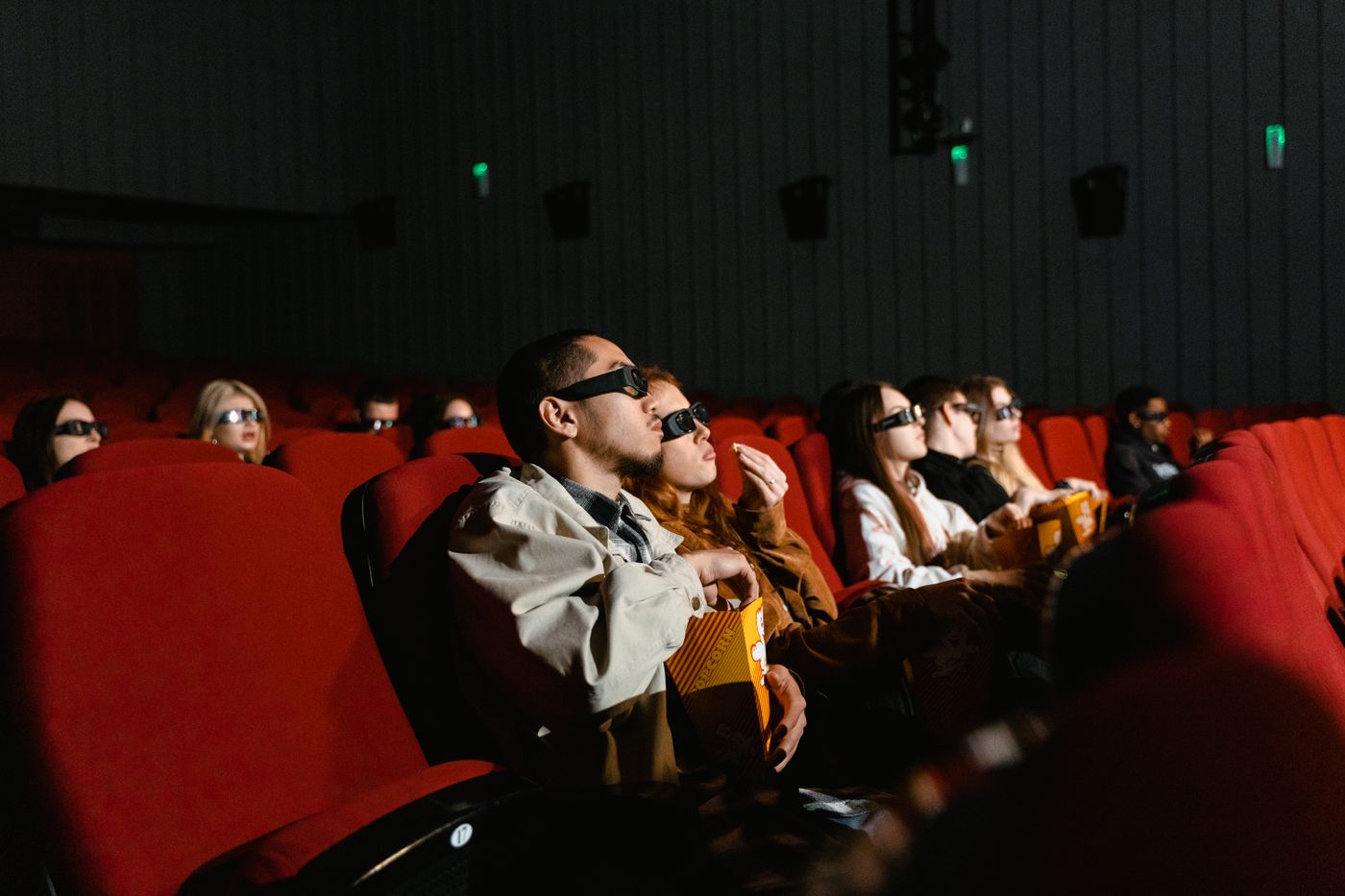
It’s hard to ask audiences to separate the art from the conditions under which it was made, especially when those conditions are still being litigated. Some viewers may choose to engage with the film but keep a critical eye on the production’s history; others might opt out entirely.
- Fans invested in the book’s themes may feel particularly sensitive to allegations of mistreatment on set.
- The trial could influence how critics frame their reviews, situating the film within broader labor and ethics conversations.
- Studios may adjust their promotional strategies depending on how public opinion shifts as more details emerge.
Trailer, Marketing, and the PR Tightrope
Marketing a film under legal scrutiny requires choreography as careful as any dance sequence. Trailers, posters, and late‑night talk show appearances are now shadowed by questions journalists understandably want to ask about the lawsuit.
Studios have a few options here:
- Downplay personalities, foreground the story. Emphasize the novel’s themes and avoid leaning too heavily on behind‑the‑scenes narratives.
- Lean into transparency. Allow limited, controlled discussion of the case, presenting the production as committed to accountability.
- Delay or reshape the rollout. In extreme cases, studios may push release dates or re‑edit promotional materials to adapt to public sentiment.
Whatever path is chosen, the ruling ensures that the legal story and the film’s press tour will be intertwined, at least in the near term.
Beyond One Film: What This Case Signals About Accountability
Stripping away the celebrity names, this case underscores a few broader trends in entertainment:
- Courts are drawing sharper lines between what qualifies as legally recognized harassment and what is better framed as retaliation or contract disputes.
- Retaliation remains a powerful legal tool for people in creative fields who fear blowback if they speak up about working conditions.
- Public opinion no longer waits for verdicts, shaping reputations and box office prospects long before a judge or jury weighs in.
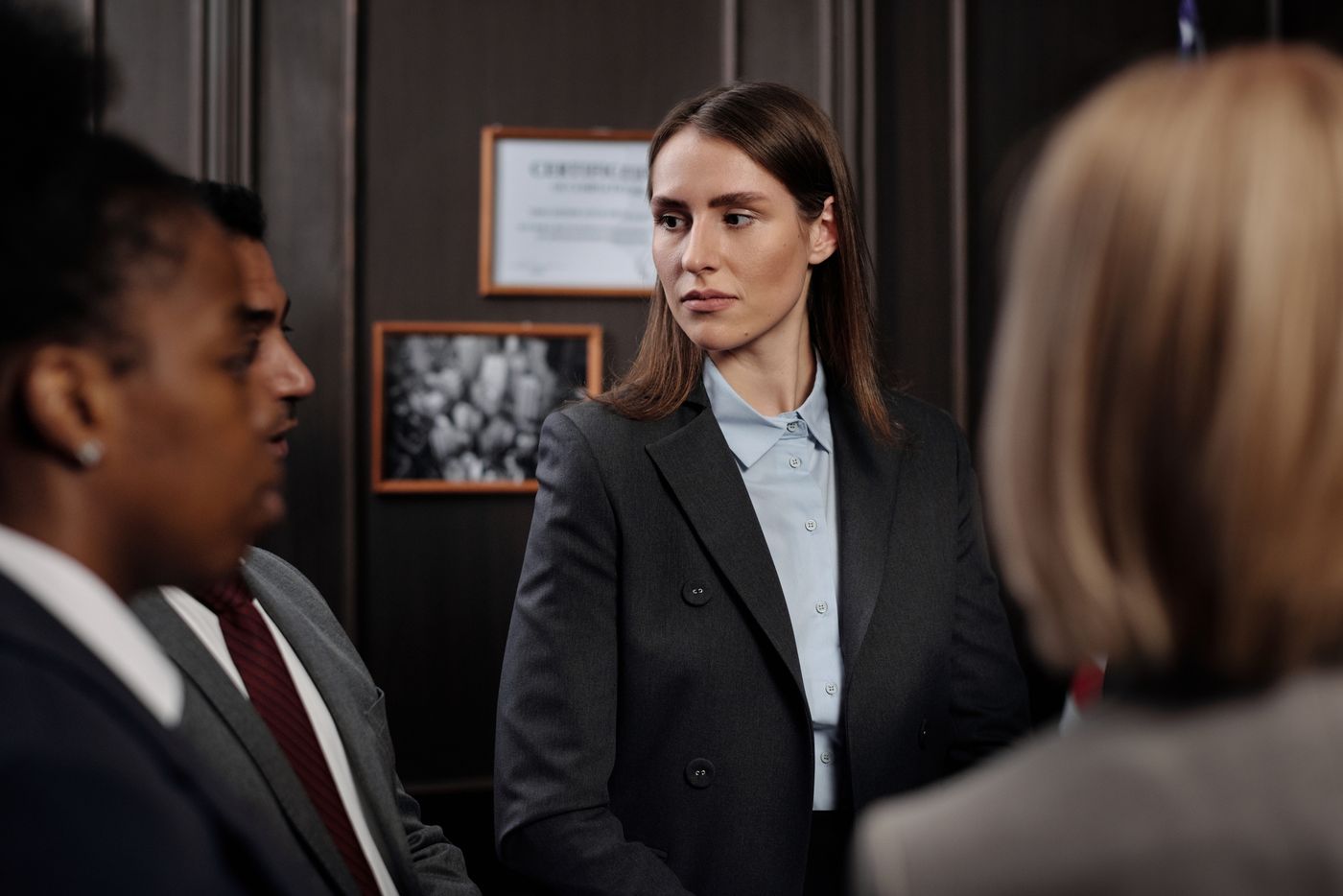
For Hollywood, the message is clear: it’s no longer enough to have HR trainings and boilerplate “zero tolerance” language in press releases. The systems for handling complaints—and how those systems protect or punish the people who use them—are under legal and cultural microscopes.
The Story Isn’t Over: Watching the Next Act Unfold
With the sexual harassment claims dismissed but retaliation and related allegations moving toward a possible jury, the Blake Lively–Justin Baldoni dispute is entering a new phase—one that may reveal more about how power, personality, and legal accountability collide on modern film sets.
As It Ends With Us makes its way into theaters and streaming platforms, audiences will have to decide how much the off‑screen drama shapes their on‑screen experience. For the industry, the case is an uncomfortable but necessary reminder: the real test of Hollywood’s post‑#MeToo evolution won’t be measured in statements or symposiums, but in what happens when allegations like these end up in court—and when the cameras are no longer the only ones watching.
