
6 Surprising Carbs with More Protein Than an Egg (and How to Use Them)
Eating high-protein doesn’t have to mean avoiding carbohydrates. In this guide, you’ll learn how six carb-rich foods can actually deliver more protein than an egg, plus simple, dietitian-informed ways to add them to your meals without giving up the comforting carbs you love.
If you’ve ever tried to “eat more protein,” you’ve probably leaned hard on eggs. They’re convenient, affordable and widely considered the gold standard of protein. But what if you don’t always want eggs—or you’re vegetarian, cutting back on animal products, or simply bored?
The surprising truth: some carb-rich foods can quietly out-protein an egg, while also adding fiber, vitamins, minerals and long‑lasting energy. You don’t have to choose between carbs and protein; you can have both in the same satisfying bite.
:max_bytes(150000):strip_icc()/EWL-carbs-with-more-protein-than-an-egg-8647783-Hero-3x2-17dada53f6214c5683620f610719fb66.jpg)
“For most people, the goal isn’t zero carbs—it’s smarter carbs. Choosing carb foods that carry their weight in protein and fiber is one of the simplest ways to feel fuller and support muscle health.”
— Registered Dietitian, outpatient nutrition clinic case notes
Why Compare Carbs to an Egg for Protein?
One large egg contains about 6–7 grams of high‑quality protein. That makes it a useful benchmark, especially if you’re aiming for:
- Better appetite control and fewer energy crashes
- Supporting muscle maintenance during weight loss
- Building strength alongside resistance training
- Stabilizing blood sugar by pairing carbs with protein
When carb‑rich foods also bring substantial protein to the table, you get:
- More food volume for the same or fewer calories than many animal proteins.
- Extra fiber to support digestion, gut health and more stable blood sugar.
- Plant compounds like antioxidants and phytonutrients that eggs don’t provide in meaningful amounts.
1. Lentils: The Fiber‑Rich Protein Powerhouse
A single cooked cup of lentils provides roughly 18 grams of protein plus about 15 grams of fiber—that’s the protein of nearly three eggs, with a fraction of the saturated fat and a hefty dose of slow‑burning carbs.

How to use lentils like a protein
- Add ½–1 cup cooked lentils to soups or chili instead of some of the meat.
- Toss warm lentils into salads with veggies, olive oil and lemon.
- Use lentils in place of part of the ground meat in tacos, sloppy joes or pasta sauce.
In a clinic setting, I’ve seen clients with limited grocery budgets successfully lean on lentils 3–4 times per week to bring their daily protein intake up without touching expensive protein powders.
2. Chickpea Pasta: Comfort Food with a Protein Upgrade
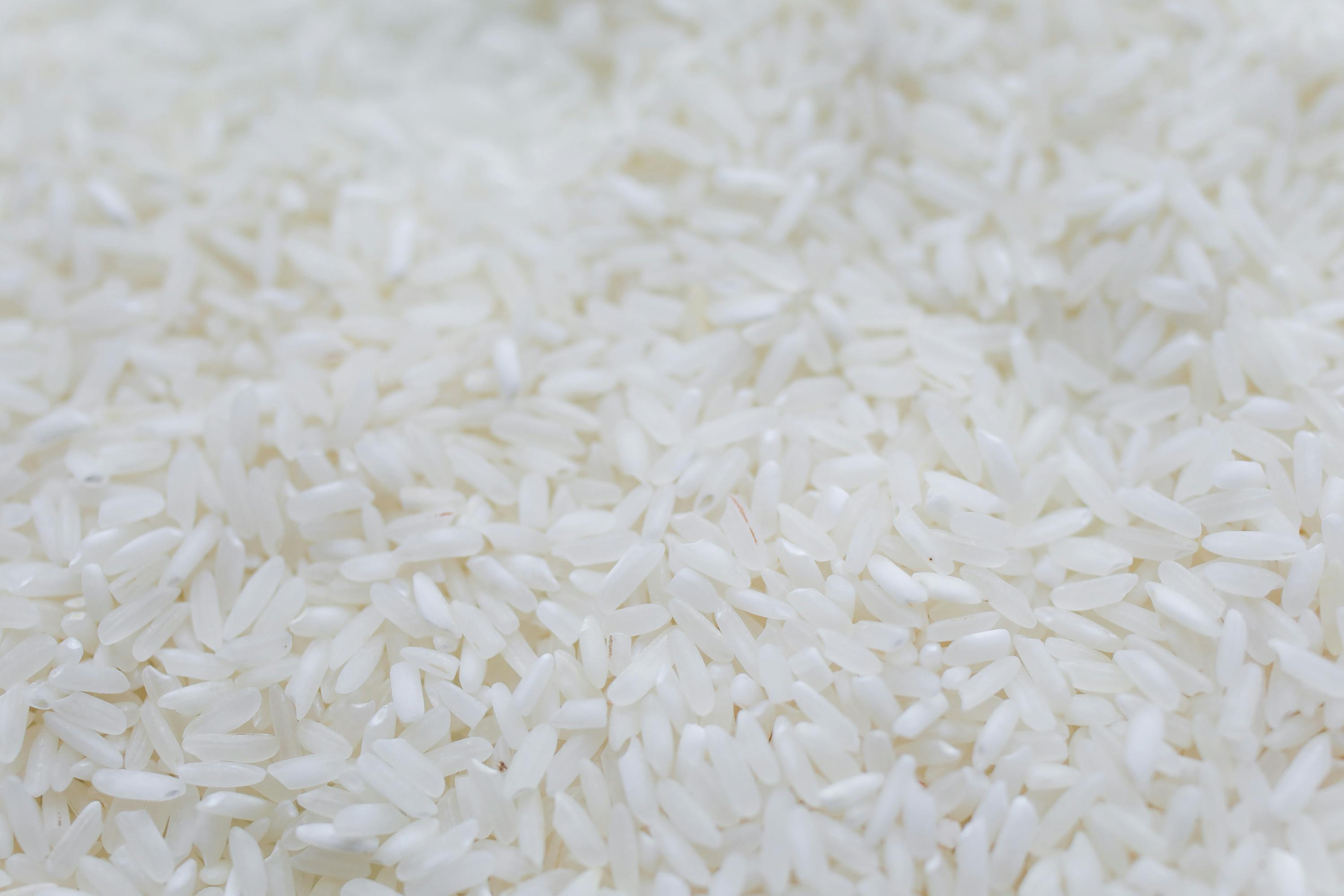
Many brands of chickpea‑based pasta offer around 13–20 grams of protein per cooked cup, depending on the shape and brand. That’s two to three times more protein than traditional wheat pasta, plus significantly more fiber.
Simple ways to enjoy chickpea pasta
- Pair with tomato sauce, extra‑virgin olive oil and sautéed vegetables.
- Use in pasta salads with feta, olives and crunchy veggies for a lunch that actually holds you over.
- Top with pesto and grilled chicken or tofu for a double‑protein dinner.
“For patients who love pasta but struggle with mid‑afternoon crashes, switching to legume‑based pasta has been one of the easiest, most sustainable changes.”
— Outpatient Dietitian, diabetes management program
3. Quinoa: A Higher‑Protein Grain Alternative
Quinoa is technically a seed, but we use it like a grain. One cooked cup supplies around 8 grams of protein plus about 5 grams of fiber. That edges out an egg on protein while giving you complex carbohydrates, magnesium and iron.

Quick ways to add quinoa
- Use quinoa instead of white rice in stir‑fries or grain bowls.
- Stir into soups to make them more filling without cream.
- Make a breakfast “quinoa oatmeal” with cinnamon, berries and nuts.
4. Black Beans (and Other Beans): Pantry Protein Heroes
A cooked cup of black beans delivers about 15 grams of protein and roughly the same amount of fiber. Other beans—kidney, pinto, cannellini—are in a similar range, making them reliable, budget‑friendly high‑protein carbs.

Easy ideas to boost protein with beans
- Add ½–1 cup to burrito bowls, tacos or quesadillas.
- Stir into canned soup to make it more satisfying.
- Blend into dips and spreads as a hummus alternative.
5. Oats: A Breakfast Carb That Can Rival Eggs
A cooked cup of regular oats typically contains 5–7 grams of protein. That’s roughly equivalent to an egg—before you add any toppings. When you mix oats with milk, yogurt, nuts or seeds, your bowl can easily surpass an egg in total protein.
Build a higher‑protein oat bowl
- Cook oats in dairy milk or soy milk instead of water (+6–8g protein per cup).
- Stir in Greek yogurt after cooking for creaminess and extra protein.
- Top with nuts or nut butter and a spoonful of chia or hemp seeds.
6. Green Peas & Edamame: Tiny, Protein‑Dense Carbs
Green peas are surprisingly protein‑rich, with about 8 grams of protein per cooked cup. Edamame (immature soybeans) go even further, offering roughly 17 grams of protein per cooked cup, rivaling a serving of many meats.

Simple ways to add peas & edamame
- Toss peas into pasta, risotto or grain bowls at the end of cooking.
- Snack on steamed edamame with a pinch of sea salt.
- Add shelled edamame to stir‑fries, salads or fried rice.
How a Meal Changes When You Swap in High‑Protein Carbs
To visualize the impact, here’s a simple “before and after” comparison using a common weeknight dinner.
Before
- 2 cups regular white pasta
- Jarred marinara sauce
- Garlic bread
High in refined carbs, relatively low in protein and fiber. Easy to overeat and feel hungry again soon.
After
- 1½ cups chickpea pasta
- Marinara with ½ cup lentils added
- Side salad with olive oil & vinegar
More protein and fiber, fewer refined carbs, and better staying power—without giving up pasta night.
Common Obstacles (and How to Overcome Them)
“Beans and lentils upset my stomach.”
Gas and bloating are common when you suddenly increase fiber.
- Start with small portions (¼–½ cup) and build up gradually.
- Rinse canned beans and lentils thoroughly.
- Drink water throughout the day to help fiber move smoothly.
“My family is picky about new foods.”
- Blend lentils into sauces where they’re less noticeable.
- Do half‑and‑half swaps (e.g., regular pasta plus chickpea pasta).
- Add beans or peas to familiar dishes like tacos, casseroles and soups.
“I’m not sure how much protein I actually need.”
Needs vary by age, activity, health status and goals, but many adults do well aiming for 20–30 grams of protein per meal. These carb‑rich options can help you get there without relying exclusively on animal protein.
What Does the Research Say About High‑Protein Carbs?
While individual studies vary, several themes show up consistently in nutrition research:
- Legumes (beans, lentils, peas) are associated with better weight management, improved blood sugar control and lower risk of certain chronic diseases when they replace more refined carbs and some animal proteins.
- Whole grains like quinoa and oats are linked with lower cardiovascular risk compared to refined grains.
- Higher protein intake spread across meals tends to support muscle maintenance, especially in older adults, when combined with physical activity.
None of this means these foods are magic bullets. But replacing some refined carbs with high‑protein, high‑fiber carb sources is a realistic, sustainable shift that can support overall health over time.
For more detailed reading, see resources from organizations such as:
How to Start: A Simple 3‑Step Action Plan
- Pick 2–3 foods from this list to focus on first.
For example: lentils, chickpea pasta and oats. - Decide when you’ll use them.
Maybe oats for breakfast twice a week, chickpea pasta on Tuesdays, and lentil soup on Sundays. - Prepare once, benefit all week.
Cook a big batch of lentils or beans, or a pot of quinoa, and store in the fridge for 3–4 days to add to quick meals.
Bringing It All Together
You don’t have to live on egg whites and chicken breasts to eat a higher‑protein diet. Carbohydrate‑rich foods like lentils, beans, chickpea pasta, quinoa, oats, peas and edamame can quietly match—or beat—an egg’s protein, while giving you the comfort, fiber and flavor of carbs.
Progress doesn’t come from perfection. It comes from small, consistent choices you’re willing to live with. If all you do this week is swap regular pasta for chickpea pasta once, or stir lentils into your favorite soup, that’s a meaningful step.
Your next move: choose one meal in the next 48 hours and ask, “Where could I trade a refined carb for a high‑protein carb?” Then try it—no pressure, no all‑or‑nothing rules, just a gentle experiment.
