
WWE Star Suffers Brutal Cut At AAA Rey De Reyes: What Really Happened In That Main Event?
WWE Star Shows Off Graphic Injury After AAA Rey De Reyes Main Event
A WWE star suffered a graphic head injury during the main event of AAA Rey de Reyes on Saturday, March 14, turning what was already a high‑stakes title match into one of the most talked‑about incidents of the wrestling weekend. Beyond the grisly visual, the moment raises real questions about performer safety, the sometimes-chaotic nature of lucha libre main events, and how this affects ongoing storylines involving Dominik Mysterio and the AAA Mega Championship.
With Dominik’s future in AAA and the Mega title scene already under a microscope, this injury has become a flashpoint in the broader conversation about cross‑promotional business between WWE and international partners.
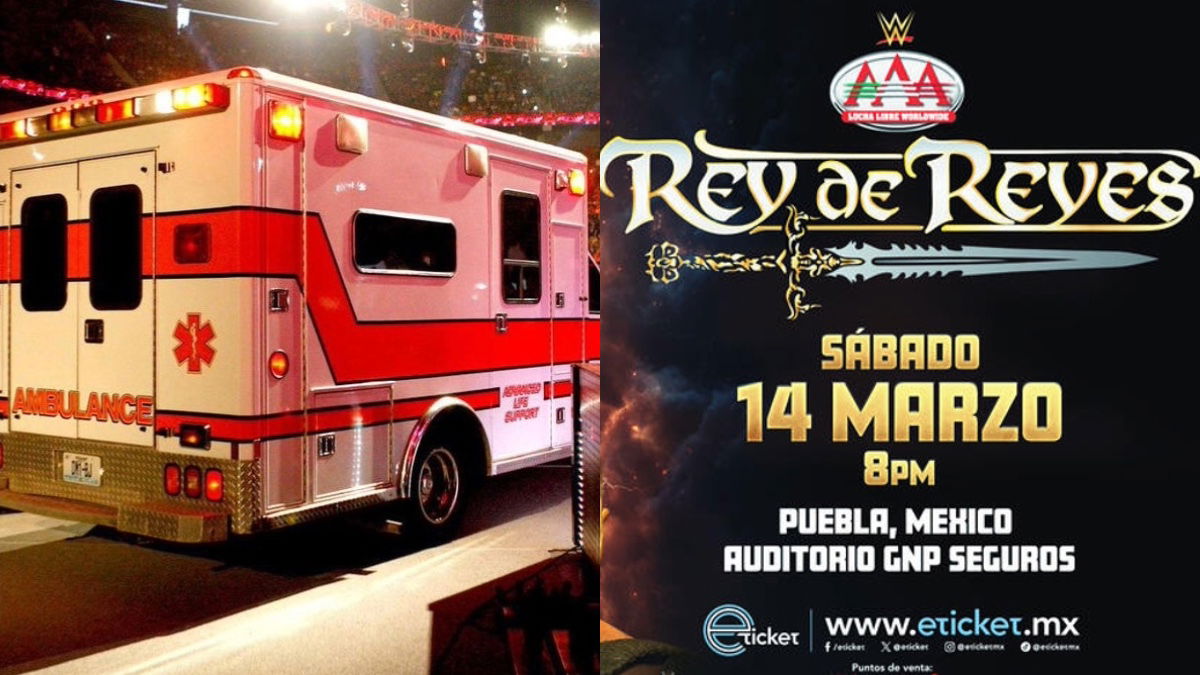
Setting the Stage: AAA Rey de Reyes and the WWE Crossover
Rey de Reyes is one of AAA’s tentpole shows, roughly their spring counterpart to Triplemania. Traditionally built around the Rey de Reyes tournament and major title matches, it’s also where AAA likes to flex its creative muscles and international relationships.
In recent years, the promotion has leaned hard into crossovers: AEW talent, independent stars, and, increasingly, WWE‑adjacent performers whose heritage or character fits the lucha landscape. That’s where Dominik Mysterio enters the picture—using his family legacy to bridge WWE’s global reach with AAA’s hardcore fanbase.
The main event at this year’s Rey de Reyes, featuring a WWE name in the AAA Mega Championship orbit, wasn’t just another booking decision. It was a business statement: WWE’s openness to letting its characters appear in controlled, story‑driven contexts outside their own ring, while AAA gets the rub of mainstream visibility.
What We Know About the Graphic Injury from Rey de Reyes
Details from the show and subsequent reports indicate the WWE star suffered a deep cut to the head/face area during the AAA Mega Championship main event. The sequence that caused the injury involved a high‑impact spot near the ropes, a hallmark of modern lucha style where the risk‑reward balance is constantly being tested.
Medical staff were quickly involved, with images surfacing afterward that showed significant blood and a stitched‑up wound. While this is far from the first time blood has appeared in a lucha main event, the combination of a WWE‑contracted wrestler, streaming audiences, and social media amplification turned it into an overnight talking point.
“It’s the kind of cut you don’t want to see, but also the kind that reminds you how thin the line is between spectacle and disaster in modern wrestling.”
Post‑match, the star reportedly received immediate medical attention and, crucially, was believed to be in stable condition. Still, the visual was strong enough that many fans speculated whether the finish or layout had to be adjusted on the fly.

Safety vs. Spectacle: The Ongoing Debate in Pro Wrestling
This injury lands squarely in the middle of a long‑running industry debate: how far should performers go to deliver “big fight feel” in a world where fans have seen almost everything?
- TV‑PG vs. TV‑14 aesthetics: WWE traditionally leans away from overt blood, while promotions like AAA and AEW are more willing to let matches get messy when the stakes are high.
- Real vs. worked danger: Fans want intensity, but the ideal is always to simulate danger, not flirt with genuine catastrophe.
- Cross‑promotion optics: When a WWE star bleeds hardway in another company’s ring, it reflects on both promotions’ safety protocols and communication.
Industry observers were quick to note that injuries like this aren’t necessarily the result of negligence; sometimes, it’s just the odds catching up to a style built on high velocity and precise timing. Still, every widely shared injury sparks conversations backstage about what’s worth the risk.

Dominik Mysterio, AAA Mega Championship Politics, and What’s Next
The injury doesn’t exist in a vacuum—it directly intersects with the storylines swirling around Dominik Mysterio and the AAA Mega Championship. Even before Rey de Reyes, fans and analysts were wondering:
- How long WWE would let Dominik work AAA dates.
- Whether he’d be positioned as a serious title threat or more of a chaos agent.
- What the endgame is for the AAA–WWE partnership on this front.
A bloody, high‑profile injury involving a WWE talent inevitably complicates that calculus. On one hand, it proves that these crossover matches feel big and unpredictable—something every booker wants. On the other, WWE is famously protective of its performers’ health, image, and schedule, particularly heading into its own premium live events.
“Cross‑promotional magic is great until somebody gets hurt—then everybody has to ask how much control they’re really willing to give up.”
Expect short‑term caution: carefully chosen spots for Dominik, tighter agenting of high‑risk sequences, and closer coordination between AAA’s producers and WWE’s office. Long‑term, though, if the business is good, both sides tend to find a way to keep dancing.
Fan and Industry Reaction: Shock, Concern, and a Bit of Cynicism
Online, the reaction mixed genuine concern with the usual wrestling‑Twitter gallows humor. Many fans praised the WWE star’s toughness in finishing the match, while others questioned whether the spot was worth the fallout.
- Supportive: Messages wishing the star a quick recovery and applauding AAA’s medical response.
- Critical: Comments about “needless risk” and “trying too hard to go viral” with dangerous stunts.
- Cynical: Speculation that the footage and images would quietly be repurposed to hype future rematches.
Behind the scenes, wrestlers understand the trade‑off better than anyone. High‑impact matches boost reputations and leverage at the negotiating table—but every scar tells a story about the invisible bill coming due later.
Where to Watch and Learn More About AAA Rey de Reyes
For those who want to see the broader context around the injury—the build, the atmosphere, and the match structure—it’s worth checking out the full Rey de Reyes show through AAA’s official broadcasting partners or replay platforms.
You can usually find up‑to‑date broadcast details and card information on:
- AAA’s official website for event listings and news.
- IMDb for larger events and documentary coverage of lucha libre and WWE stars.
- Reputable wrestling news outlets like WrestleTalk for match reports and analysis.

Final Thoughts: The Cost of Making Moments
The graphic injury at AAA Rey de Reyes is disturbing, no question—but it’s also a reminder of why pro wrestling still hits harder than almost any other scripted medium. These are real human beings pushing their bodies to the brink to create moments fans never forget.
For WWE, AAA, and performers like Dominik Mysterio, the challenge going forward is finding that elusive middle ground: matches that feel dangerous without becoming genuinely reckless, and cross‑promotional spectacles that make headlines for the right reasons.
As long as the business keeps chasing bigger, louder, more “viral” moments, incidents like this will keep testing where that line really is—and who ultimately gets to draw it.
