
Streaming Fragmentation and AI Curation: How Algorithms Are Rewriting the Future of Digital Media
Digital media is entering its most turbulent phase since the rise of Netflix and the iPhone. Video and audio catalogs are scattering across competing platforms, prices are rising, and a dense layer of artificial intelligence is now mediating what gets produced, discovered, and monetized. Tech and culture outlets such as The Verge, TechCrunch, The Next Web, and Wired are documenting how this shift is rewriting the economics of film, TV, music, podcasts, and creator content.
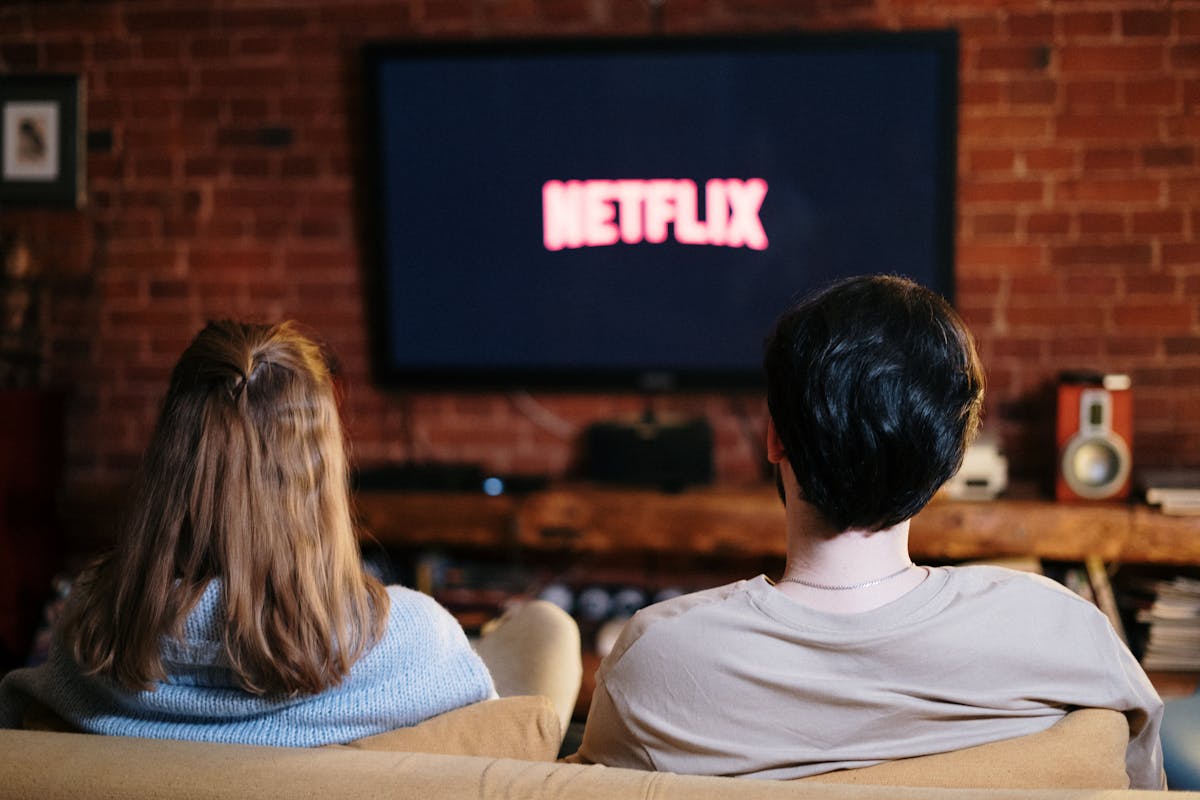
Mission Overview: A Fragmented, AI-Mediated Media Ecosystem
Streaming fragmentation and AI curation are two sides of the same transformation. As catalogs splinter and new content floods in, platforms lean on increasingly sophisticated algorithms to keep users engaged and paying. The next phase of digital media will be defined by how these forces interact.
The core dynamics reshaping the landscape are:
- Platform fragmentation: Films, shows, and sports rights are spread across many services, each with shifting exclusivity windows.
- AI-centric discovery: Recommendation systems and AI feeds increasingly determine what audiences see first.
- Generative creation tools: AI-assisted scripting, editing, dubbing, and music creation lower production barriers, but flood platforms with content.
- Algorithmic gatekeeping: A handful of discovery systems on YouTube, TikTok, Spotify, Netflix, and others act as de facto cultural editors.
“In the streaming era, the most important editor-in-chief is the recommendation algorithm.”
— Paraphrased from coverage in Wired
The New Fragmentation: From Cable Bundles to Subscription Puzzles
The early promise of streaming was simple: “everything you want, in one or two apps.” By 2024–2025, the reality is a patchwork of walled gardens. Major studios pulled content from Netflix and licensed it to their own platforms; sports rights and prestige shows move between services every few years.
How Fragmentation Shows Up for Viewers
- Rotating catalogs: Popular series jump between Netflix, Hulu, Disney+, Max, and Peacock as licensing windows change.
- Rising costs: Most major platforms have raised prices, introduced ad-supported tiers, or both.
- Account fatigue: Users juggle multiple passwords, interfaces, and different parental controls.
- Return of rentals: There’s renewed interest in transactional rentals and purchases via services like Apple TV or Amazon’s Prime Video store.
Coverage on outlets similar to the late Recode and on The Verge’s streaming wars hub notes growing “subscription fatigue.” Consumers are increasingly experimenting with “churn” strategies—subscribing for a single show, then canceling immediately after.
“The new bundle isn’t a neat package sold by one company; it’s a spreadsheet that lives in your head.”
— Adapted from themes in The Verge’s streaming economics coverage
Tools for Surviving Fragmentation
To manage the chaos, many users rely on:
- Universal search and watchlist apps that track where titles are currently streaming.
- TV operating systems (Roku, Fire TV, Google TV, Apple TV) that aggregate content across installed apps.
- Price tracking and deal newsletters focused on promotional bundles and seasonal discounts.
For power viewers, an external streaming device like the Amazon Fire TV Stick 4K Max can help centralize search and recommendations across multiple services.
Technology: AI Curation as the New Programming
As catalogs and creators multiply, the bottleneck shifts from distribution to attention. AI-driven recommendation systems have become the de facto “programming departments” of the internet. They decide which videos land on your Netflix home row, which songs autoplay after your playlist, and which TikToks fill your For You page.

Inside Modern Recommendation Engines
Traditional recommendation systems relied heavily on collaborative filtering (“people who liked X also liked Y”). Newer models combine multiple ingredients:
- Fine-grained behavior data: Watch time, scroll speed, skips, rewinds, likes, comments, shares, and even pause points.
- Content understanding: Deep learning models that analyze audio, video frames, subtitles, and metadata to classify topics, moods, and genres.
- Contextual signals: Time of day, device, network, location, and recent sessions to infer whether you want background music or a deep-dive documentary.
- Reinforcement learning: Systems that continuously update what they show based on engagement feedback in near-real time.
Platforms such as Spotify, YouTube, TikTok, and Netflix have actively expanded their AI discovery capabilities. TikTok’s For You feed and YouTube’s home and Shorts feeds exemplify this high-velocity, engagement-optimized curation.
“Recommender systems are increasingly central, not peripheral, to the digital economy.”
— Joseph A. Konstan & John Riedl, early recommender-systems researchers (ACM Communications)
Cross-Platform and Multi-Modal AI
A frontier trend is multi-modal AI that integrates text, audio, and video understanding. For instance:
- Automatic extraction of topics and entities from transcripts.
- Scene detection and highlight extraction from raw video.
- Sentiment and mood analysis of music, voices, and discussions.
These capabilities feed into personalized feeds, ad targeting, and content tagging, making curation more precise—but also more opaque.
Generative AI in Production: Lower Barriers, Higher Volume
At the same time, creators are increasingly using generative AI to plan, produce, and repurpose content. Startups highlighted by The Next Web and TechCrunch are building tools tailored for YouTubers, Twitch streamers, podcasters, and TikTok creators.
Common AI Workflows for Creators
- Scripting & ideation: Large language models generating outlines, titles, hooks, and even full scripts.
- Editing & post-production: AI tools that cut dead air, remove filler words, and synchronize multi-camera footage.
- Thumbnails & graphics: Image generators and template-based tools that create high-conversion thumbnails.
- Localization: AI dubbing and voice cloning to translate content while preserving the creator’s voice.
- Highlight reels: Automated selection of “best moments” from long streams or podcasts into TikTok- or Reels-ready clips.
These workflows significantly reduce production friction. A single two-hour livestream can be algorithmically transformed into dozens of short clips with captions in multiple languages, radically expanding reach.

“Generative AI won’t replace creators, but creators who use AI will outpace those who don’t.”
— Common sentiment among creator-economy analysts on platforms like LinkedIn
The Downside: Content Deluge
Lowering production costs also increases supply. Platforms now ingest:
- Millions of hours of video per day on YouTube and TikTok.
- Hundreds of thousands of new podcast episodes weekly.
- Rapidly rising volumes of AI-generated music and remixes.
This makes algorithmic curation even more central: if recommendation systems are the gatekeepers, then more content simply means more competition to be surfaced.
AI and Streaming in Music: From Playlists to Synthetic Artists
Music streaming has long been shaped by algorithms—Spotify’s Discover Weekly and Release Radar, Apple Music’s personalized mixes, and YouTube Music’s recommendations. What’s new is the rapid rise of AI-generated music and voice cloning.
AI-Enhanced Discovery
Platforms are experimenting with:
- AI DJs and hosts that provide spoken commentary between tracks (e.g., Spotify’s AI DJ experiments).
- Hyper-personalized playlists tailored for micro-moments (focus, workouts, short commutes).
- Auto-generated highlight reels of an artist’s catalog based on your past listening.
AI-Generated Music and Legal Uncertainty
On YouTube and other platforms, AI-generated tracks that mimic popular artists’ voices have triggered intense debates around:
- Copyright: Whether training AI on copyrighted recordings is a fair use or requires licensing.
- Royalties: How to compensate human artists when AI imitates their style or voice.
- Disclosure: Whether listeners should be clearly informed when a track is AI-generated.
“We will fight to ensure that human artistry is properly respected and compensated in the age of AI.”
— Recording Industry Association of America (RIAA), in public statements about AI music
For listeners looking to explore these dynamics critically, a high-quality pair of headphones such as the Sony WH-1000XM5 can make subtle differences in production and mastering—AI-generated or otherwise—more apparent.
Podcasting: AI Summaries, Translation, and Short-Form Discovery
Podcasting, once dominated by manual editing and simple RSS distribution, is now deeply entwined with AI tooling and platform algorithms.
Production and Post-Production AI
- Automatic transcription: Near-real-time speech-to-text enables searchable archives and accessible show notes.
- Summarization: AI-generated episode summaries and chapter markers improve navigation and searchability.
- Translation and dubbing: Creators can launch multi-language feeds with AI-translated, re-voiced episodes.
- Noise reduction & mastering: Automated audio enhancement tools reduce production overhead.
Spotify and other platforms have tested AI-generated recaps and personalized highlight feeds, surfacing short clips tailored to each listener’s interests.
Short Clips as Discovery Engines
Short-form video platforms—TikTok, Instagram Reels, YouTube Shorts—have become primary discovery vectors for podcasts:
- Creators generate vertical clips with auto-captions and visualizers.
- Algorithms push viral clips to new audiences.
- Links and pinned comments route viewers back to full episodes on podcast apps.
This feedback loop rewards podcasts that are easily “clip-able”: strong hooks, quotable moments, and visually engaging studio setups.
Creators and the Algorithm: Strategies in an AI-Defined Feed
With AI recommendation systems deciding visibility, creators increasingly treat “understanding the algorithm” as part of their job. BuzzSumo and Google Trends show recurring spikes in searches for “algorithm changes,” “YouTube SEO,” and “TikTok reach drops,” often correlated with platform updates or controversies.
Common Creator Strategies
- Format optimization: Testing video length, aspect ratio, and pacing to maximize watch time and completion rates.
- Metadata tuning: Crafting titles, thumbnails, tags, and descriptions that match algorithmic topic clusters.
- Posting cadence: Maintaining regular upload schedules to help models predict and retain audience engagement.
- Multi-platform hedging: Repurposing content across YouTube, TikTok, Instagram, and Twitch to reduce dependence on any single feed.
“If you rely on one platform, you’re building your house on rented land.”
— Repeated advice from creator-education channels on YouTube and newsletters like The Publish Press
For serious creators, a hardware setup that supports rapid content iteration—such as a reliable USB microphone like the Blue Yeti USB Microphone —pairs well with AI editing tools to shorten production cycles.
Concentration of Power and the Opaque Algorithm Problem
As recommendation systems become more influential, concerns about power concentration have intensified. A small number of companies—Google (YouTube), Meta (Instagram, Facebook), ByteDance (TikTok), Netflix, Spotify, Amazon, Apple—control the algorithms that route attention and revenue.
Key Concerns
- Discoverability and fairness: Independent creators and smaller studios fear that opaque changes can suddenly tank their visibility and income.
- Bias and representation: There is ongoing research into whether recommendation systems systematically under- or over-represent certain demographics or viewpoints.
- Economic dependency: Artists and creators often depend on a single platform for most of their audience, giving platforms immense leverage in negotiations.
- Regulatory gaps: Policy debates in the US, EU, and elsewhere question how transparent these systems should be and whether they should be auditable.
“When algorithms become the editors of culture, the question is no longer what people want, but what the model decides to show them.”
— Interpreting arguments from algorithmic accountability reporting in Wired
Toward More Accountable Recommendation Systems
Scholars and policy advocates have proposed several measures:
- Transparency reports detailing major algorithm changes and their observed effects.
- User choice of recommender (e.g., chronological, diversity-optimized, or local-first feeds).
- Independent audits of algorithmic systems for bias, safety, and competitive impacts.
- Data portability so creators and users can move their social graphs and preferences between platforms.
Scientific and Cultural Significance
The shift toward AI-mediated media has deep implications for how knowledge, culture, and public opinion evolve.
From Broadcast to Personalized Bubbles
Earlier broadcast models exposed large audiences to the same content, creating shared cultural reference points. Hyper-personalized feeds optimize for individual engagement, which can:
- Increase relevance and satisfaction for each user.
- Risk filter bubbles and echo chambers if diversity of exposure is low.
- Fragment the public sphere into many micro-audiences.
A growing body of research in computational social science and media studies explores how algorithmic feeds influence polarization, misinformation flows, and civic engagement.
Data as a Cultural Substrate
AI systems trained on massive corpora of audio and video effectively encode patterns of culture into statistical models. This raises questions such as:
- Who owns the “style” of a genre or artist when an AI can reproduce it?
- How do minority languages and subcultures fare in training data that skews toward dominant groups?
- What happens when synthetic content becomes part of the training data for future models?
Key Milestones in the AI-Driven Streaming Era
While the landscape evolves continuously, several milestones mark turning points in how AI and streaming intersected:
Illustrative Milestones (2010s–Mid-2020s)
- Advent of personalized playlists like Spotify’s Discover Weekly, normalizing algorithmic discovery.
- Global launch of Netflix’s recommendation-powered interface that surfaces personalized rows instead of static catalogs.
- Rise of TikTok’s For You feed, showcasing the power of short-form, AI-curated videos to generate global hits from unknown creators.
- Breakout viral “AI songs” using voice cloning of major artists, prompting industry backlash and legal scrutiny.
- Platform-level AI tools for creators, including automated dubbing, thumbnail generation, and highlight extraction.
- Policy debates and draft regulations in the EU, US, and elsewhere around transparency and accountability for digital platforms’ algorithms.
Challenges: Regulation, Business Models, and Trust
This new phase of digital media comes with overlapping challenges that affect users, creators, and platforms alike.
For Platforms
- Balancing engagement vs. well-being: Maximizing watch time can conflict with mental health, information quality, and brand safety.
- Monetization strain: Rising content costs and subscriber fatigue pressure margins, leading to ad-tier experimentation and password-sharing crackdowns.
- Regulatory risk: Governments may impose transparency, content, or data-sharing requirements that alter recommendation strategies.
For Creators and Rights Holders
- Revenue volatility: Small algorithm changes or demonetization decisions can dramatically shift income.
- IP protection in the AI age: Difficulty enforcing rights against synthetic copies and model training.
- Platform dependency: Lack of bargaining power and limited insight into why content succeeds or fails.
For Audiences
- Choice overload: Fragmented catalogs and endless feeds can lead to decision fatigue.
- Opacity: Users rarely understand why they are seeing specific recommendations.
- Trust: Distinguishing between authentic and AI-generated content, sponsored placements, or manipulated metrics can be challenging.
Practical Guidance: Navigating the Next Phase of Digital Media
Despite the complexity, both audiences and creators can take concrete steps to navigate this ecosystem more deliberately.
For Viewers and Listeners
- Curate your own bundles: Periodically audit subscriptions, rotate services, and use rental/purchase options for must-watch titles.
- Use cross-platform tools: Rely on universal watchlist apps, RSS, and newsletters to discover content outside your main feed.
- Vary your inputs: Occasionally search manually, follow independent curators, and sample content from different countries and genres.
- Learn to read recommendation cues: Many platforms label “Because you watched…” or “Sponsored” content—treat these labels as context, not noise.
For Creators
- Invest in durable assets: Email lists, owned websites, and communities (e.g., Discord, Patreon) that sit outside any single algorithm.
- Leverage AI judiciously: Use AI for scripting, editing, and localization, but maintain human oversight and a clear creative voice.
- Measure, don’t guess: Use analytics to test formats, thumbnails, and hooks rather than relying on folk wisdom about “the algorithm.”
- Cross-pollinate: Push audiences back and forth between long-form and short-form channels to reduce dependence on any single feed.
Conclusion: Toward a More Intentional AI-Driven Media World
Streaming fragmentation and AI curation are not temporary disruptions; they are structural shifts. Catalogs will likely remain distributed across competing services, while AI systems grow more sophisticated in recommending, summarizing, and even generating content.
The open question is whether this environment becomes:
- A rich, pluralistic ecosystem where diverse creators thrive and audiences enjoy meaningful, varied content.
- Or a highly centralized attention economy in which a few opaque algorithms effectively define what culture is visible.
Achieving the former outcome will require progress on technical transparency, thoughtful regulation, and a shift in mindset from both platforms and users—from passive consumption to active, intentional engagement.
Further Exploration and Resources
To dive deeper into the evolving intersection of streaming and AI, consider exploring:
- The Verge’s YouTube channel for coverage of streaming devices, services, and media policy.
- Wired on YouTube for algorithm and AI explainers.
- The academic survey “Recommender Systems Handbook” (Ricci et al.) for a rigorous treatment of recommendation algorithms.
- Creator-economy newsletters like The Publish Press and CNBC’s creator economy coverage.
References / Sources
Selected sources and further reading:
- The Verge – Streaming Wars coverage
- TechCrunch – Streaming and media tag
- The Next Web – Artificial Intelligence
- Wired – Streaming tag
- Konstan & Riedl – Recommender systems at work (ACM)
- Recording Industry Association of America (RIAA)
- Google Trends – Interest in “streaming price hikes,” “AI music,” “algorithm changes”
- BuzzSumo – Topic trend analysis for digital media and AI
