
Why You’re Still Exhausted After 8 Hours of Sleep (And What a Sleep Expert Wants You to Fix First)
You go to bed on time, log what should be a “perfect” eight hours, and still wake up feeling like you never slept. You’re not imagining it—and you’re definitely not alone.
Sleep experts, including licensed clinical psychologist and behavioral sleep medicine specialist Dr. Wendy Troxel, emphasize that it’s not just how long you sleep—it’s how well you sleep. From hidden sleep disorders to lifestyle habits that quietly sabotage rest, there are science-backed reasons your eight hours might not be doing the job.
In this article, we’ll unpack the real reasons you’re still exhausted after 8 hours of sleep, plus practical, realistic changes you can start tonight to improve sleep quality and wake feeling more refreshed.

Quantity vs. Quality: Why 8 Hours Isn’t a Magic Number
The classic advice—“get eight hours of sleep”—is a helpful guideline, but it’s only part of the story. Adults typically need 7–9 hours of sleep per night, according to the American Academy of Sleep Medicine, but:
- Your personal “ideal” may be closer to 7 hours or closer to 9.
- Time in bed is not the same as time asleep.
- Poorly structured sleep (frequent awakenings, shallow sleep) leaves you tired even if the clock says eight hours.
“We tend to focus on sleep duration, but what truly restores the brain and body is consolidated, high-quality sleep—especially deep and REM sleep.”
— Summary of expert perspectives in behavioral sleep medicine, including Dr. Wendy Troxel
In other words, it’s possible to spend eight hours in bed but get only five or six hours of effective sleep.
How Healthy Sleep Is Supposed to Work
To understand why you’re exhausted, it helps to know what a normal sleep architecture looks like. During the night, you cycle through:
- Light sleep (N1, N2): Transitional, easy to wake from. Makes up roughly half your night.
- Deep sleep (N3): Physically restorative sleep. Tissue repair, immune function, and growth hormone release are active here.
- REM sleep: The brain’s “cleanup crew.” Important for memory, learning, and emotional processing.
You cycle through these stages about every 90–110 minutes. If these cycles are constantly interrupted—from noise, pain, breathing issues, or stress—your body doesn’t get enough deep or REM sleep, even if the total hours look “normal.”
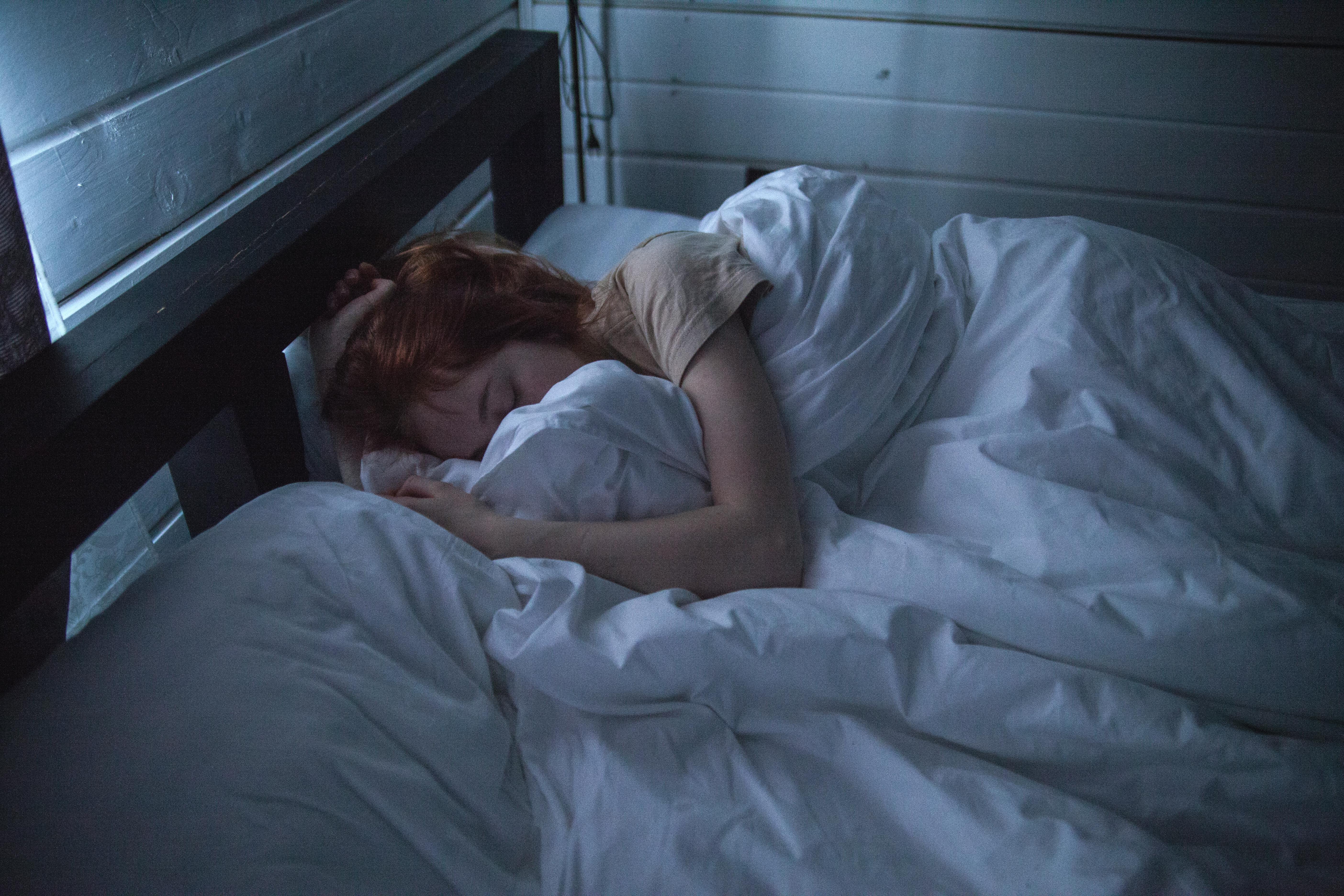
7 Evidence-Based Reasons You’re Still Tired After 8 Hours
The causes of daytime fatigue are rarely just one thing. Often, several factors pile up. Below are some of the most common, supported by current sleep research as of 2026.
1. You’re in Bed for 8 Hours, But Not Asleep for 8 Hours
Lying in bed awake, scrolling your phone, or tossing and turning cuts into your actual sleep duration. Many people overestimate how much they’re truly asleep by 30–60 minutes (or more).
Sleep efficiency—the percentage of time in bed you actually spend asleep—matters. A healthy target is 85% or higher.
- In bed for 8 hours with 6.5 hours asleep = low sleep efficiency.
- In bed for 7.5 hours with 7 hours asleep = better efficiency and often better rest.
2. Fragmented Sleep: Micro-Awakenings You Don’t Remember
You can wake up dozens of times per night without realizing it. These micro-awakenings break up deep and REM sleep, leaving you unrefreshed.
Causes include:
- Noise (traffic, snoring partner, pets jumping on the bed)
- Room too hot or too cold
- Pain or needing to use the bathroom
- Alcohol close to bedtime
3. Undiagnosed Sleep Disorders (Like Sleep Apnea)
Conditions like obstructive sleep apnea, restless legs syndrome, and periodic limb movement disorder can severely disrupt sleep without you being fully aware.
Sleep apnea, for example, causes repeated pauses in breathing. Each time, your brain briefly wakes up to reopen the airway. This can happen dozens of times per hour.
- Loud snoring or gasping at night
- Morning headaches or dry mouth
- Waking unrefreshed despite “enough” sleep
4. Circadian Rhythm Mismatch
Your body has an internal clock—your circadian rhythm—that regulates when you feel sleepy or alert. If your sleep schedule fights your biology, you can feel groggy even with enough hours.
Common culprits:
- Late-night screen time and bright light delaying melatonin release
- Irregular bedtimes and wake times (weekday vs. weekend swings)
- Shift work or frequent travel across time zones
5. Stress, Anxiety, and “Tired but Wired” Brain
Mental and emotional health are tightly linked to sleep. High stress and anxiety can lead to:
- Trouble falling asleep (racing thoughts)
- Shallower, more fragmented sleep
- Early-morning awakenings
Even if you technically sleep for eight hours, the quality of those hours is often lower when stress is high.
6. Lifestyle Habits That Quietly Sabotage Sleep Quality
Several everyday choices can erode sleep without you noticing:
- Caffeine late in the day (for some, after noon is too late).
- Alcohol in the evening, which may help you fall asleep but disrupts deep and REM sleep later.
- Heavy dinners or spicy foods close to bedtime, leading to reflux or discomfort.
- Inactivity: low daytime movement can reduce sleep pressure at night.
7. Underlying Medical or Nutritional Issues
Sometimes, persistent fatigue is less about sleep and more about what’s happening in your body. Conditions associated with tiredness include:
- Thyroid disorders
- Anemia or iron deficiency
- Chronic pain conditions
- Depression or other mood disorders
- Chronic fatigue–spectrum conditions
In these cases, improving sleep habits helps—but it may not completely fix the problem without addressing the underlying condition.
A Real-Life Example: From “I Sleep 8 Hours” to “I Finally Feel Rested”
Consider a typical scenario I’ve seen described in behavioral sleep research:
Alex, 38, went to bed at 11 p.m. and set an alarm for 7 a.m.—a full eight hours. Still, Alex woke up foggy, relied heavily on coffee, and hit a midafternoon crash most days.
After tracking sleep and habits, several patterns emerged:
- Scrolling on the phone in bed until midnight or later.
- Two glasses of wine most evenings “to unwind.”
- Waking up multiple times to use the bathroom but forgetting by morning.
- Huge schedule swing on weekends (sleeping 1–2 hours later).
With small, consistent changes—limiting alcohol, setting a “screens off” time, and keeping wake times more consistent—Alex’s sleep efficiency and deep sleep improved. The clock still showed roughly eight hours in bed, but now more of that time was high-quality sleep, and morning energy slowly followed.
The key takeaway from cases like Alex’s: you don’t always need more hours—you need better use of the hours you already have.
Practical, Science-Backed Ways to Improve Sleep Quality
You don’t have to overhaul your entire life to sleep better. The strategies below are grounded in cognitive behavioral therapy for insomnia (CBT-I) principles and mainstream sleep medicine.
1. Protect a Consistent Wake Time
Of all sleep habits, a regular wake-up time—even on weekends—may be the most important for stabilizing your circadian rhythm.
- Choose a wake time you can realistically keep 6–7 days a week.
- Work backward to set a reasonable target bedtime.
- Give this rhythm at least 2–3 weeks before you judge the results.
2. Strengthen Your “Sleep Window” (Sleep Efficiency)
Instead of spending long, restless hours in bed, aim to match your time in bed more closely with your time asleep.
- Go to bed when you’re actually sleepy, not just because the clock says so.
- If you can’t sleep after about 20–30 minutes, get out of bed and do something quiet and non-screen-based in dim light until you feel sleepy again.
- Reserve your bed for sleep and intimacy, not work, TV, or endless scrolling.
3. Optimize Your Sleep Environment
Creating a “sleep-friendly” bedroom can significantly reduce disturbances and micro-awakenings:
- Cool temperature: Around 60–67°F (15–19°C) is generally recommended.
- Darkness: Blackout curtains or a sleep mask can help.
- Quiet: Earplugs or white-noise machines can buffer noise.
- Comfortable bedding: If you wake up sore, consider your mattress and pillow support.

4. Watch Caffeine, Alcohol, and Evening Eating
You don’t necessarily have to give these up, but timing and quantity matter.
- Caffeine: Many sleep experts suggest cutting off by early afternoon (around 12–2 p.m.), especially if you’re sensitive.
- Alcohol: Limit quantity and avoid drinking within 3–4 hours of bedtime when possible.
- Food: Aim for your largest meal earlier in the day and keep late-night snacks light.
5. Create a Wind-Down Routine for a “Tired Brain”
If you’re “tired but wired,” your nervous system may need help shifting from “go mode” to “rest mode.”
- Set a “screens-off” time 30–60 minutes before bed.
- Dim the lights to cue your brain that night is coming.
- Add calming rituals—reading a physical book, gentle stretching, journaling, or breathing exercises.
6. Move Your Body—But Time It Right
Regular physical activity is associated with better sleep quality and deeper sleep stages. However:
- Morning or afternoon movement is often ideal for sleep.
- Vigorous workouts very close to bedtime can be too stimulating for some people.
- Even light activity—like a 10–20 minute walk—can help regulate your circadian rhythm.
7. Know When to Seek Professional Help
If you’ve worked on your sleep habits for several weeks and still feel profoundly exhausted—or if you notice red flags like loud snoring, choking, or significant mood changes—it’s time to check in with a professional.
- Discuss symptoms with your primary care clinician.
- Ask whether a sleep study or lab work (for anemia, thyroid issues, etc.) is appropriate.
- Consider evidence-based therapies like CBT-I for chronic insomnia.
Getting a proper evaluation can uncover issues you can’t fix with habits alone—and that’s not a failure on your part; it’s a sign your body needs medical support.
Common Obstacles—and How to Work Around Them
Real life doesn’t always cooperate with ideal sleep guidelines. Here’s how to stay practical and compassionate with yourself while still moving toward better rest.
“My Schedule is Unpredictable”
Shift work, caregiving, and demanding jobs can make consistent bedtimes tough.
- Anchor at least one constant—often your wake time or “first get-out-of-bed time” after your main sleep period.
- Use bright light when you need to be awake and darkness when you need to sleep, even if it’s daytime.
- Protect sleep “windows” like appointments when possible.
“Evenings Are My Only ‘Me Time’”
Many people stay up late to reclaim personal time. The trade-off is less and poorer sleep, which can make the next day harder.
- Start with a small shift—15–30 minutes earlier to bed—rather than a full overhaul.
- Protect “me time” but choose activities that are restorative rather than activating close to bedtime.
- Experiment with micro-moments of “me time” earlier in the day to reduce the pressure at night.
“I Feel Guilty Needing So Much Sleep”
Some people naturally need closer to nine hours of sleep, while others feel fine on seven. This isn’t laziness; it’s biology.
There is no single “correct” amount of sleep for every person. The right amount is the one that allows you to feel alert, safe, and functional during the day—without relying excessively on stimulants.
Pulling It Together: A Gentle Game Plan for the Next 2 Weeks
To avoid overwhelm, focus on just a few levers at a time. Here’s a simple, realistic plan to test for 10–14 days:
- Pick a consistent wake time and stick within 30 minutes of it each day.
- Set a nightly “screens-off” window of at least 30 minutes before bed.
- Limit caffeine after midday and avoid heavy late-night meals.
- Tune your bedroom: darker, cooler, and quieter where possible.
- Track how you feel (energy, mood, focus) rather than obsessing over sleep apps alone.
If your daytime energy starts to improve, you’re moving in the right direction. If not, especially if you’re profoundly tired, snoring loudly, or noticing other concerning symptoms, consider that there may be a medical or sleep-disorder component worth evaluating.
You Deserve Real Rest—Not Just More Time in Bed
Feeling exhausted after eight hours of sleep is not a personal failing. It’s a signal—from your body, your brain, or your environment—that something about your sleep isn’t truly restorative yet.
You don’t have to fix everything at once. Start with one or two changes that feel doable this week, and build from there. If you’ve tried several strategies and still feel depleted, reaching out to a healthcare or sleep specialist is a strong, proactive step—not a last resort.
Tonight, choose one small action—maybe dim the lights earlier, keep your phone out of bed, or set a consistent wake time for tomorrow. Your future, better-rested self will thank you.
Further Reading and Trusted Resources
For more on sleep quality and fatigue, explore:
- American Academy of Sleep Medicine – How Much Sleep Do We Really Need?
- Centers for Disease Control and Prevention – Sleep and Sleep Disorders
- National Heart, Lung, and Blood Institute – Sleep Apnea
- American Psychological Association – Why Sleep is Important
This article is for informational purposes only and is not a substitute for personalized medical advice. Always consult a qualified healthcare professional about your specific situation.
