
The #1 Natural Sweetener Experts Love for Steady Blood Sugar (Without Giving Up Dessert)
Finding a sweetener that won’t send your blood sugar soaring can feel frustrating—especially if you’re living with diabetes, prediabetes, or insulin resistance. You want something that feels like real sugar, but your glucose meter keeps reminding you otherwise.
The good news: dietitians and physicians increasingly agree on one standout option—a natural sweetener that tastes close to sugar, has minimal impact on blood glucose, and can fit into most diabetes-friendly eating plans when used wisely.
In this guide, we’ll look at the expert-backed number-one natural sweetener to avoid blood sugar spikes, why it works, how to use it, and what to watch out for—so you can enjoy sweetness with a lot less worry.

The AOL.com article you referenced features a dietitian and a physician who highlight non-nutritive, low–glycemic index sweeteners as the best choice for minimizing blood sugar spikes. While different experts may rank specific products slightly differently, there’s strong consensus that stevia (especially purified stevia extracts) and monk fruit (luo han guo) are top choices.
Among these, many clinicians now lean toward stevia as the most widely available, well-studied natural sweetener that doesn’t significantly raise blood glucose when used in typical amounts.
What Does It Really Mean to “Avoid Blood Sugar Spikes”?
When we talk about a sweetener that “doesn’t spike blood sugar,” we’re really talking about:
- Minimal rise in blood glucose after eating or drinking
- Little to no increase in insulin demand
- A low or zero glycemic index (GI) and glycemic load (GL)
For people with diabetes or prediabetes, keeping post-meal glucose stable is crucial for:
- Preventing energy crashes and cravings
- Protecting blood vessels, eyes, kidneys, and nerves over time
- Reducing the risk of cardiovascular disease
Meet Stevia: The Top Natural Sweetener for Stable Blood Sugar
Stevia comes from the leaves of the Stevia rebaudiana plant. The sweet-tasting compounds—called steviol glycosides—are extracted and purified to make the packets, drops, and baking blends you see in stores.

Stevia is often considered the number-one natural sweetener for blood sugar because:
- It has essentially zero calories and zero carbs in practical serving sizes.
- It does not significantly raise blood glucose or insulin levels in most human studies.
- It’s plant-derived and widely available in grocery stores and cafés.
- It’s heat stable, so you can cook and bake with it (with some recipe adjustments).
“Steviol glycosides have not been found to increase blood glucose or insulin response in either healthy individuals or those with diabetes when consumed within acceptable daily intake levels.”
— Summary of findings from clinical trials on stevia and glycemic control
How Stevia Affects Blood Sugar: A Quick Science Snapshot
Several clinical studies have looked at how stevia impacts blood sugar compared with regular sugar:
- In randomized controlled trials, stevia-sweetened foods did not cause significant rises in post-meal blood glucose compared with sugar-sweetened versions.
- Some research suggests stevia may slightly improve markers like insulin sensitivity and fasting glucose, although results are mixed and doses vary.
- Regulatory authorities including the U.S. FDA and the European Food Safety Authority consider high-purity steviol glycosides safe within established intake limits.
Mechanistically, stevia:
- Isn’t broken down into glucose like table sugar is
- Is largely excreted after metabolism in the liver
- Doesn’t contribute meaningfully to carbohydrate load
How Does Stevia Compare to Monk Fruit, Honey, and Others?

“Natural” doesn’t automatically mean “blood-sugar friendly.” Here’s a simplified comparison using typical portions:
| Sweetener | Calories / Carbs (per tsp) | Blood Sugar Impact |
|---|---|---|
| Stevia (purified extract) | ≈0 kcal, 0 g carbs | Minimal to none |
| Monk fruit extract | ≈0 kcal, 0 g carbs | Minimal to none (similar to stevia) |
| Table sugar (sucrose) | 16 kcal, 4 g carbs | Significant spike |
| Honey / Maple syrup | ≈21 kcal, 5–6 g carbs | Significant spike (still sugar) |
| Coconut sugar | 16 kcal, 4 g carbs | Slightly lower GI than sugar, but still raises glucose |
Monk fruit is another excellent option that, like stevia, has minimal effect on blood sugar. Some people prefer its taste. But stevia remains the more widely studied and accessible choice in many regions, which is why many experts highlight it as their first recommendation.
A Real-World Example: Swapping Sugar for Stevia
In clinic settings, a common situation looks like this:
- A person with type 2 diabetes drinks 2–3 sugar-sweetened coffees or teas daily.
- Each drink has 2 teaspoons of sugar—adding up to 12–18 grams of sugar a day just from beverages.
- Post-breakfast glucose readings often jump 40–60 mg/dL or more.
When they swap the sugar for stevia (or a stevia–monk fruit blend), and keep everything else the same:
- Daily added sugar intake drops significantly.
- Post-meal glucose rises are often noticeably smaller.
- They feel less guilty about enjoying their morning drink.
“I was surprised that simply changing what I sweetened my coffee with made such a difference on my meter. I still get to enjoy something sweet, but my readings aren’t all over the place afterwards.”
— Composite anecdote based on common patient experiences
How to Use Stevia in Everyday Life (Without Hating the Taste)
Stevia can taste slightly bitter or “licorice-like” to some people, especially in high amounts. A few simple strategies can make it much more enjoyable.
- Start small and blend with other flavors.
- Use stevia to sweeten drinks that already have flavor—like coffee, chai, or herbal tea.
- Add cinnamon, vanilla extract, or a splash of milk for a more rounded taste.
- Try different brands and forms.
- Liquid drops often taste smoother than some powder packets.
- Look for products labeled “stevia extract” or “reb A” with minimal fillers.
- Use blends for baking.
- Stevia baking blends (often mixed with erythritol or allulose) measure more like sugar.
- Follow recipes specifically developed for stevia to avoid dry or overly sweet results.
- Gradually reduce overall sweetness.
- If you’re used to very sweet foods, your taste buds can adjust over 2–4 weeks.
- Try cutting sweetness by 25% every week until you’re satisfied with less.

Before & After: A Simple Sweetener Swap
Here’s a hypothetical “before and after” of someone with diet-controlled type 2 diabetes who changes only their sweetener in drinks:

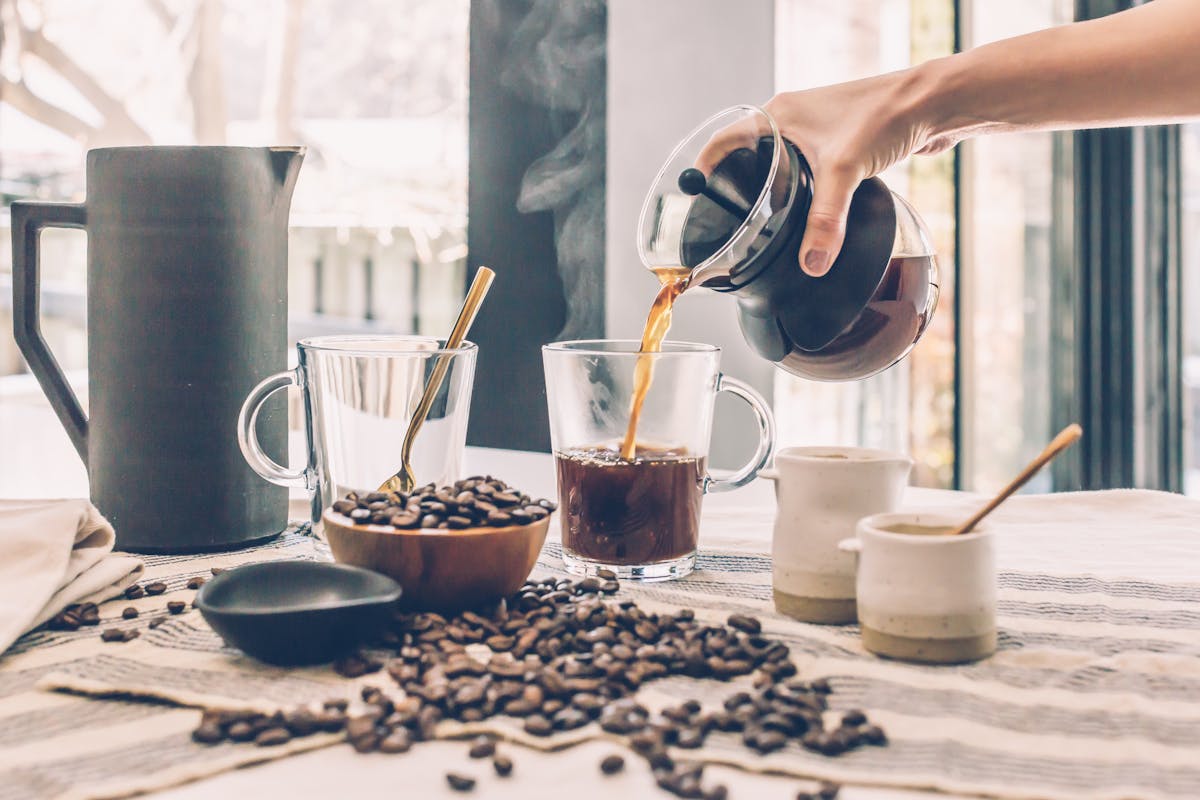
Individual responses vary, but continuous glucose monitor (CGM) data often shows flatter glucose curves when sugary drinks are replaced with stevia- or monk-fruit–sweetened options.
Common Obstacles (and How to Get Past Them)
Shifting away from sugar isn’t just a nutrition change—it’s also about habits, emotions, and taste preferences. Here are common hurdles people face and practical ways through them:
- “I don’t like the aftertaste.”
- Try different brands or liquid forms; taste can vary a lot.
- Use stevia in combination with a small amount of sugar or fruit at first, then taper down.
- “I’m confused by labels.”
- Look for products that list stevia leaf extract or steviol glycosides high on the ingredient list.
- Be cautious with products where sugar, dextrose, or maltodextrin are main ingredients.
- “I worry about safety.”
- High-purity stevia extracts have been evaluated by major regulatory bodies and deemed safe within acceptable daily intake levels.
- If you’re pregnant, breastfeeding, on multiple medications, or have kidney/liver disease, discuss any new sweeteners with your healthcare team.
- “I use sweets to cope with stress.”
- Swapping sugar for stevia can help, but also consider non-food stress strategies: walks, calls with a friend, breathing exercises, or journaling.
- A diabetes educator or therapist can help you untangle emotional eating patterns.
Safety, Side Effects, and Who Should Be Cautious
For most people, stevia appears safe when used within normal food amounts. That said, it’s helpful to keep these points in mind:
- Acceptable Daily Intake (ADI): Regulatory agencies set conservative limits to ensure safety over a lifetime. Typical everyday use usually stays well below these levels.
- Digestive issues: Stevia itself is usually well tolerated, but blends containing sugar alcohols (like erythritol) may cause gas or loose stools in some people, especially in large amounts.
- Blood pressure and medications: Some early research suggested mild blood-pressure-lowering effects, though findings are inconsistent. If you’re on blood pressure medications, monitor as you would with any diet change.
- Allergies: True stevia allergy is rare but possible. Stop use and seek medical advice if you notice itching, rash, or other allergic-type symptoms.
A 7-Day Mini Plan to Start Using Stevia Without Feeling Deprived
You don’t have to overhaul your whole diet at once. Here’s a gentle week-long approach:
- Day 1–2: Track added sugars.
- Notice where you add sugar: coffee, tea, cereal, yogurt, sauces.
- Write down approximate teaspoons per day.
- Day 3: Swap one drink.
- Replace sugar in just one daily drink with stevia.
- Adjust the amount until it tastes acceptable, not perfect.
- Day 4–5: Expand to all sweetened drinks.
- Use stevia (or water/unsweetened drinks) for all beverages you usually sweeten.
- If you use a glucose meter or CGM, compare readings to the previous week.
- Day 6: Tackle one food.
- Choose one food—like yogurt or oatmeal—and switch from sugary versions to plain plus stevia and fruit.
- Day 7: Reflect and adjust.
- Notice any changes in energy, cravings, and glucose readings.
- Decide where stevia fits naturally and where you prefer smaller amounts of real sugar.
Key Takeaways: Building a Kinder Relationship with Sweetness
You don’t have to choose between enjoying something sweet and caring for your blood sugar. The current evidence and expert opinions—including those highlighted in the AOL.com piece—suggest that:
- Stevia is a leading natural sweetener that has minimal impact on blood glucose when used in normal amounts.
- Monk fruit is a strong alternative with similar blood-sugar benefits and may taste better to some people.
- Honey, agave, maple syrup, and coconut sugar are still sugars and can raise blood glucose, even though they’re natural.
- The real power comes from overall patterns—less added sugar, more whole foods, and consistent habits.
If you live with diabetes or are working to keep your blood sugar stable, consider this your next step:
Choose one sugary habit to swap for stevia this week—and keep an eye on how your body responds. Take notes, be patient with your taste buds, and involve your healthcare team if you use glucose-lowering medications.
Small, realistic changes like this add up. You deserve sweetness in your life—just on terms that support your long-term health.
References & Further Reading
- U.S. Food & Drug Administration – High-Intensity Sweeteners
- Magnuson BA et al. “Comprehensive Toxicological Assessment of Steviol Glycosides.” Regulatory Toxicology and Pharmacology.
- European Food Safety Authority – Scientific Opinion on Steviol Glycosides
- Centers for Disease Control and Prevention – Diabetes Basics
