
Why Your Genes Don’t Always Want What’s Best For You: Inside Dawkins’s Paradox
Our bodies are built from genes that sometimes have their own agendas, yet most of the time we experience ourselves as a single, unified “self.” Why don’t we feel like a chaotic battlefield of competing DNA instructions? This tension—between selfish genes and remarkably cooperative bodies—is at the heart of what many scientists now call Dawkins’s paradox.
Sparked by Richard Dawkins’s influential “selfish gene” idea, and brought up to date in the 2025 essay collection The Paradox of the Organism: Adaptation and Internal Conflict (edited by J. Arvid Ågren and Manus M. Patten), researchers are now carefully dissecting how our bodies keep internal genetic conflicts in check. Understanding this doesn’t just satisfy curiosity; it deepens how we think about health, disease, aging and even mental well-being.
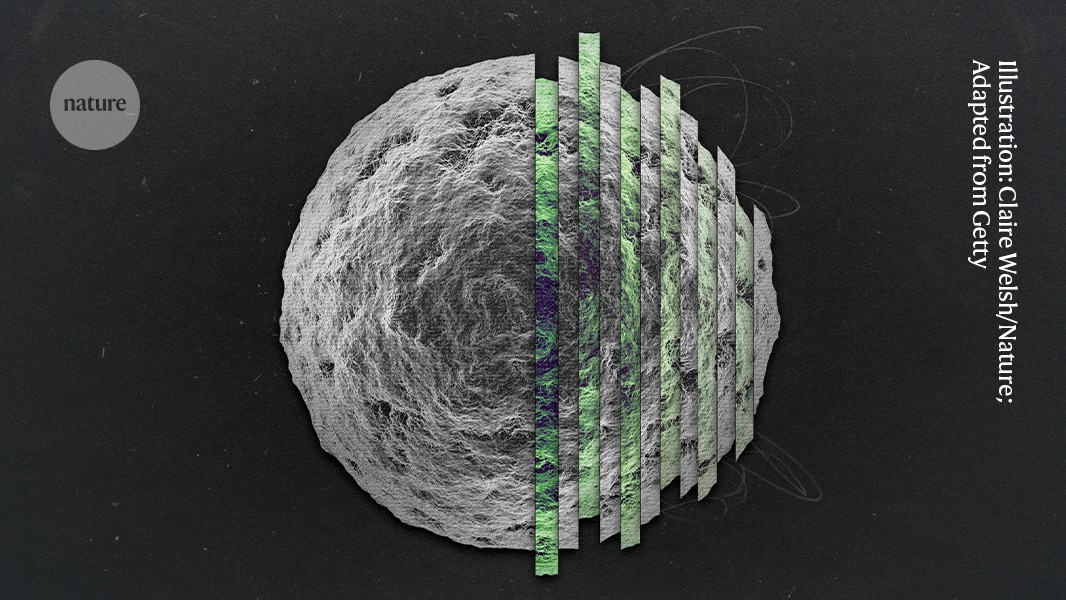
Dawkins’s Paradox: When “Selfish Genes” Build Cooperative Bodies
Richard Dawkins popularized the idea of the selfish gene: genes that spread by enhancing their own chances of being passed on, sometimes even at a cost to the organism. Yet evolution has also produced organisms—like you—whose parts coordinate with stunning precision.
This creates what Ågren and Patten’s 2025 volume calls the paradox of the organism:
- Within bodies, there can be genetic conflict (for example, between maternal and paternal genes, or between normal and “cheater” cells).
- Yet the body often behaves as if it has a single, shared purpose: survival and reproduction of the whole.
The key question: How does evolution build mechanisms that turn potentially selfish genes into mostly reliable team players?
“Organisms appear as remarkably well-integrated systems, even though the genes that build them may be subject to powerful conflicts of interest.”
— Summary of themes from The Paradox of the Organism, Harvard University Press (2025)
Key Ideas: Selfish Genes, Levels of Selection, and Internal Conflict
To unpack Dawkins’s paradox, it helps to clarify three foundational concepts used throughout recent research and essays in the 2025 collection.
- Selfish genes
Genes are “selfish” in a technical sense: versions of genes that copy themselves more effectively tend to become more common. This doesn’t mean genes are conscious; it means natural selection “favors” DNA sequences that leave more copies. - Levels of selection
Natural selection can act at multiple levels:- Gene level – individual variants compete inside genomes.
- Cell level – cells that divide faster may outcompete neighbors.
- Organism level – individuals who survive and reproduce pass on their genes.
- Group level – in some cases, cooperative groups can outcompete less cooperative ones.
- Internal genetic conflict
Sometimes, a gene variant can increase its own transmission while harming the organism or its relatives. These “cheater” elements create conflict within the body, from the level of chromosomes to entire tissues.
Real-World Battles Inside the Body: Four Striking Examples
The new essay series and the 2025 book collect many case studies where internal conflict is not just theory—it’s measurable biology. Here are four that vividly illustrate the paradox of the organism.
1. Cancer: When Cells Rebel Against the Organism
Cancer is perhaps the clearest example of within-body conflict. A single cell acquires mutations that make it divide faster, ignore death signals, and sometimes even subvert the immune system. From the cell’s “point of view,” these are winning strategies; from the organism’s perspective, they can be fatal.
Evolution has therefore favored layers of tumor-suppressor mechanisms—like DNA repair systems, cell-cycle checkpoints, and immune surveillance—that limit these rebels. They aren’t perfect, but they show how much selection has acted to preserve organismal cooperation.
2. Meiotic Drive: Cheating in the Genetic Lottery
Typically, each parent passes on half of their genetic material, and each gene copy has a 50% chance of making it into a sperm or egg. But some genes practice meiotic drive, biasing the process so they get transmitted more than half the time.
These distorter genes can spread through populations even if they reduce fertility or viability—another case where what’s good for a gene is not necessarily good for the organism. Counteracting “suppressor” genes often evolve in response, restoring fairness to the genetic lottery.
3. Genomic Imprinting: A Tug-of-War Between Maternal and Paternal Genes
In genomic imprinting, some genes are expressed differently depending on whether they come from the mother or the father. For instance, paternally expressed genes may push for more fetal growth, while maternally expressed genes may limit growth to protect the mother’s health and allow future pregnancies.
Disorders such as Prader–Willi and Angelman syndromes, where imprinting goes awry, highlight how delicate this balance is. The body’s apparent unity masks a continual negotiation between parental genetic interests.
4. Microbiome and Mobile Genetic Elements: Allies or Invaders?
Our bodies also host vast communities of microbes and mobile genetic elements (like transposons). Some are cooperative partners, helping digest food or train the immune system. Others behave more like genomic parasites, hopping around the genome or spreading between individuals.
Host defenses—from epigenetic silencing to immune recognition—evolve to keep these elements under control, again showing how organisms act to limit internal freeloaders.

How the Body Keeps Selfish Genes in Check: Four Evolutionary Safeguards
A recurring theme in recent Nature essays and in The Paradox of the Organism is that organisms are full of policing mechanisms that align genes with the body’s overall interests. Here are four major strategies evolution uses.
- 1. Bottlenecks and Single-Cell Starts
Multicellular organisms typically start life from a single cell (a zygote). This “bottleneck” reduces genetic variation within the body, meaning most cells are close relatives. When all cells share nearly the same genes, cooperation is more likely to evolve. - 2. Sequestered Germ Lines
In many animals, the cells that will form eggs or sperm (the germ line) are set aside early in development and protected from many mutations. This limits opportunities for selfish cell lineages to take over the reproductive future of the organism. - 3. Policing and Apoptosis (Cell Suicide)
Cells are equipped with machinery for programmed cell death (apoptosis). When a cell senses severe DNA damage or rogue behavior, it can self-destruct. Immunity adds another layer: immune cells patrol for and kill suspicious cells, including many early cancers. - 4. Fair-Meiosis Systems and Suppressor Genes
To combat cheats like meiotic drivers, organisms evolve suppressor genes that restore fair segregation of chromosomes. In a sense, the genome is filled with internal regulations that prevent any one element from hijacking the reproductive system.
Why This Matters for Health, Aging, and Everyday Life
Dawkins’s paradox might sound abstract, but it has real consequences for medicine and personal well-being. Many health challenges can be reframed as breakdowns in the systems that keep internal conflicts under control.
Cancer and Evolutionary Trade-Offs
Cancer arises when within-body selection overwhelms organism-level control. Evolution can reduce risk but not eliminate it. Larger, longer-lived animals (including humans) have had to evolve particularly strong tumor-suppressor systems, yet as we live longer than our ancestors, we increasingly encounter the limits of these protections.
Aging as a Slow Drift in Internal Conflict
Some theories of aging emphasize accumulated cellular damage and the gradual loss of coordinated regulation. As repair systems wear down, cells with slightly selfish traits—ignoring signals, misregulating growth—can accumulate. While this doesn’t mean aging is “designed,” it suggests that late-life breakdown in cooperation is partly an evolutionary trade-off: strong investment in early-life success, less selection on what happens after reproduction.
Mental Health, Impulses, and Internal Tug-of-Wars
Our brains are not exempt from conflict. Different neural systems can push competing priorities: immediate rewards versus long-term planning, social bonding versus self-protection. While not the same as gene-level conflict, modern research often draws a loose analogy between internal psychological competition and the deeper evolutionary conflicts built into our biology.
Practical Takeaways: Supporting Your Body’s Internal Cooperation
While we can’t micromanage our genes, we can create conditions that help our evolved safeguards work as well as they reasonably can. Here are evidence-informed, realistic steps—none of which guarantee outcomes, but each of which is supported by substantial research.
- Lower the burden on repair systems
Reducing exposure to mutagens and chronic stressors helps DNA repair and immune surveillance keep up:- Avoid tobacco and limit heavy alcohol use.
- Use sun protection to reduce UV damage.
- Follow workplace safety guidance if you handle chemicals or radiation.
- Support healthy cell turnover
Regular physical activity and consistent sleep are associated with healthier hormonal balance and immune function, both relevant to how the body detects and removes malfunctioning cells. - Feed the system, not just the self
Diets rich in whole plants, adequate protein, and minimal ultra-processed foods are linked to lower chronic inflammation, which in turn affects many pathways that manage cellular behavior. No diet can “control your genes,” but it can influence the environment in which they operate. - Use screening and preventive care
Cancer screening, vaccinations, and regular check-ups are practical ways to detect early failures in cellular cooperation and intervene before they become systemic problems. - Be skeptical of “hack your genes” claims
Many commercial products overpromise by implying you can easily reprogram deep evolutionary dynamics. The reality described in current research is more modest: lifestyle changes and medical care can nudge probabilities, not override fundamental biology.
Inside the 2025 Book: “The Paradox of the Organism”
The volume The Paradox of the Organism: Adaptation and Internal Conflict (Harvard University Press, 2025), edited by evolutionary biologists J. Arvid Ågren and Manus M. Patten, gathers essays from specialists in evolutionary biology, philosophy of biology, and related fields. The contributors build on, refine, and sometimes challenge elements of Dawkins’s original framing.
Topics highlighted in recent discussions and reviews—including in Nature—include:
- The history and future of the “selfish gene” concept.
- Formal models of conflict and cooperation within genomes.
- Case studies in imprinting, meiotic drive, and cancer.
- Philosophical debates about what it means to call genes “selfish” or organisms “agents.”
“Rather than undermining the organismal perspective, attention to internal conflicts can show just how much evolutionary work is needed to make organisms behave as integrated wholes.”
— Paraphrased theme from Ågren & Patten’s The Paradox of the Organism (2025)

At a Glance: From Selfish Genes to Cooperative Organisms
This simplified text-based infographic summarizes the journey from gene-level competition to whole-body cooperation.
1. Variation: Different gene variants arise through mutation.
2. Competition: Some variants bias their own transmission (selfish elements).
3. Conflict: Selfish elements can harm cells, tissues, or the organism.
4. Policing: Counter-measures evolve (repair, apoptosis, suppressor genes).
5. Alignment: Most genes become embedded in cooperative networks.
6. Emergence: The organism functions as an integrated, goal-directed system.
Living with the Paradox: A More Honest Wonder at Our Bodies
Dawkins’s paradox reminds us that our sense of being a single, unified self is an evolved achievement, not a simple given. Under the surface, genes and cells follow their own rules, and evolution has painstakingly shaped them into something that usually works together well enough for us to grow, think, love and care for others.
You don’t need to master all the equations behind internal genetic conflict to benefit from this perspective. It’s enough to recognize that:
- Your body is the outcome of countless past conflicts and compromises, mostly resolved in favor of cooperation.
- Health practices and medical care help sustain the systems that keep those conflicts in check.
- Scientific debates—from Dawkins’s original ideas to the 2025 essays—are tools for refining, not replacing, our appreciation of how remarkable it is that we function at all.
If this topic sparks your curiosity, consider reading the ongoing essay series in Nature on Dawkins’s paradox and exploring The Paradox of the Organism itself. Let your next walk, workout, or quiet moment be a chance to notice: beneath every breath and heartbeat lies a fragile but astonishing peace treaty among countless genes.
Call to action: Choose one small, realistic health-supporting habit this week—better sleep, a short daily walk, or scheduling a overdue check-up—not as a magical way to “control your genes,” but as a way of respecting the complex, hard-won cooperation that makes you who you are.
