
Vaping and Cancer: What a Major New Study Reveals About Your Real Risks
Nicotine vaping has often been marketed as the “safer” alternative to smoking. Yet a new comprehensive review of more than 100 studies, highlighted by ScienceAlert, now concludes that vaping is likely to cause lung and oral cancers. For anyone who vapes, has switched from cigarettes, or loves someone who vapes, this can feel confusing and frightening—and it raises an urgent question: what does this actually mean for your health right now?

Below, we’ll break down what this new evidence actually shows, how vaping might trigger cancer, how the risks compare with smoking, and—most importantly—practical, realistic steps you can take to reduce harm or quit, even if you’ve tried before.
What the New Study Says: Vaping and Cancer Risk
The new review analyzed over 100 human, animal, and cell studies looking at nicotine vaping (also known as e‑cigarettes or ENDS—electronic nicotine delivery systems). The authors concluded that:
- Nicotine vaping is likely carcinogenic—that is, likely to cause cancer, especially in the lungs and mouth/oral cavity.
- Vape aerosols can cause DNA damage, oxidative stress, and chronic inflammation in cells—key processes involved in cancer development.
- People who vape show biomarkers of harm in their airways and saliva that resemble early changes seen in smokers.
- Dual users (those who both vape and smoke) may face additive or even higher risk rather than protection.
Importantly, the authors also point out that the vaping market has evolved rapidly—devices are more powerful, liquids more varied, and long‑term human data is still emerging. That means cancer risk may be underestimated rather than overestimated at this point.
“The accumulated evidence indicates that e‑cigarette use is not harmless and is consistent with an increased risk of lung and oral cancer. While the absolute risk compared with smoking remains under investigation, the precautionary principle strongly supports limiting use, particularly in youth.”
— Summary of findings from recent translational toxicology and epidemiological research
How Vaping Can Trigger Cancer: The Science in Plain Language
Cancer doesn’t appear overnight. It usually develops over years as cells accumulate damage and lose the ability to repair themselves. The new review highlights several ways in which vaping can push cells down this path.
1. DNA Damage and Mutations
Laboratory studies show that vape aerosols can cause single- and double-strand breaks in DNA in lung and oral cells. Some flavoring chemicals and solvents break down into reactive compounds (like formaldehyde and acrolein) when heated, which can bind to DNA and create mutations.
2. Oxidative Stress
When you inhale vapor, it can generate reactive oxygen species (ROS)—essentially “chemical sparks” that can damage cell membranes, proteins, and DNA. Chronic oxidative stress is a known driver of cancer.
3. Chronic Inflammation
Studies in animals and humans show that vaping can trigger ongoing low‑grade inflammation in the airways. Over years, this inflamed environment can promote abnormal cell growth and make it easier for mutated cells to thrive.
4. Cellular Aging and Epigenetic Changes
Some studies find that vaping changes the way genes are switched on or off (epigenetics) in lung and oral cells, and may accelerate signs of cellular aging. These shifts can make cells more vulnerable to becoming cancerous.
Is Vaping Safer Than Smoking—Or Just a Different Risk?
Many people turned to vaping to get away from the well‑known dangers of cigarettes. So how do the risks compare?
- Combustion vs. Aerosol
Traditional cigarettes burn tobacco, creating thousands of chemicals, including dozens of proven carcinogens. Vaping heats a liquid, which generally produces fewer toxic compounds than smoke—but “fewer” does not mean “safe.” - Cancer risk direction
Current evidence suggests:- Vaping is very likely less carcinogenic than heavy long‑term smoking, but
- Vaping is more carcinogenic than not using nicotine products at all.
- Dual use is a major problem
A large proportion of people vape and smoke. Studies suggest dual users often:- Do not cut cigarette use as much as they intend.
- May be exposed to harmful substances from both products.

Who Is Most at Risk from Vaping-Related Cancer?
The review and related research point to several groups who may face higher cancer‑related risk from vaping:
- Young people and teens whose lungs, airways, and oral tissues are still developing.
- Long‑term daily vapers, especially those using high‑nicotine or high‑power devices for years.
- Dual users who both vape and smoke cigarettes.
- People with existing lung disease (asthma, COPD) or oral conditions such as chronic gum disease.
- Individuals with a strong family history of lung, head, or neck cancers.
None of this means that if you fall into one of these groups you will definitely develop cancer. But it does mean that taking steps to reduce or stop vaping is especially important for you.
A Real-World Story: From “Harmless Clouds” to a Wake-Up Call
A 32‑year‑old former smoker I’ll call “Alex” switched completely to vaping five years ago. He was proud to have quit cigarettes and initially felt better—less coughing, more energy. Over time, though, he noticed:
- Persistent throat irritation and hoarseness.
- Bleeding gums and frequent mouth ulcers.
- A constant urge to have his vape within reach.
After reading emerging research on oral changes in vapers, he asked his dentist and doctor to take a closer look. They found precancerous changes in his oral tissue—not cancer yet, but a warning sign. With support from a tobacco treatment specialist, a structured quit plan, and short‑term nicotine replacement therapy, he phased out vaping over four months.
Alex’s story doesn’t prove that vaping alone caused his oral changes—his smoking history also matters—but it illustrates what this new evidence is telling us: vaping is not a free pass. It carries real, measurable risks, especially over time.
Practical Steps to Reduce Your Cancer Risk If You Vape
If you’re feeling worried right now, you’re not alone—and it’s not too late to act. Any movement away from inhaling chemicals into your lungs and mouth can lower your long‑term cancer risk.
1. Decide Your Goal: Quit or Step Down?
- Best for health: Aim to quit vaping entirely, especially if you don’t smoke.
- If you currently smoke and vape: First aim to fully replace cigarettes with vaping, then plan to taper and quit vaping too.
2. Create a Gradual Taper Plan
- Track your current use for 3–7 days (number of puffs, times of day, nicotine strength).
- Every 1–2 weeks, reduce one of the following:
- Nicotine strength (e.g., from 20 mg/mL to 12 mg/mL).
- Number of daily vaping sessions.
- Duration or number of puffs per session.
- Set a target “zero‑vape” date within 3–6 months and adjust as needed.
3. Use Evidence-Based Supports
Consider supports that have strong evidence for nicotine addiction:
- Nicotine replacement therapy (NRT) such as patches, gum, lozenges, or inhalers.
- Prescription medications (where appropriate and under medical guidance) like varenicline for smokers transitioning off nicotine.
- Behavioral counseling (in person, phone, or online) focused on triggers, cravings, and relapse prevention.
- Text or app‑based quitting programs designed for vaping or tobacco cessation.

Protecting Your Lungs and Mouth: Screening and Early Warning Signs
Because the new review highlights lung and oral cancers in particular, it’s wise to be proactive about monitoring these areas if you vape or have vaped heavily.
Lung Health
- Tell your doctor honestly about your vaping and smoking history.
- Ask whether you qualify for low‑dose CT lung cancer screening if you also have a significant past smoking history (guidelines vary by country).
- Seek medical attention if you notice:
- Persistent cough lasting > 3–4 weeks.
- Coughing up blood.
- Unexplained weight loss or chest pain.
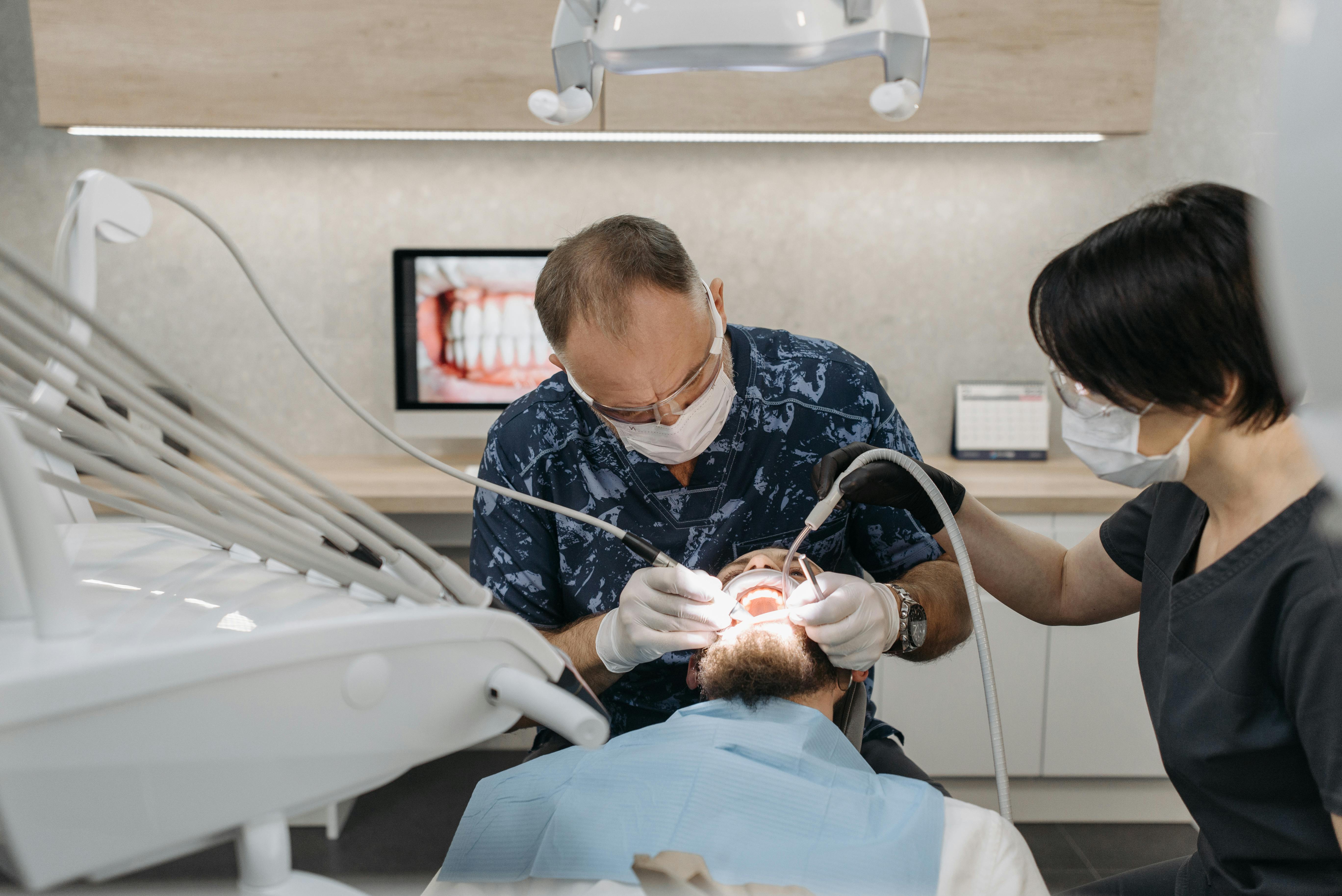
Oral Health
- Have regular dental check‑ups and cleanings; tell your dentist if you vape.
- Watch for:
- White, red, or dark patches in the mouth that don’t heal within 2–3 weeks.
- Persistent sores, lumps, or thickened areas on the tongue, cheeks, or gums.
- Unexplained bleeding, pain, or difficulty swallowing.
- Ask your dentist or oral medicine specialist about any precancerous changes they might see.
What Experts and Major Health Organizations Are Saying
Leading health authorities increasingly converge on a few core messages:
- World Health Organization (WHO): Warns that e‑cigarettes are harmful to health and not safe, particularly for youth and non‑smokers.
- US National Academies of Sciences, Engineering, and Medicine: Concluded that e‑cigarettes are not risk‑free and that aerosol contains potentially toxic substances that can cause cell and tissue damage.
- Cancer research organizations: Increasingly highlight links between vaping and DNA damage, inflammation, and cancer‑related pathways, while calling for stronger regulation and youth protection.
“From a cancer prevention perspective, the safest level of exposure to e‑cigarette aerosols is as low as reasonably achievable, ideally zero—especially for young people and never‑smokers.”
— Interpretation of consensus positions from major cancer prevention agencies
While experts still debate the precise degree of risk compared with cigarettes, the direction of the evidence is increasingly clear: vaping can meaningfully contribute to cancer risk, especially with long‑term and intensive use.
Common Obstacles—and How to Navigate Them Compassionately
If you’ve tried to quit vaping (or smoking) before, you may already know it’s not just about willpower. Here are a few familiar roadblocks and realistic ways through them.
“Vaping is the only thing that helped me quit smoking.”
That may well be true—and it’s worth acknowledging. For many people, vaping has been an important step away from cigarettes. The key is not to get stuck there. Think of vaping as a bridge, not a destination; now the task is to cross the rest of the way.
“I’m afraid I’ll gain weight or feel awful if I stop.”
- Plan for extra support: balanced meals, regular movement, and sleep routines.
- Consider NRT to soften withdrawal symptoms.
- Remind yourself that short‑term discomfort is an investment in long‑term health and freedom.
“Everyone around me vapes.”
- Tell close friends or coworkers you’re cutting back and ask them not to offer you hits.
- Spend a bit more time with people who don’t vape or smoke, especially early in your quit process.
- Replace “vape breaks” with short walks, stretching, or a brief check‑in with a supportive friend.

Moving Forward: Small Steps That Matter
The new review linking nicotine vaping to lung and oral cancers is an important warning signal, not a sentence. Cancer risk is shaped by what you do from today onward, not just what you’ve done in the past.
You don’t have to overhaul your life overnight. Consider choosing one action you can take in the next 24 hours:
- Book an appointment with your doctor or dentist to discuss your vaping and screening options.
- Set a tentative quit date and tell someone you trust.
- Switch to a lower‑nicotine liquid or shorten your vaping sessions starting today.
- Sign up for a quit‑support app, text program, or counseling service.
Each of these steps is a concrete move toward lower cancer risk, better lung and oral health, and more control over your life. Even if you’ve tried to quit before, this new evidence gives you a powerful reason to try again—with more support and a clearer plan.
Your lungs and your future self will thank you for every cloud you decide not to inhale.
