
Why Simple Strength Training Wins: The Surprisingly Easy Way To Build Muscle And Stay Strong
The Best Strength Training Plan Might Be Simpler Than You Think
By A Certified Strength & Conditioning Specialist
If you’ve ever opened a fitness app, scrolled through social media workouts, or tried to follow a complicated gym plan, you’ve probably thought, “I can’t keep up with this.” You’re not alone. Many people assume that to build muscle and strength, you need the perfect routine, special equipment, and an hour a day to spare.
The latest strength training guidelines, highlighted in recent reporting from ScienceDaily, say something refreshingly different: doing any resistance training on a regular basis is what truly matters. Even simple, short routines can improve your strength, muscle size, and everyday function—especially if you’re currently doing little or none.
In this guide, we’ll unpack what those new recommendations mean, why “good enough” beats “perfect,” and how to build a realistic plan you can actually stick with—whether you train at home, at the gym, or somewhere in between.

Why Strength Training Feels So Complicated (When It Doesn’t Need To)
For the past decade, strength training advice has often sounded like an instruction manual for a spaceship: periodization schemes, advanced splits, special gear, and endless “rules.” No wonder many people give up before they begin.
The new resistance training guidelines—the first major update in roughly 17 years—review decades of research and come to a clear conclusion:
- Any amount of resistance training is better than none.
- Small, consistent efforts produce meaningful benefits for muscle, strength, and function.
- You don’t need perfect form, the perfect plan, or long workouts to see improvements.
That’s a big shift in tone. Instead of aiming for an idealized, often unrealistic program, the evidence now emphasizes something far more practical: finding a simple routine you can repeat, week after week.
“In resistance training, the most important variable isn’t sets, reps, or equipment—it’s adherence. The program you can stick to will always beat the program you abandon.”
What The Latest Research Says: Small Effort, Big Benefits
The updated guidelines are built on a large body of research looking at different types of resistance training: heavy vs. light weights, low vs. high volume, machines vs. free weights, and more. A few consistent themes emerge.
1. Even Low Weekly Volume Helps
Studies show that as few as 1–3 sets per muscle group, done once or twice a week, can improve strength and muscle size in beginners and previously inactive adults.
- A single full-body session per week can increase strength compared with doing nothing.
- Two sessions per week is often enough for most health and function benefits.
- More volume can add extra gains, but with diminishing returns if it’s not sustainable.
2. Light or Heavy Weights Both Work
Research from labs such as McMaster University has shown that lighter weights taken close to muscular fatigue can build similar muscle size as heavier weights, especially in people who are relatively new to training.
That means:
- You can use dumbbells, bands, or even bodyweight.
- You don’t have to lift “heavy” if that feels intimidating or uncomfortable.
- The key is to work the muscle hard enough that the last few reps of a set feel challenging.
3. Strength Training Supports Long-Term Health
Multiple large observational studies link regular resistance training with:
- Lower risk of all-cause mortality and cardiovascular disease
- Better insulin sensitivity and blood sugar control
- Reduced risk of falls and fractures in older adults
- Improved ability to perform daily activities (carrying groceries, climbing stairs, rising from a chair)
Sources: WHO & ACSM physical activity guidelines; systematic reviews on resistance training and mortality, metabolic health, and functional capacity (2017–2024).
A Simple Case Study: From Overwhelmed To Consistent
A client I’ll call Maria, 47, came to me after trying (and abandoning) several complex online programs. Each one had her lifting four days per week with long, rotating workouts. With a demanding job and two kids, she rarely made it past week three.
We restarted from scratch with just:
- Two 25–30 minute full-body sessions per week
- Bodyweight, a pair of moderate dumbbells, and a resistance band
- The same 6–7 exercises repeated for several weeks
After 12 weeks of consistency—not perfection—her results were modest but meaningful:
- She went from 6 to 16 controlled push-ups from an elevated surface.
- She could carry all her groceries up two flights of stairs without stopping.
- Her lower back, once regularly sore after long days at work, bothered her far less.
No complicated periodization, no six-day split. Just a simple plan, done regularly.
How To Build A Simple, Science-Backed Strength Plan
Here’s a straightforward framework inspired by the latest guidelines that you can adapt to your schedule and fitness level.
Step 1: Choose 6–8 Basic Movements
Focus on “big rock” exercises that train multiple muscles at once. Select 1–2 from each category:
- Squat pattern: bodyweight squat, goblet squat, sit-to-stand from a chair
- Hinge pattern: hip hinge, Romanian deadlift with dumbbells, glute bridge
- Push (upper body): wall or incline push-ups, dumbbell bench press, band chest press
- Pull (upper body): band row, dumbbell row, assisted pull-down if at a gym
- Core / trunk: dead bug, plank (elevated if needed), side plank, bird-dog
- Optional single-leg / balance: split squat, step-ups, single-leg Romanian deadlift
Step 2: Start With 1–2 Sets, 2–3 Times Per Week
A realistic starting point for most adults:
- Frequency: 2 days per week (e.g., Monday & Thursday). A 3rd day is a bonus, not a requirement.
- Sets & reps: 1–2 sets of 8–15 repetitions per exercise.
- Effort: Finish each set with about 2–3 reps “in the tank.” The last reps should feel challenging but not sloppy.
As your body adapts and the routine feels easier, you can add:
- A third set to some exercises, or
- A third training day every other week.
Step 3: Progress Slowly and Simply
You don’t need advanced periodization to keep improving. Try a simple progression:
- When you can perform the top end of your rep range (e.g., 15 reps) with good form and 2–3 reps in reserve,
- Increase the challenge slightly next time by:
- Adding 2–5 lbs (1–2 kg) per dumbbell, or
- Doing 1–3 more reps per set, or
- Slowing the tempo (3 seconds down, 1–2 seconds up), or
- Moving from a more supported to a less supported version (e.g., wall push-up → counter push-up → floor).
This small, steady progression is enough to trigger ongoing adaptation for months and even years.

A 30-Minute, Twice-Per-Week Strength Routine
Here’s a beginner-friendly example based on the new guidance. Adjust exercises as needed to match your current ability.
Day A (Full Body)
- Warm-up (5 minutes): easy walking or marching in place, arm circles, gentle bodyweight squats.
- Goblet squat or chair sit-to-stand – 2 × 8–12 reps
- Hip hinge or dumbbell Romanian deadlift – 2 × 8–12 reps
- Incline push-up (hands on counter or bench) – 2 × 6–10 reps
- Band or dumbbell row – 2 × 8–12 reps
- Dead bug or bird-dog – 2 × 8–10 reps per side
Day B (Full Body)
- Warm-up (5 minutes): similar to Day A
- Step-ups onto a low, stable surface – 2 × 8–10 reps per leg
- Glute bridge – 2 × 10–15 reps
- Dumbbell or band chest press – 2 × 8–12 reps
- Band pulldown (if available) or another row variation – 2 × 8–12 reps
- Plank (elevated if needed) – 2 × 15–30 seconds
From “All or Nothing” To “Always Something”
The biggest shift these new guidelines encourage is mindset, not just exercise selection. Instead of thinking in terms of strict programs, think in terms of a flexible practice.
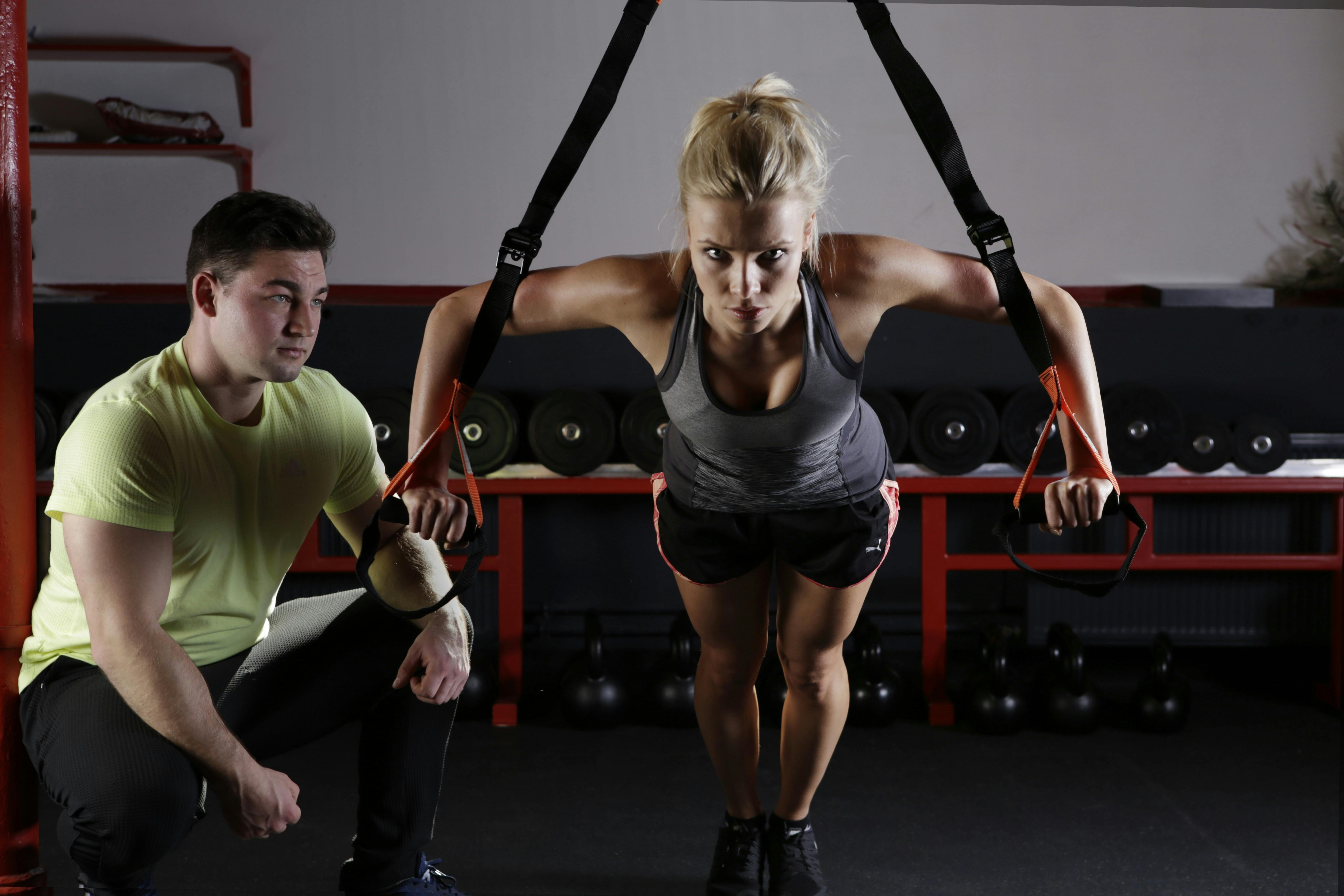
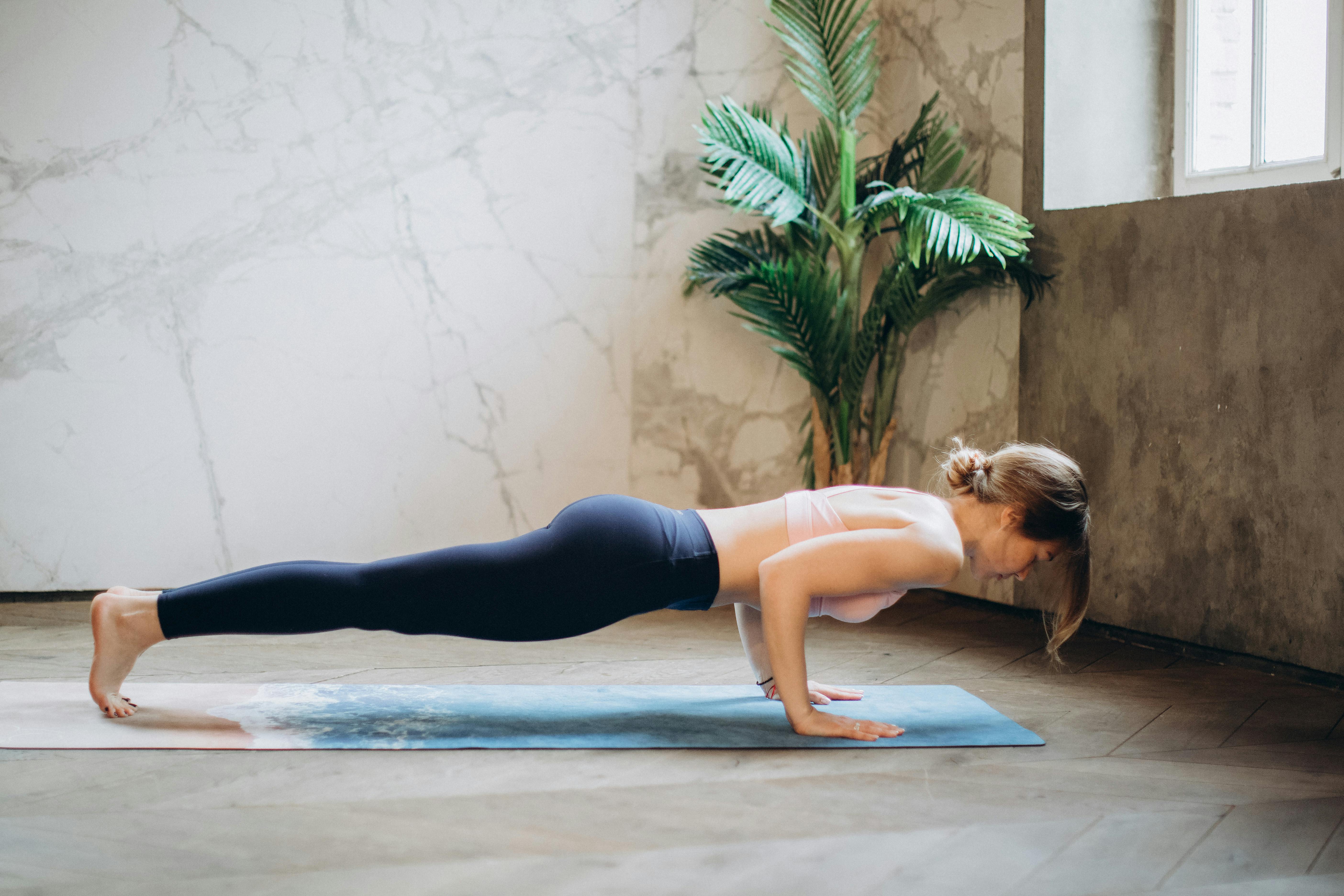
Over a span of 3–6 months, the difference between these two mindsets is dramatic:
- The “all or nothing” approach produces bursts of effort followed by long gaps.
- The “always something” approach produces modest, compounding gains.
Common Obstacles (And How To Work Around Them)
“I Don’t Have Time.”
The updated guidance is clear: some is better than none. If you can commit to:
- 10 minutes, twice per week of focused resistance training
you can still build strength, especially if you’re currently doing very little.
Try a micro-workout:
- Set a 10-minute timer.
- Alternate between two exercises (e.g., squats and push-ups).
- Do manageable sets with short rests until the timer goes off.
“I Don’t Have Any Equipment.”
Bodyweight is enough to get started. Examples:
- Squats or sit-to-stands
- Wall or counter push-ups
- Hip hinges and good-morning variations
- Planks, glute bridges, and bird-dogs
Over time, a single pair of dumbbells or a resistance band set (often under the cost of a restaurant meal) can dramatically expand your exercise options.
“Gyms Intimidate Me.”
Thanks to these new guidelines, you can confidently train at home and still align with evidence-based recommendations. If you want to use a gym but feel uneasy:
- Visit during quiet hours and spend your first visit simply exploring.
- Stick to one or two simple machines (e.g., leg press, chest press) for the first month.
- Consider a single session with a trainer just to learn basic setups and form.
Why Consistency Beats Perfection: A Quick Look Under The Hood
Your muscles respond to repeated challenges over time. Each strength session:
- Stresses muscle fibers just enough to signal the body to repair and adapt.
- Improves the nervous system’s ability to recruit those fibers more effectively.
- Maintains or increases muscle protein synthesis when combined with adequate nutrition.
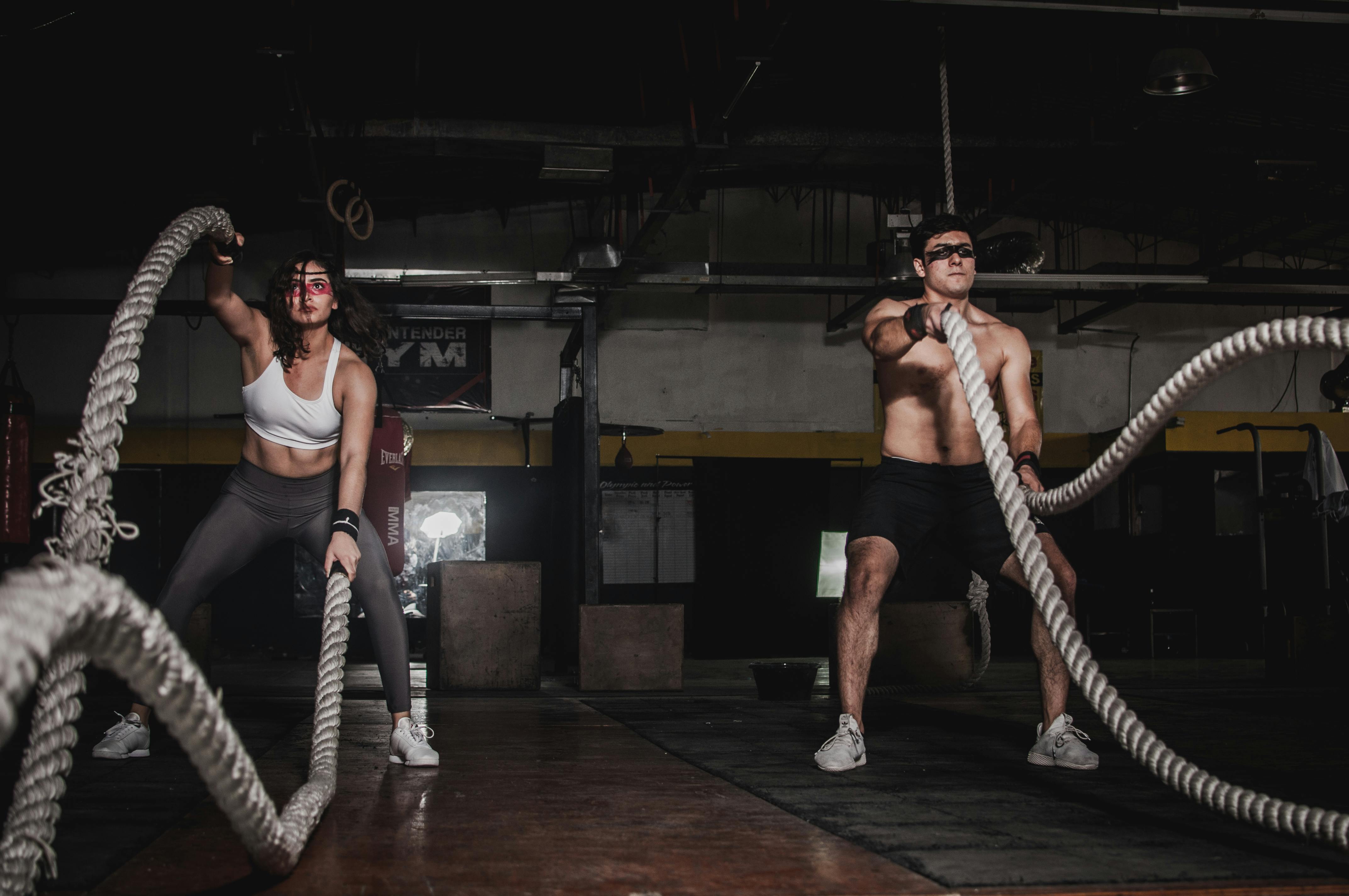
These changes are gradual and subtle session by session—but they add up when you show up regularly. Missing a week or two isn’t catastrophic, but months off at a time can erode gains, especially with age.
For deeper reading, see research by Phillips et al. on muscle protein synthesis, the American College of Sports Medicine position stands on resistance training, and WHO global physical activity guidelines.
Practical Tips To Lock In The Habit
Understanding the science is one thing. Living it is another. Here are some behavior-focused strategies that align with what we know about habit formation.
- Attach training to an existing habit. For example, “After my morning coffee on Monday and Thursday, I do 15 minutes of strength work.”
- Set the bar low enough that it feels almost too easy. You can always do more once you get started.
- Track tiny wins, not just big changes. More reps, slightly better form, or a smoother warm-up all count.
- Plan for “minimum viable workouts.” On rough days, commit to one exercise, one set. If that’s all you do, you’ve still reinforced the habit.
- Protect recovery. Aim for adequate sleep, protein intake, and at least one day off between hard sessions for the same muscle groups.
Bringing It All Together: Strength Training Made Truly Doable
The updated resistance training guidelines carry a liberating message: you don’t need a perfect program; you need a doable one. Even small amounts of resistance training—once or twice per week, a few sets per muscle group—can significantly improve your strength, muscle mass, and ability to handle everyday life.
Instead of waiting for the perfect time, perfect gym, or perfect routine, start with what you have:
- Your bodyweight
- 10–30 minutes, once or twice this week
- A short list of simple exercises
Then, let consistency do the heavy lifting.
Your next step:
- Pick two days in the next 7 days you can realistically train.
- Choose 4–6 exercises from the lists above.
- Commit to just one set of each on those days.
That’s it. That’s you, officially, following today’s best evidence on strength training—without turning your life upside down.
