
Is Your Gut the Secret Guardian of Your Brain? How the Microbiome May Help Protect Against Cognitive Decline
Your gut and your brain are in constant conversation, and emerging research suggests this gut-brain link could play a meaningful role in how your memory, mood, and cognitive health change with age. In this article, we’ll unpack what scientists are discovering about the gut-brain axis, what it might mean for cognitive decline, and what practical, realistic steps you can take to support both your digestion and your long-term brain health.
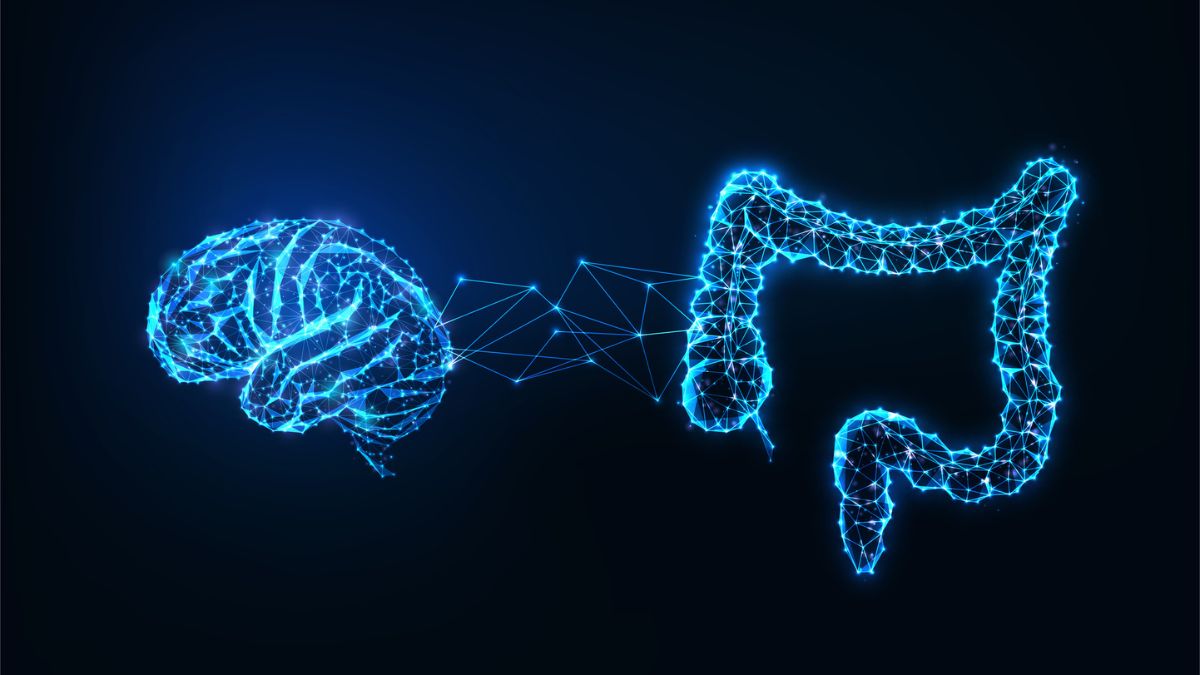
If you’ve ever had “butterflies in your stomach” before a big presentation or lost your appetite during a stressful week, you’ve already felt this gut-brain connection in action. What’s new is how deeply scientists are now exploring this link as a potential way to understand—and maybe one day help slow—cognitive decline.
We’ll stay grounded in current evidence: there’s no magic yogurt or supplement that can “cure” dementia. But there are realistic, science-informed ways to support a healthier microbiome and, alongside other lifestyle habits, potentially support brain health over time.
Why Scientists Are Eyeing the Gut–Brain Axis in Cognitive Decline
Cognitive decline, including conditions like mild cognitive impairment and dementia, is rising globally as populations age. Traditional research has focused mainly on the brain itself—plaques, tangles, blood flow, and inflammation in the central nervous system. Over the last decade, though, a parallel line of research has been quietly building: how gut microbes and gut inflammation might influence what happens in the brain.
The article “Your Gut-Brain Link May Offer a New Way to Fight Cognitive Decline” on ScienceAlert (2026) highlights a growing body of work: people with Alzheimer’s disease and other forms of dementia often show a different gut microbiome profile compared with cognitively healthy peers. While we can’t yet say the gut directly causes these diseases, the association is strong enough that researchers are testing whether changing the microbiome might influence brain outcomes.
How the Gut–Brain Connection Actually Works
The gut-brain axis is a complex, two-way communication network. Here are the main “channels” that scientists have identified:
- Nerve pathways (especially the vagus nerve): This long nerve runs from your brainstem down to your digestive tract, relaying signals in both directions—like a hard-wired phone line.
- Chemical messengers: Gut microbes help produce or modulate neurotransmitters (like serotonin and GABA) and short-chain fatty acids (SCFAs) that may influence brain inflammation, mood, and cognition.
- Immune system signals: A large part of your immune system sits along your intestinal wall. When that system is constantly triggered—say, by a disrupted microbiome or a “leaky” gut—it can send inflammatory signals throughout the body, including to the brain.
- Hormones and the stress response: The hypothalamic–pituitary–adrenal (HPA) axis and stress hormones (like cortisol) are tightly linked to both gut function and brain health.
“We used to assume that what happened in the gut stayed in the gut. Now it’s clear that intestinal microbes and immune signals can shape brain function in surprisingly powerful ways.” — Adapted from current neurogastroenterology research perspectives (2024–2025)
In animal studies, altering the microbiome can affect memory, anxiety-like behaviors, and even how quickly brain cells form new connections. Human studies are more complex, but early trials of targeted probiotics, diet patterns, and fecal microbiota transplantation (FMT) are beginning to hint at possible benefits for certain cognitive and mood outcomes.
What Current Research Says About the Gut and Cognitive Decline
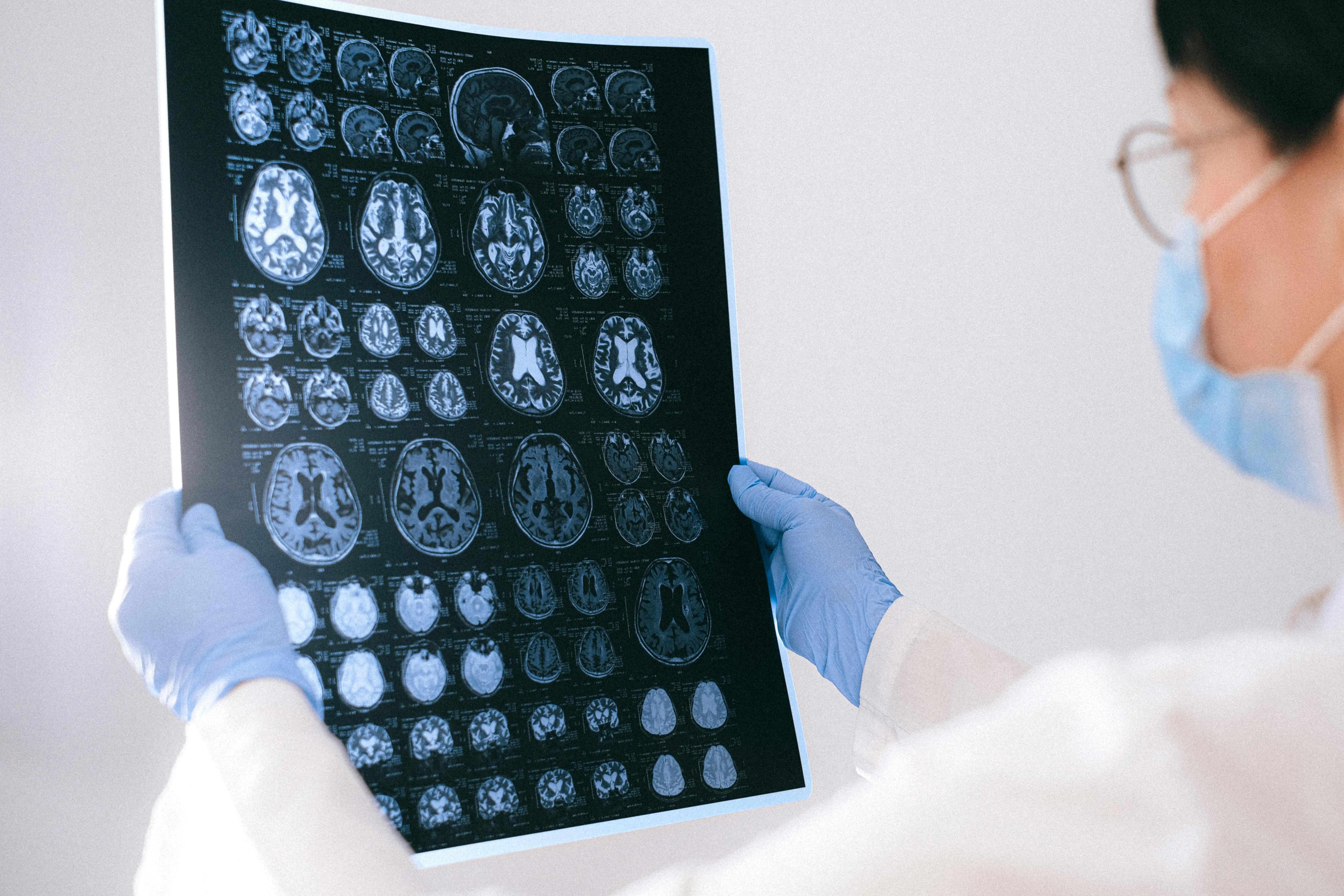
As of early 2026, several themes have emerged from human studies linking the gut and brain aging. Here’s a high-level summary, with cautious interpretation:
- Different microbiome patterns in dementia: Many studies have found that people with Alzheimer’s disease or mild cognitive impairment tend to have:
- Lower levels of certain beneficial bacteria that produce SCFAs
- Higher levels of microbes associated with inflammation
- Inflammation and “leaky gut” as possible contributors: Disruption of the gut barrier (sometimes called “increased intestinal permeability”) may allow bacterial components to enter the bloodstream, potentially contributing to chronic systemic and brain inflammation. This is a key area of active research.
- Diet patterns that support both gut and brain: Mediterranean-style and MIND diets—rich in fiber, plants, olive oil, nuts, and fish—have repeatedly been associated with lower risk of cognitive decline. These diets also tend to support a more diverse, stable microbiome.
- Early probiotic and prebiotic trials: Small randomized studies have shown that certain probiotic strains, prebiotic fibers, or synbiotic combinations may modestly improve some cognitive test scores or inflammatory markers in older adults. The effects are generally small, strain-specific, and not consistent across all trials.
For accessible, ongoing updates, reputable organizations such as the Alzheimer’s Association and major academic centers (e.g., Harvard, Mayo Clinic) now regularly summarize microbiome-related brain research, reflecting just how rapidly this field is evolving.
How Your Microbiome Might Influence Brain Aging
While the details are still being mapped, researchers have proposed several mechanisms by which an imbalanced microbiome (sometimes called dysbiosis) might contribute to cognitive decline:
- Chronic, low-grade inflammation: Pro-inflammatory gut microbes may help drive systemic inflammation, which is linked to neurodegenerative changes and vascular damage.
- Altered production of SCFAs: SCFAs like butyrate can support the integrity of the gut barrier and may have anti-inflammatory and neuroprotective effects. Reduced SCFAs might worsen both gut and brain health.
- Metabolites that affect amyloid or tau: Some microbial metabolites have been implicated in the pathways that lead to the build-up of amyloid plaques and tau tangles—hallmarks of Alzheimer’s disease—though this is still being clarified.
- Stress and sleep disruption: A disrupted microbiome can influence stress reactivity and sleep quality, indirectly affecting cognitive resilience over time.
None of this means your gut alone decides your brain’s fate. Genetics, cardiovascular health, education, social connection, and many other factors matter enormously. But it does suggest that nurturing your gut could be one meaningful part of a broader brain-protection strategy.
Practical, Evidence-Informed Ways to Support Your Gut–Brain Axis

Below are realistic steps that may help create a gut environment more compatible with healthy brain aging. They are not guaranteed protections, but they align with broader guidelines for chronic disease prevention.
1. Prioritize Fiber-Rich, Plant-Forward Eating
Dietary fiber is one of the most powerful levers you have to feed beneficial gut microbes.
- Include vegetables or fruit at every meal (aim for a variety of colors each week).
- Choose whole grains (oats, quinoa, brown rice, whole wheat) over refined grains most of the time.
- Rotate beans, lentils, and chickpeas into meals a few times per week.
- Add nuts and seeds (e.g., walnuts, flax, chia) for extra fiber and healthy fats.
2. Include Fermented Foods (If Tolerated)
Fermented foods contain live microbes that can temporarily enrich your gut ecosystem. Studies between 2021–2025 suggest they may increase microbial diversity and reduce inflammatory markers.
- Unsweetened yogurt with live cultures or kefir
- Traditional sauerkraut or kimchi (in the refrigerator section)
- Miso, tempeh, or kombucha (watch added sugar)
3. Be Thoughtful About Probiotics and Prebiotics
Probiotic supplements are not all the same, and most have not been specifically tested for preventing cognitive decline. That said, some strains (for example, certain Lactobacillus and Bifidobacterium) have small, preliminary evidence for modest benefits in older adults’ cognition or mood.
If you’re considering a supplement:
- Choose brands that specify the exact strains and CFU count.
- Look for products tested in peer-reviewed human studies when possible.
- Discuss with a healthcare professional, especially if you are immunocompromised or critically ill.
Prebiotics—fibers that feed beneficial microbes—can be obtained from food (onions, garlic, leeks, asparagus, bananas, oats) or supplements. Start low and increase slowly to monitor tolerance.
4. Protect Your Gut With Everyday Habits
- Use antibiotics only when necessary: They can be life-saving but also disrupt your microbiome. Always follow medical advice and avoid requesting antibiotics “just in case” for viral illnesses.
- Moderate alcohol: Heavy alcohol intake can damage the gut lining and alter microbiota.
- Don’t ignore persistent digestive symptoms: Long-term bloating, pain, or altered bowel habits warrant a medical evaluation, especially over age 50.
5. Support Brain Health From Multiple Angles
A healthy microbiome is one piece of a much bigger picture. Evidence-based brain-protective habits include:
- Regular physical activity (including aerobic and resistance training)
- Managing blood pressure, cholesterol, and blood sugar
- Prioritizing 7–9 hours of quality sleep
- Staying mentally and socially engaged
- Not smoking and keeping alcohol to low or moderate levels
Common Obstacles (and How to Gently Work Around Them)

Shifting how you eat and live is rarely as simple as “just do it.” Especially if you’re caring for an aging parent, juggling work, or managing your own health issues, even small changes can feel overwhelming. Here are some challenges many people face and realistic ways to respond.
“My loved one with memory loss resists new foods.”
- Make gentle swaps (e.g., whole-grain bread instead of white) rather than radical menu overhauls.
- Introduce one new item at a time alongside familiar favorites.
- Focus on enjoyment and routine, not perfection—stress around eating can backfire.
“Budget and time are tight.”
- Use frozen vegetables and fruits: they are often cheaper, convenient, and nutritionally comparable to fresh.
- Rely on bulk staples: oats, beans, lentils, brown rice, and canned fish can be affordable and gut-friendly.
- Cook once, eat twice: make larger batches of soups, stews, or grain bowls that keep well.
“Digestive issues make high-fiber foods uncomfortable.”
People with IBS, IBD, or other digestive conditions may need more personalized strategies.
- Work with a gastroenterologist and/or registered dietitian who understands both gut and brain health.
- Experiment with cooked rather than raw vegetables, which are often easier to tolerate.
- Introduce new fibers slowly and track symptoms in a simple journal.
A Real-World Example: Small Shifts, Not Perfection
Consider “Maria,” a 68-year-old retired teacher (composite example based on several patients) who came to a clinic worried about her memory. Her father had Alzheimer’s disease, and she noticed she was forgetting names more often. She also had long-standing constipation and bloating.
After a medical workup ruled out reversible causes like vitamin B12 deficiency and thyroid issues, her care team suggested a multi-pronged plan:
- Switching breakfast from white toast and jam to oatmeal with berries and walnuts
- Adding a serving of vegetables to lunch most days
- Trying a small portion of yogurt with live cultures in the afternoon
- Walking 20 minutes with a neighbor three times per week
- Scheduling a regular bedtime and reducing late-evening screen time
Over six months, Maria’s gut symptoms improved noticeably. Her memory lapses didn’t vanish, but she felt more mentally “steady” and less anxious about her brain health. Follow-up cognitive testing was stable, which in itself was reassuring. We cannot say her microbiome changes prevented decline—but the combination of diet, movement, and routine clearly supported her overall quality of life.
When to Talk With a Professional About Gut–Brain Concerns
It’s wise to involve a healthcare professional if you notice any of the following:
- New or rapidly worsening memory problems, confusion, or personality changes
- Difficulty managing daily tasks you used to handle easily
- Unexplained weight loss, blood in the stool, or persistent bowel changes
- Severe or ongoing abdominal pain, especially if accompanied by fever
A clinician can help:
- Rule out reversible causes of cognitive changes (medications, infections, nutrient deficiencies, sleep apnea, depression)
- Screen for digestive diseases that need specific treatment
- Coordinate care with dietitians, neurologists, and mental health professionals
While home-based strategies are valuable, they work best as part of a broader, collaborative care plan.
What’s on the Horizon: Microbiome Therapies and Cognitive Health
The ScienceAlert piece highlights a key point: researchers are increasingly testing whether targeted changes to the gut microbiome could influence cognitive trajectories. Some of the approaches under investigation include:
- Strain-specific probiotic therapies designed to reduce inflammation or produce particular neuroactive compounds
- Precision prebiotics that selectively feed beneficial microbes linked to brain health
- Fecal microbiota transplantation (FMT), already used for stubborn gut infections, being studied in small pilot trials for neurological conditions
- Diet-based interventions tailored to a person’s baseline microbiome profile
These are still largely in the research phase. It will likely take years—and many carefully controlled clinical trials—before we know which strategies are both safe and meaningfully effective for preventing or slowing cognitive decline. In the meantime, the best-supported tools remain the foundational lifestyle habits described above.
Bringing It All Together: Caring for Your “Two Brains”
Your body effectively houses two deeply connected “brains”: the one in your head and the intricate nervous system in your gut. While we’re still learning exactly how this relationship shapes cognitive decline, it’s increasingly clear that what supports your digestion often supports your mind as well.
You don’t need dramatic cleanses, expensive tests, or unproven supplements to get started. Instead, focus on:
- More fiber and plant diversity in your meals
- Regular movement and restorative sleep
- Reasonable use of fermented foods and, if appropriate, carefully chosen probiotics
- Routine medical care and early attention to new cognitive or digestive symptoms
If you’re feeling worried about your own memory or that of someone you love, you’re not alone—and you’re not powerless. Start with one small, doable change this week: an extra serving of vegetables, a short after-dinner walk, or swapping a sugary drink for water or unsweetened tea. These modest steps, repeated over time, can quietly strengthen both your gut and your brain’s resilience.
Action step: Choose one gut-friendly habit from this article and commit to trying it consistently for the next two weeks. Notice not just your digestion, but also your energy, mood, and focus—and share what you learn with your healthcare team.
Article Metadata
Your Gut–Brain Link May Offer a New Way to Fight Cognitive Decline
Author: Health & Brain Wellness Editorial Team
Category: Health, Brain Health, Gut Microbiome
