
Why Students Are Queuing for Meningitis Jabs – And How to Protect Yourself During the Kent Outbreak
Huge Queues for Meningitis Jabs in Kent: What Students and Families Need to Know
With meningitis cases rising in Kent and vaccination queues stretching around campuses, many students and parents are feeling anxious and unsure what to do next. This guide explains what is happening with the expanded meningitis vaccination scheme, who is now eligible, how to get protected, and how to stay safe while public health teams work to control the outbreak.
Updated: • By Health Guidance AI Assistant
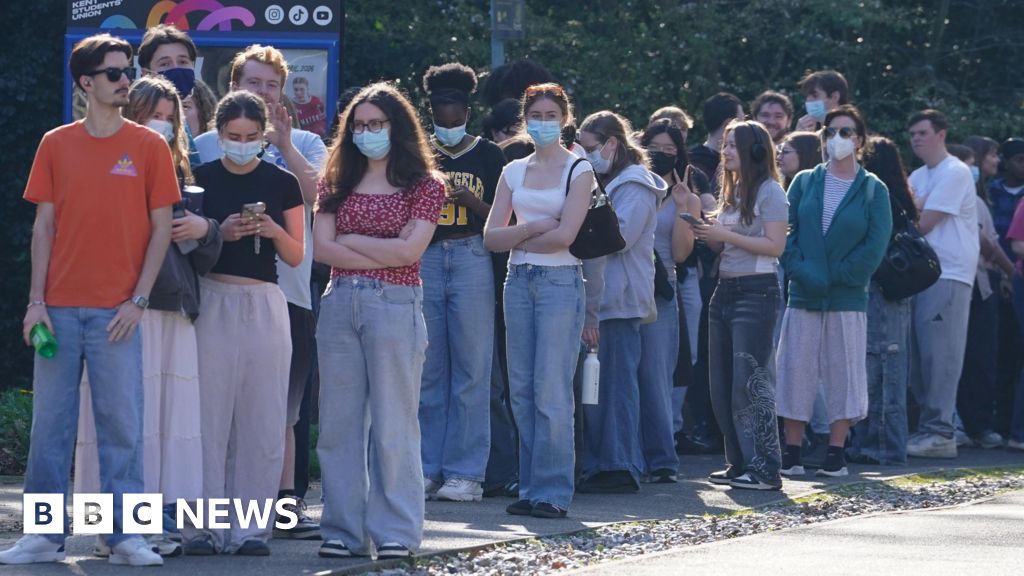
Why There Are Huge Queues for Meningitis Jabs in Kent
If you or someone you love has been standing in a long line for a meningitis jab in Kent, you are not alone. With confirmed and suspected cases rising to 27, public health teams have moved quickly to expand the local vaccination scheme. That sudden change has created high demand, understandable anxiety, and, for some, the frustration of being turned away when clinics reach capacity.
This article walks you through what is happening, who is now eligible for meningitis vaccination in Kent, how to access a jab without unnecessary stress, and what to watch for while the outbreak is being managed. The aim is to give you calm, evidence-based guidance at a time when the news cycle can feel overwhelming.
“Outbreaks like this are worrying, but vaccination and rapid treatment remain highly effective tools. Most people who get the right care promptly make a full recovery.”
— Consultant in Infectious Diseases, NHS teaching hospital (paraphrased)
The Current Meningitis Situation in Kent
According to local public health updates as of 20 March 2026, there are now 27 confirmed or suspected cases of meningitis linked to education settings in Kent. Because meningitis can progress quickly and sometimes be life-threatening, even a relatively small number of linked cases is taken very seriously.
Public health authorities have responded by:
- Identifying close contacts of confirmed and probable cases
- Offering preventative treatment or vaccination where appropriate
- Expanding eligibility to include affected sixth form students in Kent
- Running vaccination clinics on sites such as the University of Kent
The large queues you may have seen reflect the speed of the response and the understandable desire of students and families to get protected as soon as possible—not a sign that the situation is out of control.
Who Is Now Eligible for the Expanded Vaccination Scheme?
Based on current reporting from Kent, eligibility has been extended beyond the original target groups to reduce the risk of further spread in educational settings.
Groups currently highlighted include:
- Students at the University of Kent and other affected higher education sites where cases have been confirmed or are considered probable.
- Sixth form students in Kent where confirmed or probable cases have been identified.
- Anyone already offered preventative treatment or vaccination as a close contact by public health or NHS teams.
If you are unsure whether you qualify, your best next steps are:
- Check emails or messages from your school, college, or university health team.
- Visit your institution’s website or intranet for outbreak updates.
- Call NHS 111 or your GP surgery and explain where you study and your concerns.
A Quick Refresher: What Is Meningitis and Why Is It So Serious?
Meningitis is an inflammation of the membranes (meninges) that surround your brain and spinal cord. It can be caused by viruses, bacteria, or, more rarely, fungi. Bacterial meningitis in particular can become severe within hours and may be life-threatening if not treated rapidly.
Universities and sixth forms are especially vulnerable because:
- Students live, study, and socialise in close quarters.
- They share kitchens, bathrooms, and social spaces where infections spread easily.
- New students may not yet have had all the recommended vaccines or boosters.
For more background on meningitis, see the NHS overview: NHS: Meningitis.
Key Meningitis Symptoms Students and Parents Should Watch For
Symptoms can vary, especially in the early stages, and not everyone gets all of them. Trust your instincts—if someone seems “just not right,” seek medical advice urgently.
- High temperature or fever, sometimes with cold hands and feet
- Severe headache that feels different from usual
- Neck stiffness and difficulty bending the neck forward
- Sensitivity to light (photophobia)
- Confusion, drowsiness, or difficulty waking
- Vomiting
- In later stages, a blotchy rash that does not fade with pressure (glass tumbler test)
In babies and young children, signs can be more subtle—such as a bulging soft spot on the head, poor feeding, or unusual crying.
How Meningitis Vaccines Help in Outbreaks
Several vaccines protect against different types of bacterial meningitis, including MenACWY and MenB. In the UK, many teenagers are already offered a meningitis vaccine as part of the routine schedule, but uptake can vary, and some may miss doses.
During an outbreak, public health teams may:
- Offer catch‑up doses to those who missed routine vaccinations.
- Target specific groups (like certain year groups or campuses) based on where cases have occurred.
- Give antibiotics or specific vaccines to close contacts of confirmed cases.
“No vaccine gives 100% protection, but meningitis vaccines significantly cut the risk of severe disease and reduce spread in settings like universities.”
— UK public health guidance (summarised from UKHSA recommendations)
Evidence summaries: see UKHSA meningococcal disease guidance.
Practical Steps to Get a Meningitis Jab in Kent
With clinics busy and some people being turned away when supplies or staff run out, a little planning can make your experience less stressful.
- Confirm your eligibility.
Check messages from your education provider or contact NHS 111. Explain where you study and ask directly if you are part of the current vaccination group. - Find the right clinic.
Many universities and colleges are running on‑site vaccination sessions. Some GP practices or walk‑in centres may also offer jabs to eligible patients. - Check timings and capacity.
Where possible, look for:- Posted clinic times and last entry
- Updates on social media or your institution’s website
- Advice on quieter times of day
- Bring the essentials.
Take a form of ID, your NHS number if you have it, and any vaccination records you can easily access. - Be prepared to wait—and to return.
If the line is long, staff may prioritise those at highest risk. If you are asked to come back another day, it is not a personal rejection; it is a safety measure so staff can work safely and accurately.
What If You Were Turned Away from a Vaccination Queue?
Some people at the University of Kent and nearby clinics have reported queuing for long periods only to be turned away when capacity was reached. That is understandably upsetting—especially when you are worried about your health.
If this happened to you, here are some constructive next steps:
- Ask when to return. Before leaving, calmly ask staff if they know when more appointments or walk‑in sessions will be available.
- Check online updates. Your university, sixth form, or local NHS trust may post updated clinic times or new venues.
- Speak to your GP. Explain that you are in an affected educational setting and attempted to access a clinic that was full. They may be able to advise on alternatives.
- Look after your immediate risk. Until you are vaccinated, be extra aware of symptoms and general infection‑prevention habits (hand hygiene, avoiding sharing drinks, staying home if unwell).
“Being turned away from a clinic does not mean you don’t matter or that your risk is ignored. It usually reflects staffing, space, or supply limits for that particular session.”
— NHS vaccination coordinator (paraphrased)
A Student’s Experience: From Anxiety to Action
One third‑year student at a Kent university (we’ll call her “Amelia”) described feeling “sick with worry” after hearing that meningitis cases had been confirmed in nearby halls. She queued for over an hour at an on‑campus clinic, only to be told staff could not see everyone that day.
What helped her cope was:
- Asking the nurse when extra sessions would run and writing down the details.
- Checking whether she had already had previous meningitis jabs (she found a MenACWY record from sixth form).
- Agreeing a simple plan with friends: if anyone felt seriously unwell, they would call NHS 111 or 999 rather than “sleep it off.”
She returned two days later during a quieter time and was vaccinated within 20 minutes. “I still feel cautious,” she said, “but now I feel like I’ve done what I can, instead of just scrolling the news and panicking.”
Beyond the Jab: Everyday Steps to Reduce Your Risk
Vaccination is a powerful tool, but it is not the only line of defence. In shared living and study spaces, simple habits can reduce the spread of many infections, including those that can lead to meningitis.
- Don’t share drinks, cutlery, or vapes. Germs spread easily via saliva.
- Practice good hand hygiene. Wash regularly with soap and water or use hand sanitiser, especially before eating and after using shared facilities.
- Keep rooms ventilated. Open windows when possible to improve airflow.
- Stay home if you’re unwell. Avoid going to lectures, work, or nights out if you have a fever or feel significantly ill.
- Look out for each other. If a friend seems very unwell or “not themselves,” check on them and encourage medical advice.
When to Seek Help and Who to Contact
Knowing who to call can save precious time if you or someone around you becomes unwell.
- Call 999 immediately if someone has:
- Signs of meningitis or septicaemia and is seriously unwell
- Severe difficulty breathing, confusion, collapse, or a rapidly worsening rash
- Call NHS 111 if:
- You’re worried about symptoms but it’s not a life‑threatening emergency
- You’re unsure whether to go to hospital or can’t reach your GP
- Contact your GP or campus health centre for:
- Questions about vaccines, eligibility, or catch‑up doses
- Non‑urgent concerns, anxiety, or follow‑up after a clinic visit
Reliable Sources for Ongoing Updates
Because outbreaks evolve, it is important to rely on trusted, up‑to‑date information rather than rumours or social media alone.
- NHS – Meningitis
Clear symptoms guidance and when to seek urgent help. - UK Health Security Agency (UKHSA)
National outbreak management and vaccination information. - Your university or sixth form’s official website and student portal.
For local clinic times, eligibility details, and campus‑specific advice. - Local NHS trust website or social media channels.
For announcements about pop‑up clinics and service changes.
Moving Forward: Stay Informed, Get Protected, Support Each Other
The meningitis outbreak in Kent has understandably caused concern, especially for students and parents watching the news from afar. Long queues and changing guidance can make it feel as if everything is out of your control—but there are concrete steps you can take.
By understanding who is eligible for the expanded vaccination scheme, knowing how to access clinics, staying alert to symptoms, and relying on trusted sources, you are already doing a great deal to protect yourself and your community. Most people in outbreaks like this remain well, and those who become ill often recover fully with prompt treatment.
Your next steps today:
- Confirm your meningitis vaccination status (check records or ask your GP).
- Find out whether you are eligible for the current Kent vaccination scheme.
- Agree with friends or family how you will respond if anyone develops worrying symptoms.
You do not have to manage this alone—NHS services, public health teams, and your education providers are working together to reduce risk. Staying calm, informed, and proactive is one of the most powerful contributions you can make.
